Mechanical vs. Membrane Keyboards: Which Is Better for Gaming?
16 June 2026
When it comes to gaming, every little detail matters. Whether you're exploring vast open worlds or locked in a tense 1v1, the tools you use can make all the difference. And guess what? The keyboard you choose is one of those tools that can significantly impact your gameplay.
Now, if you’ve been searching for a gaming keyboard, you’ve probably come across two main types: mechanical keyboards and membrane keyboards. But which one’s better for gaming? Well, that’s exactly what we're going to dive into today.
So, buckle up as we break down the battle between mechanical and membrane keyboards, and figure out which one will give you the edge in your next gaming session!
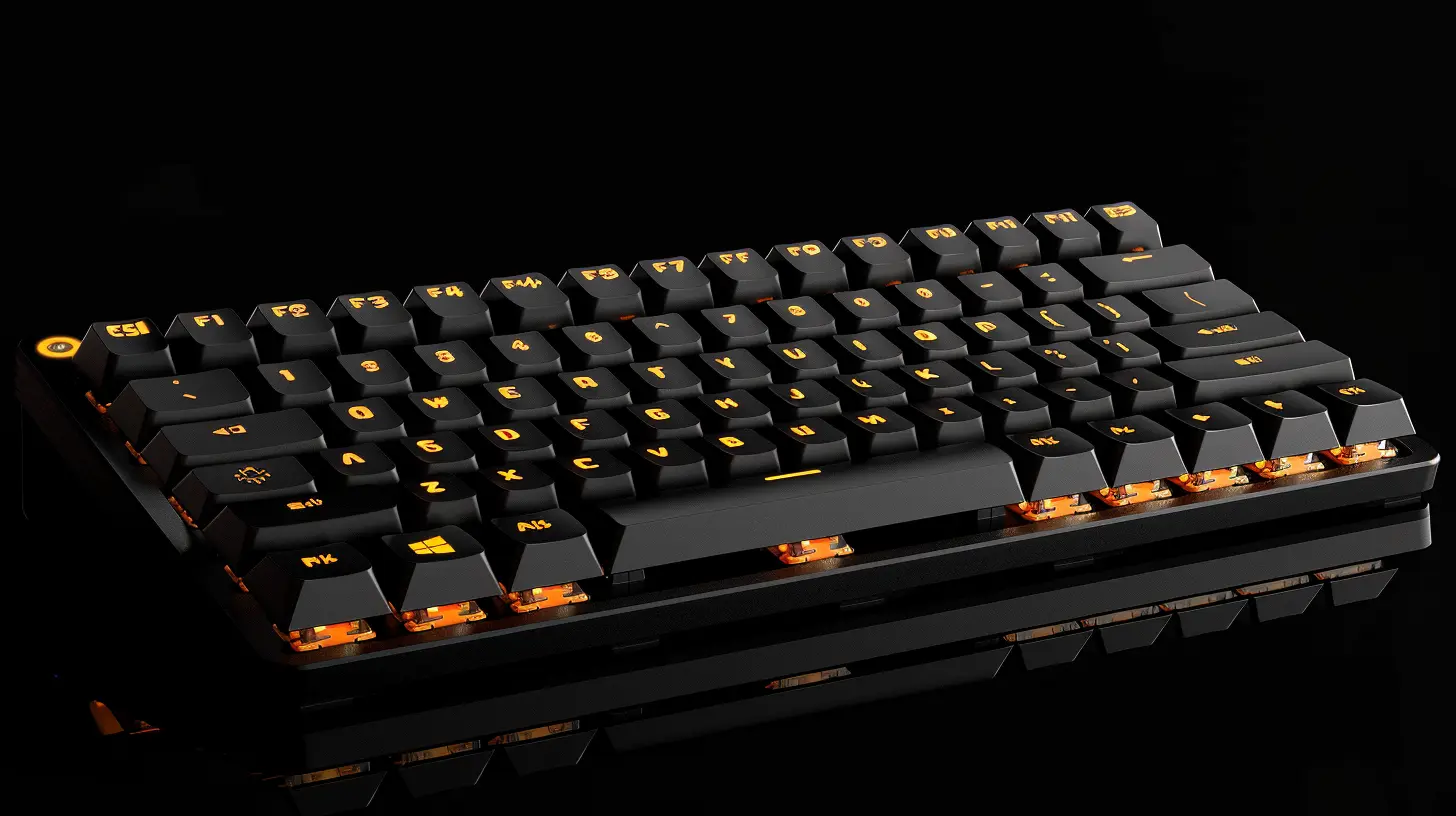
What Are Mechanical Keyboards?
Let’s start with the mechanical keyboard. These beasts have been around for quite some time, and they’ve kind of become the golden standard for gamers. But what exactly makes them mechanical?Mechanical keyboards have individual mechanical switches underneath each key. These switches consist of several moving parts, including a hard plastic stem, a spring, and two metal contacts. When you press down on a key, the stem pushes the spring down, eventually making contact with the metal plate, which sends a signal to your computer.
Pros of Mechanical Keyboards
1. Tactile Feedback: One of the reasons gamers love mechanical keyboards is the satisfying tactile feedback. You feel every keypress, which can be incredibly helpful in fast-paced games where precision is key. You know exactly when a key has been activated, thanks to the distinct "click" or "bump" you get with each press.2. Durability: Mechanical keyboards are built to last. The switches are rated for tens of millions of keystrokes, making them more durable than membrane keyboards. If you’re someone who games for hours on end or types a ton, a mechanical keyboard could be your best buddy.
3. Customization: Mechanical keyboards are highly customizable. You can swap out the key switches, change the keycaps, and even program macros. Want a quieter experience? You can get silent switches. Want a louder, clickier sound? Go for something like Cherry MX Blue switches. The possibilities are endless.
4. N-Key Rollover and Anti-Ghosting: Most mechanical keyboards come with N-Key Rollover and Anti-Ghosting features. N-Key Rollover means the keyboard can register multiple key presses at the same time, which is crucial for games where you’re mashing multiple keys in quick succession. Anti-Ghosting ensures that unintended keypresses aren’t registered when you’re pressing multiple keys. Both features can give you an edge in competitive gaming.
Cons of Mechanical Keyboards
1. Price: Mechanical keyboards are generally more expensive than membrane keyboards. You’re paying for that durability, customization, and superior performance. But if you're on a tight budget, the price tag might be a bit hard to swallow.2. Noise: Depending on the type of mechanical switches you get, mechanical keyboards can be noisy. If you’re sharing a room with someone or gaming late at night, the clickity-clack might annoy your roommates or family members.
3. Weight and Size: Mechanical keyboards are often heavier and bulkier than membrane keyboards. If you're looking for something portable or have limited desk space, this might not be ideal.
What Are Membrane Keyboards?
On the flip side, we have membrane keyboards. These are more common and are often the default keyboards that come with most computers. Instead of individual switches, membrane keyboards use a rubber dome or membrane layer underneath the keys. When you press a key, the dome collapses, and the membrane makes contact with a circuit board to send the signal to the computer.Pros of Membrane Keyboards
1. Affordability: Membrane keyboards are much more affordable than mechanical keyboards. If you’re on a budget, membrane keyboards can be a great option. You can find decent membrane keyboards for a fraction of the price of a mechanical one, making them more accessible to casual gamers.2. Quiet Operation: Membrane keyboards are typically quieter than mechanical keyboards. If you’re gaming late at night or in a shared space, a membrane keyboard is much less likely to disturb others. You won’t get those loud clicks or clacks that are common with mechanical keyboards.
3. Lightweight and Compact: Membrane keyboards are generally thinner and lighter than mechanical ones. If you’re someone who needs to move their keyboard around or have limited desk space, this can be a huge plus.
Cons of Membrane Keyboards
1. Lack of Tactile Feedback: Membrane keyboards don’t offer the same level of tactile feedback that mechanical keyboards do. Keypresses can feel mushy, and you won’t always be sure if you’ve pressed a key unless you bottom out (press it all the way down). This can be a disadvantage in fast-paced gaming where precision is important.2. Durability: Membrane keyboards wear out faster than mechanical ones. The rubber dome can degrade over time, leading to less responsive keys. If you’re a heavy gamer, you might find yourself replacing a membrane keyboard more often.
3. Limited Customization: Membrane keyboards don’t offer the same level of customization as mechanical keyboards. You can’t swap out switches or keycaps, and most membrane keyboards don’t support things like N-Key Rollover or Anti-Ghosting.
Mechanical vs. Membrane Keyboards: Head-to-Head for Gaming
Alright, now that we’ve gone over the basics, let’s pit these two types of keyboards head-to-head in some key areas to see which one comes out on top for gaming.1. Response Time and Precision
In gaming, milliseconds matter. Mechanical keyboards tend to have faster response times because of the individual switches. The tactile feedback also means you can feel when a keypress is registered, which can make your inputs more precise. In contrast, membrane keyboards often have a slight delay because the rubber dome needs to be fully pressed down before the keypress is registered.Winner: Mechanical Keyboards
2. Durability
As mentioned earlier, mechanical keyboards are built to last. The switches are rated for tens of millions of keystrokes, while membrane keyboards tend to wear out faster. If you’re looking for something that can handle the wear and tear of daily gaming, mechanical keyboards have the edge.Winner: Mechanical Keyboards
3. Affordability
If you’re on a budget, membrane keyboards are the way to go. Mechanical keyboards can be pricey, especially the high-end models with premium switches and features. Membrane keyboards offer a more affordable option without completely sacrificing performance.Winner: Membrane Keyboards
4. Noise Levels
If you want a quiet gaming experience, membrane keyboards are generally much quieter. Mechanical keyboards, especially ones with clicky switches like Cherry MX Blues, can get pretty loud. If you don’t want to bother your roommates or family members, a membrane keyboard might be the smarter choice.Winner: Membrane Keyboards
5. Customization and Features
This is where mechanical keyboards shine. From customizable key switches to programmable macros, mechanical keyboards are far more versatile. Many gaming mechanical keyboards also come with RGB backlighting, N-Key Rollover, and Anti-Ghosting, giving you more control over your gaming experience.Winner: Mechanical Keyboards
Which One Should You Choose for Gaming?
So, which one is better for gaming – mechanical or membrane?It really comes down to your personal preferences and budget. If you're serious about gaming, want the best performance, and are willing to invest, a mechanical keyboard is the clear winner. The tactile feedback, durability, and customization options make it a favorite among pro gamers and enthusiasts alike.
On the other hand, if you're a casual gamer or someone who values a quieter and more affordable keyboard, a membrane keyboard could still meet your needs. Just remember that you might not get the same level of precision or long-term durability.
At the end of the day, both types of keyboards have their strengths and weaknesses. If possible, try to test out both types before making a decision. You’ll know pretty quickly which one feels better for your gaming style.
Conclusion
Mechanical and membrane keyboards both have their place in the gaming world, and there’s no one-size-fits-all answer. If you’re a competitive gamer who values precision, tactile feedback, and long-lasting hardware, you’ll likely gravitate toward a mechanical keyboard. But if you’re on a tight budget and prefer a quieter, more compact solution, a membrane keyboard might be the better option for you.Whatever you choose, just make sure it feels right for you. After all, in the world of gaming, comfort and performance go hand-in-hand.
all images in this post were generated using AI tools
Category:
Pc GamingAuthor:

Kira Sanders
Discussion
rate this article
2 comments
Damon Nguyen
Mechanical wins every time!
August 20, 2026 at 12:10 PM
Soraya McFarlin
Mechanical keys click, membrane whispers... choose wisely.
June 19, 2026 at 12:11 PM
Kira Sanders
Both have their perks. Mechanical offers more feedback, while membrane can be quieter. It really comes down to personal preference and gaming style.