How to Choose the Best Drone for Your Needs
10 December 2025
So, you've decided to join the exciting world of drones, huh? With their growing popularity, buying a drone these days is like trying to choose an ice cream flavor—there are just so many options! Whether you're looking to fly for fun, capture stunning aerial photographs, or even start a drone-based business, picking the right one can be tricky. But don’t worry, I’ve got your back. Let’s break it down step-by-step so that by the end of this article, you’ll know exactly how to choose the best drone for your needs.
What Will You Use the Drone For?
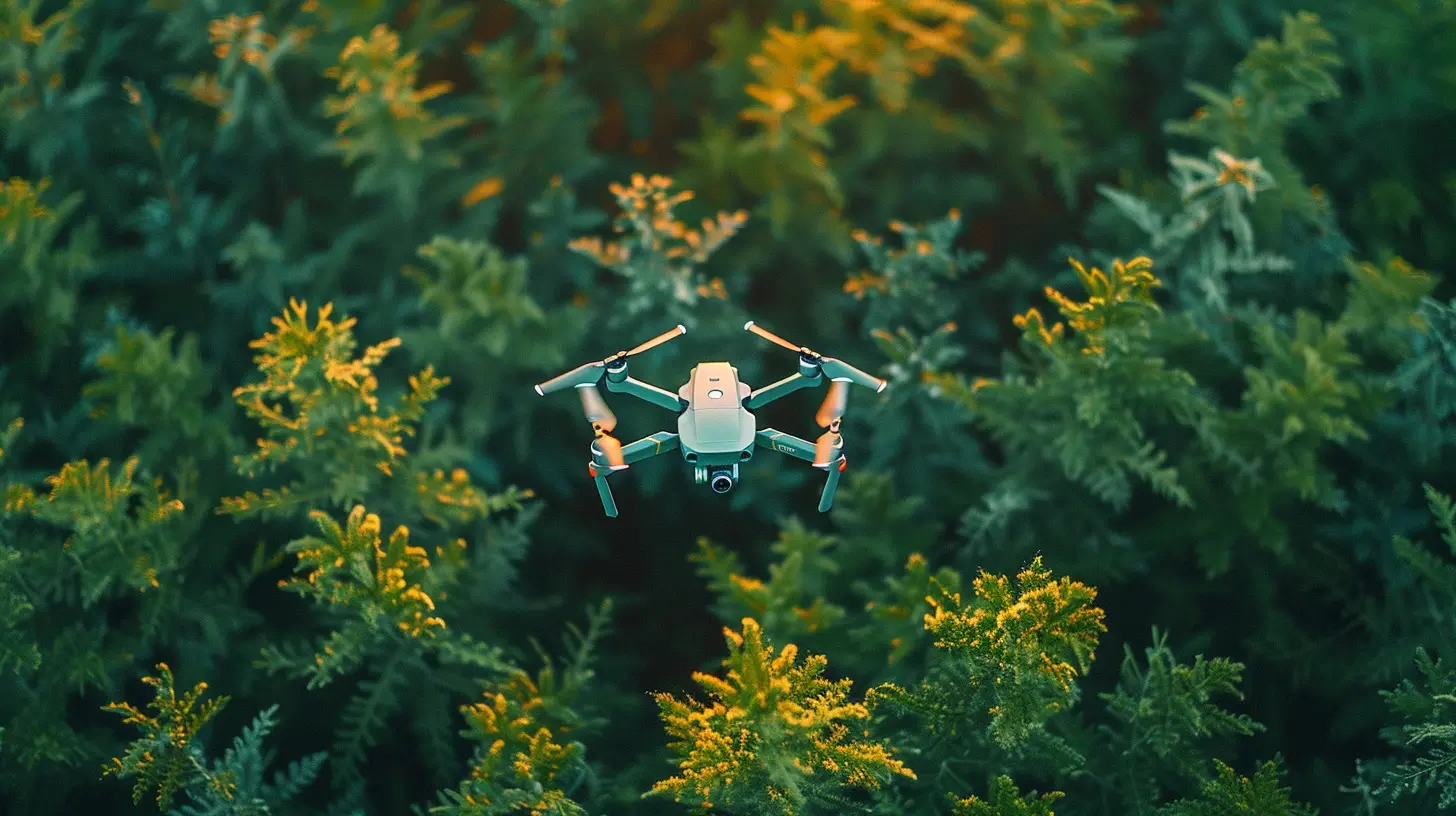
Before diving into specs, features, and price tags, the first thing you need to ask yourself is: What do I want this drone for?Are you looking for a drone that'll let you capture jaw-dropping 4K videos from the sky? Or maybe you're a beginner and just want something that's easy to fly without breaking the bank. Perhaps you’re into racing or even commercial purposes like mapping or surveying? Knowing your end goal is crucial because it’ll heavily influence the features and price range you should be looking at.
It's kind of like buying a car—if all you're doing is driving to the grocery store, you don’t need a Ferrari, right? Similarly, don't spend big bucks on a high-end drone if all you need is something simple to get started.
Types of Drones: Which One Suits You?
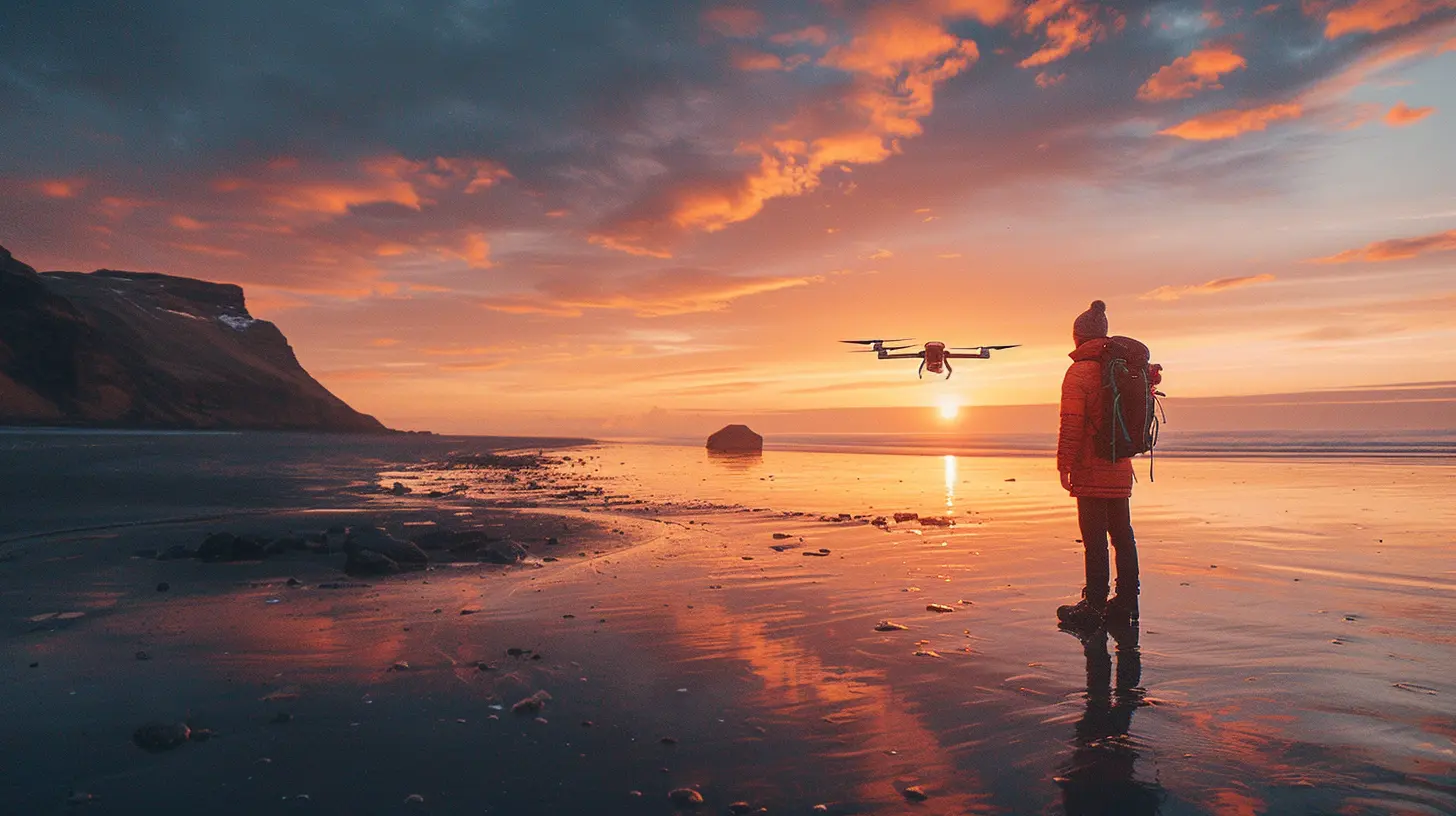
Drones come in all shapes and sizes, and their capabilities are just as varied. Let’s quickly look at the main types of drones and who they're suitable for:1. Beginner Drones
If this is your first-ever drone, you’ll want something simple and easy to control. Beginner drones often come with features like altitude hold and headless mode, making them easier to fly. The best part? They’re usually budget-friendly.These drones typically have lower camera quality and shorter flight times, but they’re perfect for learning the ropes. Think of them as your training wheels. Once you're comfortable, you can then upgrade to something more advanced.
2. Camera Drones
These are the drones most people think of when they imagine capturing beautiful aerial photos and videos. If you’re into vlogging or plan to post your footage on social media, you’ll want a camera drone with a high-quality lens, image stabilization, and 4K video capabilities.The good news? Camera drones today are incredibly advanced. Some even have intelligent flight modes like follow-me, orbit, and waypoint navigation, making it easier to capture professional-grade shots without much effort.
3. Racing Drones
Feeling the need for speed? Racing drones are all about agility and insane speeds. They’re designed for drone racing enthusiasts who want to zip through obstacle courses at breakneck speeds. If adrenaline is your thing, a racing drone is what you’re looking for.Just keep in mind that racing drones require a bit of skill to control. They’re not for the faint-hearted, and they often lack the camera quality you’d find on a camera drone.
4. Professional/Commercial Drones
Finally, there are drones for professionals—think surveyors, filmmakers, or even search-and-rescue teams. These drones are packed with advanced features like high-end cameras, thermal imaging, and long flight times. They’re also more expensive, but if you’re using your drone for work, the investment can be worth it.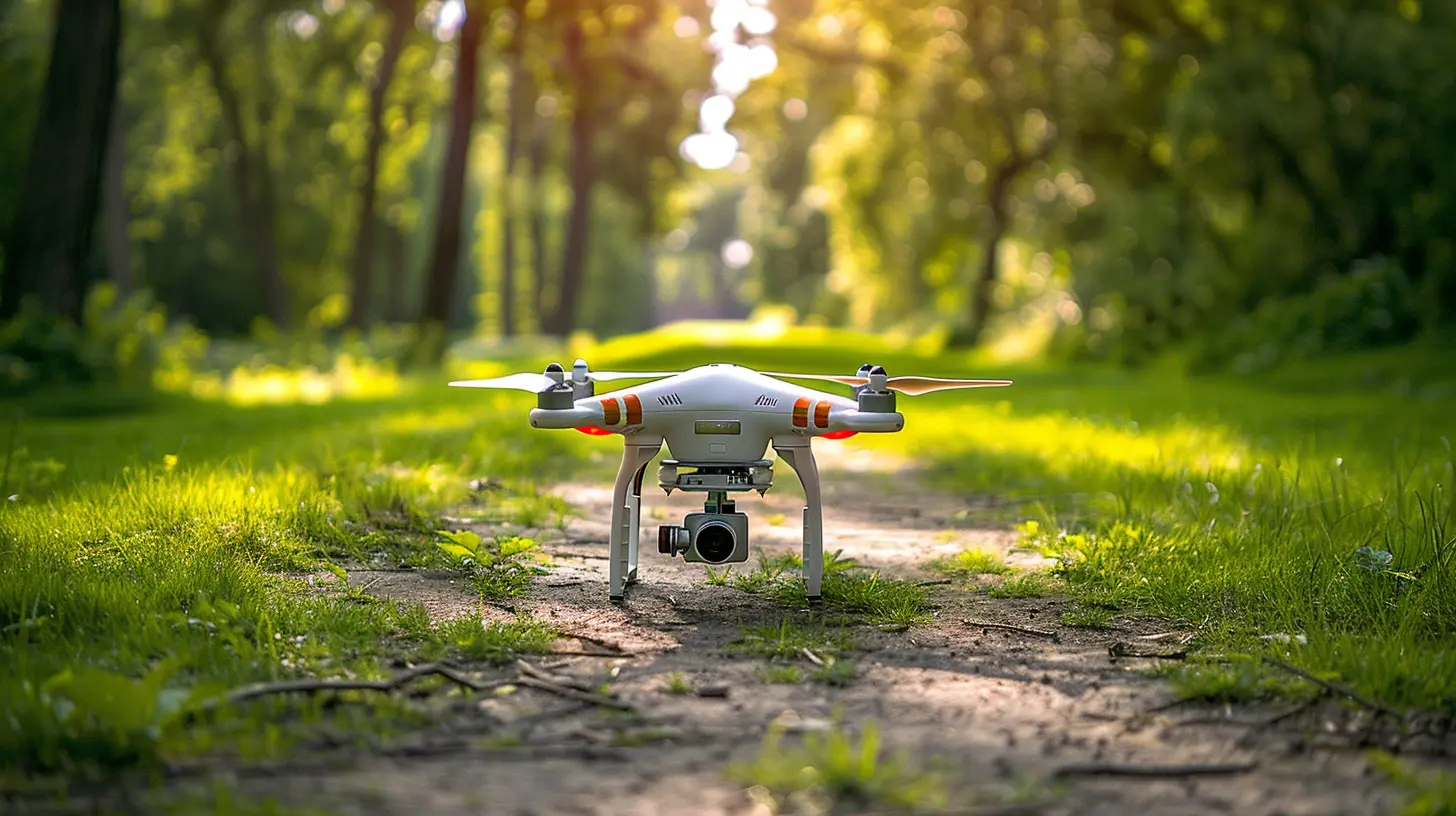
Key Features to Look For
Once you've narrowed down the type of drone you need, it’s time to dig into the nitty-gritty: the features. Let’s break down some essential features that can make or break your drone experience.1. Camera Quality
If you’re buying a drone for photography or videography, you’ve got to pay attention to the camera quality. Look for drones with at least 12 MP for still photos and 4K resolution for video. Some drones even have gimbal stabilization, which is a game-changer for capturing smooth footage. Without it, your videos might look like they were filmed during an earthquake.If you’re serious about image quality, also consider drones with adjustable aperture, high dynamic range (HDR), and RAW photo capability. It's like having a DSLR camera that flies!
2. Flight Time
Flight time is one of the most crucial factors to consider. Most consumer drones offer about 15-30 minutes of flight time per battery. If you're looking for extended flight sessions, consider getting extra batteries. Trust me, nothing kills the mood like having to land your drone in the middle of an epic sunset shot just because your battery ran out.Pro tip: Always check the manufacturer’s specified flight time, but remember that real-world conditions (like wind) might reduce it.
3. Range
The range refers to how far your drone can fly from the controller before you lose connection. If you’re just flying around your backyard, you won’t need much range. But if you plan on flying the drone over vast landscapes, mountains, or even coastlines, a longer range is essential.Most beginner drones have a range of about 100 meters, while more advanced models can fly several kilometers away. Just remember, in some countries, it’s illegal to fly your drone out of your line of sight, so don’t go too crazy.
4. GPS and Navigation
GPS is a must-have feature if you want your drone to hover in place or return to you with the push of a button. Drones without GPS can drift and are harder to control, especially outdoors.Some drones also offer advanced GPS features like waypoint navigation, where you can pre-program a route, or follow-me mode, where the drone locks onto you and follows your movement. This is perfect for capturing action shots like biking, running, or even skiing.
5. Obstacle Avoidance
Ever worry about crashing your expensive new drone into a tree or a building? That’s where obstacle avoidance comes in. Some drones are equipped with sensors that detect and avoid obstacles in their path.More advanced drones might have multiple sensors, including front, rear, and even side sensors, giving you 360-degree protection. If you’re a beginner or plan on flying in tricky environments, this is a feature worth paying for.
6. Portability
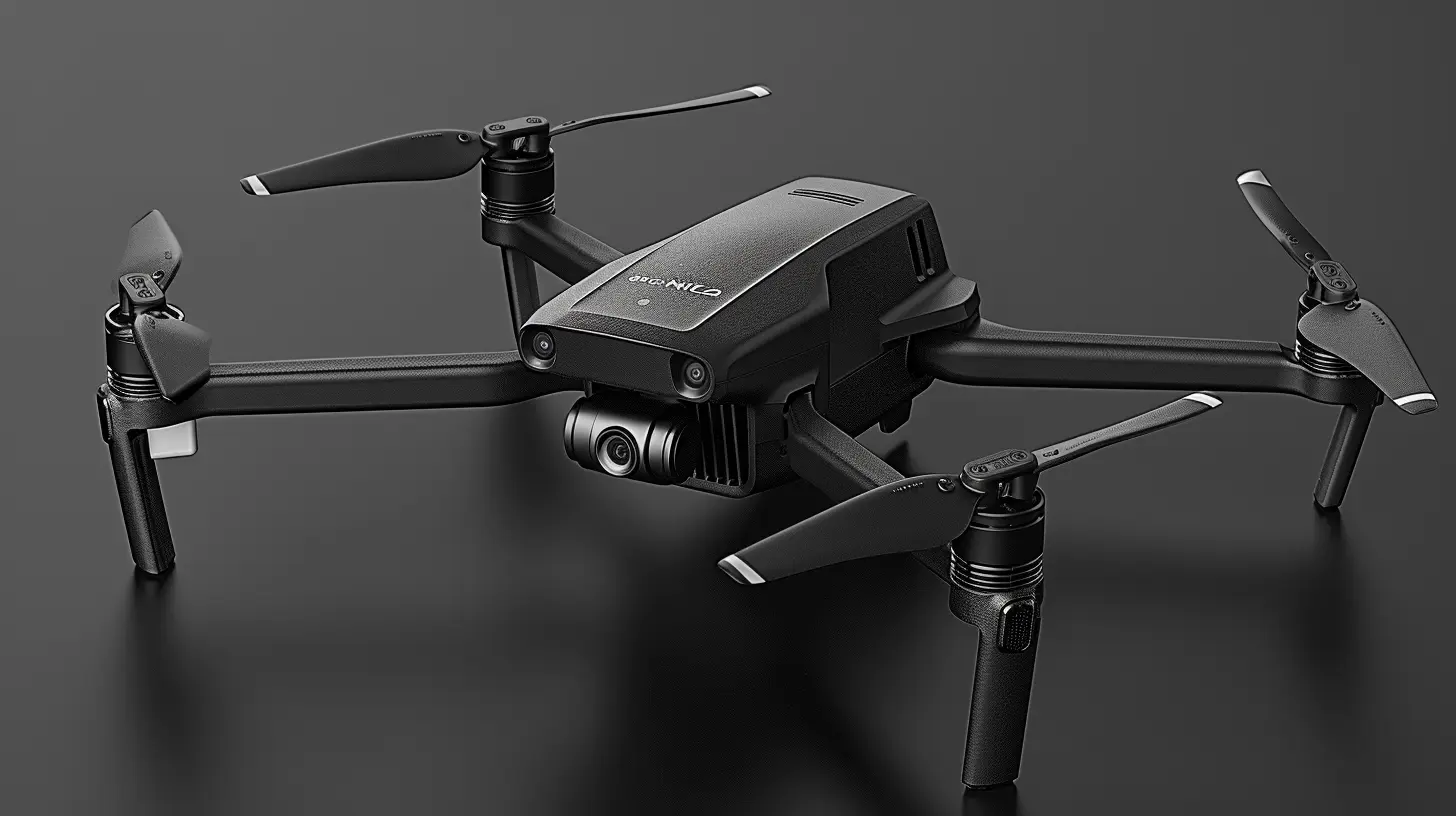
Are you planning to travel with your drone? If so, size and weight matter. Some drones, especially the larger professional ones, can be bulky and tough to carry around. Luckily, there are lightweight, foldable drones like the DJI Mavic series that can easily fit into a backpack.For travelers or adventurers, portability can be a game-changer. Imagine hiking up a mountain, only to realize your drone is too heavy to lug around. Yeah, no thanks.
Budget: How Much Should You Spend?
Drones come in a wide range of prices, so it’s essential to figure out your budget early on. Here’s a rough guide:- Under $100: You’re looking at toy drones or basic beginner models. These are great for learning, but don’t expect high-quality footage or long flight times.
- $100 - $500: In this range, you’ll find solid beginner and mid-level drones with decent cameras, good flight time, and basic GPS features.
- $500 - $1,500: This is where the real fun starts. High-quality camera drones like those from DJI fall in this range, offering excellent image quality, GPS, and obstacle avoidance systems. Perfect for hobbyists and semi-pros.
- $1,500 and up: These are professional-grade drones with top-notch cameras, long flight times, and advanced features like thermal imaging or 360-degree obstacle avoidance. If you’re using a drone for business, this is your range.
Drone Regulations: What You Need to Know
Before you take to the skies, make sure you’re aware of the rules and regulations in your area. Trust me, the last thing you want is a hefty fine or, worse, having your drone confiscated.In many countries, drones weighing over a certain limit (usually 250 grams) need to be registered. There might also be restrictions on where you can fly (like near airports or crowds) and how high you can go. Some areas even require drone pilots to take a test or obtain a license.
So, before you start flying, do some research on the drone laws in your location. It’s better to be safe than sorry.
Final Thoughts: Choosing the Best Drone for You
At the end of the day, choosing the best drone for your needs comes down to understanding what you want out of it. Are you a beginner just looking to have fun? Or are you a photographer on the hunt for the perfect aerial shot? By determining your purpose, setting a budget, and knowing the essential features, you can make a smart choice that fits your goals.Remember, there’s no “perfect” drone for everyone—there’s only the perfect drone for you. So take your time, do your research, and soon enough, you’ll be taking to the skies like a pro.
all images in this post were generated using AI tools
Category:
Tech GadgetsAuthor:

Kira Sanders
Discussion
rate this article
2 comments
Colt Sweeney
Choosing the right drone is like picking a pet: you want one that won't crash into walls, won't eat your socks, and hopefully, can fetch your pizza! Remember, if it doesn't have a "flap your wings" feature, keep looking! 🕊️🍕
December 20, 2025 at 5:10 AM
Kira Sanders
Great analogy! Selecting a drone is all about finding the right balance of features and reliability for your specific needs. Happy flying! 🛸
Jamie Franklin
When selecting a drone, consider your primary use—photography, racing, or surveying. Evaluate key factors such as flight time, camera quality, range, and ease of use. Additionally, assess budget constraints and check for regulatory requirements in your area to ensure compliance and optimal performance.
December 11, 2025 at 5:22 AM
Kira Sanders
Great advice! Tailoring your drone choice to specific uses while considering key features and regulations is essential for optimal performance.