Facial recognition technology 'scope creep' is upon us, experts warn
September 1, 2026 - 01:03
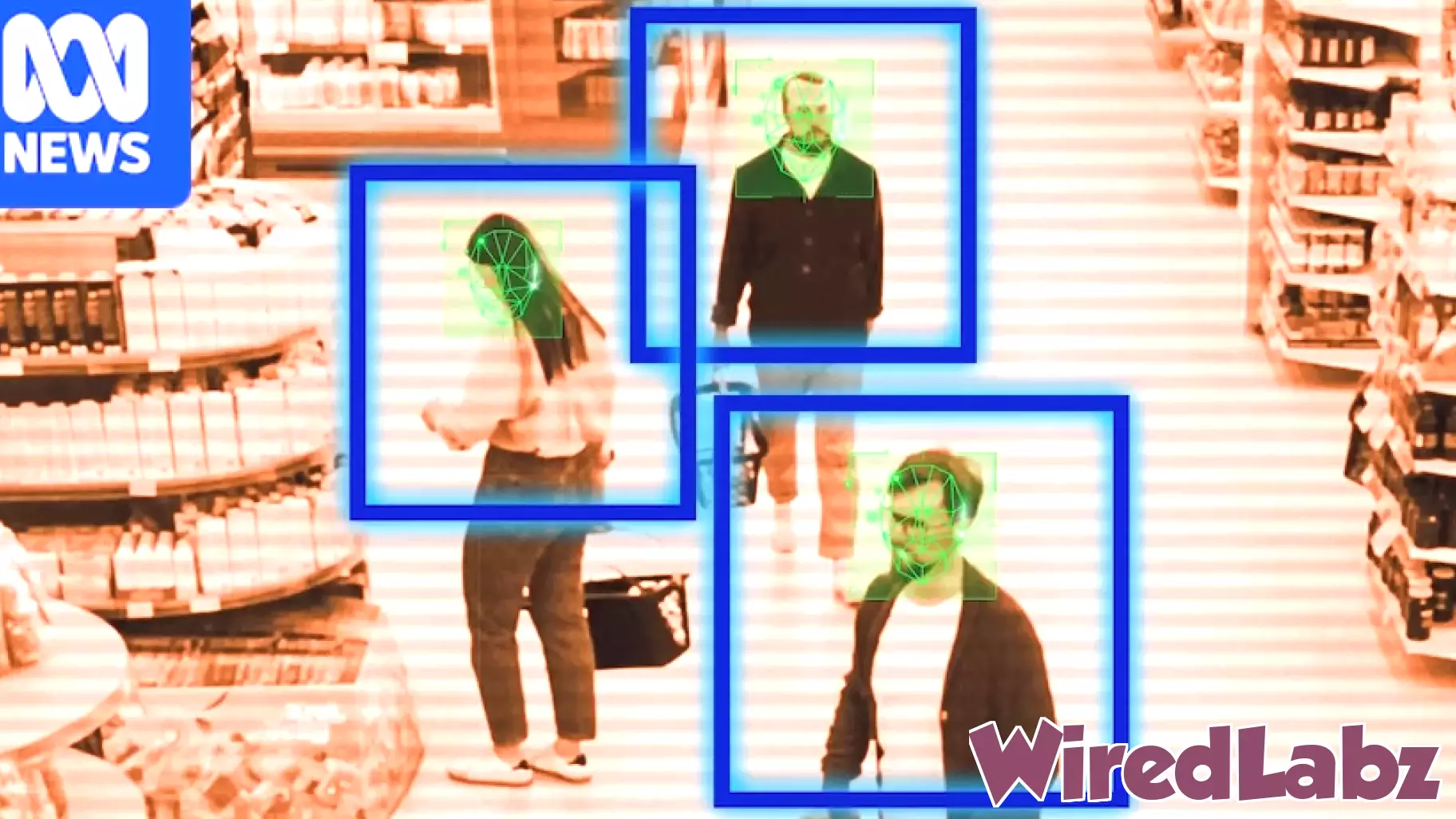
Retailers are increasingly rolling out facial recognition systems at checkout counters and store entrances, and while industry representatives frame the shift as a security measure, technology analysts warn that the real danger lies in what comes after installation. Once the hardware and software are in place, experts say, the pressure to expand their use becomes almost irresistible. This phenomenon, often called "scope creep," could soon lead to practices like personalized pricing based on a shopper's appearance or past behavior.
The supermarket example is telling. A customer walks in, cameras scan their face, and the system flags them as a repeat visitor or, worse, as someone who lingered too long in the discount aisle. That data, initially collected to prevent shoplifting or fraud, can be repurposed. Analysts point out that the same system that identifies a known thief can also identify a loyal customer who rarely checks prices. The next step, they argue, is dynamic pricing, where the screen shows a higher total for one person and a lower one for another, all without the shopper knowing.
Industry groups counter that the technology is purely defensive. They cite reduced theft and faster checkouts as clear benefits. But privacy researchers are not convinced. They note that facial recognition is uniquely invasive because it works without consent and cannot be easily avoided. Unlike a loyalty card, which a shopper can choose to leave at home, a face is always visible. Once a store builds a database of faces, that information can be shared with landlords, insurers, or even law enforcement, often with no legal requirement to inform the customer.
The concern is not hypothetical. Several large retail chains have already tested the technology in pilot programs, and consumer advocates have filed complaints with regulators in multiple countries. The core issue, experts say, is that the initial justification for installing the system rarely matches its long-term use. Safety is the hook, but the data trail left behind is far more valuable. Until clear rules are written to limit what retailers can do with facial scans, the quiet spread of this technology will continue, one checkout lane at a time.
MORE NEWS

October 15, 2026 - 20:09
CDW Canada Recognized by Dell Technologies with Partner Excellence Award for Fifth Straight YearCDW Canada has received the Canadian Partner Excellence Award from Dell Technologies for the fifth year in a row. The recognition highlights the company`s consistent performance in delivering...

October 15, 2026 - 03:16
Tampa General Adopts New Device to Assess Donor Lungs Before TransplantDoctors at Tampa General Hospital are utilizing a device called the XVIVO Lung Perfusion Machine to evaluate donor lungs prior to transplant surgery. The technology allows medical teams to test how...

October 14, 2026 - 11:00
NVIDIA’s PTFE Strategy: The Hidden Technology Behind Next-Generation AI RacksThe race to build faster AI systems has long centered on chips. GPUs, high-bandwidth memory, advanced packaging and software stacks have absorbed most of the attention. But as AI moves from single...
October 13, 2026 - 19:21
Student-Led Farm Project Brings Fresh Food to CampusTwo graduate students in architecture have turned a patch of campus ground into a working farm, and in the process they are redefining what farm-fresh food means for their university...