Breakthrough Technology Enables Real-Time Monitoring of Cancer Progression at Cellular Level
July 18, 2025 - 04:34
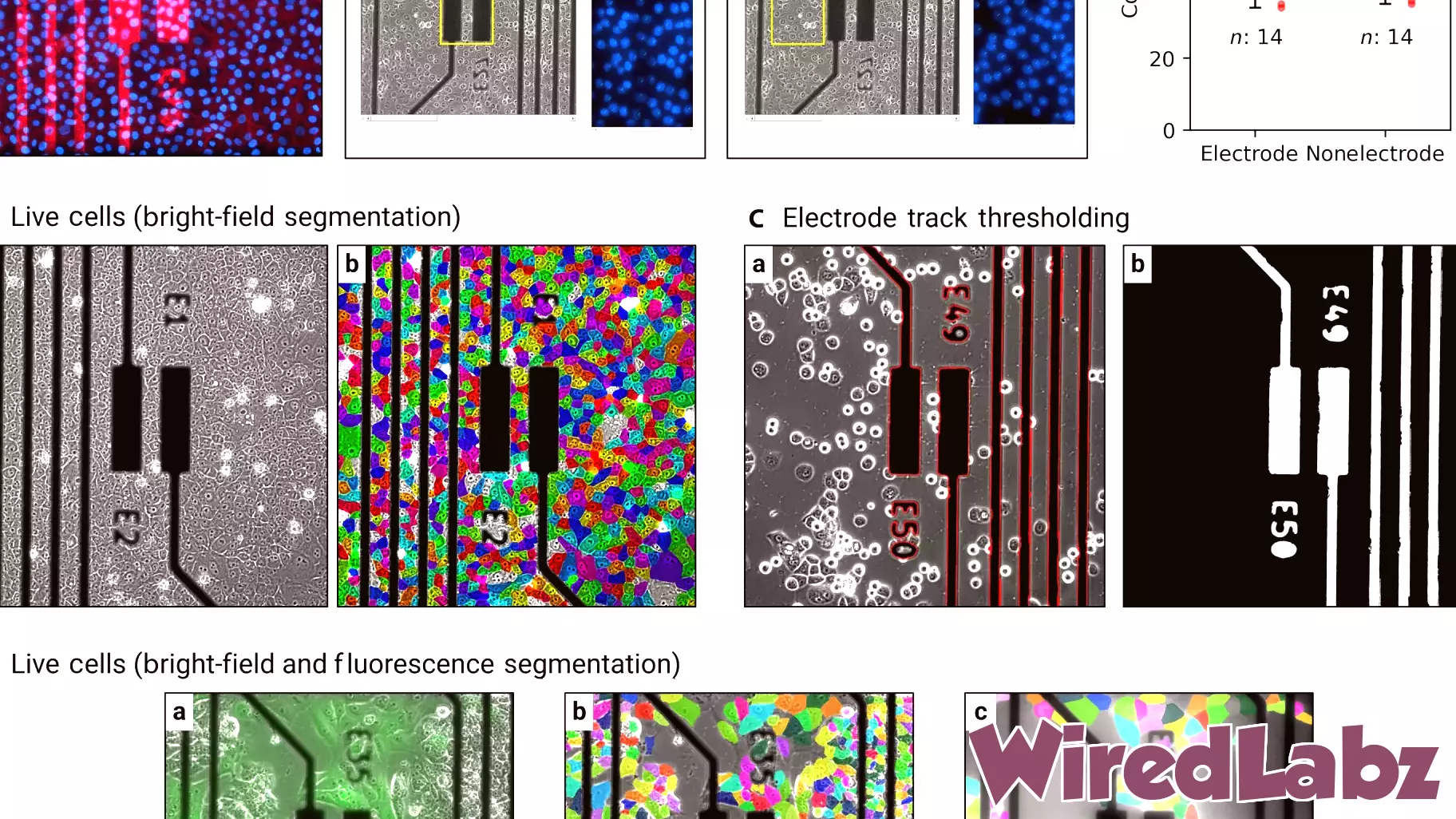
A groundbreaking study has revealed a novel approach to monitoring cancer progression at the cellular level, utilizing advanced microsensing technology. This innovative methodology allows for real-time, in situ tissue analysis, providing researchers and clinicians with unprecedented insights into the dynamics of cancer development.
The study, published in a leading scientific journal, showcases how this technology can detect subtle changes in cellular behavior that may indicate tumor growth or metastasis. By employing microsensors that can be integrated into tissue samples, scientists are able to observe cellular interactions and responses in their natural environment, rather than relying solely on traditional imaging techniques.
This advancement holds significant promise for improving cancer diagnostics and treatment strategies. By enabling earlier detection of cancer progression, it may lead to more personalized and effective therapeutic interventions. As researchers continue to explore the potential applications of this technology, the hope is to enhance patient outcomes and ultimately transform the landscape of cancer care.
MORE NEWS

October 16, 2026 - 03:28
Russian national extradited to US over alleged scheme to smuggle military-use technology to RussiaA Russian citizen has been handed over to American authorities from Sweden to answer federal charges in an alleged international procurement network that funneled sensitive electronic components to...

October 15, 2026 - 20:09
CDW Canada Recognized by Dell Technologies with Partner Excellence Award for Fifth Straight YearCDW Canada has received the Canadian Partner Excellence Award from Dell Technologies for the fifth year in a row. The recognition highlights the company`s consistent performance in delivering...

October 15, 2026 - 03:16
Tampa General Adopts New Device to Assess Donor Lungs Before TransplantDoctors at Tampa General Hospital are utilizing a device called the XVIVO Lung Perfusion Machine to evaluate donor lungs prior to transplant surgery. The technology allows medical teams to test how...

October 14, 2026 - 11:00
NVIDIA’s PTFE Strategy: The Hidden Technology Behind Next-Generation AI RacksThe race to build faster AI systems has long centered on chips. GPUs, high-bandwidth memory, advanced packaging and software stacks have absorbed most of the attention. But as AI moves from single...