Understanding Internet of Things and Its Role in Your Home
13 November 2026
The Internet of Things (IoT) is no longer a concept confined to the realms of tech enthusiasts and futurists; it has become an integral part of modern living. From smart thermostats to connected security systems, IoT devices are enhancing the way we interact with our homes. This article delves into the nuances of IoT, its practical applications, benefits, challenges, and the considerations you should keep in mind when integrating these technologies into your living space.
What is the Internet of Things?
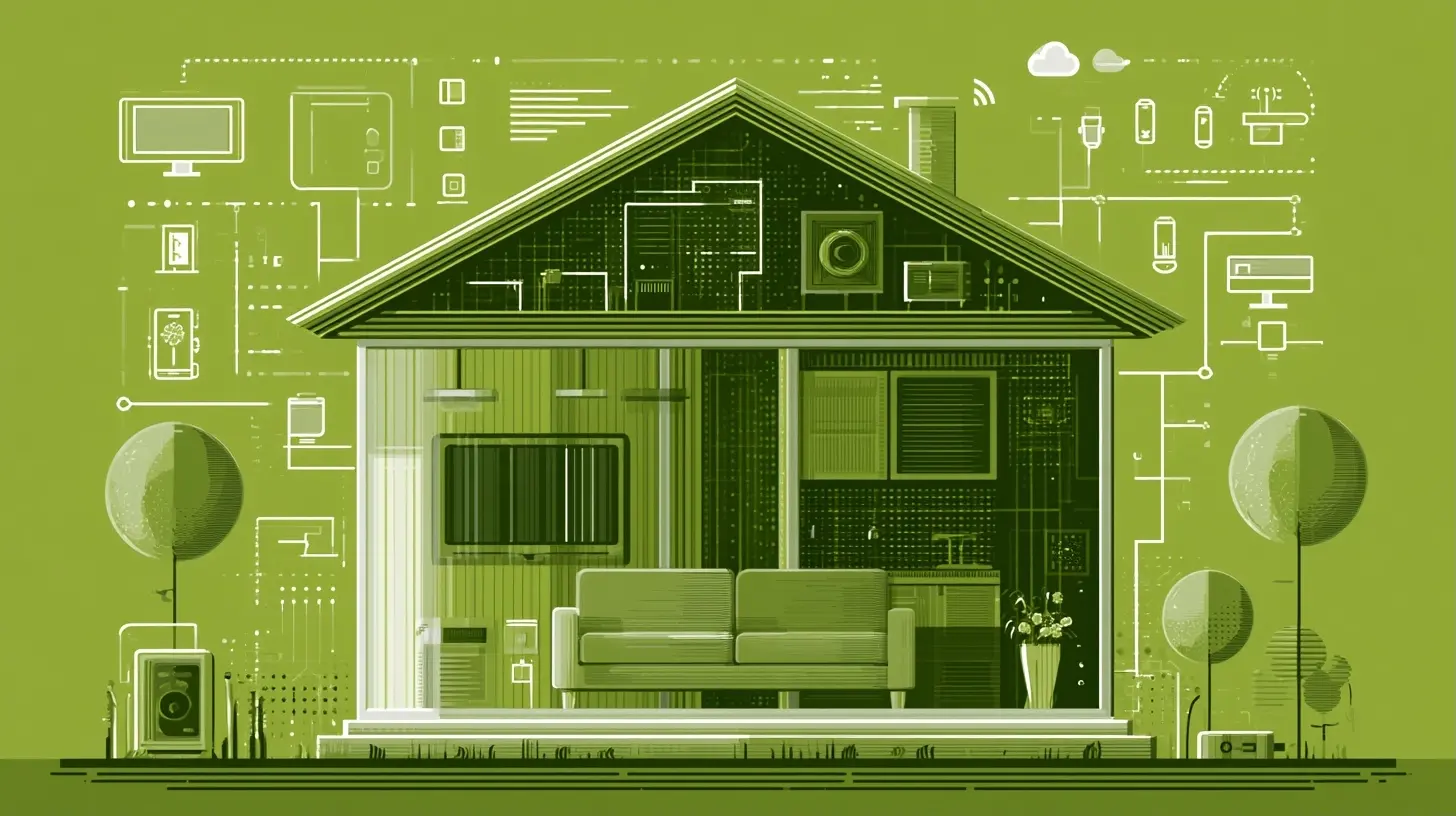
At its core, the Internet of Things refers to the network of physical devices connected to the internet, capable of collecting and exchanging data. These devices, which can range from everyday household items to industrial machinery, utilize sensors, software, and other technologies to communicate with each other and with users.Key Components of IoT
1. Devices and Sensors: The physical components that gather data and perform actions. For instance, a smart thermostat senses temperature and adjusts heating or cooling accordingly.2. Connectivity: IoT devices connect to the internet via various protocols, such as Wi-Fi, Bluetooth, Zigbee, or cellular networks. This connectivity allows devices to communicate with one another and with cloud services.
3. Data Processing: The information collected by devices is often sent to the cloud, where it is processed and analyzed. This step is crucial for making informed decisions based on data insights.
4. User Interface: How users interact with IoT devices. This could be through mobile apps, web interfaces, or voice commands using smart assistants.
The Role of IoT in Your Home
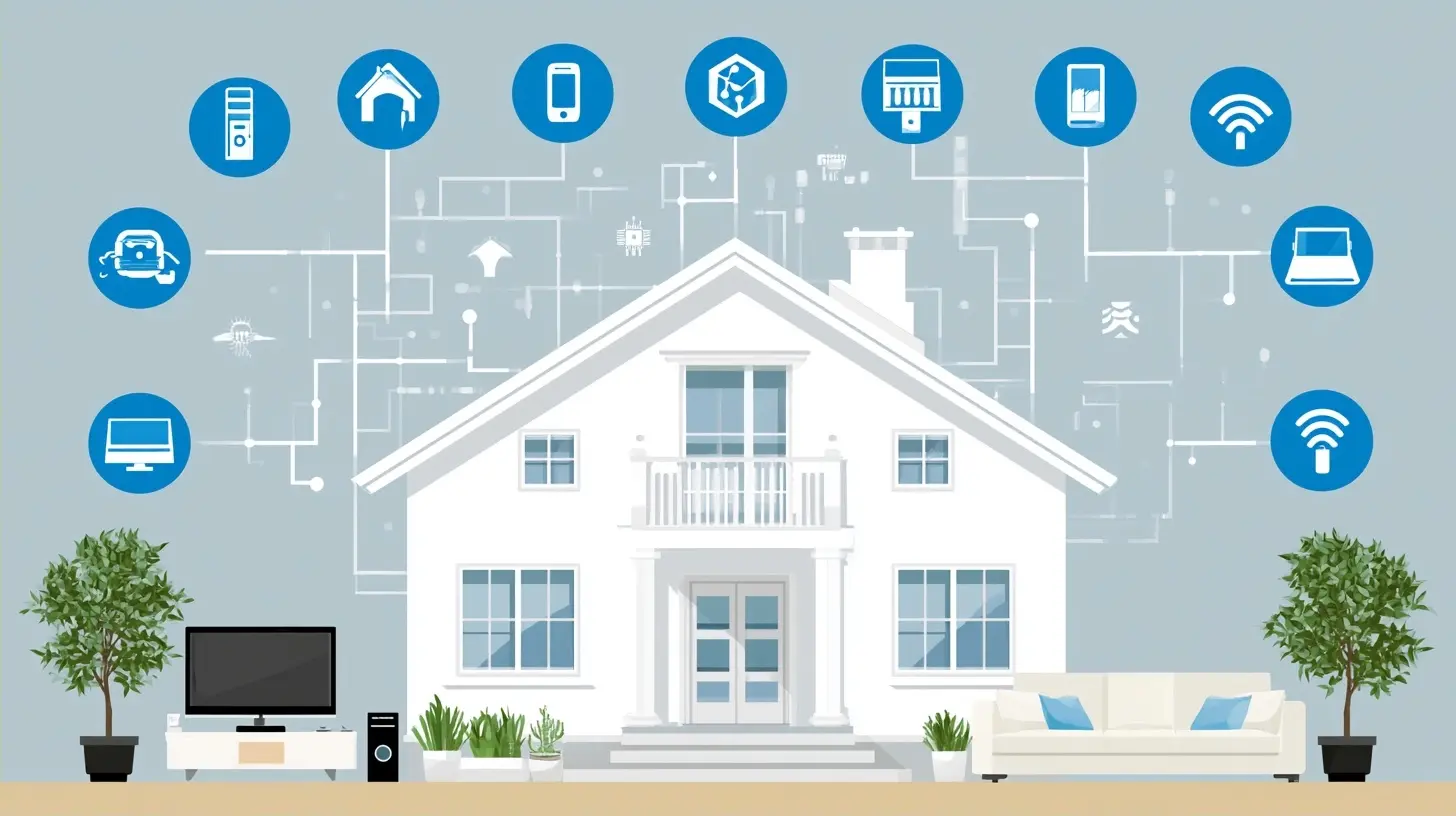
The integration of IoT in residential settings is transforming traditional homes into smart homes. Here are some key areas where IoT is making a significant impact:Smart Security Systems
One of the most popular applications of IoT in homes is security. Smart security systems leverage IoT technology to enhance safety in various ways:- Surveillance Cameras: IoT-enabled cameras can provide real-time monitoring and alerts. Features like motion detection and night vision enhance security.
- Smart Locks: These allow homeowners to lock or unlock doors remotely. They can also track who enters or exits the home, providing peace of mind.
- Alarm Systems: Integrated with various sensors, smart alarms can notify homeowners and authorities in case of breaches, offering an additional layer of protection.
Energy Management
IoT devices can help manage energy consumption effectively, leading to cost savings and reduced environmental impact:- Smart Thermostats: These adapt to users' habits and optimize heating and cooling, resulting in energy savings. For example, a smart thermostat may lower the heating when it detects that no one is home.
- Smart Lighting: With IoT-enabled lighting systems, users can control lights from anywhere. Features such as scheduling, motion detection, and remote access help reduce energy consumption.
Home Automation
Automation is a key advantage of IoT, allowing for improved convenience and efficiency:- Voice Assistants: Devices like Amazon Echo and Google Home serve as central hubs for controlling various IoT devices through voice commands.
- Smart Appliances: Refrigerators, ovens, and washing machines can be programmed to function based on user preferences, which can be adjusted remotely.
- Integrated Systems: Home automation platforms can connect various devices, allowing for scenarios like having your lights turn on when you arrive home or the thermostat adjusting to a comfortable temperature as you wake up.
Benefits of IoT in the Home
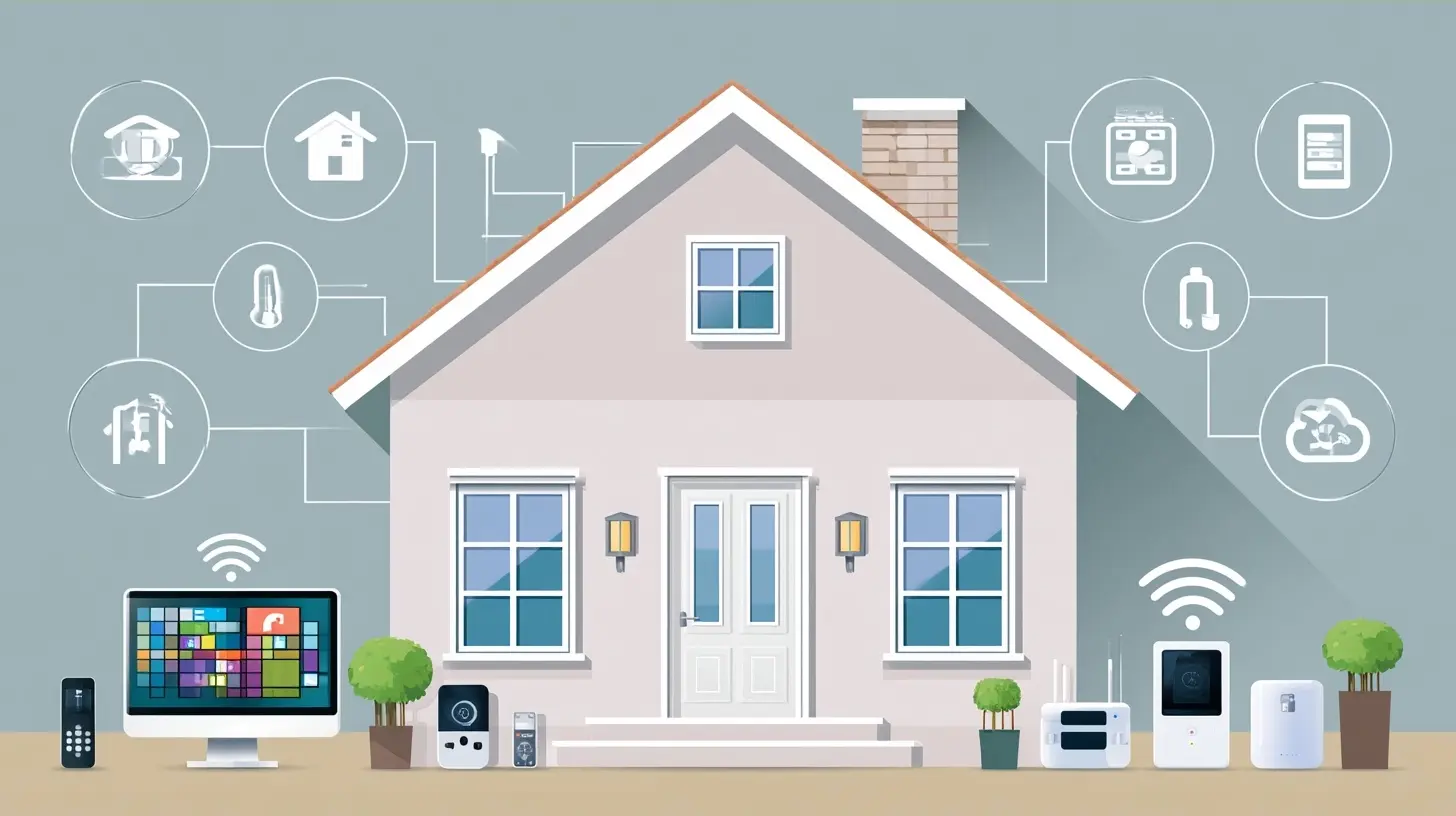
The advantages of adopting IoT technologies in your home go beyond mere convenience. Here are some compelling benefits:Increased Convenience
The ability to control devices remotely and automate tasks enhances everyday convenience. Imagine adjusting your thermostat from your phone while at work or turning off lights left on at home. This level of control reduces hassle and enhances comfort.Improved Energy Efficiency
IoT devices can lead to significant energy savings. Smart thermostats and lighting systems adjust based on your habits, ensuring that energy is not wasted when it is not needed. This not only saves money but also reduces your carbon footprint.Enhanced Safety and Security
IoT devices provide increased safety and security. The ability to monitor your home remotely and receive instant notifications about potential threats can deter crime and provide peace of mind.Better Resource Management
IoT technologies allow for better management of resources. For example, smart irrigation systems can optimize water usage based on weather conditions, helping maintain gardens without waste.Personalization
IoT devices can learn your preferences over time, allowing for a more personalized living experience. For instance, smart speakers can curate playlists based on your listening habits, and smart lighting can adjust to your preferred ambiance.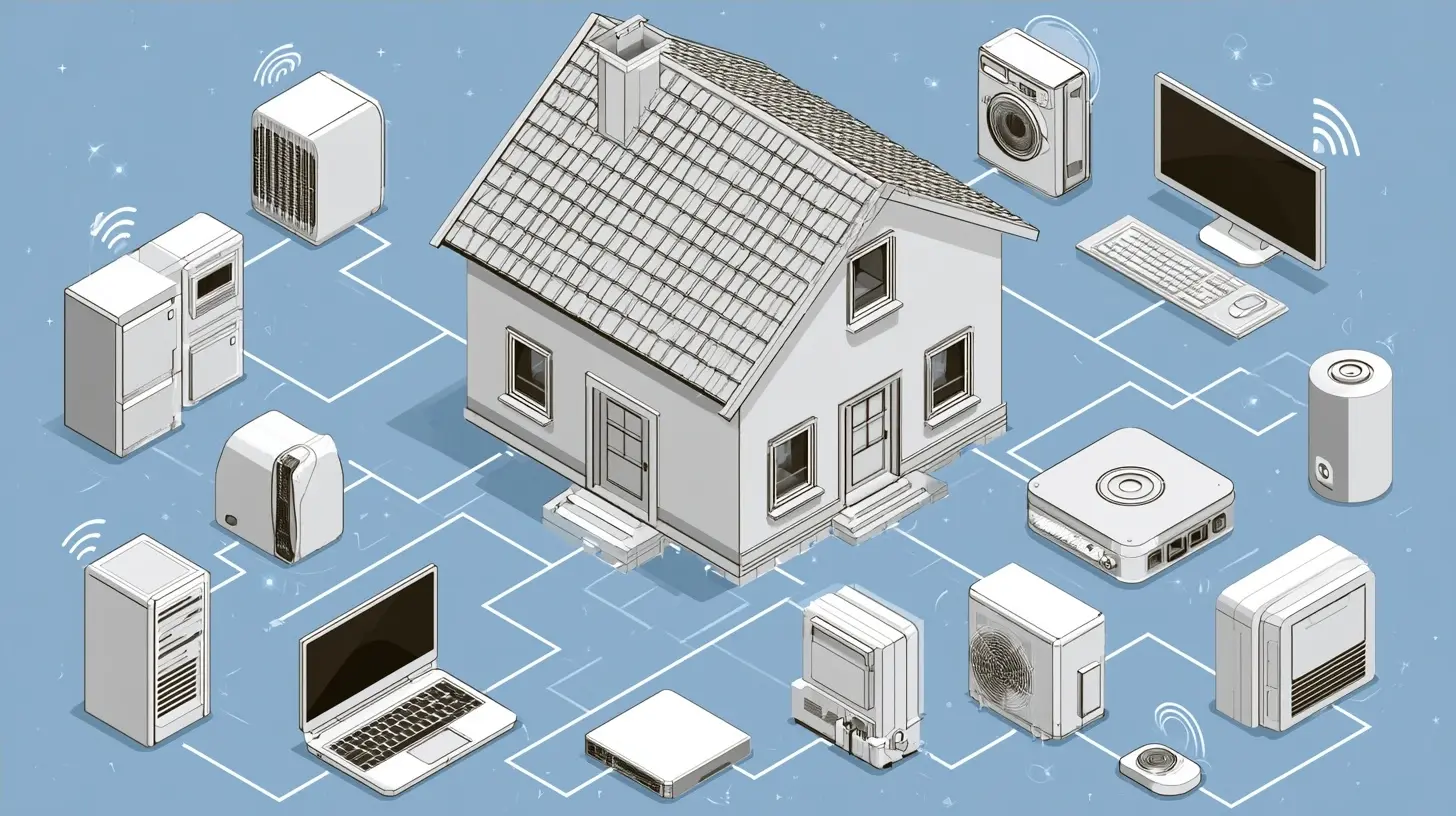
Challenges and Considerations
While the benefits are clear, there are challenges and considerations to keep in mind before diving into IoT:Privacy and Security Concerns
The interconnected nature of IoT can pose security risks. Each device connected to the internet is a potential entry point for cyberattacks. It is crucial to:- Choose reputable brands with strong security measures.
- Regularly update device firmware.
- Use strong, unique passwords and consider enabling two-factor authentication where available.
Compatibility Issues
Not all IoT devices are compatible with one another. Before investing in multiple devices, ensure they can work together within the same ecosystem. Research platforms like Google Home or Amazon Alexa to understand compatibility.Initial Costs
Investing in smart home technology may require a significant upfront cost. While many devices can lead to long-term savings, weigh the initial investment against your budget and expected benefits.Reliance on Internet Connectivity
IoT devices rely heavily on internet connectivity. In areas with poor internet service, the functionality of these devices may be compromised. Consider having a backup plan, such as a local control option for critical systems.Learning Curve
Integrating IoT devices into your home may involve a learning curve, especially for users who are not tech-savvy. Take the time to understand how devices function and how they can be most effectively used.Real-World Examples of IoT in Homes
To illustrate the practical applications of IoT, let's look at a few real-world examples:Smart Thermostat Example
Consider the Nest Learning Thermostat. It learns your schedule and preferences over time, adjusting temperatures accordingly. Users have reported energy bill savings of up to 15 percent after installation. Its mobile app allows for remote control and monitoring, providing convenience.Smart Security Example
Ring Video Doorbell is an IoT device that allows homeowners to see and speak with visitors through their smartphones. It has built-in motion sensors to alert users about activity at their doorstep, even when they are not home. This has led to increased security awareness and reduced package theft.Smart Lighting Example
Philips Hue smart bulbs can be controlled via a mobile app, allowing users to change colors, set schedules, and create scenes. This adaptability not only enhances mood but also contributes to energy efficiency by allowing for granular control over lighting.
Best Practices for Implementing IoT in Your Home
As you consider integrating IoT devices into your home, keep these best practices in mind:Start Small
Begin with one or two devices that address your most pressing needs. This approach allows you to familiarize yourself with the technology without becoming overwhelmed.Research and Compare
Before purchasing, research various brands and models. Read reviews and consider factors such as ease of use, reliability, and customer support.Create a Secure Network
Set up a dedicated Wi-Fi network for your IoT devices separate from your main network. This can help contain potential security breaches.Keep Software Updated
Regularly check for firmware updates for your devices. Manufacturers often release updates to fix security vulnerabilities and improve functionality.Monitor Usage
Keep an eye on how you use your IoT devices. If certain features are not being utilized, consider adjusting your setup or removing devices that do not add value.Common Misconceptions About IoT
As with any emerging technology, misconceptions abound. Here are a few common myths about IoT:Myth 1: IoT Devices Are Only for Tech-Savvy Users
While IoT can seem complex, many devices are designed with user-friendliness in mind. Manufacturers strive to make setup and usage intuitive, often providing step-by-step guides.Myth 2: IoT Devices Are Unsecure
While security is a valid concern, many reputable manufacturers prioritize security in their devices. By following best practices, such as using strong passwords and regular updates, users can significantly mitigate risks.Myth 3: All IoT Devices Are the Same
Not all IoT devices are created equal. Differences in features, compatibility, and user experience can significantly affect performance. Always conduct thorough research before making a purchase.
Conclusion
The Internet of Things is transforming our homes into interconnected ecosystems that offer enhanced convenience, security, and efficiency. However, it is essential to approach this technology thoughtfully. By understanding the benefits, challenges, and best practices associated with IoT, you can make informed decisions that align with your lifestyle and needs.Embrace the potential of IoT in your home but do so with an eye on security and compatibility. With careful planning and consideration, you can enjoy the many advantages of a smart home while minimizing risks.
all images in this post were generated using AI tools
Category:
Technology GuidesAuthor:

Kira Sanders