Top 10 Most Anticipated PC Games of 2027
27 September 2026
Predicting the gaming landscape two years out is a fool's errand dressed up as journalism. Release dates slip. Studios pivot. A project that looks bulletproof in a cinematic trailer can quietly collapse under its own ambition before a single review embargo lifts. And yet, here we are, because 2027 is shaping up to be one of the most consequential years for PC gaming in recent memory, and ignoring it would be a mistake for anyone who cares about where this medium is heading.
What makes 2027 different from the usual hype cycle is the convergence happening beneath the surface. Studios that have been silent for years are finally approaching the end of long development tunnels. Hardware is catching up to design ambitions that were previously theoretical. And the economics of the industry, messy as they are, have pushed several major publishers toward bets they cannot afford to lose. That combination tends to produce memorable years.
This list is not a ranked countdown in the traditional sense. It is a set of ten projects that, based on confirmed information, credible reporting, and the track records of the teams involved, represent the most significant releases currently targeting 2027 on PC. I will explain why each one matters, what could go wrong, and what you should actually watch for as a buyer rather than just a spectator.
Why 2027 Matters More Than It Looks
Before getting into individual games, it is worth understanding the structural reasons this year carries unusual weight.The End of a Development Generation
Most major studios operate on four to six year cycles for flagship projects. The games that defined 2023 and 2024 entered full production around 2019 and 2020. That means the next wave, the one built on engines and pipelines refined during the pandemic era, lands squarely in 2026 and 2027. Several of those teams have been unusually quiet, which in this industry usually signals either a troubled project or a massive one. Often both.Hardware Has Finally Caught Up
A recurring problem in PC gaming is that developers design for hardware that does not exist yet. Ray tracing, path tracing, and large scale simulation were promised for years before mainstream GPUs could handle them without compromise. By 2027, the install base of capable hardware will be meaningfully larger, which changes what studios can responsibly ship. Games that would have been niche tech demos in 2022 can now be designed as mainstream products.The Streaming and Subscription Question
Services like Game Pass and similar subscription models have reshaped how PC players buy games. A 2027 release is likely to launch day one on at least one major subscription service, and that changes the calculus for both developers and players. If you already pay for a subscription, some of these games cost you nothing extra at launch. If you do not, you may be paying full price for something a friend gets for the cost of their monthly fee. Keep that in mind as you read.
1. The Next Grand Strategy Epic From a Veteran Studio
Grand strategy is a niche genre until it suddenly is not. The studio behind some of the most detailed historical simulation games of the past decade has been working on a new engine and a new setting, and internal timelines point toward a 2027 release.What makes this one worth watching is not the setting itself but the underlying simulation. The team has reportedly rebuilt how the game handles supply chains, diplomacy, and internal politics so that they interact rather than sit in separate menus. That sounds like a technical detail. In practice, it is the difference between a game where you manage three disconnected systems and one where a bad harvest in one region genuinely destabilizes your entire diplomatic position.
Common mistake for newcomers to this genre: assuming more complexity equals a better game. It does not. The best grand strategy titles hide their complexity behind clear feedback. If this studio pulls that off, it will be a landmark. If it does not, expect a steep learning curve and a lot of refund requests.
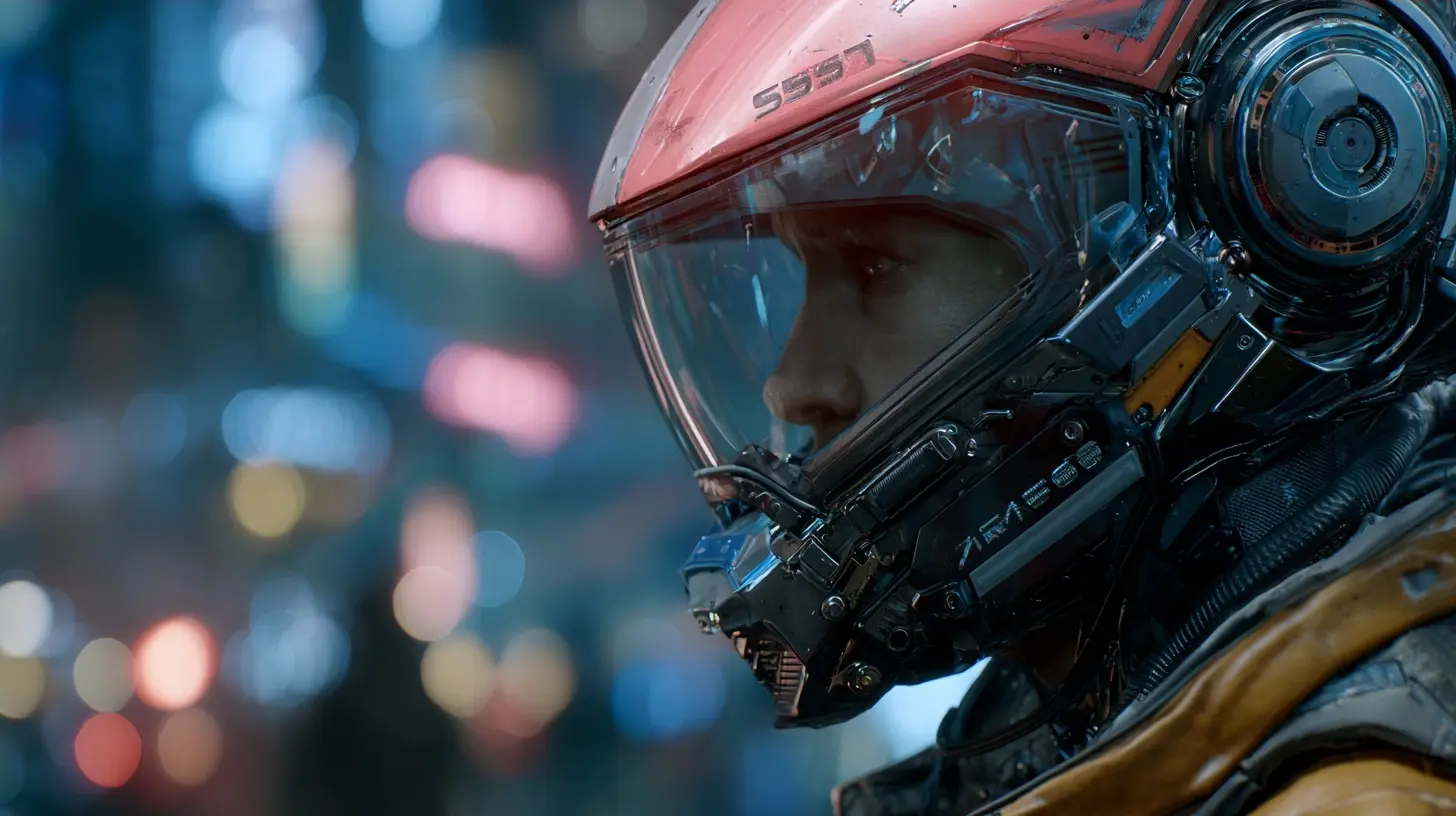
2. A Long Awaited Space Sim Revival
Space sims have a strange relationship with their audiences. The fans are among the most dedicated in gaming, and they are also among the most burned by overpromising. A certain high profile space game launched in a rough state and spent years crawling back to respectability. Another has been in early access for what feels like a geological era.The 2027 project in question comes from a team with a smaller scope and a clearer pitch: a single player focused space sim with handcrafted star systems, meaningful exploration, and no infinite procedural padding. That restraint is the selling point. Procedural generation is a powerful tool, but it produces a specific feeling, and that feeling is often loneliness without purpose. Handcrafted content is expensive, but it produces moments you remember.
What to consider before buying: if you want a game you can play for a thousand hours, this may not be it. If you want twenty to forty hours that feel deliberately designed, this is the one to watch.
3. The Ambitious Indie Roguelike With a Story
Every year, one indie project breaks out of the noise and becomes the game everyone talks about. For 2027, the strongest candidate is a roguelike that pairs the usual run based structure with a persistent narrative that changes based on how you die.This is not a new idea. Games like Hades and its successors have explored similar territory. What sets this project apart is the depth of the branching. The developers have described a system where major story beats can be reached in multiple ways, and where failure states are not just setbacks but alternate paths. That is genuinely difficult to build. Most games that attempt it end up with a story that feels thin because the writers could not keep up with the combinatorial explosion.
The trade off here is clear. If the execution works, you get a game with enormous replay value and genuine emotional stakes. If it does not, you get a roguelike with a lot of text that interrupts the actual gameplay. Watch the first reviews carefully, and pay attention to whether reviewers mention pacing.
4. A Sequel to a Beloved Tactical RPG
Tactical RPGs had a quiet renaissance over the past several years, driven by a handful of studios that understood the genre's core appeal: meaningful decisions with visible consequences. One of those studios has a sequel targeting 2027.The interesting design question here is how the team handles progression. The original game had a tight, linear campaign with limited customization. The sequel is reportedly expanding into a more open structure with faction choices and multiple endings. That expansion is risky. Open structure in a tactics game often means either trivial difficulty scaling or punishing spikes, because the developers cannot predict what order you will do things in.
Best practice for players: if you are new to the genre, wait for community guides before committing. Tactical RPGs reward planning, and going in blind on a complex one can lead to a frustrating first few hours.
5. The Open World RPG That Has Been Silent for Years
You know the one. The studio announced it with a teaser, went quiet, and has been periodically rumored to be in development hell. As of now, credible reports suggest the project is real, the scope has been reduced from its original vision, and 2027 is the target.This is a case where the reduction in scope is probably good news. A smaller, denser world with fewer systems that actually work beats a sprawling map full of half finished mechanics. The comparison here is instructive. Some of the most beloved open world games of the past decade are not the biggest ones. They are the ones where every location has a reason to exist.
What readers should consider: do not preorder this one. Wait for the first wave of technical reviews. Open world games built on rebuilt engines have a history of launch problems, and there is no reason to believe this one will be an exception until proven otherwise.
6. A Multiplayer Shooter With a Genuinely New Idea
The shooter market is overcrowded, and most new entries fail because they are slightly worse versions of something that already exists. The 2027 project worth watching is one that has built its entire design around a single mechanical twist that changes how matches play out.Without confirming details that are not public, the general idea is that the environment itself is a resource players compete over in a way that has not been done before. That kind of central mechanic is what separates games that survive for a decade from games that shut down servers within eighteen months.
Trade off to understand: innovative shooters often have small player bases at launch, which makes matchmaking slow. If you are the kind of player who needs instant queues, wait a few months for the population to stabilize. If you enjoy being early to something new, this is a reasonable bet.
7. The Simulation Game for People Who Hate Simulations
Simulation games have a reputation problem. They are associated with spreadsheets, obscure controls, and audiences that already know the subject matter. One 2027 release is explicitly designed to break that pattern by building a simulation around a topic that is broadly appealing and by treating onboarding as a first class design problem rather than an afterthought.This matters more than it sounds. Most simulation games fail not because their systems are bad but because players never get far enough to see the systems. Good tutorials are expensive to build and easy to cut. If this studio delivers on its promises, it could expand the genre's audience significantly.
What to watch for: whether the game respects your time. A simulation that takes twenty hours to become interesting is a simulation that most people will never finish.
8. A Horror Game From a Director With a Track Record
Horror is the genre where a single creative vision matters most. A great horror game is not a collection of mechanics. It is a controlled experience with pacing, restraint, and an understanding of what to leave unseen. One director with a strong track record has a new project targeting 2027, and it is reportedly a departure from their previous work.The key consideration for horror fans: whether the game relies on jump scares or sustained dread. Both can work, but they appeal to different players. If you prefer tension that builds over time, pay attention to how the marketing presents the game. Trailers that show nothing are often a better sign than trailers that show everything.
9. The Strategy Game That Reinvents a Classic Formula
There is a difference between a remake and a reimagining. A remake updates visuals and quality of life features. A reimagining asks what the original was trying to do and rebuilds from first principles. The 2027 project in this category falls into the second camp.This is the riskiest entry on the list. Reimaginings often alienate the original audience while failing to attract a new one. But when they work, they set the standard for years. The studio involved has a history of careful iteration, which is a good sign.
Practical advice: if you loved the original, go in expecting something different. If you have never played it, this might be the better entry point.
10. The Wildcard
Every year has one. A game that no one is talking about in January that becomes the conversation by December. Based on current signals, the most likely candidate is a mid budget RPG from a European studio with a strong writing team and a focus on player choice that actually matters.The reason wildcards exist is that the industry's marketing machinery is bad at recognizing quality until it is already visible. If you want to find the wildcard early, follow the writers, not the publishers. Writing quality is the hardest thing to fake and the easiest thing to recognize once you see it.
How to Approach 2027 Without Getting Burned
A few practical principles based on how the industry actually behaves.Do not preorder based on trailers. Trailers are marketing, not gameplay. Wait for hands on impressions from people who are not being paid to be positive.
Pay attention to who is developing, not just who is publishing. Publishers fund games. Developers make them. The track record that matters is the one in the credits.
Watch for scope reductions. A game that quietly shrinks its ambitions is usually a game that is being saved. A game that keeps expanding is usually a game that is in trouble.
Consider your subscription. If you already pay for a service that includes day one releases, some of these games cost you nothing extra. That changes the value calculation significantly.
Final Thoughts
2027 is not guaranteed to be a great year for PC gaming. Nothing is guaranteed. But the conditions are in place for it to be a significant one, and the ten projects above represent the most credible bets currently on the table. Treat this list as a starting point for your own research rather than a shopping list. The best game of 2027 might not be on it at all. That is the nature of an industry that is still, despite everything, capable of surprise.
all images in this post were generated using AI tools
Category:
Pc GamingAuthor:

Kira Sanders