Greener Gaming: How the Industry is Reducing its Environmental Impact
24 May 2026
Let’s be real for a second. When we think about gaming, environmental impact isn’t exactly the first thing that pops into our heads. We’re usually focused on the latest graphics, the smooth gameplay, or whether or not we’ll finally beat that stubborn level. But here’s the thing—gaming, just like any other industry, leaves a carbon footprint. From the energy-hungry consoles to the endless stream of plastic packaging, the gaming industry has its fair share of environmental baggage.
But, times are changing. The gaming industry is waking up to the fact that it can’t just focus on delivering immersive experiences while ignoring the planet's well-being. And honestly? It’s about time. In this article, we’ll dive deep into how the gaming industry is reducing its environmental impact, and believe me, some of these changes are pretty impressive.

The Carbon Footprint of Gaming: A Quick Reality Check
Let’s kick things off with a bit of context. Gaming, at its core, is a tech-heavy industry. You’ve got consoles, gaming PCs, servers, and data centers—each one of them guzzling energy like it’s going out of style. According to some estimates, gaming contributes to over 34 terawatt-hours of electricity usage annually. That’s equivalent to the electricity consumption of several small countries combined. Yikes, right?Then, there's the hardware production. The process of manufacturing gaming consoles and PCs involves mining for rare minerals, which not only disrupts ecosystems but also releases harmful emissions. And let's not forget the plastic. From the controllers to the packaging, plastic is everywhere in the gaming world.
So, how does the industry begin to tackle all this? Let’s jump into the greener initiatives that are starting to make a difference.

Energy-Efficient Hardware: More Power, Less Waste
One of the most noticeable shifts in the gaming industry has been the push towards energy-efficient hardware. Modern gaming consoles and PCs are now designed with energy consumption in mind. Take the PlayStation 5 and Xbox Series X, for example. These next-gen consoles come with low-power modes that help reduce energy usage when they’re on standby. It might seem like a small change, but when you consider the millions of consoles sitting idle around the world, it adds up.PC gamers aren’t left out, either. Manufacturers of gaming PCs are focusing on creating components that are more energy-efficient, such as GPUs and CPUs that deliver high performance without draining as much power. Plus, some gaming laptops now offer eco-modes that allow users to balance performance and energy consumption depending on their needs.
And let's not forget about cloud gaming. Services like Google Stadia and NVIDIA GeForce Now are starting to gain traction, offering gamers the ability to stream games rather than relying on energy-hogging hardware. While cloud gaming still has its environmental challenges (which we’ll touch on in a bit), it does have the potential to reduce the need for every gamer to own a power-hungry machine.
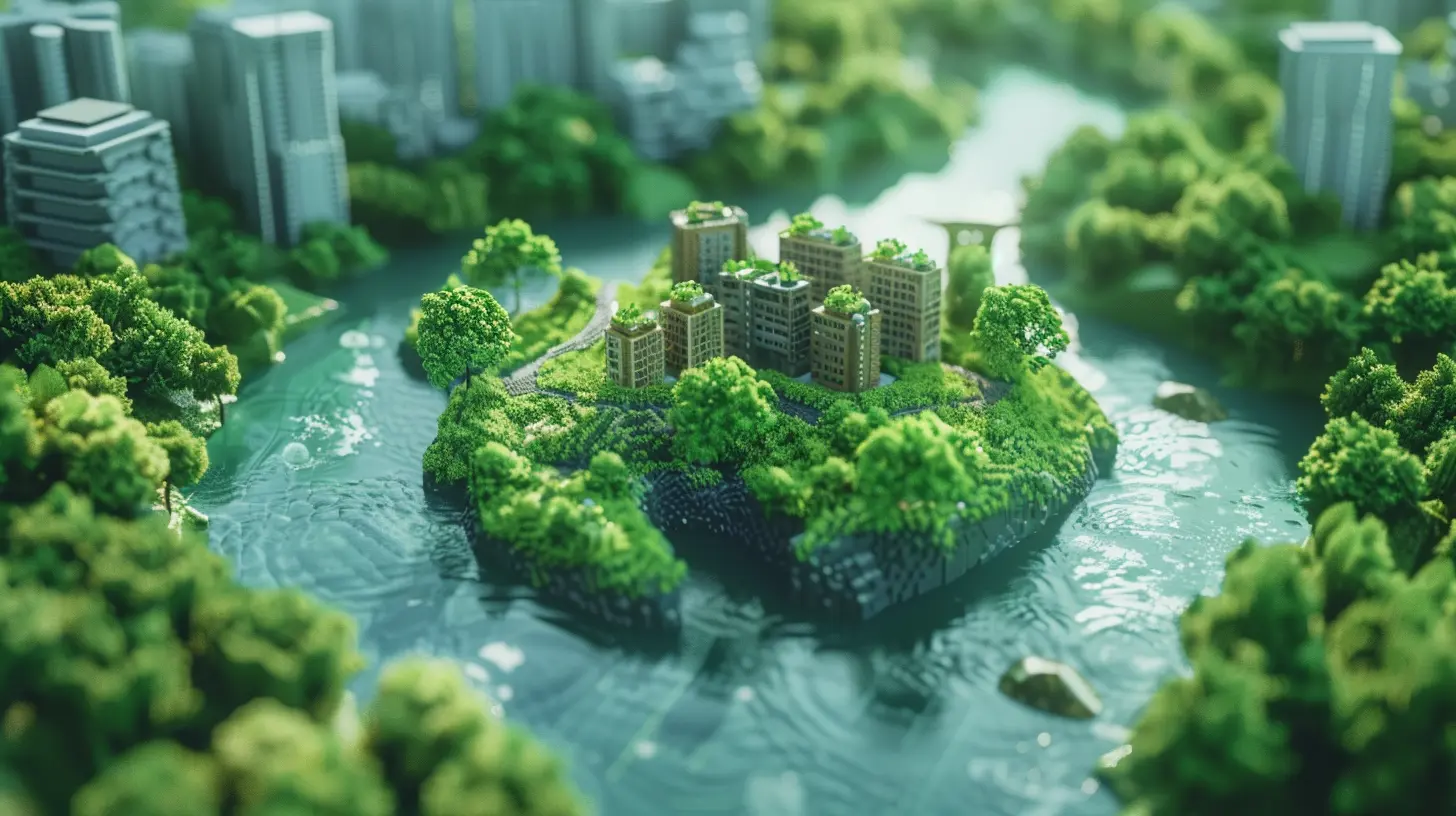
The Rise of Cloud Gaming: A Double-Edged Sword?
Cloud gaming is often hailed as the future of the industry. Instead of downloading massive games or installing them on physical hardware, players can stream games directly from remote servers. Sounds green, right? In some ways, it is. Players don’t need to buy new consoles or high-end PCs, which reduces the demand for materials and energy-intensive manufacturing processes.But here’s the flip side. Streaming games from the cloud requires data centers—huge facilities that run on an insane amount of electricity. These data centers need to be cooled 24/7, consuming a tremendous amount of energy in the process. So, while cloud gaming might reduce the environmental impact on the consumer side, the backend infrastructure still needs serious work if it’s to become a genuinely eco-friendly option.
That said, companies are aware of this challenge, and some are taking steps to green up their data centers. For instance, Microsoft’s Azure and Google Cloud are increasingly powered by renewable energy, which is a step in the right direction. As more companies adopt these practices, cloud gaming could become a much more sustainable option in the near future.

Digital Downloads: A Win for the Planet?
Remember the days when you’d head to the store to buy a physical copy of a game? You’d get a shiny new disk wrapped in layers of plastic, housed in a plastic case, all inside a plastic bag. Yeah, that wasn’t great for the planet.Luckily, those days are slowly fading away. The rise of digital downloads has been a major win for reducing gaming’s environmental impact. By downloading games directly to your console or PC, you’re cutting out the need for physical media, which means less plastic waste and fewer emissions from shipping.
But before we pat ourselves on the back, there’s something to consider. Digital downloads aren’t entirely free of environmental costs. The storage and transmission of data require energy, and as games become larger (we’re talking 100GB+ downloads), the energy required to download these titles grows too.
Still, when comparing the two, digital downloads generally come out ahead in terms of environmental impact. It’s one of those "pick your battles" situations—while it’s not a perfect solution, it’s definitely a step in the right direction.
Recycling and E-Waste: The Elephant in the Room
Alright, let’s talk about the elephant in the room: e-waste. Gamers love their tech, but tech doesn’t last forever. Every year, millions of tons of electronic waste (e-waste) are generated, and a significant chunk of that comes from old gaming consoles, PCs, and accessories.The good news? The gaming industry is starting to take recycling more seriously. Sony, Microsoft, and Nintendo have all launched programs to recycle old consoles. Additionally, many retailers offer trade-in programs where gamers can exchange their old tech for store credit, encouraging people to recycle their devices instead of tossing them in the trash.
We’re also seeing a push for modular designs in gaming hardware. Imagine being able to swap out a component in your console or PC rather than having to replace the entire system. This would not only extend the lifespan of devices but also reduce the amount of e-waste generated. It’s not a widespread practice yet, but it’s certainly a promising direction.
Green Gaming Studios: Leading the Charge
It’s not just hardware manufacturers that are stepping up their eco-game—gaming studios are getting in on the action too. Some developers are embedding environmental messages directly into their games, raising awareness about climate change and sustainability among players.For example, the game Alba: A Wildlife Adventure by ustwo games encourages players to take care of the environment by rescuing animals and cleaning up trash. Meanwhile, Minecraft launched its "Coral Crafters" initiative to raise awareness about coral reef restoration, even planting real coral reefs as part of the campaign.
Behind the scenes, game development studios are also working to reduce their carbon footprint. Some are transitioning to remote work to cut down on commuting emissions, while others are ensuring their offices use renewable energy sources. This shift toward more sustainable practices is a great example of how businesses can align their values with the games they create.
Sustainable Packaging: Less Plastic, More Planet-Friendly Materials
While digital downloads are on the rise, physical games aren’t going away anytime soon. That’s why sustainable packaging is a big deal. Gaming companies are experimenting with eco-friendlier packaging materials, such as recycled cardboard instead of plastic cases.Microsoft, for instance, has committed to making all Xbox product packaging 100% recyclable by 2030. While that might seem like a long way off, it’s a step toward significantly reducing the amount of plastic waste generated by the gaming industry.
Gamers Taking Action: How You Can Help
The responsibility to go green doesn’t just fall on game developers and console manufacturers; gamers can make a difference too. Here are a few simple ways you can reduce your gaming-related environmental impact:1. Use Energy-Saving Modes: Make sure your console or PC is set to energy-saving mode when not in use. Those low-power modes can make a big difference over time.
2. Recycle Your Old Tech: Instead of tossing your old console or gaming accessories into the trash, recycle them. Many retailers and manufacturers offer recycling programs.
3. Buy Digital: When possible, opt for digital downloads instead of physical copies to reduce plastic waste.
4. Support Green Studios: Keep an eye out for game developers and publishers that are committed to eco-friendly practices, and show them your support.
The Future of Greener Gaming
The gaming industry still has a long way to go in terms of fully embracing sustainability, but the good news is that progress is being made. From energy-efficient consoles to cloud gaming and sustainable packaging, the industry is beginning to acknowledge its environmental responsibilities. And as more gamers become aware of these issues, there’s hope that gaming can continue to evolve in a way that’s not just fun, but also planet-friendly.The future of gaming doesn’t have to come at the expense of the environment. As long as we keep pushing for greener solutions—both as an industry and as individual gamers—the world of interactive entertainment can play its part in securing a more sustainable future. So, the next time you boot up your console, remember: you’re not just playing a game—you’re part of a movement.
all images in this post were generated using AI tools
Category:
Sustainable TechAuthor:

Kira Sanders
Discussion
rate this article
2 comments
Storm Mullen
It's inspiring to see the gaming industry taking steps to go green. Every effort, big or small, makes a difference. By embracing sustainable practices, we can enjoy our favorite games while protecting the planet for future generations. Let's keep pushing for innovation and sustainability together. The future looks bright!
July 7, 2026 at 3:32 AM
Kira Sanders
Thanks for sharing your thoughts! It's encouraging to see enthusiasm for sustainability in gaming. Every step forward indeed counts, and together, we can make a lasting impact.
Riff Wallace
Finally, a reason to feel less guilty about my gaming hours-saving the planet while I play!
May 30, 2026 at 12:11 PM
Kira Sanders
Absolutely! Gaming can contribute to sustainability, making those hours not just fun, but impactful too. Enjoy guilt-free gaming!