The Role of Touchscreen Technology in Autonomous Vehicles
27 December 2025
Ah, the brave new world of self-driving cars—where the steering wheel is optional, the driver is unemployed, and your ride talks to you with more confidence than your GPS ever did (and probably with fewer wrong turns, too). But let’s shine the spotlight not on the AI wizard behind the curtain, but on the unsung hero of this futuristic automotive circus: the good ol’ touchscreen. Yes, the same glorified smudge collector you yell at when Spotify won’t load.
In this delightful dive into tech, we’ll peel back the layers of touchscreen technology and its jaw-dropping, sometimes eyebrow-raising role in autonomous vehicles. Buckle up—or, you know, just tell the car to buckle you up.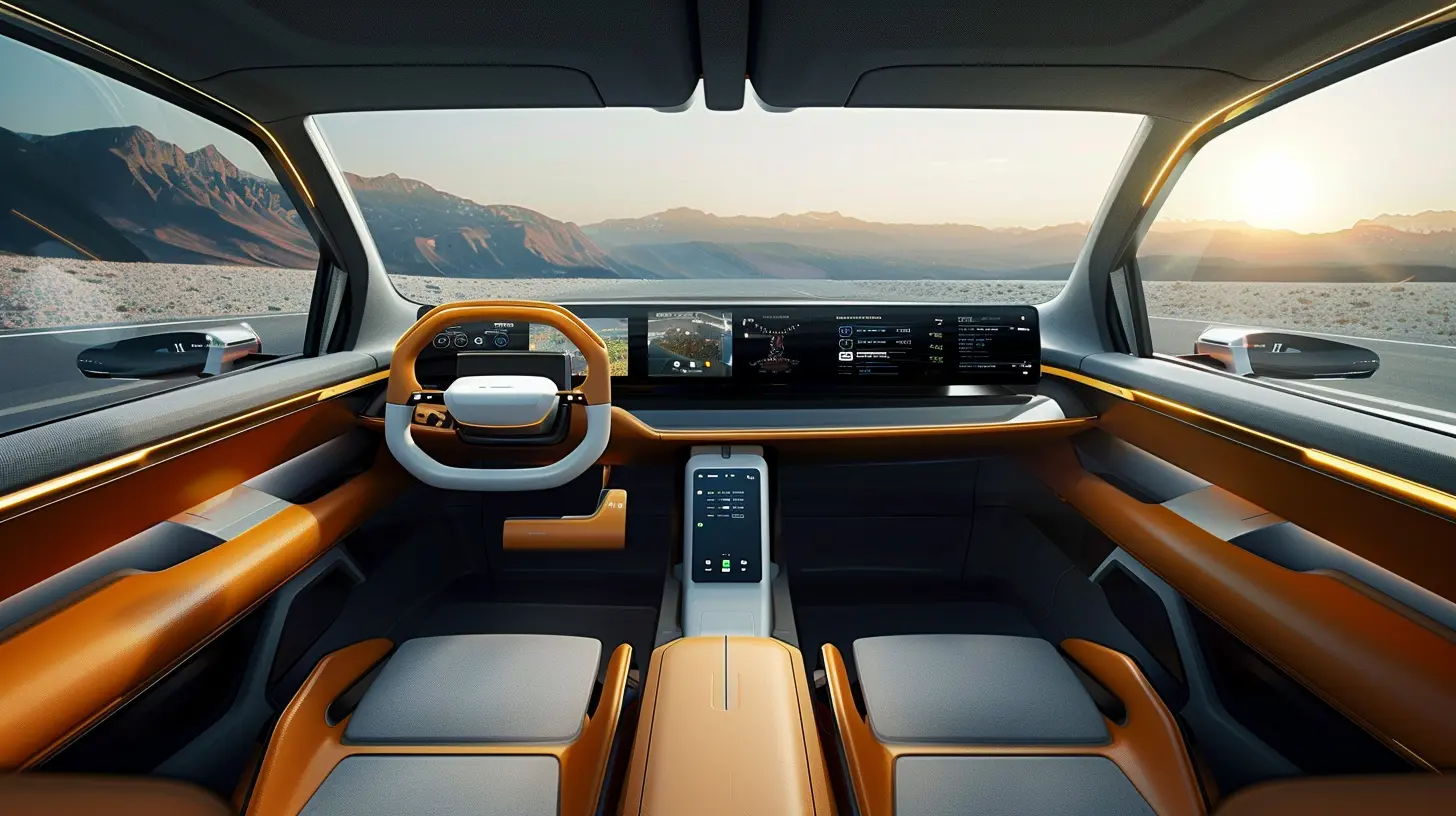
Touchscreens in Cars? Old News, Right?
Let’s face it, touchscreens in vehicles aren’t exactly a groundbreaking revelation. They’ve been around long enough for us to have seen them evolve from laggy, unresponsive squares of frustration to sleek, overachieving panels that practically run the entire car.But here comes the plot twist: autonomous vehicles aren't your regular cars. Nope. These are the Elon-Musks-of-the-road, and touchscreens take on a whole new meaning when your car is essentially a robot with wheels. In the realm of self-driving cars, the role of touchscreens shifts from “just one of many controls” to “mission control central meets digital butler.”
When You’re Not Driving, What Are You Doing?
With autonomous vehicles, the one thing you don’t need to do is drive. So, what next? Read a book? Watch a movie? Scroll through memes? (Let’s be honest, it’s mostly memes.)Enter the touchscreen.
These shiny panels become your primary interface with a vehicle that no longer needs your help to steer, accelerate, or yell at tailgaters. It’s like having a tablet embedded in your car’s dashboard—but this one controls the climate, plays Netflix, shows route updates, and sometimes even lets you pick between “Chill” and “Aggressive” driving mode (Yes, that’s a thing. Thanks, Tesla.)
Touchscreens aren’t just a convenience; they’re a necessity in a world where the vehicle takes the wheel, literally.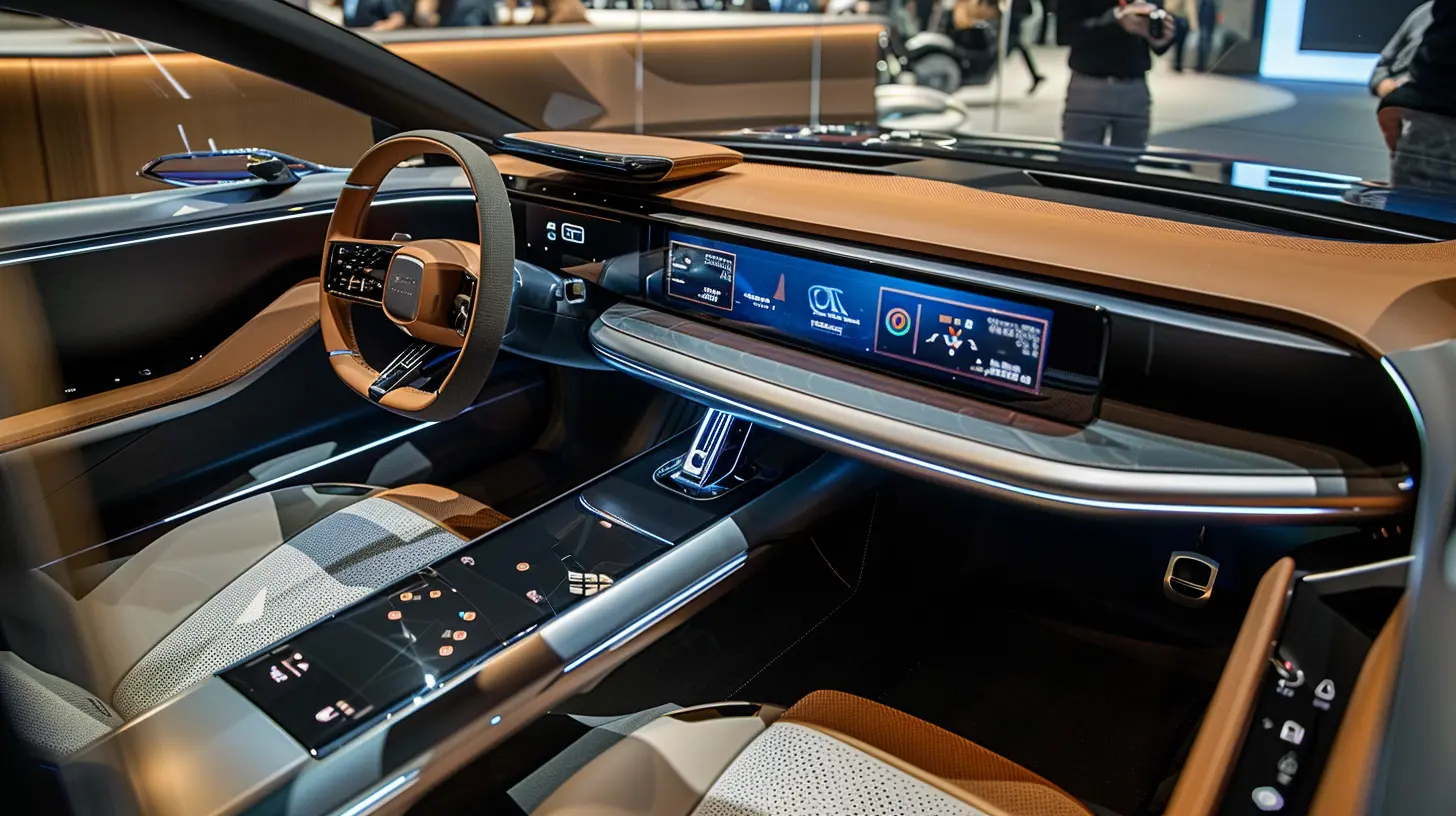
The Command Center of the Future
In autonomous vehicles, a touchscreen isn’t just about entertainment—it’s the brain-to-brain interface between you and your AI chauffeur. Consider it the Star Trek control panel for your personal shuttle pod.Imagine this: no knobs, no buttons, no "Which one of these drives me to work?" The touchscreen is your dashboard, cockpit, and concierge all rolled into one. Want to change your destination mid-trip? Tap. Adjust the lighting inside the car because mood matters? Swipe. Check what your car's sensors are detecting because you're a control freak (no shame)? Tap-tap-boom—there’s your live feed.
In essence, the touchscreen becomes your conversation starter with a vehicle that no longer needs your driving license to function.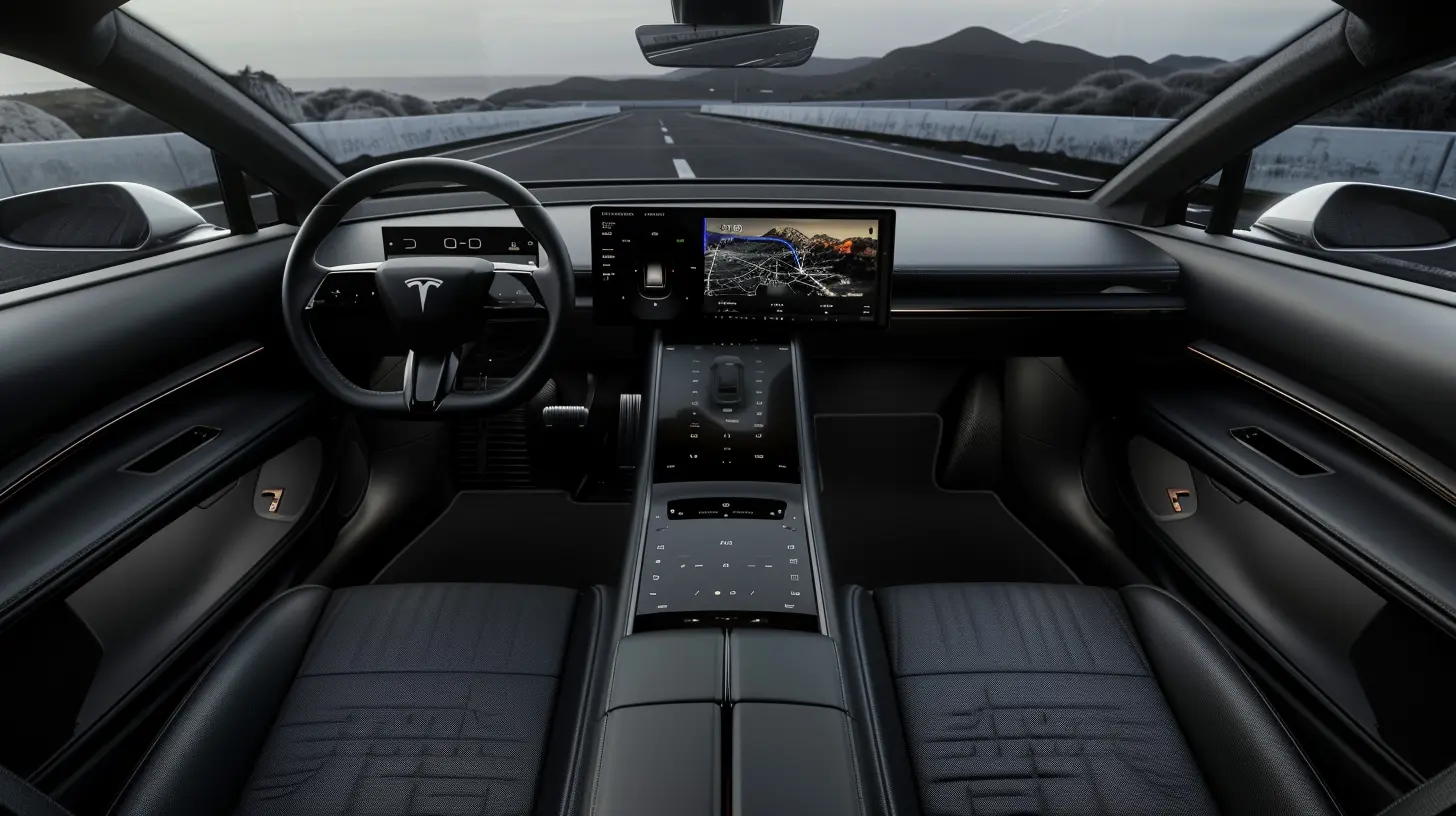
Safety Schmafety? Not Quite.
"But aren't touchscreens distracting?" Ah, the age-old argument. And to be honest, yes—they used to be. But here’s the twist in the self-driving narrative: you’re not driving anymore. So, technically, you're not being distracted from anything… unless your Tesla is trying to reenact Fast & Furious without permission.Touchscreens in autonomous vehicles actually enhance safety in more ways than one. Let’s break it down:
- Simplified UI: No more fiddly knobs. Everything you need is front and center.
- Real-time feedback: See what your car is seeing—pedestrians, traffic signs, speed limits.
- Emergency controls: Still got a “go full manual” button for those just-in-case moments.
- Less Driver Fatigue: You’re just a passenger now, remember? Chill.
So yes, while earlier touchscreens made you take your eyes off the road, autonomous vehicles flipped the narrative. Now, the screen is the road—or at least, your lens into what your AI driver is up to.
HMI—Don’t Worry, It’s Jargon, But We’ll Explain
HMI stands for Human-Machine Interface. Sounds fancy, huh? What it really means is: how you, the overly caffeinated human, interact with a machine that may or may not have better decision-making skills than you do.In the world of autonomous vehicles, HMI is everything. Why? Because the car doesn’t need you—but you still want to know what it's doing and why. Maybe it’s slowing down. Maybe it's avoiding a squirrel. Maybe it's just being dramatic. Whatever the case, the touchscreen is your translator.
We’re talking gesture controls, voice commands, adaptive layouts, and even haptic feedback. It’s not just a screen—it’s a full-blown communication hub with AI sass.
Why Voice Alone Doesn’t Cut It
Sure, voice recognition is cool and all. “Hey Car, take me to Taco Bell.” But let's be real—voice alone can be a hot mess.- Accents? Good luck.
- Background noise? Nope.
- Sarcasm? Definitely not.
Touchscreens step in to save the day. They provide visual confirmation, control precision, and they're always available—even when your voice ends up in an argument with Siri 3.0 Beta.
Besides, do you really trust voice recognition to handle your air conditioning preferences during a heatwave? Didn’t think so.
Personalization: Because You’re the Main Character
Touchscreens in autonomous vehicles bring one sweet perk to the table—personalization. These aren’t one-size-fits-all experiences. They remember your settings, playlists, seat positions, light preferences, and even what temperature you like your air at when you're feeling grumpy.Heck, some touchscreens in autonomous cars adjust UI layouts based on who's in the car. It’s like Tinder, but for interface design. Swipe right if you like easy menus. Swipe left if you're feeling minimalist.
You get to be the diva. Finally.
The Giant Tablet Trend: Bigger Is Better?
Remember when we used to freak out over 5-inch screens on smartphones? Now your car has a 17-inch or larger touchscreen and it’s somehow not overkill?Well, in autonomous vehicles, bigger might actually be better. With passengers no longer focusing on the road, they have the time and freedom to engage more deeply with on-screen content. Whether it's browsing destinations, watching live camera feeds, or playing games (yes, that’s a thing too), large-format touchscreens open up new dimensions of in-car entertainment and control.
Also, let’s be honest: it feels cool. Like cinema-on-wheels cool.
The Good, The Bad, and The Fingerprints
Alright, fine. Touchscreens aren’t perfect. Let’s call out the elephants in the car:- Fingerprints: Always there. Always judging you.
- Glare: Daylight? Welcome to the squint-fest.
- Complex Menus: Sometimes simple tasks become treasure hunts.
But tech companies aren’t oblivious. Touchscreen tech is evolving fast, with anti-glare coatings, fingerprint-resistant glass, and AI that learns your most common actions to simplify navigation. We’re not quite at "mind-control-interface" yet, but give it time.
Future Touchscreen Tech: Minority Report, Anyone?
The future’s looking touchy—literally. And if current trends continue, we’re in for:- Holographic interfaces: Why tap when you can swipe through thin air?
- Augmented reality windshields: Your whole windshield could become one massive touchscreen. Terrifying? A little. Cool? Absolutely.
- AI-driven feedback: The touchscreen already knows what you want. Creepy? Maybe. Convenient? 100%.
Touchscreens are not just staying—they’re taking over. And if you’re not ready to embrace it, your next car might just leave you behind. Figuratively. Hopefully.
So, Are Touchscreens in Autonomous Cars a Big Deal? Uh, Yeah.
To wrap this up with a nice digital bow: touchscreens in autonomous vehicles are the glue that binds humans to machines. They’re the control panel, the entertainment hub, the safety dashboard, the personality dashboard, and your connection to a car that has more brains than you (at least when it comes to driving).In this era of "Look Ma, no hands!", the touchscreen is your only real tool to stay connected and in control—without actually doing anything. How delightfully ironic.
So next time someone grumbles about how cars today are just iPads on wheels, nod your head and say, "Exactly. And it’s glorious.
all images in this post were generated using AI tools
Category:
Touchscreen DevicesAuthor:

Kira Sanders
Discussion
rate this article
2 comments
Kassandra Barnes
Touchscreen technology in autonomous vehicles enhances user interaction and control, bridging the gap between complex automation and user experience, ultimately fostering trust and ease in driving.
January 13, 2026 at 5:44 AM
Kira Sanders
Thank you for your insightful comment! Touchscreen technology indeed plays a vital role in enhancing user interaction and trust in autonomous vehicles.
Renee McFadden
This article insightfully highlights the critical role of touchscreen technology in enhancing user experience in autonomous vehicles. However, it prompts reflection on balancing intuitive design with safety, ensuring that these interfaces do not distract drivers during transitional phases. A vital discussion!
December 28, 2025 at 5:40 AM
Kira Sanders
Thank you for your thoughtful comment! I completely agree that while touchscreen technology enhances user experience, prioritizing safety and minimizing distractions during transitional phases is essential. Your insights contribute greatly to this important discussion!