Smart Home Gadgets That Prioritize Your Privacy in 2027
5 October 2026
The smart home has a trust problem, and by 2027 that problem has become impossible to ignore. Your doorbell knows when you leave. Your speaker hears your arguments. Your robot vacuum maps the inside of your house with the kind of precision that used to require a surveyor. Most of these devices send that data somewhere, and "somewhere" is rarely a place you control.
That is the backdrop for this article. I am not going to pretend the market has solved privacy. It has not. But the devices worth buying in 2027 are different from the ones that dominated the previous decade. The shift is real, and it comes from three forces: regulation with actual teeth, a supply chain that finally treats local processing as a selling point, and buyers who got tired of trading their floor plans for the convenience of turning off a lamp with their voice.
What follows is a practical guide. It covers how to judge a device before you buy it, which categories have genuinely improved, where the trade-offs still hurt, and the mistakes people make when they assume "privacy focused" means "private."
What "Privacy First" Actually Means in 2027
The phrase gets used loosely, so let us define it in a way you can test.A privacy-first smart home device does four things:
1. It processes sensitive data on the device itself, or on a hub inside your home, rather than shipping raw audio, video, or sensor streams to a vendor cloud.
2. It gives you a clear way to verify that behavior, not just a marketing page claiming it.
3. It works without an account, or with an account that is optional rather than mandatory.
4. It does not depend on a permanent internet connection to perform its core function.
Most devices fail at least one of these. That is fine. The point is to know which ones fail and whether the failure matters for your situation.
A camera that streams video to the cloud but encrypts it end to end and lets you hold the key is meaningfully different from a camera that uploads clips in the clear and stores them indefinitely. Both "use the cloud." Only one gives you control.
The Three Data Paths You Should Care About
Every smart device moves data along some combination of these paths:- Device to cloud. The classic model. Cheap to build, easy to update, and the source of most privacy headaches.
- Device to local hub. The hub sits in your home. It may still phone home for updates, but the raw data stays inside your walls.
- Device to device. Matter and Thread made this more common, though direct peer communication is still limited.
When you evaluate a gadget, ask which path the sensitive data takes. Motion events are low risk. Video, audio, and presence patterns are high risk. A smart bulb reporting that it is on is not the same as a camera reporting who walked past it.
Why 2027 Is Different
Three things changed.First, several jurisdictions now require that connected devices disclose what they collect and give users a deletion mechanism that works within a defined window. Enforcement is uneven, but the cost of ignoring it has risen enough that vendors design for it rather than patch around it.
Second, local compute got cheap. Running speech recognition, person detection, and anomaly detection on a low-power chip the size of a fingernail is now a commodity capability. Five years ago this required a small server. Today it fits in a doorbell.
Third, the Matter standard matured. Matter is not a privacy standard. It is an interoperability standard. But by making devices work across ecosystems, it weakened the lock-in that used to force you into one vendor's cloud. When your camera can talk to a hub from a different company, you have leverage.
None of this means the problem is solved. It means the good options are no longer exotic.
Categories That Have Genuinely Improved
Cameras and Doorbells
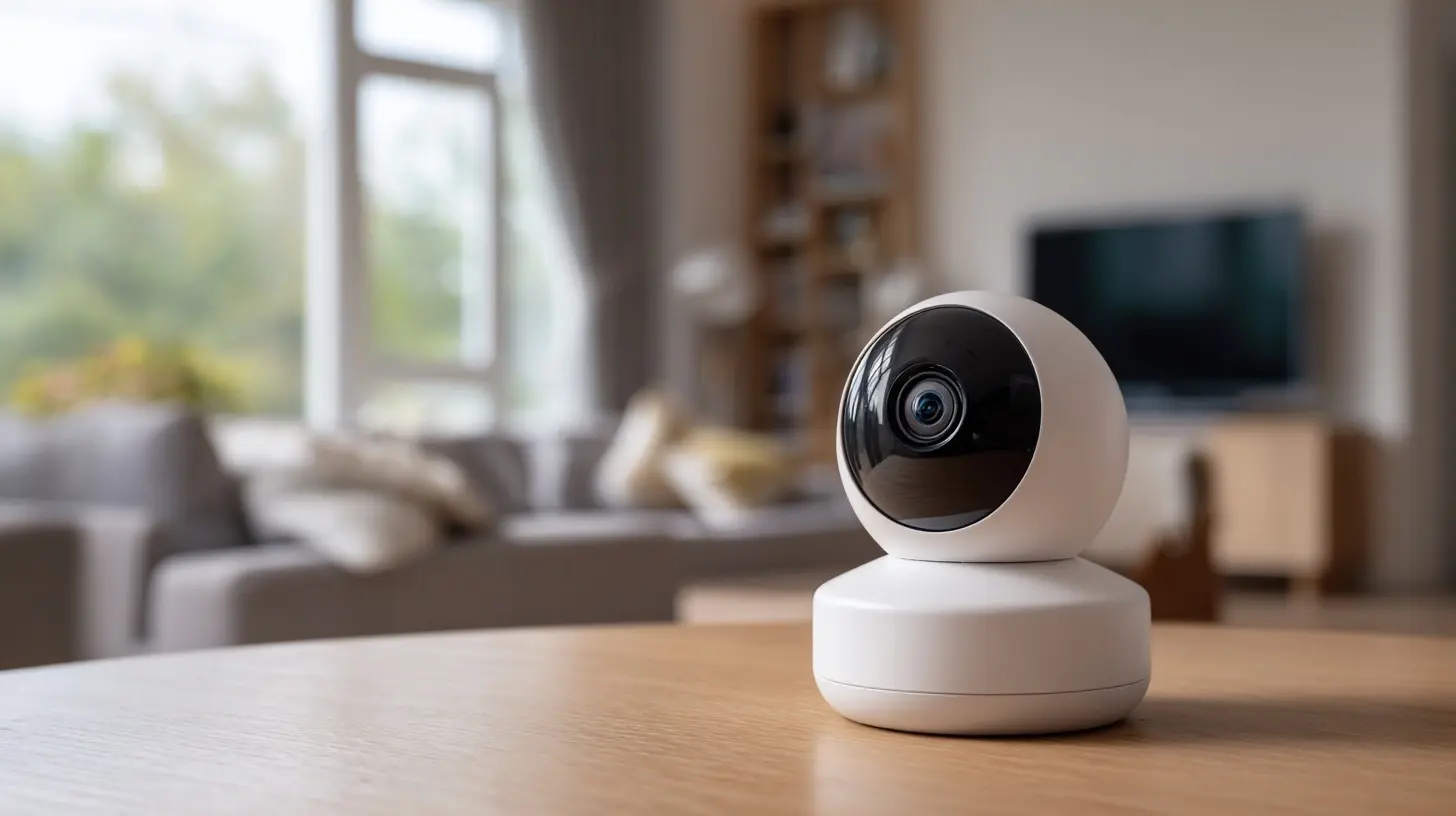
This is where the change is most visible. The best cameras in 2027 do person and package detection on the device. They store footage on local storage, either a microSD card or a base station with a drive. Cloud storage exists as an optional add-on, not the default.The practical benefit is not just privacy. It is reliability. A camera that records locally keeps working when your internet drops. It also keeps working when the vendor decides to change its subscription terms, which has happened to enough people that it should factor into your decision.
What to look for:
- On-device detection for people, packages, and vehicles.
- Local storage that you can physically remove.
- A setting to disable cloud upload entirely, not just pause it.
- End-to-end encryption if cloud storage is used, with keys you manage.
What to be skeptical of:
- "AI powered" without saying where the AI runs. If it is not on the device, it is in a data center.
- Free cloud storage tiers. Someone is paying for that storage, and it is usually your data.
- Cameras that require an account before they will show you a live feed.
A common mistake is buying a privacy-branded camera and then enabling every cloud feature because the local app is clunky. The privacy is only as good as your configuration.
Smart Speakers and Voice Assistants
Voice is the hardest category, because the useful part of a voice assistant is the part that interprets what you said, and interpretation has historically happened in the cloud.2027 has a real answer here: hybrid processing. Wake word detection and basic commands like timers, lights, and music playback run on the device. Complex queries still go to the cloud, but you can often turn that off and accept a dumber assistant.
That trade-off is the whole story. A speaker that never sends audio off-device is a speaker that cannot answer trivia, check your calendar from a third party, or order anything. For many people, that is a fine trade. For others, it defeats the purpose.
Questions to ask before buying:
- Can I disable the cloud entirely and still use the device?
- Is there a physical microphone mute switch, and does it cut power to the mic rather than just muting software?
- Does the device keep a recording history, and can I delete it without an account?
- Does the vendor publish an independent audit of its voice data handling?
A physical mute switch that only flips a software flag is weaker than one that physically disconnects the microphone. Both exist. The difference matters if you care about the threat model where the device is compromised.
Robot Vacuums
Robot vacuums are underrated as a privacy risk. They build a map of your home. That map includes room dimensions, furniture placement, and sometimes camera imagery from navigation sensors.The improvement in 2027 is that more models store maps locally and offer a mode that never uploads them. Some go further and let you disable the camera entirely, accepting worse navigation in exchange for no imagery leaving the device.
The honest trade-off: cloud-stored maps enable features like multi-floor support, room-specific cleaning schedules, and remote control from outside the home. Local-only mode usually means you lose remote access. If you mostly run the vacuum on a schedule while you are home, local-only costs you very little.
Smart Locks and Entry Sensors
Locks are a different kind of risk. A compromised camera leaks video. A compromised lock lets someone in.The good news is that the best locks in 2027 lean on local protocols. Matter over Thread, Zigbee, and Z-Wave all let the lock talk to a hub in your home without a vendor cloud in the loop. The lock still needs a way to grant remote access, which usually means a cloud component, but the core function of locking and unlocking works offline.
Look for:
- Local protocol support, not just Wi-Fi.
- A keypad or key backup that works without any network.
- Audit logs stored locally.
- Firmware updates that you can apply manually if you prefer.
Avoid locks that require a cloud connection to unlock. That is a single point of failure and a privacy liability at the same time.
Environmental Sensors and Health Monitors
Air quality monitors, sleep trackers, and presence sensors are increasingly common. The privacy calculus here is different because the data is about your body and your home environment, which is exactly the kind of data that is valuable to insurers, advertisers, and data brokers.The better devices in this category store readings locally and let you export them. Some support a local API so you can pull data into your own dashboard without any vendor involvement.
A rule of thumb: if a health-adjacent device requires an account and does not offer a local export, treat it as a data collection product that happens to have a sensor attached.
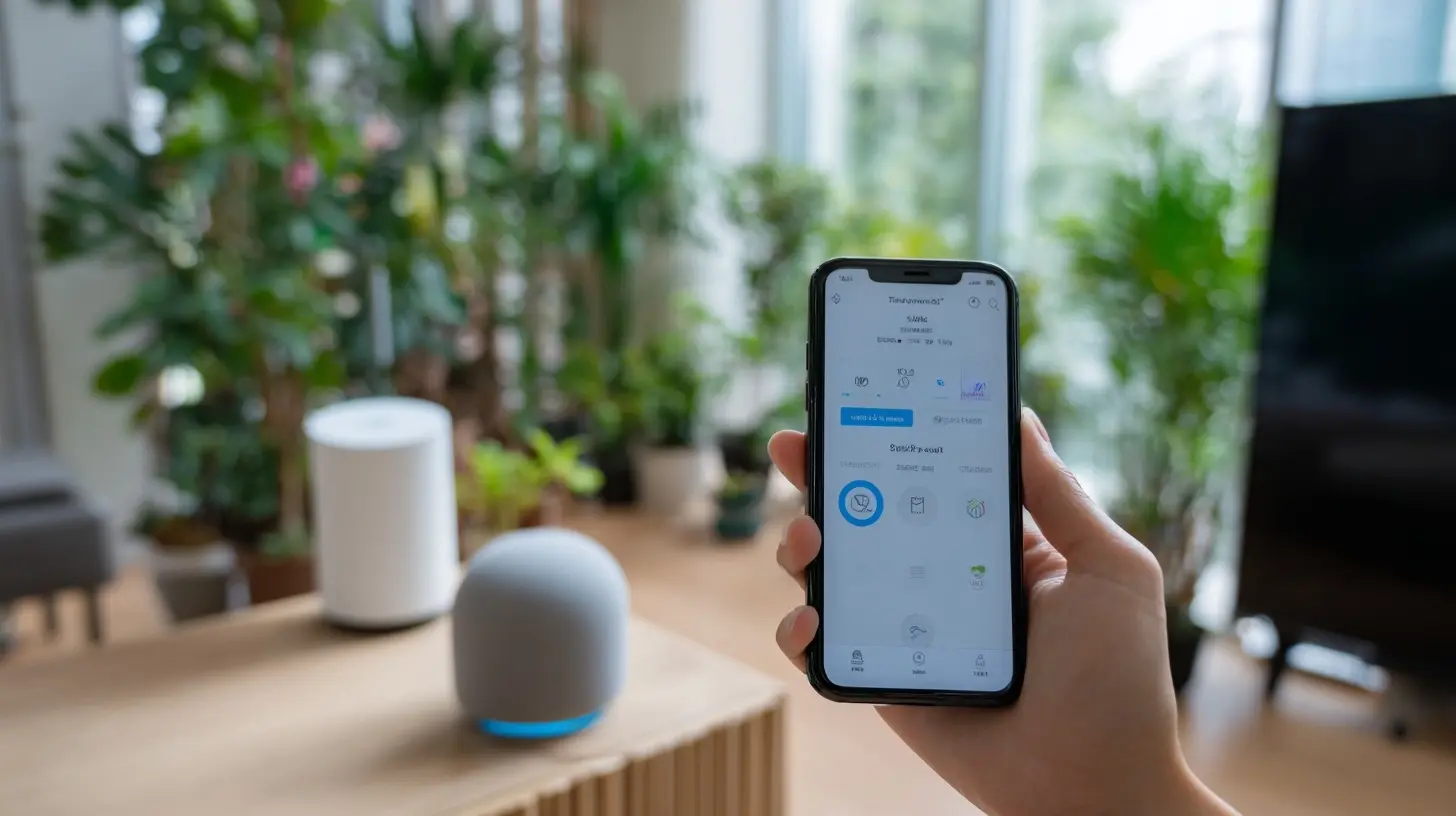
The Hub Question
You cannot talk about privacy in the smart home without talking about hubs. A hub is a small computer in your home that coordinates devices. It can be a dedicated box, a piece of software running on a mini PC, or a feature built into a router.Hubs matter because they let devices stay on a local network. A Zigbee bulb talking to a local hub never needs to touch the internet to turn on. That is a meaningful reduction in attack surface.
The trade-offs:
- Cost. A good hub is another purchase.
- Complexity. You are now maintaining a small server.
- Compatibility. Not every device works with every hub, though Matter has narrowed the gap.
- Updates. You are responsible for applying them, or for choosing a hub that handles it automatically.
For a small apartment with three devices, a hub may be overkill. For a house with thirty devices and a camera system, a hub is close to essential if privacy is a priority.
Common Mistakes and Misconceptions
Mistake 1: Assuming Local Means Private
A device that stores data locally can still upload it later. Local storage is a good sign, not a guarantee. Read the settings. Check whether there is a toggle for cloud sync and whether it is off by default.Mistake 2: Trusting the Word "Encrypted"
Encryption in transit protects data from your internet provider. Encryption at rest protects it from someone who steals the drive. End-to-end encryption protects it from the vendor. These are different things, and marketing copy blurs them constantly.Mistake 3: Ignoring the Account Requirement
If a device will not function without an account, the vendor can link every action to you. That is not automatically bad, but it is a choice you are making. Some vendors now allow a local-only setup where the account is optional. Prefer those when the feature set is comparable.Mistake 4: Forgetting About Firmware
A privacy-focused device with unpatched firmware is a privacy risk. Check how the vendor delivers updates. Automatic updates are convenient but give the vendor control over what runs on your device. Manual updates give you control but require you to pay attention. There is no universally correct answer, but you should know which model you are in.Mistake 5: Overlooking the Router
Your router sees every device on your network. If you have not changed the default credentials or updated the firmware, the privacy of your smart devices is moot. Segmenting smart devices onto a separate network is one of the highest-value, lowest-cost steps you can take.Misconception: Privacy Costs You Features
Sometimes it does. A local-only camera cannot send you a clip while you are on vacation unless you set up remote access yourself. A local-only speaker cannot answer general knowledge questions. But in many categories, the feature gap has shrunk to the point where the privacy option is competitive on its own merits.Misconception: One Brand Will Solve Everything
No single vendor is best at every category. A company that makes excellent local cameras may make mediocre locks. Mixing vendors is normal and, with Matter, increasingly practical. The goal is not brand loyalty. It is picking the right tool for each job.
A Practical Buying Checklist
Before you buy any smart device in 2027, run through this:1. What data does it collect, and which of those categories is sensitive?
2. Where is that data processed, on-device, on a local hub, or in the cloud?
3. Can I use the core features without an account?
4. Does it work without internet for the functions I care about?
5. Is there a physical or verifiable way to disable sensors?
6. How does the vendor handle firmware updates, and can I control them?
7. What happens to my data if the company is sold or shuts down?
8. Is there a local API or export option?
If a device fails three or more of these, it is probably not the right choice for a privacy-conscious setup. If it fails one or two, decide whether the failing points matter for how you will actually use it.
What to Expect Going Forward
The direction of travel is clear. Local processing is getting cheaper, regulation is getting stricter, and buyers are getting more skeptical. The devices that win in the next few years will be the ones that treat privacy as a feature rather than a compliance checkbox.That does not mean every device will be private. Cheap devices will still cut corners, and some categories, voice assistants in particular, will keep a cloud dependency because the cloud is where the useful intelligence lives.
The realistic goal is not a perfectly private smart home. It is a smart home where you know where your data goes, you have chosen which trade-offs to accept, and you can change your mind without replacing every device you own. That is achievable in 2027, and it is a lot better than where things stood a decade ago.
Start with the devices that see and hear the most. Get those right. The rest can follow.
all images in this post were generated using AI tools
Category:
Tech GadgetsAuthor:

Kira Sanders