How Fitness Trackers Help in Tracking and Managing Chronic Conditions
20 December 2025
In today’s world, where technology is seamlessly intertwined with our daily lives, fitness trackers have evolved beyond just counting steps. These nifty little gadgets have transitioned from being a fancy pedometer to becoming a vital tool in health management. They aren’t just for gym-goers or those aiming to shed a few pounds. Fitness trackers are becoming increasingly popular among people with chronic conditions, helping them monitor and manage their health more effectively.
But how exactly do fitness trackers help in managing chronic conditions? Can a piece of wearable tech actually improve your quality of life? In this article, we’re diving deep into the ways fitness trackers are transforming healthcare for individuals dealing with chronic ailments. Let’s break it down!
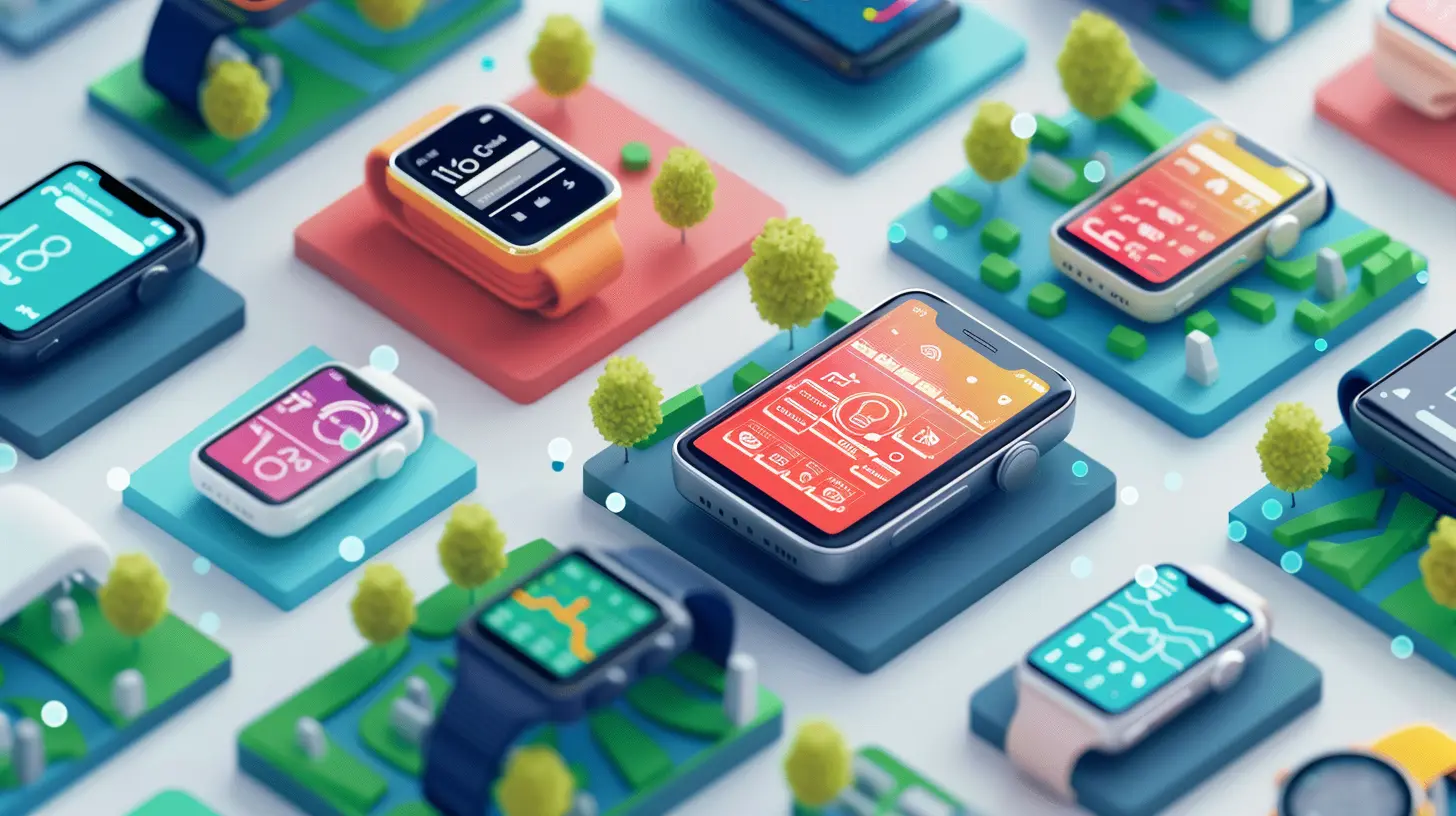
What Are Chronic Conditions?
Before we get into the nitty-gritty of fitness trackers, let’s first clarify what we mean by chronic conditions. Chronic conditions are long-term health issues that require ongoing medical attention and limit daily activities. Some common examples include:- Diabetes
- Hypertension (High Blood Pressure)
- Heart Disease
- Asthma
- Chronic Obstructive Pulmonary Disease (COPD)
- Arthritis
- Sleep Disorders (like Sleep Apnea)
These conditions can be tricky to manage because they often involve constant monitoring and lifestyle adjustments. That’s where fitness trackers come into play.

The Role of Fitness Trackers in Health Monitoring
Fitness trackers are no longer just about keeping tabs on your steps and calories burned. Modern wearables come packed with features that allow individuals to monitor various aspects of their health in real time. Now, let’s explore how fitness trackers specifically help in managing chronic conditions.1. Heart Rate Monitoring: Keeping Your Heart in Check
One of the key features of most fitness trackers is continuous heart rate monitoring. For people dealing with chronic conditions like hypertension or heart disease, keeping an eye on your heart rate is a must. Irregular heart rate or elevated beats per minute (BPM) can be a red flag for potential complications.Fitness trackers can alert users when their heart rate is too high or too low, allowing them to take immediate action. For example, if your heart rate spikes while you’re resting, it might be a sign of stress or a potential cardiac event. With regular data at your fingertips, you can share these insights with your healthcare provider, allowing them to adjust your treatment plan accordingly.
2. Tracking Physical Activity: Encouraging Movement
Chronic conditions, especially those related to cardiovascular health, require regular physical activity to manage symptoms effectively. Fitness trackers are excellent at encouraging individuals to stay active throughout the day. They set daily goals, remind you to move, and provide data on how much exercise you’re getting.For example, someone with arthritis might benefit from low-impact exercises like walking or swimming. Fitness trackers can help them stay motivated, track their progress, and ensure they’re not overdoing it (which could lead to joint pain or injuries).
3. Sleep Tracking: Improving Quality of Rest
Chronic conditions often impact sleep quality. Whether it’s sleep apnea, insomnia due to pain, or the general restlessness that comes with chronic illness, getting enough quality sleep is essential for managing symptoms.Fitness trackers, equipped with sleep tracking capabilities, can provide a detailed breakdown of your sleep patterns—how long you’re sleeping, how much time you spend in each sleep stage (light, deep, REM), and how often you wake up during the night. If your tracker shows frequent disruptions or poor sleep quality, it might be time to consult a healthcare provider or make lifestyle changes to improve your rest.
4. Blood Oxygen Monitoring: A Lifeline for Respiratory Conditions
Many fitness trackers now come equipped with a SpO2 sensor, which measures blood oxygen levels. This feature is extremely beneficial for individuals with respiratory conditions like asthma or COPD. Low oxygen levels can be a sign of worsening symptoms, and catching this early can prevent serious complications.By monitoring blood oxygen levels regularly, you can ensure that your lungs are functioning properly. If the tracker detects unusually low levels, it can prompt you to seek medical attention before things escalate.
5. Glucose Monitoring: A Game-Changer for Diabetics
Some newer fitness trackers are incorporating continuous glucose monitoring (CGM) systems, which are a real game-changer for diabetics. While traditional glucose monitoring requires finger pricking, CGM systems built into fitness trackers allow for ongoing, hassle-free tracking of blood sugar levels.This can be incredibly helpful for people with diabetes, as maintaining stable blood glucose levels is crucial to avoid spikes (hyperglycemia) or drops (hypoglycemia). With real-time alerts, diabetics can take immediate action—whether it’s eating something sugary or taking insulin—allowing them to avoid potentially dangerous situations.
6. Stress and Mental Health Monitoring: A Holistic Approach
Many people with chronic conditions suffer from anxiety, stress, or depression. Mental health plays a significant role in overall well-being, and fitness trackers are taking note. Some devices now come with stress monitoring features that track heart rate variability (HRV) and even prompt users to engage in mindfulness exercises like deep breathing or meditation.For example, if someone with a chronic illness notices their stress levels are consistently high, they can take proactive measures to manage their mental health—whether it’s through meditation, physical activity, or seeking help from a therapist.
7. Customizable Reminders: Staying on Top of Medications and Appointments
Managing a chronic condition often means juggling numerous medications, doctor’s appointments, and lifestyle changes. It can be overwhelming, to say the least! Fitness trackers can help streamline this process with customizable reminders.You can set reminders to take your medication, check your blood pressure, or even schedule a time for daily exercise. These reminders help ensure that you stick to your health regimen, which is critical for managing chronic conditions effectively.
8. Data Sharing with Healthcare Providers: Improved Communication
Gone are the days of trying to remember symptoms or healthcare updates during your doctor’s visit. Fitness trackers store a wealth of data that can be easily shared with your healthcare providers. Whether it’s your heart rate trends, sleep patterns, or activity levels, this information provides a more accurate picture of your health.Some fitness trackers even sync directly with your doctor’s app or electronic medical records, allowing for seamless communication and more personalized treatment plans.
Real-Life Success Stories
Still wondering if fitness trackers are worth the investment for chronic conditions? Let’s look at some real-life examples of how people have benefited:- John, a 52-year-old with hypertension, noticed his resting heart rate was consistently high during his morning readings. After sharing this data with his doctor, they adjusted his medication, and his heart rate returned to normal within weeks.
- Maria, who has Type 2 diabetes, uses a CGM-enabled fitness tracker. She receives alerts when her blood sugar levels start to drop, preventing her from experiencing dangerous hypoglycemia episodes.
- Sarah, a 35-year-old with asthma, noticed her blood oxygen levels were low during a workout. She immediately stopped, used her inhaler, and avoided what could have been a severe asthma attack.
These stories aren’t unique—thousands of people are using fitness trackers to manage their chronic conditions better. The ability to track, monitor, and act upon real-time data is revolutionizing how we approach chronic care management.
Challenges and Limitations
Of course, no technology is without its limitations. While fitness trackers offer numerous benefits, it’s essential to keep a few things in mind:- Accuracy: While fitness trackers have improved in accuracy, they’re not perfect. Always consult with your healthcare provider before making significant changes based on your fitness tracker’s data.
- Privacy Concerns: Sharing your health data comes with privacy risks. Make sure you’re using a device with strong security features, especially if it’s syncing to your medical records.
- Cost: Some advanced fitness trackers, especially those equipped with CGM or blood oxygen monitoring, can be on the pricier side. However, the investment is often worth it for those managing chronic conditions.
The Future of Fitness Trackers in Chronic Condition Management
As technology continues to advance, the future of fitness trackers looks incredibly promising. We can expect even more sophisticated features, like better integration with healthcare systems, improved accuracy, and additional health metrics (think blood pressure monitoring, more accurate glucose tracking, etc.).Imagine a world where your fitness tracker not only monitors your chronic condition but also predicts potential flare-ups or issues before they happen. We’re already seeing glimpses of this with predictive algorithms that analyze your data and suggest potential health risks.
Conclusion: A Helping Hand in Chronic Condition Management
Fitness trackers are no longer just for fitness enthusiasts—they’re becoming essential tools for those managing chronic conditions. With features like heart rate monitoring, sleep tracking, blood oxygen sensors, and even glucose monitoring, these devices are helping people take control of their health in ways that were once unimaginable.If you or someone you know is dealing with a chronic condition, a fitness tracker could be a valuable addition to your health management toolkit. It’s like having a personal health assistant strapped to your wrist, guiding you every step of the way.
So, why not take the plunge and let technology help you lead a healthier, more informed life?
all images in this post were generated using AI tools
Category:
Fitness TrackersAuthor:

Kira Sanders
Discussion
rate this article
2 comments
Hattie Middleton
Great article! The insights on how fitness trackers can empower individuals in managing chronic conditions are invaluable. It's impressive to see technology playing such a crucial role in enhancing health and well-being. Thank you for sharing!
December 22, 2025 at 3:50 AM
Kira Sanders
Thank you for your kind words! I'm glad you found the insights valuable. Technology truly is transforming health management.
Asher Gutierrez
Because who needs doctors when you have a wristband reminding you to breathe, right?
December 21, 2025 at 9:34 PM
Kira Sanders
While fitness trackers aren't a substitute for doctors, they can complement medical care by promoting awareness and encouraging healthier habits.