How to Choose the Right Smart Speaker for Your Home in 2027
2 October 2026
The landscape of smart speakers has evolved rapidly over the past few years, and by 2027, the choices available can seem overwhelming. As these devices continue to integrate more deeply into our lives, it is crucial to understand how to select the right smart speaker for your home. This guide will provide you with expert insights, practical advice, and a comprehensive breakdown of the various aspects to consider when making your choice.
Understanding Smart Speakers
What is a Smart Speaker?
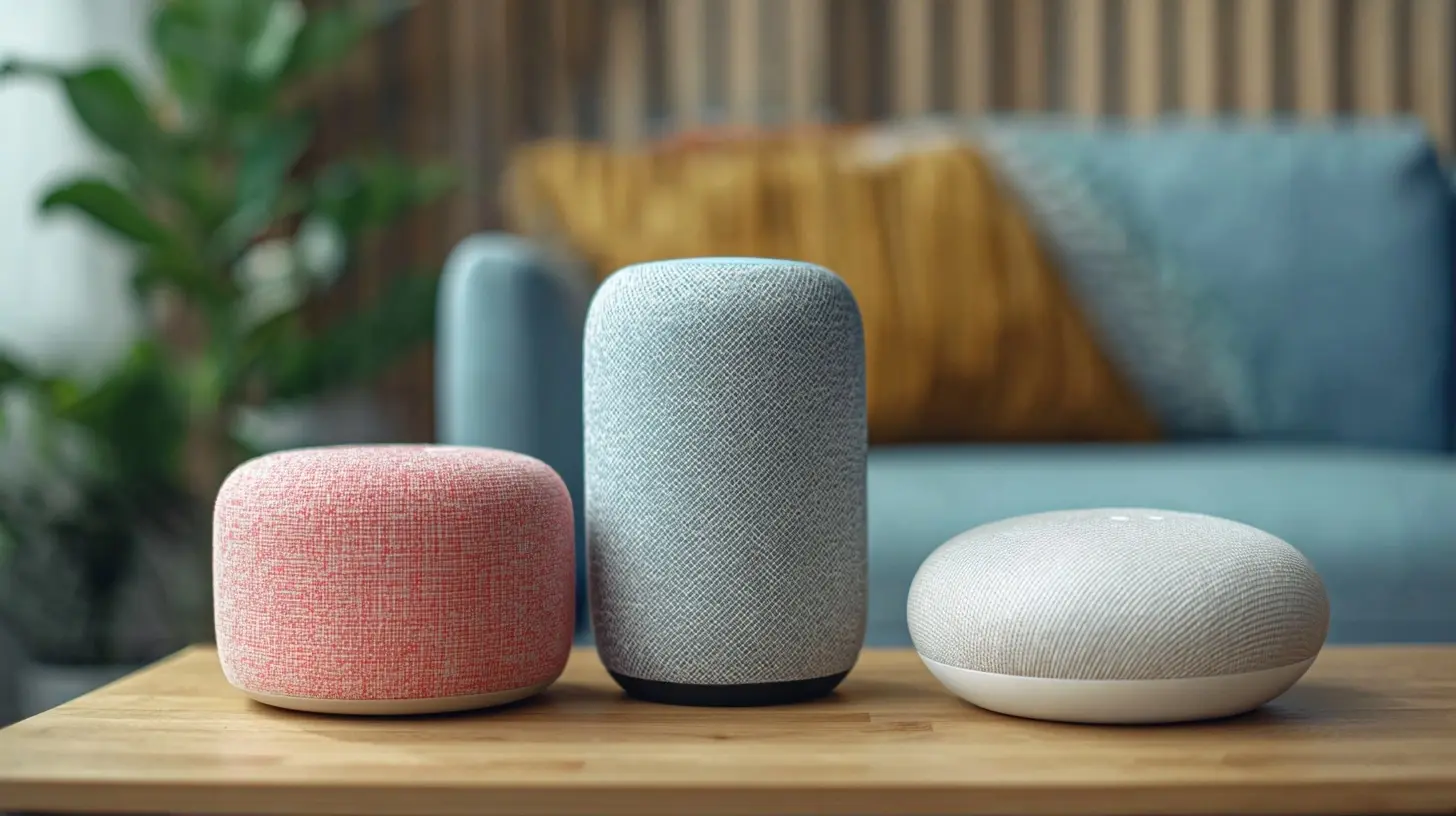
A smart speaker is a wireless speaker that uses voice recognition to perform tasks and provide information. These devices connect to the internet and can control smart home devices, play music, answer questions, and more. Key players in this market include Amazon, Google, Apple, and several others, each offering unique features and capabilities.The Evolution of Smart Speakers
By 2027, smart speakers have become more than just audio devices. They now serve as hub controllers for smart homes, equipped with advanced AI that allows for more natural conversation and improved comprehension of user commands. The rise of privacy concerns has also led to the development of features that give users more control over their data.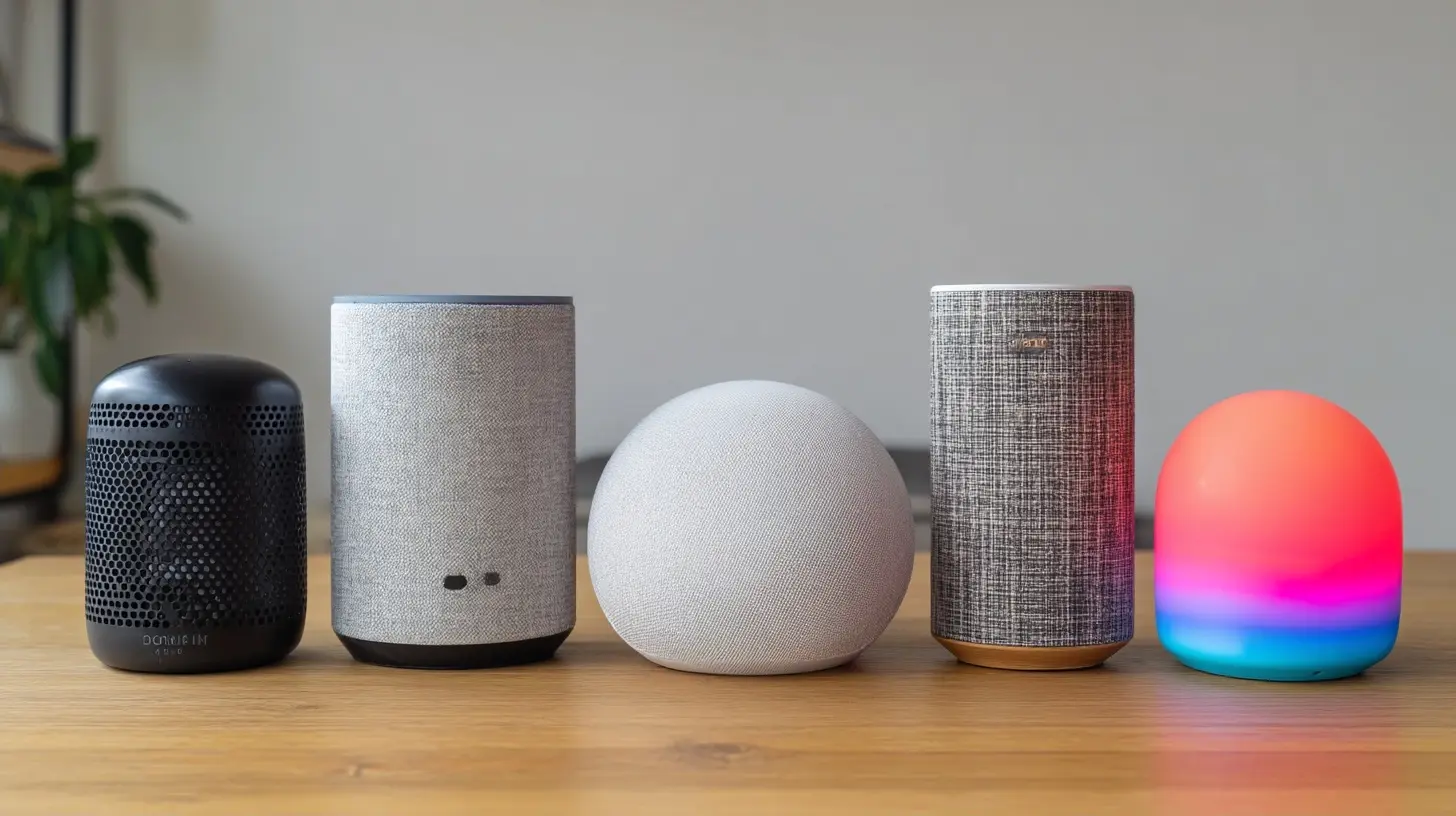
Key Features to Consider
When selecting a smart speaker, several features warrant careful consideration. Each feature can significantly impact your experience and the overall functionality of the device.Voice Assistant Compatibility
Smart speakers typically come with a built-in voice assistant. The choice of voice assistant can influence your device's capabilities. The main contenders include:- Amazon Alexa: Known for its extensive third-party integrations and skills, offering a wealth of compatible smart home devices.
- Google Assistant: Excels in understanding context and delivering information, making it great for users who prioritize search capabilities.
- Apple Siri: Best for those invested in the Apple ecosystem, offering seamless integration with Apple devices and privacy-focused features.
Consideration
Your choice of voice assistant should align with your existing technology. For example, if you have several smart devices from Amazon, Alexa might be the better choice.Sound Quality
Sound quality is a significant factor, especially if you plan to use your smart speaker for music playback. By 2027, advancements in audio technology have resulted in speakers that provide rich, immersive sound. Some aspects to consider include:- Speaker Size: Larger speakers tend to produce better bass and overall sound quality.
- Audio Features: Look for features like multi-room audio, equalizer settings, and support for high-fidelity audio formats.
Consideration
If music is a priority, testing the sound quality in-store or reading reviews from credible audio sources can guide your decision.Smart Home Integration
As smart homes become more prevalent, the ability to integrate with various devices is crucial. Smart speakers can often serve as a central hub for controlling lights, thermostats, locks, and more. Consider:- Compatibility: Ensure that the speaker works with your existing smart home devices. Some ecosystems may work better with specific brands.
- Zigbee or Z-Wave support: This could enhance your device's ability to connect with a broader range of smart home products.
Consideration
If you intend to expand your smart home setup, a speaker with robust integration capabilities will serve you better in the long run.Privacy and Security Features
Privacy concerns have become paramount, leading manufacturers to incorporate features that allow you to manage your data better. By 2027, you should look for:- Physical Mute Buttons: A button that physically disconnects the microphone can provide peace of mind.
- Data Control Options: The ability to delete voice recordings and manage data settings is essential for maintaining privacy.
Consideration
Evaluate the privacy policies of different brands and choose one that aligns with your comfort level regarding data usage.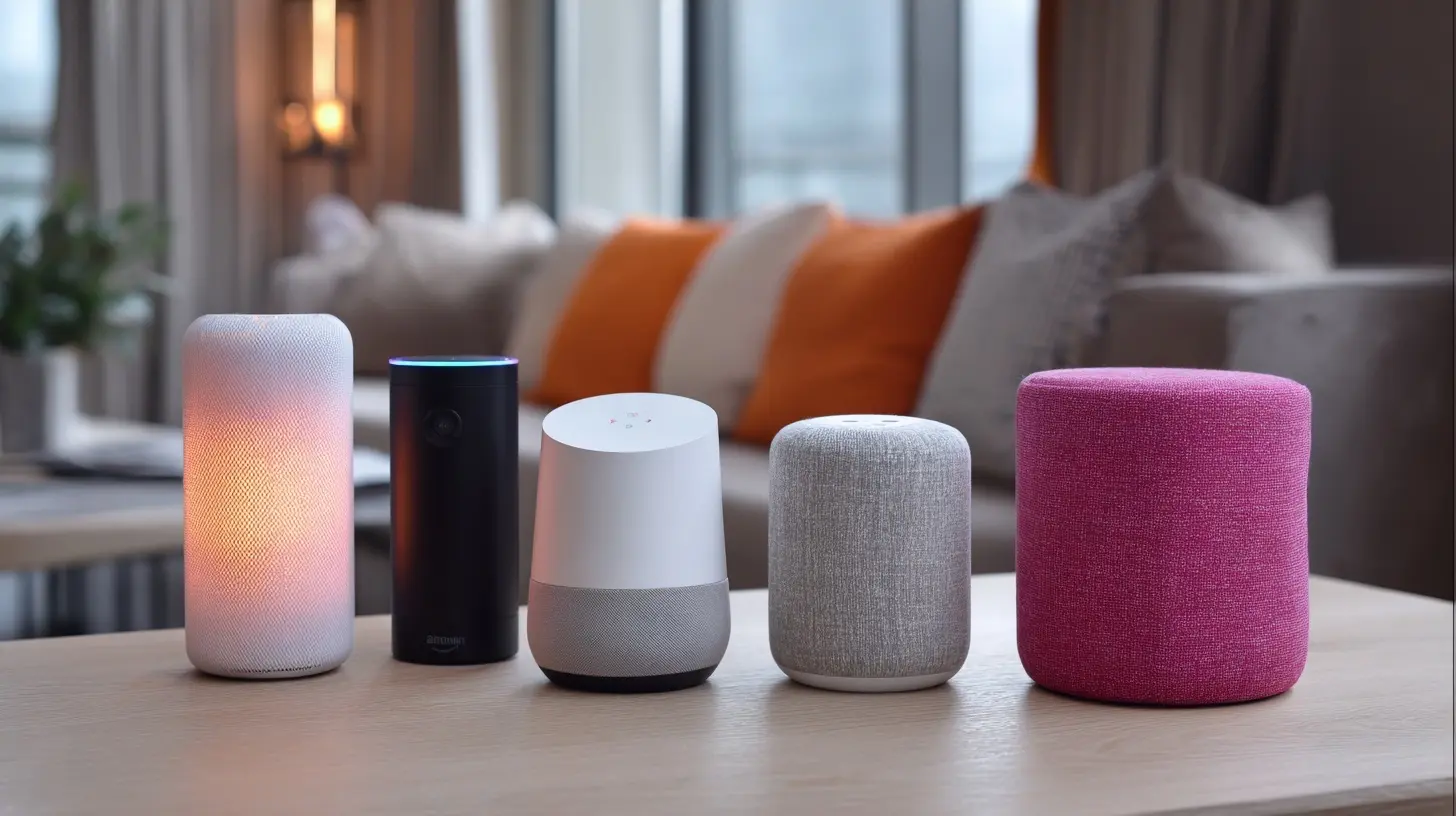
Popular Smart Speaker Models in 2027
With an array of options, understanding the leading models in 2027 can help narrow your choices.Amazon Echo (latest model)
The Amazon Echo continues to dominate the market. With enhanced sound quality and an array of Alexa skills, it remains a top choice for many users. The new models often include:- High-fidelity sound: Improved bass response and clarity.
- Smart home hub capabilities: Built-in support for Zigbee devices.
Google Nest Audio
For those who prioritize voice recognition and integration with Google services, the Google Nest Audio is an excellent option. Notable features include:- Superior voice recognition: It can understand commands from across a room.
- Seamless integration with Google services: Perfect for users who rely on Google Calendar, Gmail, etc.
Apple HomePod Mini
For Apple users, the HomePod Mini offers an impressive listening experience with Apple Music integration. Key attributes include:- Privacy-focused features: Apple emphasizes user data protection.
- Siri's contextual understanding: It excels in interpreting complex queries.
Real-World Considerations
Choosing the right smart speaker is not just about features; real-world usage can vary greatly. Here are several practical scenarios to consider.Size and Aesthetics
The size and design of your smart speaker can affect where you place it in your home. For example:- Compact models: Ideal for smaller spaces or kitchens.
- Larger models: Better suited for living rooms or entertainment spaces, where sound quality is paramount.
Multi-Room Audio
If you enjoy music throughout your home, consider how well the smart speaker can integrate with other speakers for a multi-room setup.- Brand Ecosystem: Sticking to one brand can simplify multi-room audio setups, as they often work seamlessly together.
- Audio Quality: For larger spaces, investing in larger speakers with better audio fidelity can enhance your listening experience.
Budget Considerations
Smart speakers are available at various price points. While it's tempting to choose the cheapest option, consider the long-term value.- Investing in Quality: A slightly higher price for better sound quality and features can lead to a more satisfying experience.
- Sales and Discounts: Keep an eye out for seasonal sales, which can provide significant savings.
Common Mistakes to Avoid
When purchasing a smart speaker, several pitfalls can be avoided with careful consideration.Neglecting Ecosystem Compatibility
One of the most common mistakes is not considering how the smart speaker will fit into your existing ecosystem.- Impact on Usability: A speaker that does not integrate well with your current devices may lead to frustration and inefficiency.
Overlooking Audio Quality
Another frequent oversight is underestimating the importance of sound quality.- Long-term Satisfaction: If you plan to use the speaker primarily for music, prioritizing audio quality can prevent future regret.
Ignoring Data Privacy
Failing to assess the privacy policies and options available can lead to concerns about data security.- User Control: Ensure the device allows you to manage your data and offers features to protect your privacy.
Best Practices for Setup and Use
Once you have chosen the right smart speaker for your home, here are some best practices to maximize its potential.Optimal Placement
The location of your smart speaker can impact its performance. Aim for:- Centralized Positioning: Place it in an open area to improve voice recognition.
- Away from Obstacles: Ensure there are no objects blocking the speaker's microphone.
Regular Software Updates
Keep your smart speaker updated to ensure you benefit from the latest features and security improvements.- Enable Automatic Updates: Most devices offer this option to streamline the process.
Voice Training
Many smart speakers allow you to train the voice assistant to recognize your voice better.- Personalized Experience: This can improve the accuracy of responses and enhance your overall interaction with the device.
Conclusion
Selecting the right smart speaker for your home in 2027 involves understanding your needs, evaluating the features that matter most, and considering how the device fits into your existing ecosystem. By focusing on voice assistant compatibility, sound quality, smart home integration, privacy features, and real-world use cases, you can make an informed decision that enhances your living space.Investing time in research and reflection will pay off, ensuring your smart speaker serves you well for years to come.
all images in this post were generated using AI tools
Category:
Tech GadgetsAuthor:

Kira Sanders