The Role of Fitness Trackers in Corporate Wellness Programs
28 January 2026
Let’s be honest — the traditional 9-to-5 office lifestyle isn’t exactly synonymous with peak physical health. We sit a lot, snack more than we should, and stare at screens for hours. But what if technology could help change that? Enter fitness trackers — those nifty little bands or smartwatches we wear on our wrists. They’re not just for counting steps anymore. Today, they’re playing a surprisingly big role in the growing world of corporate wellness programs.
So, why are companies investing in these gadgets for their employees? And how are they helping transform workplace health and productivity? Let’s dive into the heart of the matter and see how fitness trackers are reshaping the modern workplace, one step at a time.
What Are Fitness Trackers Anyway?
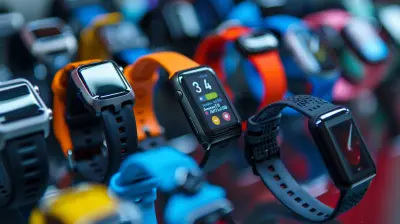
Okay, before we get into the corporate side of things, let’s take a step back. What exactly is a fitness tracker?Fitness trackers are wearable devices that monitor various bodily metrics — think steps walked, calories burned, heart rate, sleep patterns, and even stress levels. Whether it's a Fitbit, Apple Watch, Garmin, or any other brand, the core idea is the same: using data to help people get healthier.
Some are simple pedometers, while more advanced models can provide ECG readings, blood oxygen levels, and guided breathing exercises. Pair these with a smartphone app, and you’ve got a full-on personal health dashboard right on your wrist.
Why Are Corporations Jumping on the Fitness Tracker Bandwagon?
Here’s where things get interesting. More and more companies are weaving fitness trackers into their corporate wellness programs — and not just for the fun of it. There’s a very strategic reason behind it.1. Healthier Employees Mean Lower Healthcare Costs
Let’s face it — health care isn’t cheap, especially for large organizations covering hundreds or thousands of employees. When employees improve their physical condition, companies could dramatically reduce overall medical expenses.Fitness trackers encourage daily movement, better sleep habits, and mindful living. Over time, these small lifestyle changes can lead to fewer chronic illnesses, lower BMI, and better cardiovascular health. Fewer doctor visits = less money shelled out by employers. It’s a win-win.
2. Boosting Productivity Through Better Well-Being
You know how hard it is to focus when you're tired, sluggish, or mentally drained? Now imagine that across a whole team. Fitness trackers help people prioritize sleep, physical activity, and even meditation. The result? More energetic, focused employees who get more done.When people take care of their bodies, their minds follow. Companies understand this, and fitness trackers are their secret weapon for boosting not just health, but day-to-day performance.
3. Increased Employee Engagement and Retention
In today’s competitive job market, perks like unlimited coffee and ping-pong tables don’t cut it anymore. Employees want to feel genuinely cared for — physically, mentally, and emotionally. Corporate wellness programs that include fitness trackers show a company’s commitment to employee well-being.Plus, let’s not forget: wearing a fitness tracker becomes something of a social experience in the workplace. Think wellness challenges, step competitions, team goals — all of which build camaraderie and make work life just a bit more fun.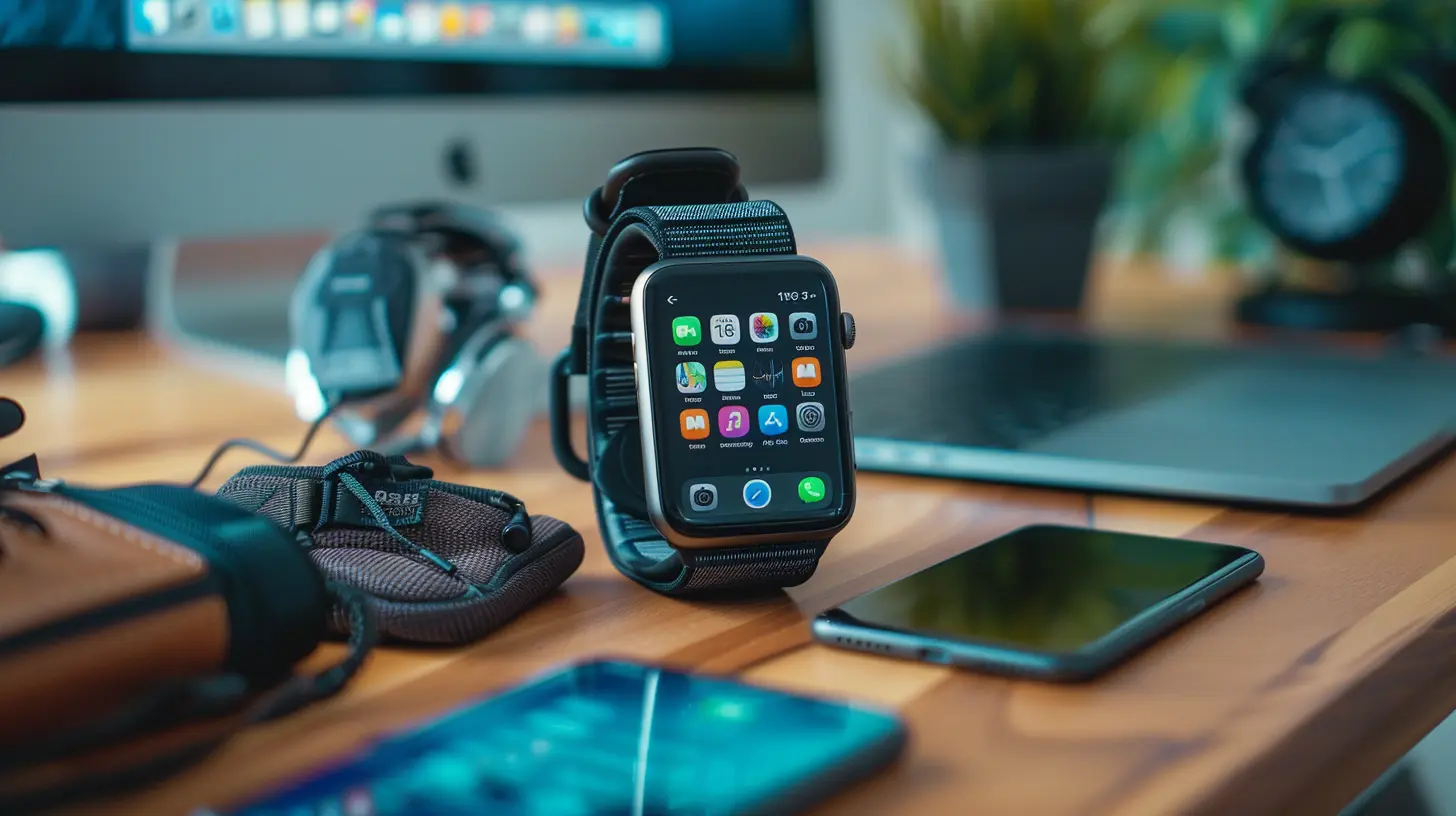
Real-Life Applications of Fitness Trackers in the Workplace
You might be wondering, “Okay, but how exactly do companies use these things?” Great question. Let’s walk through some common (and creative) ways fitness trackers are being used to power up workplace wellness.1. Step Challenges and Friendly Competitions
This one’s a favorite. Employers create month-long (or even year-round) step challenges using data from fitness trackers. Teams or departments compete to see who takes the most steps. Winners might get prizes like gift cards, extra vacation days, or branded gear.It’s a fun, low-pressure way to get people moving. Even the folks who shy away from the gym can get on board because it’s just walking, right?
2. Health Insurance Incentives
Some companies team up with health insurance providers to offer premium discounts to employees who meet certain wellness metrics tracked through their devices. Think things like completing 10,000 steps a day consistently or maintaining a healthy heart rate.It’s like getting paid to stay healthy. You hit your targets, and your wallet thanks you.
3. Wellness Dashboards and Personalized Goals
Using anonymous, aggregated data collected from fitness trackers, companies can get a bird’s eye view of overall employee health trends. From there, HR teams can create programs tailored to specific needs — maybe it’s better sleep education, more yoga classes, or a focus on mental health.Employees can also set personal goals within the company’s wellness app, track their progress, and receive encouraging nudges when they fall off track.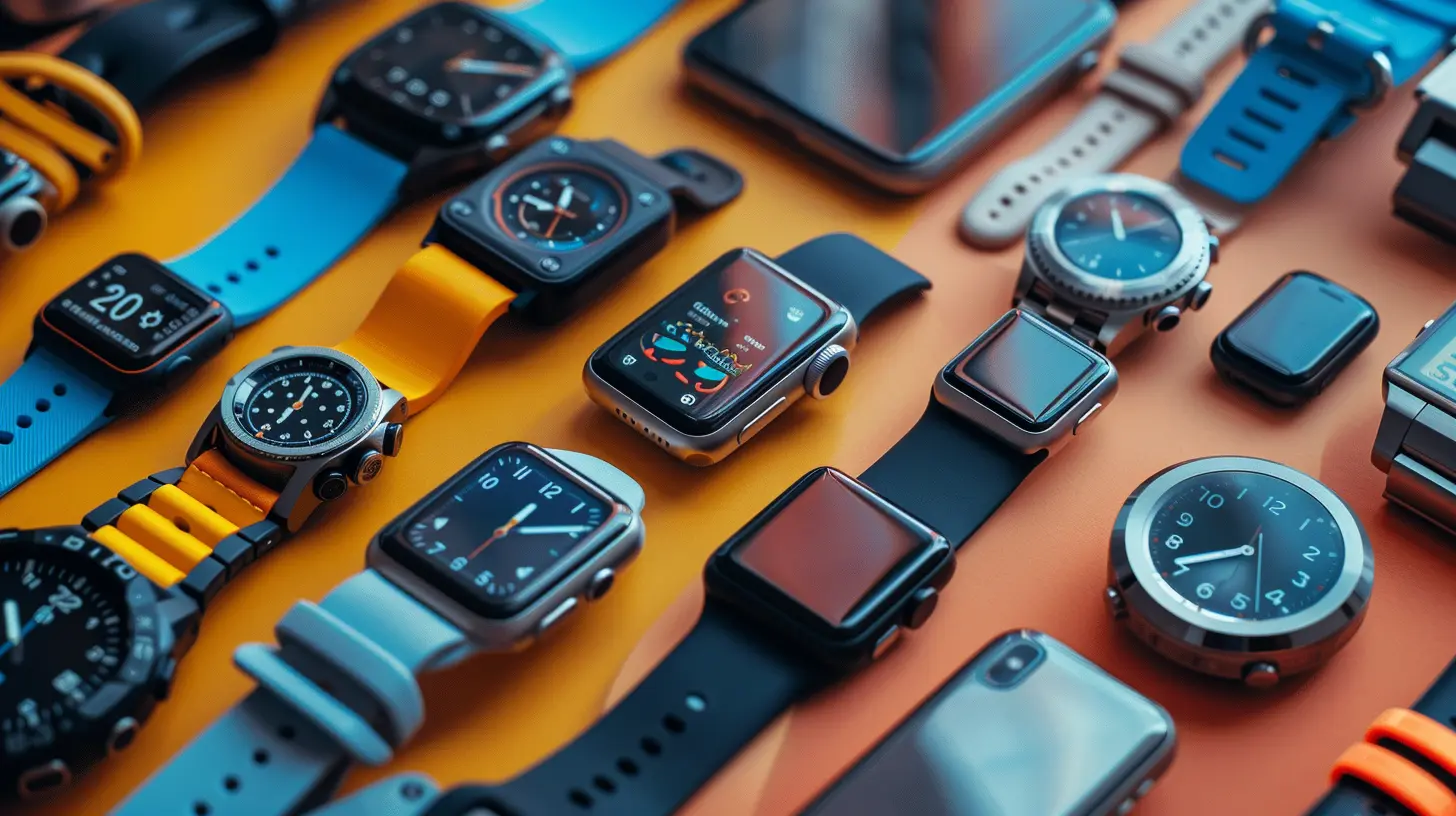
The Psychological Impact of Fitness Trackers at Work
Here’s where things get deeper. Sure, it’s about health. But beyond that, fitness trackers tap into some powerful psychological motivators.1. Gamification of Health
You know that jolt of satisfaction when you close a ring on your Apple Watch or hit a daily goal on your Fitbit? That’s gamification — applying game-like elements to non-game tasks. And it works really well.In the corporate setting, this makes wellness feel less like a chore and more like a challenge. People stay motivated because there’s a sense of achievement built in.
2. Instant Feedback
Fitness trackers provide instant feedback all day long. Not enough steps? Time to pace during that Zoom call. Heart rate elevated? Maybe take a breather. That real-time data keeps people more in tune with their bodies and helps make smarter choices.At work, these micro-adjustments can add up to major improvements in overall energy levels and focus.
3. Increased Accountability with a Dash of Peer Pressure
Let’s not underestimate the power of “everyone’s watching.” When your coworkers are all taking part in a wellness challenge or posting their progress in a shared forum, there’s a natural motivation to keep up.It’s not about shaming — it’s about community. We all strive a little harder when we feel like we’re in it together.
Addressing Concerns: Privacy, Burnout, and Inclusivity
Now, not everything is sunshine and steps. There are real concerns that need to be acknowledged.1. Privacy and Data Sharing
Not everyone’s thrilled about their employer accessing their fitness data — and that’s totally valid. Companies need to be upfront about how data is used and ensure it remains anonymous, secure, and opt-in. Transparency is key.No one should feel pressured to participate, and those who do should feel confident that their personal health information won’t be misused.
2. Burnout From Constant Tracking
There’s a fine line between helpful tracking and obsessive behavior. Some people might begin to stress over meeting daily goals or feel guilt when they miss a target.Corporate wellness programs should emphasize balance and encourage listening to your body. It’s not about perfection — it’s about progress.
3. Making It Inclusive for Everyone
Fitness trackers aren’t just for the young and athletic. Programs should be adaptable for people of all ages, abilities, and fitness levels.Maybe someone can’t walk 10,000 steps due to a medical condition, but they can participate in mindfulness challenges, sleep tracking, or hydration logs. The key is to make sure no one feels left out.
The ROI of Fitness Trackers in the Workplace
So, what’s the bottom line?Well, companies are seeing a pretty solid return on investment (ROI) through:
- Reduced absenteeism
- Higher employee morale
- Lower health care costs
- Better retention rates
- Improved team collaboration
In other words, a healthier workforce leads to a healthier bottom line. Fitness trackers aren’t just a wellness perk — they’re a strategic business move.
Future Trends: What’s Next for Corporate Wellness Tech?
Corporate wellness is always evolving, and fitness trackers are just the beginning. Here are a few trends on the horizon:- Integration with mental health apps like Headspace or Calm
- Smart environmental sensors in office spaces for air quality and ergonomics
- AI-based health recommendations based on wearable data
- Virtual reality workouts for remote teams
The future is bright — and hyper-connected. Fitness trackers will likely become just one piece of a much bigger digital health ecosystem designed to support the whole employee.
Final Thoughts: Small Devices. Big Impact.
Fitness trackers may be small, but their impact in the workplace is anything but. They’re changing how we think about wellness — from a nice-to-have perk to an essential part of employee experience.By helping people move more, stress less, and build healthier habits, fitness trackers are quietly revolutionizing corporate culture. And the best part? We’re just getting started.
So the next time your watch buzzes reminding you to “Move,” take a lap. You might just be boosting not only your own health — but your company’s future too.
all images in this post were generated using AI tools
Category:
Fitness TrackersAuthor:

Kira Sanders
Discussion
rate this article
2 comments
Ryder Castillo
Great insights on how fitness trackers enhance corporate wellness initiatives. They truly empower employees to take charge of their health and productivity.
February 4, 2026 at 11:55 AM
Kira Sanders
Thank you! I'm glad you found the insights valuable. Fitness trackers indeed play a crucial role in promoting employee well-being and engagement.
Isla McNeil
Great insights on the intersection of technology and workplace health! Fitness trackers undoubtedly play a pivotal role in enhancing employee engagement and promoting wellness. It’s fascinating to see how these tools can drive healthier habits in corporate environments. Thank you for sharing!
January 30, 2026 at 1:35 PM
Kira Sanders
Thank you for your thoughtful comment! I appreciate your insights on the impact of fitness trackers in promoting workplace wellness.