Fitness Trackers for Beginners: Getting Started with Wearable Tech
9 March 2026
Stepping into the world of fitness tracking can feel overwhelming, right? With so many options available, it's easy to get lost in the sea of specs, features, and brand names. But don’t worry—I’ve got you covered! Whether you're looking to keep an eye on your daily step count, track workouts, or monitor your heart rate, a fitness tracker is a great tool to help you stay on top of your health goals.
In this guide, I'll break down everything you need to know about fitness trackers, from how they work to which one might be right for you. So, let's dive in!
What Is a Fitness Tracker and How Does It Work?
A fitness tracker is a wearable device designed to monitor various physical activities, such as steps taken, calories burned, heart rate, and even sleep patterns. Think of it as your personal health coach sitting right on your wrist, nudging you to stay active throughout the day.Most fitness trackers sync with your smartphone via Bluetooth, allowing you to analyze and store your activity data. Some even come equipped with GPS tracking, water resistance, and smartwatch features. But don’t let all the bells and whistles scare you—starting simple is the key!
Why Should Beginners Use a Fitness Tracker?
If you're new to fitness, you might be wondering, Do I really need a fitness tracker? The short answer? It depends on your goals. But here are some excellent reasons why beginners should consider using one:1. Motivation Booster
Ever felt guilty looking at your phone's screen time report? Well, a fitness tracker does the same but for your health! It reminds you to move, helps you set achievable goals, and gives you that little push when you're slacking.2. Tracks Your Progress
One of the best ways to stay motivated in any fitness journey is by seeing progress. Whether it's increasing your step count or improving your sleep quality, a fitness tracker gives you measurable insights.3. Encourages Healthy Habits
From reminding you to drink water to tracking your sleep cycles, fitness trackers can help you develop better daily habits.4. Easy Integration with Daily Life
Unlike bulky gym equipment or complex workout apps, fitness trackers are lightweight, easy to use, and work passively in the background while you go about your day.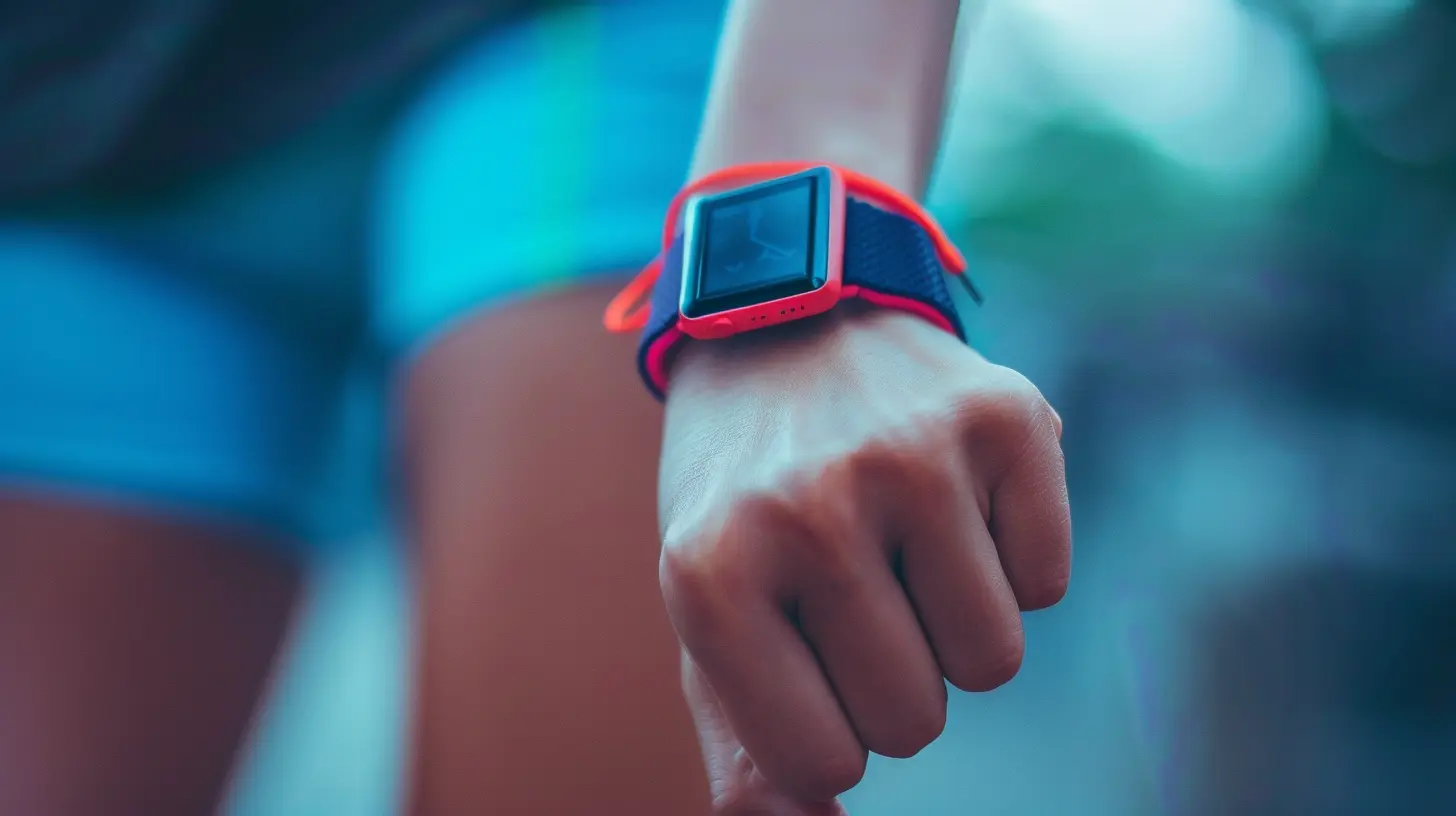
Key Features to Look for in a Beginner-Friendly Fitness Tracker
Now, let's talk about what to look for when choosing your first fitness tracker. With so many options, it's important to pick one that suits your needs without going overboard on unnecessary features.1. Step Tracking
The most basic (but super useful) feature! A good fitness tracker will count your daily steps and encourage you to hit your step goals.2. Heart Rate Monitoring
Many trackers come with heart rate sensors, helping you keep an eye on your resting heart rate and monitor how hard you're working during exercise.3. Sleep Tracking
Good sleep is just as important as exercise! Some fitness trackers analyze your sleep patterns, letting you know if you're getting enough quality rest.4. Water Resistance
If you're into swimming or just want a tracker that can handle sweat and splashes, look for a waterproof or water-resistant option.5. Battery Life
Nobody wants to charge a tracker every single day. Aim for a device that offers at least a few days of battery life.6. Mobile App and Compatibility
Most trackers sync with an app to show a detailed breakdown of your activity. Make sure the tracker you choose works with your smartphone.7. GPS (Optional)
If you're a runner or cyclist, a GPS-enabled fitness tracker can map your routes and give precise distance measurements.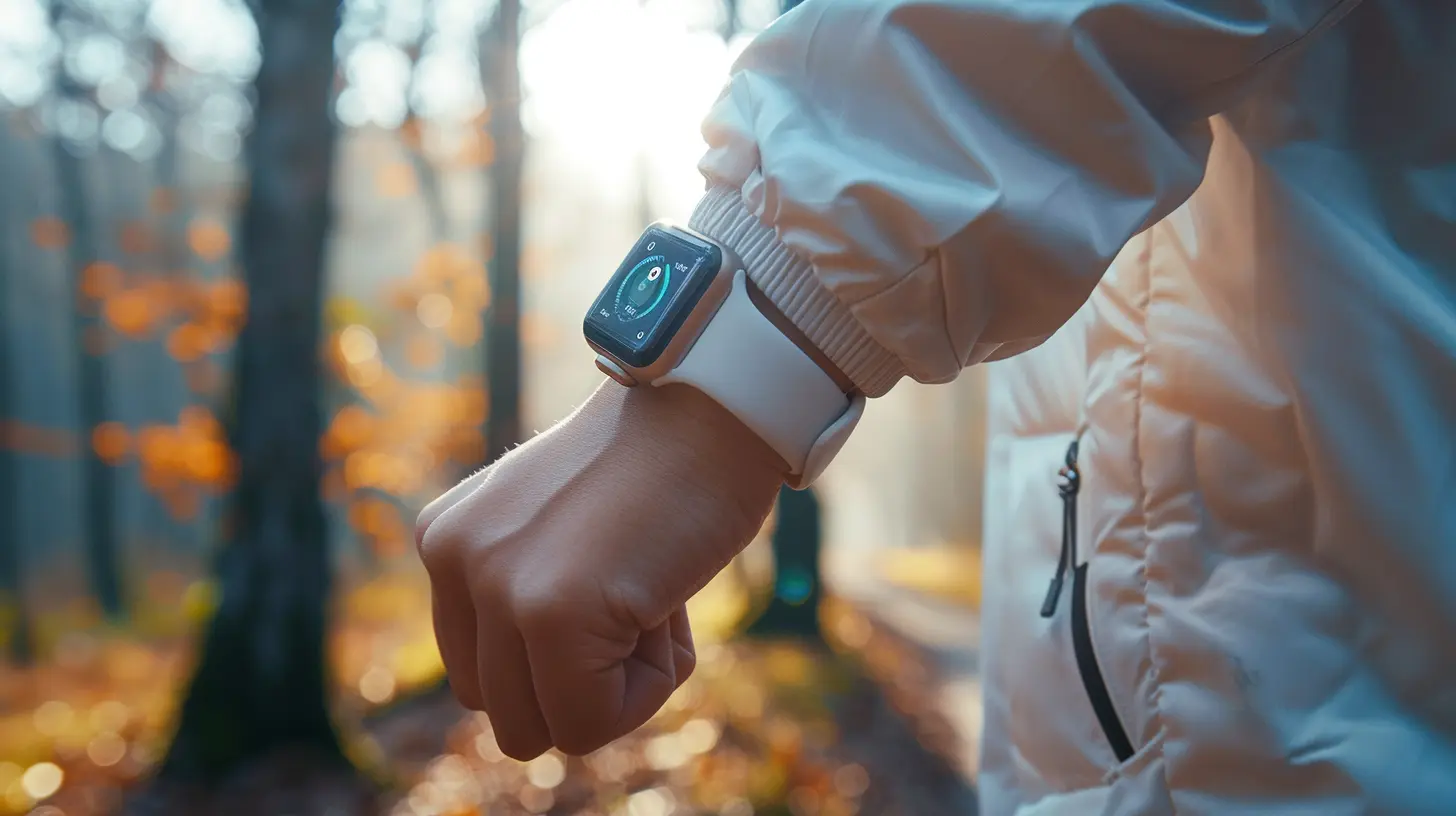
Best Fitness Trackers for Beginners
With so many fitness trackers available, which one should you choose? Here's a list of some beginner-friendly options that offer great value:🔹 Fitbit Inspire 3
If you're just getting started, Fitbit Inspire 3 is a solid choice. It tracks steps, heart rate, sleep, and even has guided breathing sessions to reduce stress.🔹 Xiaomi Mi Band 7
One of the most affordable fitness trackers that doesn’t skimp on features! It offers step tracking, sleep monitoring, and a bright AMOLED display.🔹 Garmin Vivosmart 5
Perfect for beginners who want something simple yet reliable. Garmin’s fitness trackers are known for accuracy and great battery life.🔹 Amazfit Band 7
A budget-friendly option with long battery life and all the essential features like heart rate tracking and sleep monitoring.How to Get Started with Your Fitness Tracker
Once you’ve got your tracker, it's time to set it up and start using it effectively. Here’s how:✅ Step 1: Charge Your Fitness Tracker
Most trackers come with a USB charger—charge it fully before your first use.✅ Step 2: Download the Companion App
Fitness trackers usually work hand-in-hand with an app where you can review your stats and set goals.✅ Step 3: Set Realistic Goals
If you're new to fitness tracking, don't overdo it. Start small—maybe a 5,000-step daily goal—and gradually increase.✅ Step 4: Wear It Every Day
For accurate data, wear your tracker consistently. Some models can even remind you to move if you’ve been idle for too long.✅ Step 5: Check Your Progress & Adjust
Look at your data regularly and adjust your goals as needed. If you're consistently hitting your step goal, challenge yourself to do a little more!Common Mistakes Beginners Make (And How to Avoid Them)
Even the best fitness tracker won’t work well if you're using it incorrectly. Here are some common beginner mistakes and how to fix them:❌ Setting Unrealistic Goals
If you’re not used to walking much, setting a 20,000-step goal on day one might discourage you. Instead, start with small, achievable targets.❌ Ignoring Sleep Data
Good health isn’t just about activity—sleep matters too! If your tracker shows poor sleep quality, adjust your bedtime habits.❌ Not Wearing It Properly
For accurate heart rate and step count tracking, wear your device snugly but comfortably on your wrist.❌ Comparing Yourself to Others
Your fitness journey is personal! Don’t stress about others' steps or calories—focus on your own progress.Final Thoughts: Is a Fitness Tracker Worth It?
Absolutely! If you’re looking for an easy way to stay accountable, track your progress, and develop healthier habits, a fitness tracker is a fantastic investment. And the best part? You don’t need to be a tech expert to use one.Whether you're walking more, improving your sleep, or just keeping an eye on your heart rate, a fitness tracker can be your best workout buddy—minus the gym fees! So, if you're on the fence, give one a try. You might find yourself falling in love with wearable tech before you know it.
all images in this post were generated using AI tools
Category:
Fitness TrackersAuthor:

Kira Sanders
Discussion
rate this article
2 comments
Fallon Lewis
Great article! It's encouraging to see how accessible fitness trackers are for beginners. They can truly enhance our health journey with the right guidance.
March 12, 2026 at 9:20 PM
Kira Sanders
Thank you! I'm glad you found the article helpful. Fitness trackers can really make a difference for beginners!
Thornefield Barrett
Fitness trackers offer beginners an accessible way to monitor health and activity levels. With various features like step counting, heart rate monitoring, and sleep tracking, they serve as valuable tools for personal wellness journeys.
March 11, 2026 at 4:43 AM
Kira Sanders
I totally agree. Fitness trackers make it easy for beginners to stay on top of their health and motivate them to reach their goals.