How Solar Panels are Powering the Future of Sustainable Architecture
2 July 2026
Have you ever looked at a sleek, modern building shimmering under the sun and thought, “Wow, that place must be using a ton of energy”? Well, chances are, it’s actually doing the opposite—it might just be generating its own power. Welcome to the world where solar panels aren't just rooftop add-ons—they're becoming central players in reimagining architecture from the ground up.
Sustainable architecture isn’t just a trendy buzzword. It’s a necessity. As the world grapples with climate change, increasing energy demands, and shrinking resources, solar panels are stepping up as the silent warriors making cleaner, greener living possible.
Let’s dive into how solar panels are transforming architecture and why they’re such a game-changer for the future.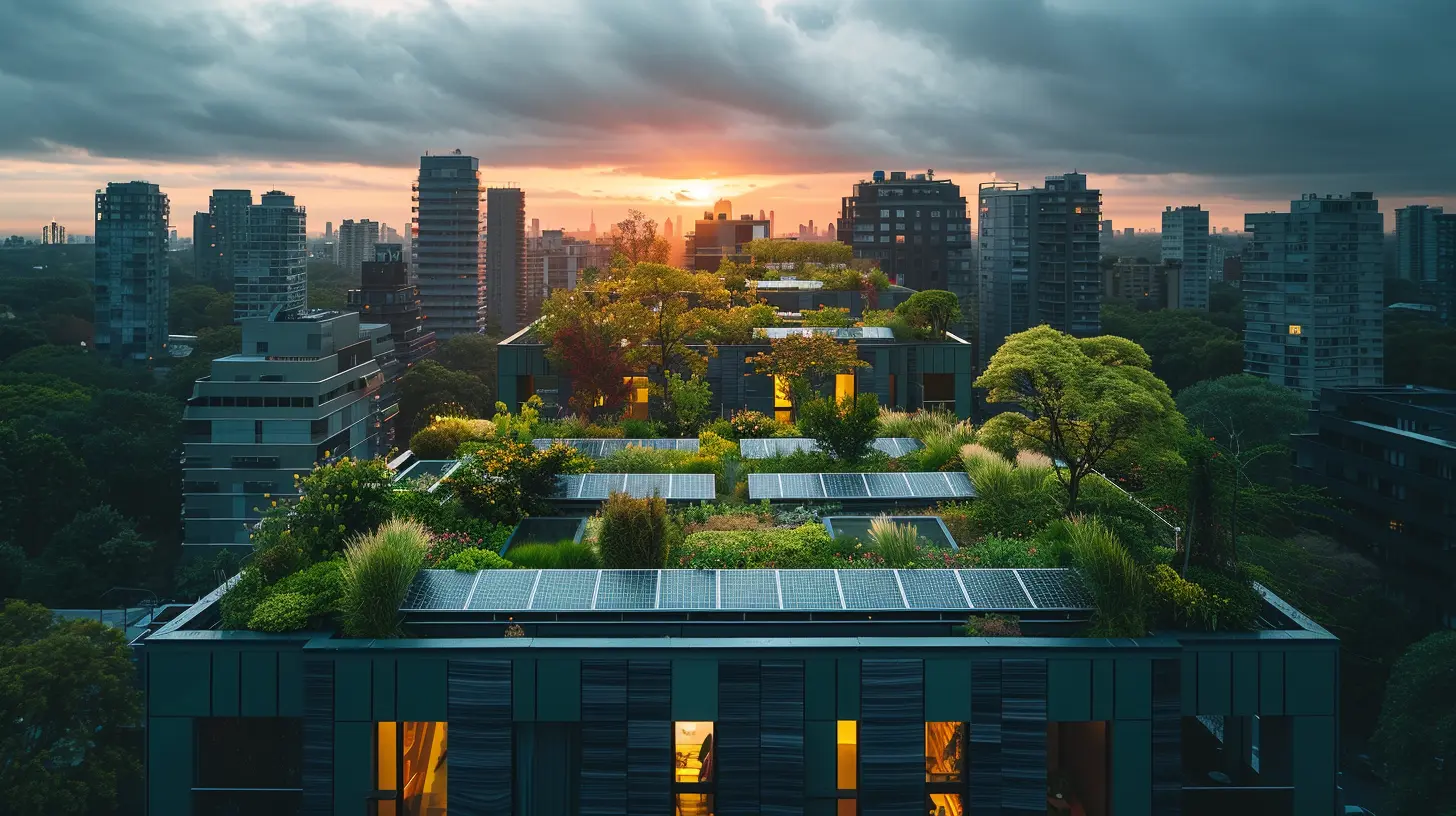
? The Shift From Traditional to Sustainable Architecture
Remember when buildings were designed with little regard for the environment? Concrete giants with zero efficiency and maximum waste? Those days are (thankfully) fading.Sustainable architecture throws the old blueprint out the window. It’s all about designing buildings that do more with less—less energy, less water, less waste. And guess what? Solar panels are leading this revolution. They're not just accessories anymore. They're the cornerstone for energy-efficient buildings that breathe, adapt, and even think.
Why build a power-hungry wall when you can build one that generates electricity?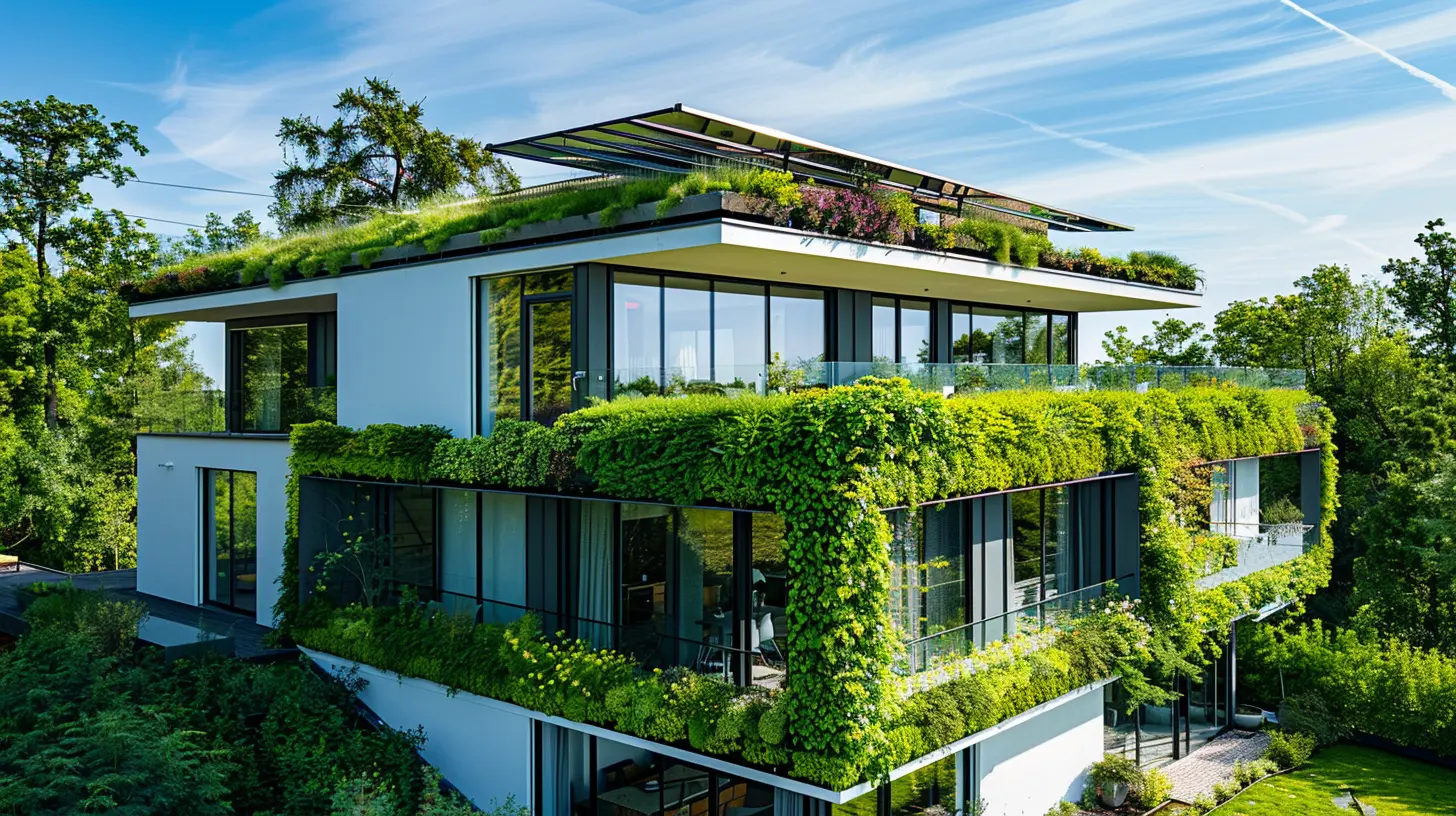
☀️ Solar Panels: More Than Just Roof Jewelry
When you think of solar panels, you probably picture those shiny black slabs perched on top of a house. But solar technology has come a long way since its humble beginnings. Today’s solar panels are sleek, powerful, and incredibly versatile.They can be:
- Integrated into rooftops
- Embedded in windows (yes, see-through solar panels!)
- Layered into facades
- Freestanding structures like solar trees or pergolas
This isn’t just about slapping panels on existing buildings. Architects are now designing buildings around solar technology, making it a core design element. It's like weaving sustainability into the DNA of the structure.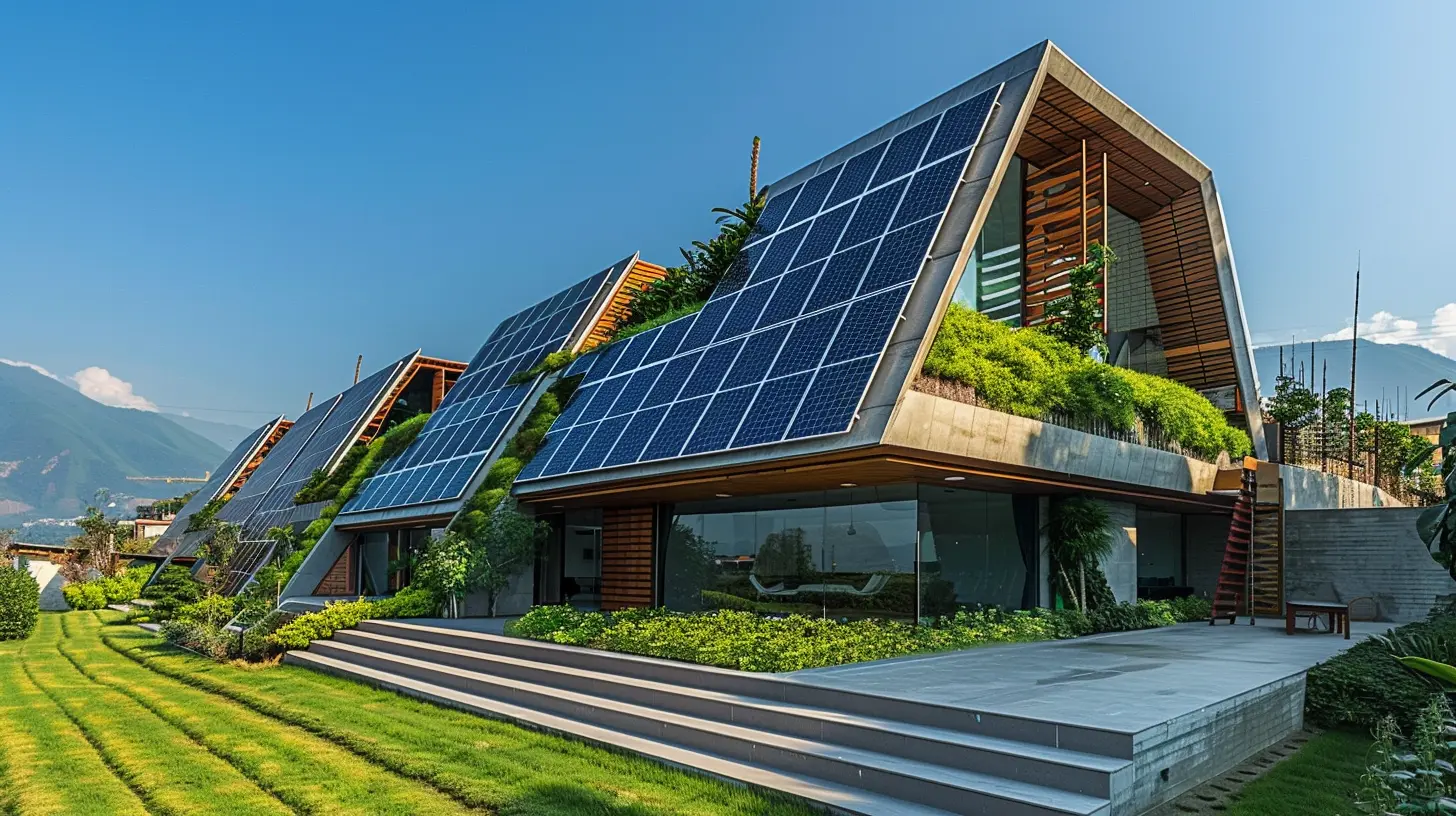
?️ Building Integrated Photovoltaics (BIPV): Architecture Meets Innovation
Ever heard of BIPV? If not, you're about to fall in love with it.Building Integrated Photovoltaics is a fancy term that means solar panels are literally part of the building. Think windows, walls, and roofs made entirely of photovoltaic materials. It's solar panel meets glass artist meets high-tech engineer.
Instead of sticking out like a sore thumb, these solar panels blend in or even enhance a building’s appearance. They do double duty—powering the building while still looking aesthetically stunning.
Imagine sitting in a sunroom with clear solar glass windows soaking up energy while you sip your morning coffee. That’s not the future—it’s happening now.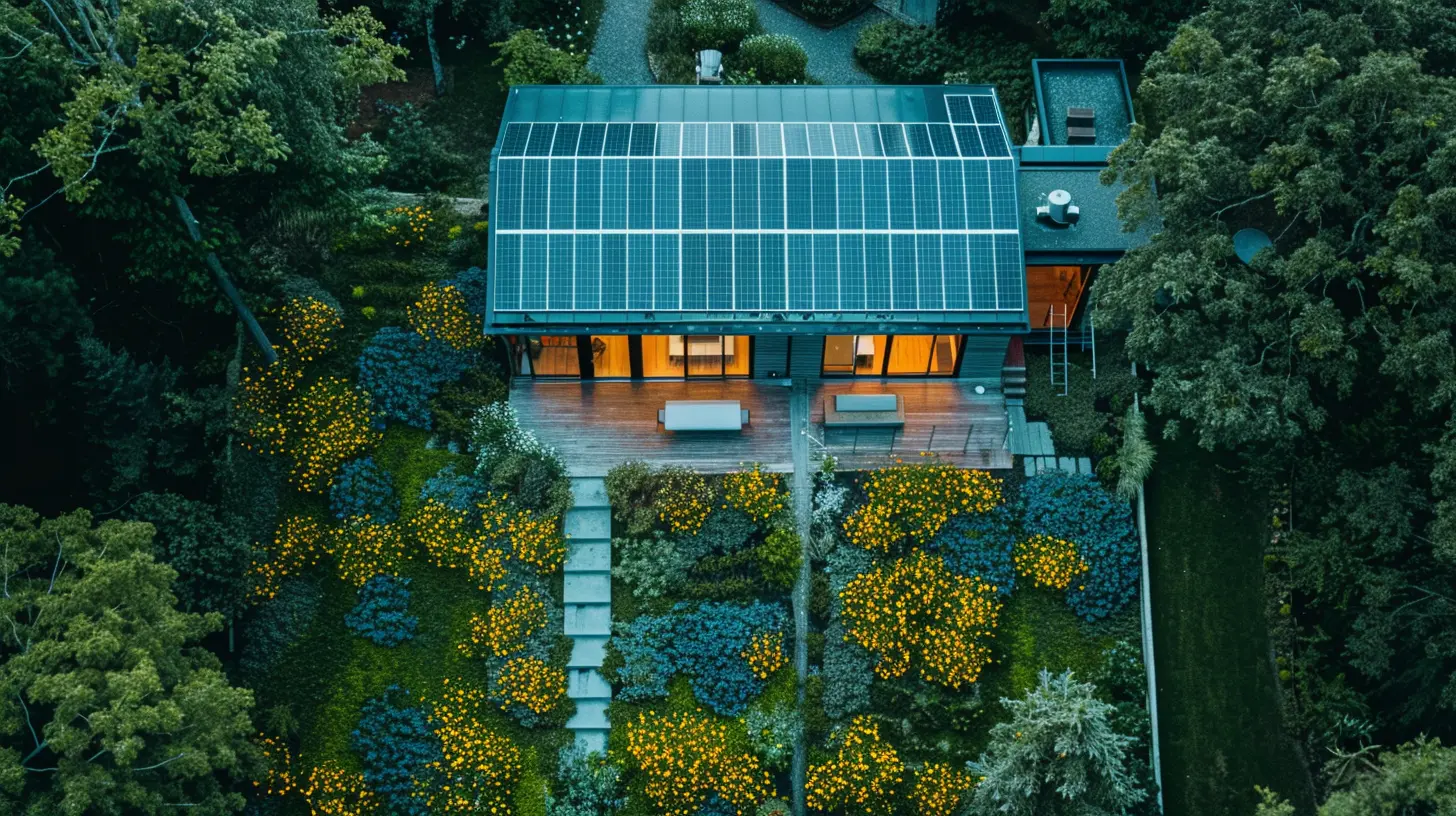
? Energy Efficiency and Net-Zero Goals
You’ve likely heard terms like "energy-efficient" or "net-zero building" tossed around. But what do they mean in real life?A net-zero building produces as much energy as it consumes. That’s right—it’s self-sufficient. And surprise, solar panels are the MVPs making it happen.
Here’s how it works:
- Solar panels harvest energy during the day
- That energy powers heating, cooling, lighting, and appliances
- Excess energy is stored or fed back into the electricity grid
- At night or during cloudy days, the building draws from stored or grid power
Want to go even further? Pair solar panels with smart energy storage systems (like Tesla’s Powerwall), energy-efficient appliances, and well-designed insulation. You’ve now created a building that’s a mini power plant and a cozy living space all wrapped into one.
? Good for the Planet, Great for Your Wallet
Sure, installing solar panels might require an upfront investment. No sugar-coating that. But it’s an investment that pays off, and not just in warm fuzzies.Here’s the deal:
- You drastically cut down your power bills
- Many governments offer tax credits or rebates for solar integration
- Over time, buildings with solar fetch higher resale values
- Maintenance costs are super low (solar panels are basically the introverts of energy systems—quiet and low-maintenance)
Basically, you're saving money while saving the planet. That’s a win-win if we’ve ever seen one.
?️ Urban Architecture and Solar Scalability
You might wonder, “This all sounds great for houses, but what about giant skyscrapers or cityscapes?” Great question!Cities are actually where solar has the most potential. Urban architecture is evolving rapidly, and the big brains in the industry are getting super creative.
Some cool examples?
- Skyscrapers with solar facades
- Solar "skin" that wraps around buildings
- Solar-powered public transit stations
- Smart cities integrating solar throughout their infrastructure
The key is scalability and smart design. As population centers grow, architects are building upwards—not just for space, but for solar exposure. The higher the surface area, the more solar potential.
Even older buildings are getting solar makeovers. Retrofitting used to be a hassle, but with newer, lighter solar technologies, it's easier and more efficient than ever.
? Smart Solar Systems: When Panels Think
Solar technology isn’t just about harvesting energy anymore—it’s about managing it wisely.Welcome to the world of smart solar systems. These setups use AI, IoT (Internet of Things), and machine learning to optimize how solar energy is used.
Imagine a building that:
- Knows when energy demand is low and stores power
- Detects weather patterns to adjust solar usage
- Communicates with your electric vehicle to prioritize charging
- Automatically sells excess energy back to the grid at peak rates
It’s kind of like giving your house a brain. And this isn’t science fiction—it’s already happening in many modern green buildings around the globe.
? Materials and Aesthetics: Eco-Friendly Can Be Beautiful
Let’s bust a myth: sustainable buildings don’t have to look boring or ultra-futuristic.Solar technology now comes in a variety of styles, textures, and materials. From terracotta tiles with built-in cells to solar glass that looks like stained glass, there are tons of ways to make solar integration visually appealing.
Architects are collaborating with solar designers to ensure buildings look stunning while staying eco-friendly. You don’t have to sacrifice style for sustainability. Now, you can have both.
? The Future is Bright (Literally)
So, where are we headed?Here’s a sneak peek of what the future holds:
- Solar roads that power entire neighborhoods
- Transparent solar panels in windows and car windshields
- Flexible solar fabrics for tents and wearables
- Solar-powered vertical farms on building facades
Solar panels aren’t just a solution—they’re a launchpad for new innovations. Architects, engineers, and dreamers are pushing the limits of what buildings can do. And at the heart of it all? The mighty power of the sun.
? Why This Matters—To All of Us
Let’s get real for a second.We’re facing some serious environmental challenges. Climate change, rising energy costs, and dwindling natural resources make sustainable living more vital than ever. And while no single solution will fix everything, solar-powered architecture is a massive step in the right direction.
By integrating solar panels into our homes, offices, and cities, we’re not just changing how buildings look—we’re changing how they live. And that affects all of us.
Every panel, every watt harvested from sunshine is a tiny rebellion against pollution, dirty energy, and waste. It’s a vote for a cleaner, smarter, and brighter future—for you, me, and the planet.
Final Thoughts
The intersection of solar power and architecture isn’t just a cool idea—it’s the foundation of the cities of tomorrow. Whether it’s through ultra-modern solar skyscrapers or charming homes with solar roofing, this technology is shaping how we think about energy, design, and sustainability.So, next time you walk past a building glistening under the sun, take a moment to think: it’s not just catching rays—it might just be catching the future.
all images in this post were generated using AI tools
Category:
Sustainable TechAuthor:

Kira Sanders
Discussion
rate this article
2 comments
Davina Edwards
Solar panels drive innovation in green building designs.
August 26, 2026 at 2:57 AM
Marni Harper
This article highlights the crucial role of solar panels in sustainable architecture. By integrating renewable energy sources, architects can design buildings that are not only efficient but also environmentally friendly. Embracing this technology is essential for a greener future and addressing climate change effectively.
July 6, 2026 at 3:44 AM
Kira Sanders
Thank you for your insights! Solar panels truly are a game changer in creating eco-friendly buildings and tackling climate change.