Getting Started with Your First Drone: A Beginner’s Guide
10 November 2026
Drones have transformed from niche gadgets into accessible tools for photography, surveying, and even recreational flying. If you're intrigued by the world of drones and are considering your first purchase, you're in for an exciting journey. This guide will walk you through the essentials of getting started with your first drone, covering everything from choosing the right model to mastering the flying experience.
Understanding Drones: What are They?
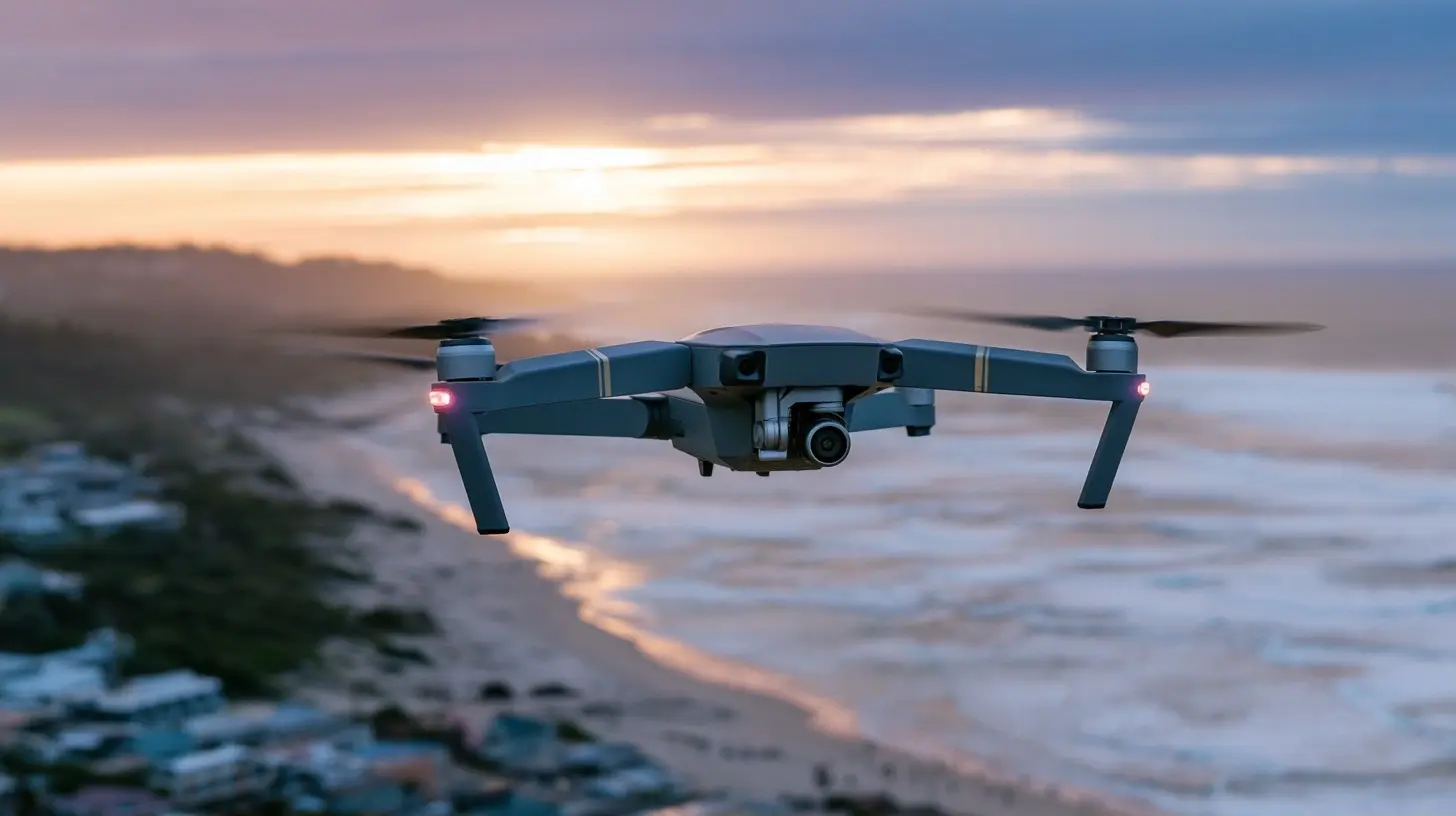
Drones, also known as unmanned aerial vehicles (UAVs), are aircraft without a human pilot onboard. They can be controlled remotely or fly autonomously using software-controlled flight plans. The technology behind drones is sophisticated, enabling various applications. Drones are equipped with cameras, sensors, and GPS systems, making them versatile tools for different industries.Types of Drones
In the market, drones can be broadly categorized into several types, each designed for specific uses:1. Quadcopters: The most popular type for beginners, quadcopters have four rotors and are known for their stability and ease of control. They are ideal for aerial photography and recreational flying.
2. Hexacopters and Octocopters: These drones have six or eight rotors, respectively. They offer more lift and stability but are generally more expensive and complex to fly. They are often used in professional filming and for carrying heavier payloads.
3. Fixed-Wing Drones: Designed like traditional airplanes, these drones are suitable for long-distance flights. They are efficient but require more skill to operate, making them less ideal for beginners.
4. Racing Drones: Built for speed, racing drones are lightweight and maneuverable. They can be challenging to fly, especially for newcomers, and usually require additional investment in FPV (first-person view) equipment.
Applications of Drones
Understanding the potential applications can help you choose the right drone for your needs. Here are some common uses:- Aerial Photography: Capture stunning visuals for personal projects or professional work.
- Surveying and Mapping: Drones equipped with advanced sensors can collect data for agricultural, construction, or environmental purposes.
- Recreational Flying: Many people enjoy flying drones as a hobby, participating in racing or simply enjoying the flight experience.
Choosing the Right Drone
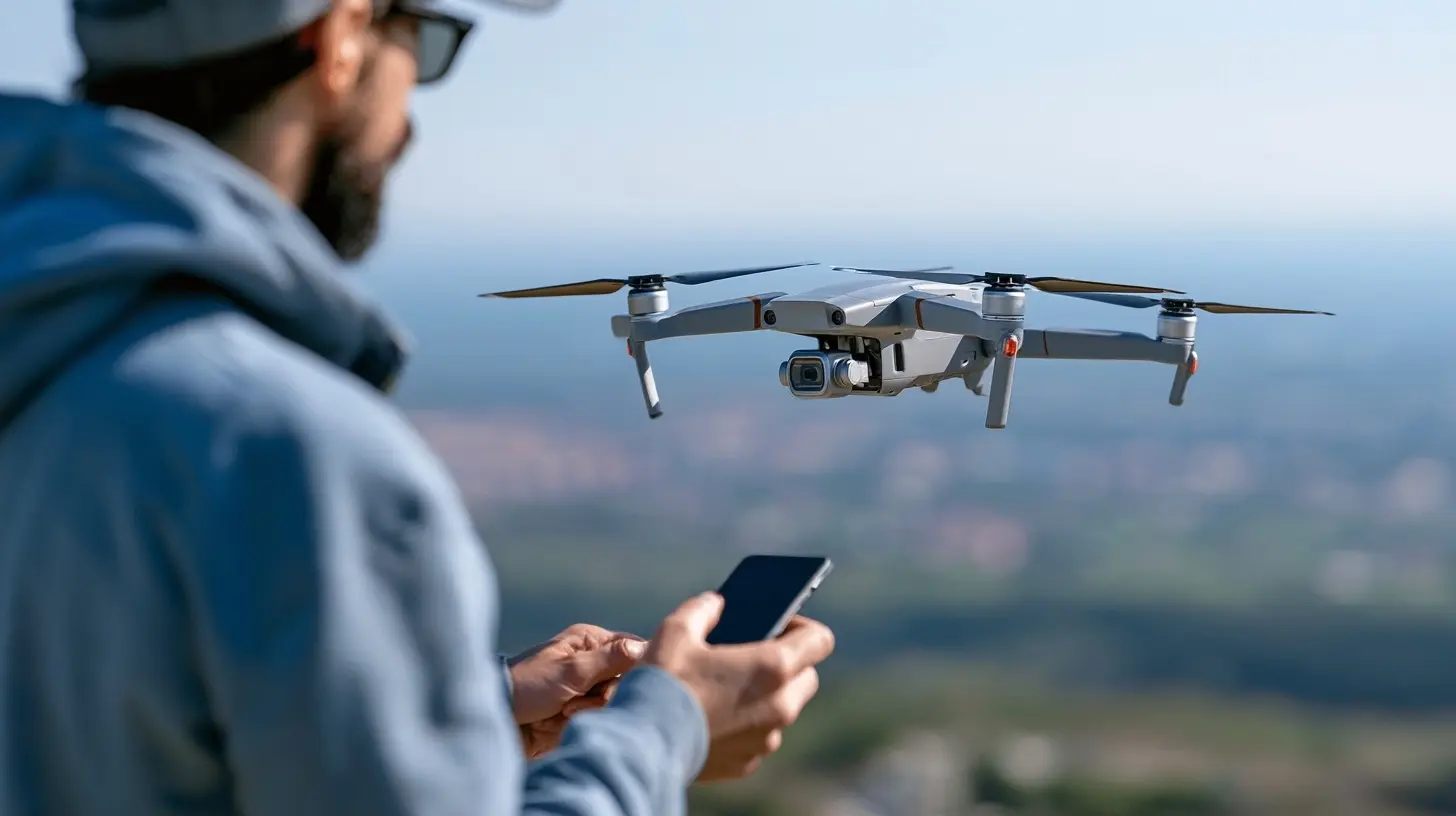
Selecting your first drone can be overwhelming given the myriad options available. Here are some factors to consider:Budget
Drones range significantly in price. For beginners, a budget of around $300 to $600 will provide you with a reliable entry-level model. While high-end drones offer advanced features, they can be overly complex for new pilots.Purpose
Define what you want to do with your drone. If photography is your main goal, look for drones with high-quality cameras. If you are more interested in racing, focus on speed and agility.Flight Time and Range
Most consumer drones offer 20 to 30 minutes of flight time on a single charge. consider the effective range of the drone. A beginner should aim for models with a good range while still ensuring they can maintain control.Ease of Use
Look for drones with user-friendly controls and features such as GPS, automatic return-to-home, and altitude hold. These features can ease the learning curve significantly.Reviews and Recommendations
Research user reviews and expert opinions. Websites and forums dedicated to drone enthusiasts can provide real-world insights about various models.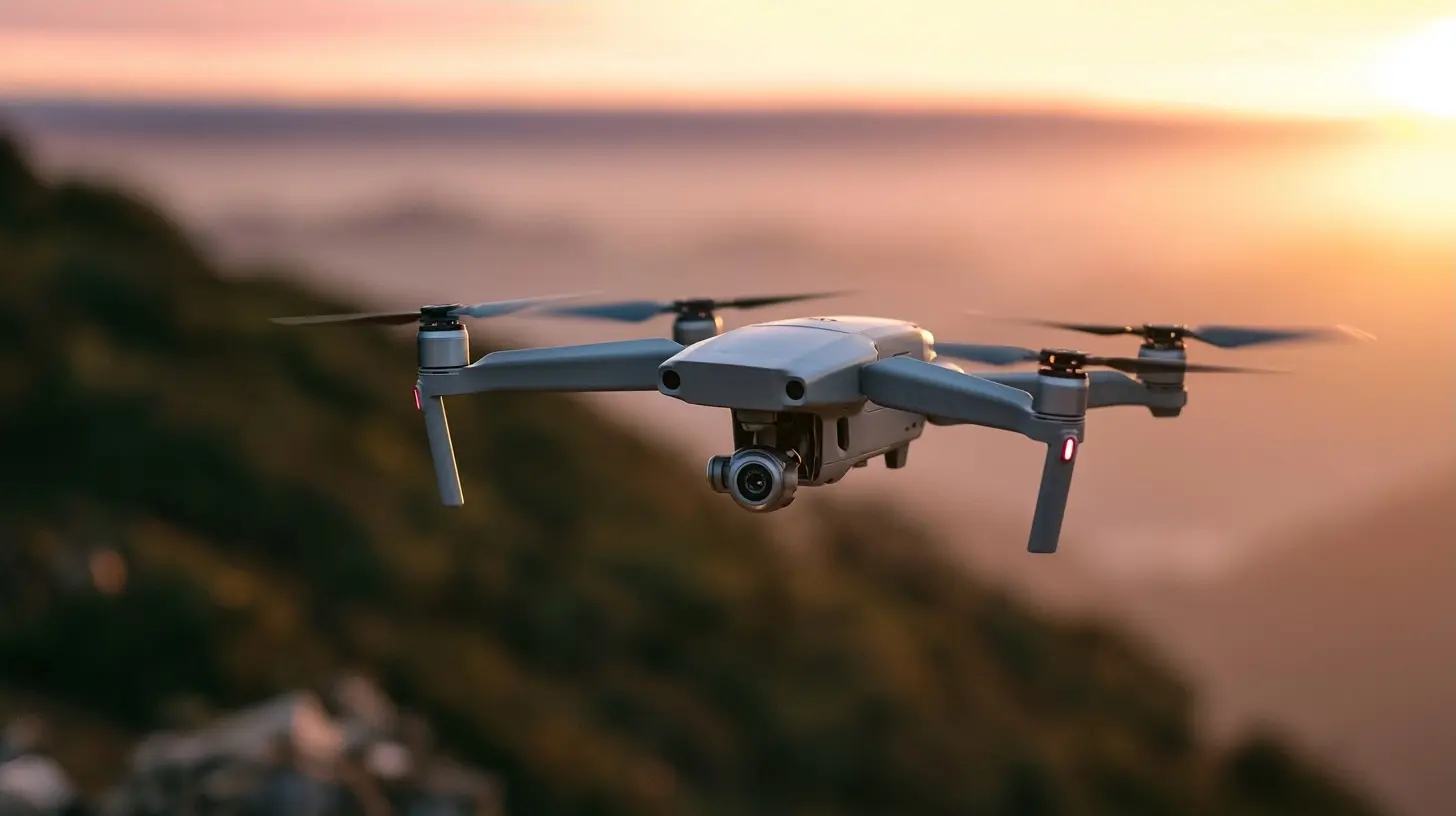
Essential Accessories for New Drone Owners
Once you have chosen a drone, consider investing in essential accessories that enhance your flying experience:Extra Batteries
Drones typically come with one battery. Extra batteries ensure longer flying sessions, as charging can take time.Propeller Guards
Especially for beginner pilots, propeller guards can protect the drone from damage during crashes or collisions.Carrying Case
A good carrying case keeps your drone and accessories safe while making transportation easier.SD Cards
For drones with cameras, an SD card is necessary to store your photos and videos. Choose a high-speed card for optimal performance.
Understanding Drone Regulations
Flying a drone is not just about flying; it's also about adhering to regulations. Here are some key points to keep in mind:FAA Registration
In the United States, you must register your drone with the Federal Aviation Administration (FAA) if it weighs more than 0.55 pounds. Registration is straightforward and can be done online.Local Laws
In addition to federal regulations, check your local laws regarding drone use. Some areas have specific restrictions, especially in urban settings or near airports.No-Fly Zones
Be aware of no-fly zones, which are areas where drone flying is prohibited. These zones typically include airports, military bases, and national parks.Respecting Privacy
When flying, be mindful of people's privacy. Avoid flying over private property without permission.Mastering Flight Techniques
Once you have your drone and understand the regulations, it's time to take to the skies. Here are some tips for mastering drone flight:Start Slow
Begin with basic maneuvers in an open space free of obstacles. Practice ascending, descending, turning, and hovering.Use a Simulator
Many drones come with simulators that allow you to practice flying virtually. This can build your confidence before you take your drone into the real world.Practice in Safe Conditions
Choose calm, clear days for your initial flights. Windy or rainy conditions can make flying more challenging.Learn to Use Camera Features
If your drone has a camera, practice using its features. Understand how to adjust settings like exposure and frame rate.Follow a Flight Plan
Create simple flight plans that include takeoff, hovering, and landing. Gradually increase the complexity as you build your skills.
Common Mistakes and How to Avoid Them
Even experienced pilots make mistakes. Here are some common pitfalls that beginners encounter and how to avoid them:Flying Beyond Line of Sight
Always keep your drone within your line of sight. Losing visual contact can lead to crashes or loss of control.Ignoring Battery Levels
Monitor your battery levels closely. Many drones will provide warnings, but it's best to land before the battery gets too low to prevent crashes.Not Calibrating
Before each flight, calibrate your drone according to the manufacturer's guidelines. This ensures stable operation.Overexerting Yourself
Do not attempt complex maneuvers until you are comfortable with basic flying. Progress gradually to avoid crashes and frustration.Best Practices for Responsible Drone Flying
Being a responsible drone pilot not only enhances your experience but also fosters a positive community. Here are some best practices:Fly in Open Areas
Choose large, open spaces for flying to minimize the risk of collisions and to avoid disturbing others.Be Courteous
Respect other people's space and privacy. If someone approaches you about your drone, engage positively and consider their concerns.Stay Informed
Keep up with drone news and updates to stay informed about new regulations, technology, and best practices.Join a Community
Engaging with local drone clubs or online forums can provide valuable support and friendship with fellow enthusiasts.
Conclusion
Getting started with a drone can be an exhilarating experience filled with discovery and creativity. By choosing the right model, understanding regulations, mastering flight techniques, and practicing responsibility, you can embark on a fulfilling journey in the skies. Remember, every pilot was once a beginner. Approach your drone flying with patience and enthusiasm, and you will soon find yourself soaring to new heights.
all images in this post were generated using AI tools
Category:
Technology GuidesAuthor:

Kira Sanders
Discussion
rate this article
1 comments
Diana McTier
Flying a drone is like juggling clouds while riding a unicycle. Just don't forget to check for low-flying birds!
November 10, 2026 at 5:20 AM