Smartphones and Sustainability: How the Industry is Going Green
4 May 2026
Let’s face it—our love for smartphones has become more of a need than a luxury. They’re with us 24/7, helping us work, connect, shop, and navigate life itself. But have you ever wondered about the impact of these pocket-sized gadgets on our planet?
From extraction of raw materials to manufacturing, shipping, and disposal, the smartphone industry leaves a hefty environmental footprint. The good news? That’s starting to change. A green wave is sweeping across the tech world, and smartphone makers are finally hopping on the eco-friendly train.
In this article, we’ll take a deep dive into how the mobile industry is turning toward sustainability. You’ll see how companies are rethinking everything—from what goes into your device, how it's built, how long it lives, and what happens when you toss it aside. Buckle up; we’re going green!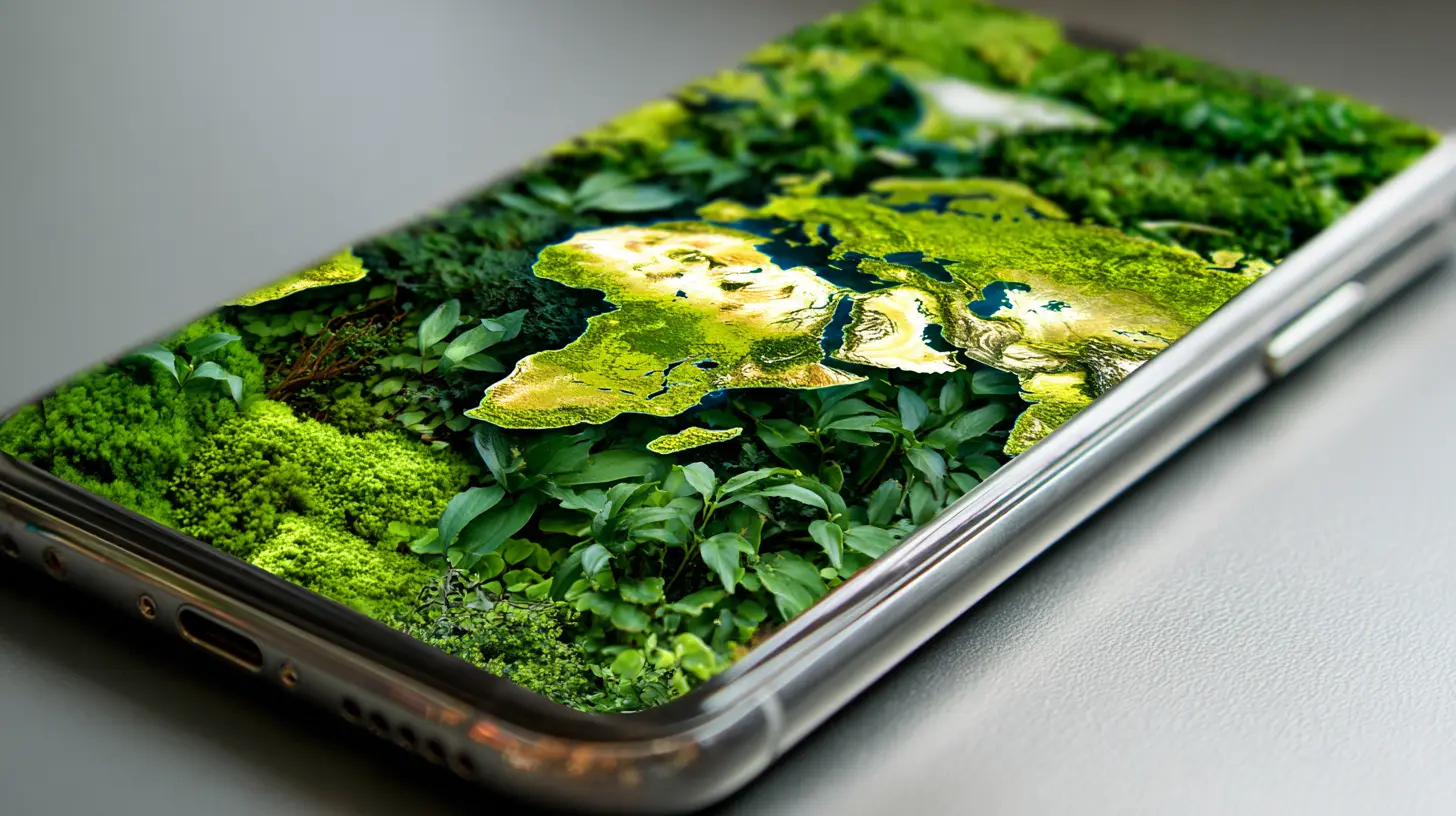
The Hidden Environmental Cost of Smartphones
Let’s start with the problem. Every year, more than 1.5 billion smartphones are sold worldwide. Most people replace their phones every two to three years, even if the old one isn’t broken. Sounds like a never-ending cycle? That’s because it kinda is.Resource Extraction: Digging Deep for Materials
Smartphones don’t grow on trees. They need a cocktail of rare earth elements like lithium, cobalt, and neodymium. Mining these materials is not only energy-intensive but also bad news for the environment. It leads to deforestation, water pollution, and massive carbon emissions.Oh, and let’s not forget the human cost—many mining operations occur in regions with poor labor regulations, leading to unsafe working conditions and even child labor.
Manufacturing: Energy-Heavy and Carbon-Loaded
Once the raw materials are ready, the manufacturing process kicks in. This stage is a major contributor to carbon emissions. In fact, around 85% of a smartphone’s total carbon footprint is generated before it even reaches your hands.And it’s not just about the factories. Add the energy it takes to assemble, test, package, and ship millions of devices globally, and you’re looking at a serious environmental tab.
E-Waste: The Ugly Afterlife of Your Old Phone
Here’s the kicker—most old phones don’t get recycled. They either sit forgotten in drawers or end up in landfills. E-waste is one of the fastest-growing waste streams in the world. And since smartphones contain toxic substances like mercury and lead, improper disposal can leach these into the soil and water.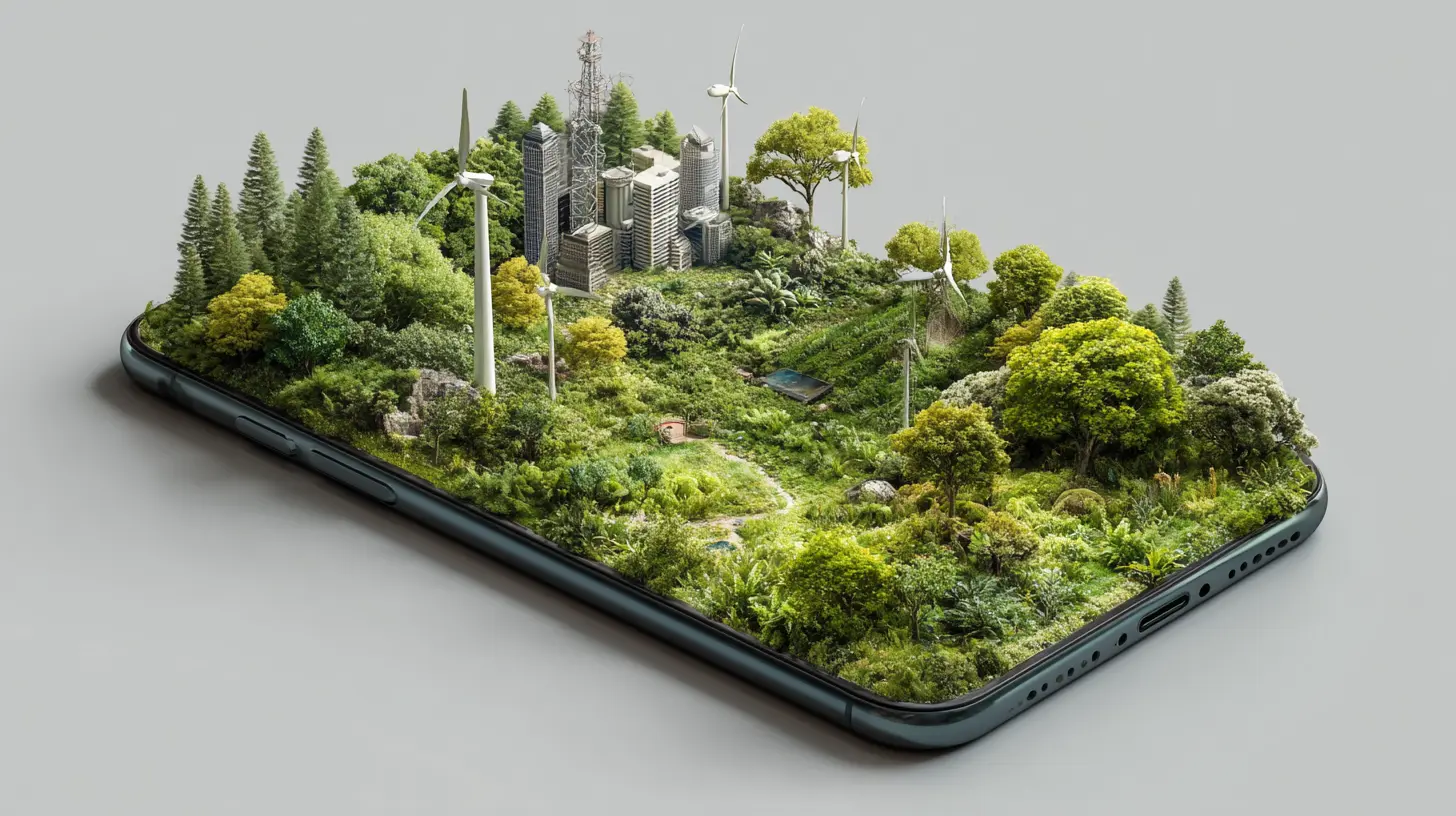
How the Smartphone Industry is Responding
Alright, it’s not all doom and gloom. The industry has started to recognize its environmental impact, and several players are finally doing something about it. Let’s break it down.1. Eco-Friendly Materials
One of the biggest shifts is toward sustainable materials. Brands are replacing virgin plastics with recycled ones, using ethically sourced metals, and even exploring biodegradable components.- Apple now uses 100% recycled aluminum in many of its products.
- Fairphone, a pioneer in ethical manufacturing, uses recycled plastics, conflict-free minerals, and modular designs to reduce waste.
Ever touched a phone made from ocean plastics? Yep, that’s happening too.
2. Greener Manufacturing Processes
Companies are also working to decarbonize their manufacturing processes. That means shifting to renewable energy, reducing water usage, and optimizing logistics.- Samsung has committed to going fully carbon neutral in its device division by 2030.
- Apple powers all of its offices, stores, and data centers with renewable energy and is pushing its suppliers to do the same.
It's like upgrading the software of the entire supply chain.
3. Modular and Repairable Designs
Remember when you could just replace your phone battery if it stopped working? Good news—that trend may be making a comeback.Modular phones are designed so individual parts can be replaced or upgraded without tossing the whole device. This not only reduces waste but also extends the life of your smartphone.
- Fairphone again leads the way here, letting users easily swap out screens, cameras, and batteries.
- Framework, while more known for laptops, is influencing similar trends in mobile hardware.
It’s like building a LEGO phone—repairable, upgradable, and way better for the planet.
4. Longer Software Support
Let’s be honest—one of the biggest reasons we ditch our phones is outdated software. Companies are catching on.- Apple provides iOS updates for devices 5–6 years old.
- Samsung and Google have started offering 4–5 years of Android updates for newer models.
More updates mean you can hold onto your phone longer—and every extra year your phone stays in use significantly reduces its environmental impact.
5. Trade-In and Recycling Programs
Many companies now offer trade-in options, recycling programs, and incentives for returning old devices.- Apple GiveBack, Samsung Recycle, and Best Buy Trade-In programs help ensure that your old gadget gets a second life—or is properly broken down and recycled.
Think of it as phone reincarnation. ?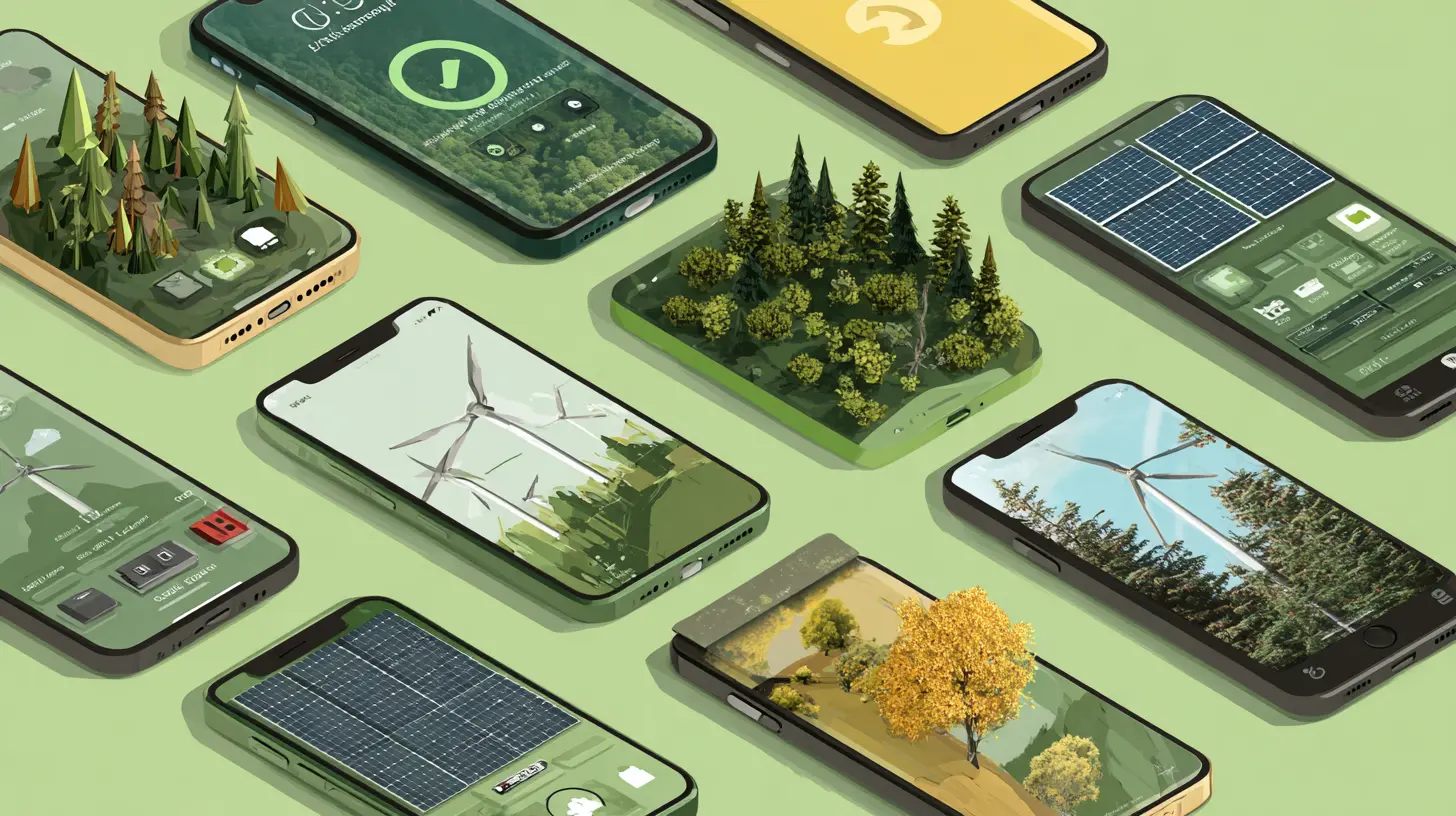
The Rise of the Eco-Conscious Consumer
Now, let’s not give all the credit to the manufacturers. You—yes, you—have played a crucial role in pressing for change.Today’s consumers are savvier, louder, and greener. Reviews and buying decisions now often hinge on a company’s sustainability record. Don’t believe it? A 2022 survey by Deloitte found that 32% of consumers had stopped buying from brands with poor environmental practices.
So when you hold companies accountable, they notice. Your purchasing power is like a vote for the planet.
Upcoming Innovations in Sustainable Smartphones
What lies ahead? Well, the green tech wave is just getting started. Here are some cutting-edge innovations that could redefine sustainable smartphones.Biomaterials: Phones That Can Compost?
Researchers are developing biodegradable plastics and components that could one day make fully compostable phones a reality. Imagine tossing your old phone in the compost bin—wild, right?Graphene Batteries
Battery tech is also evolving. Graphene batteries charge faster, last longer, and are more environmentally friendly than lithium-ion models. They’re still in the early phases but hold massive promise.Solar and Kinetic Charging
Tired of plugging in your phone every night? Future devices might just power up from ambient light or motion. Some prototypes already harness solar energy or charge through hand movement.AI for Energy Optimization
AI isn’t just for suggesting your next Netflix binge. In smartphones, AI is being used to reduce background processes, optimize battery usage, and even manage heat more efficiently—reducing energy waste every second your phone is on.How You Can Make a Greener Smartphone Choice
Feeling inspired to go green with your next phone? Here’s a quick checklist you can use as a responsible consumer:- ✅ Look for brands with clear sustainability reports.
- ✅ Choose devices with modular or repairable designs.
- ✅ Hold onto your phone for as long as possible.
- ✅ Consider buying refurbished.
- ✅ Always recycle your old devices.
And remember, even small choices make a big difference over time.
The Bottom Line
The smartphone industry is at a crossroads. On one side, there's massive environmental damage driven by unchecked production and consumerism. On the other, there's a greener, more sustainable future powered by innovation, responsibility, and conscious choices.We’re not saying ditch your phone and move to a cave. But being aware of your options and supporting companies that prioritize the planet? That’s a smart call—pun intended.
As we continue to demand more eco-conscious practices from tech giants and change our habits too, we’re not just getting smarter phones—we’re becoming smarter consumers. And that’s sustainability you can take to the bank.
all images in this post were generated using AI tools
Category:
Mobile TechnologyAuthor:

Kira Sanders
Discussion
rate this article
2 comments
Cecilia Hardy
Great article! It's exciting to see how the smartphone industry is making strides toward sustainability. From eco-friendly materials to energy-efficient designs, every step counts. Let's cheer on the innovations that not only enhance our tech experience but also help protect our planet. Keep up the fantastic work, everyone!
May 22, 2026 at 3:33 AM
Kira Sanders
Thanks for your support! It's inspiring to see the industry's progress towards sustainability. Let's keep pushing for more innovation for a greener future!
Harper McCartney
It's exciting to see the smartphone industry taking steps toward sustainability! From eco-friendly materials to energy-efficient designs, these innovations show a real commitment to our planet. It's inspiring to think how technology can support a greener future. Let's keep pushing for more positive changes in this space!
May 9, 2026 at 12:03 PM
Kira Sanders
I completely agree! It's great to see the smartphone industry making strides toward sustainability. Every step counts, and it's exciting to envision a greener future through innovation. Let's keep advocating for these changes!