Surveillance Technologies Misused in Wildlife Monitoring
November 25, 2024 - 14:10

Remotely operated camera traps, sound recorders, and drones are increasingly being employed in conservation science to monitor wildlife and natural habitats. However, concerns have arisen regarding the potential misuse of these technologies to intimidate and spy on women in protected natural areas. The dual-use nature of such tools highlights the need for ethical guidelines and oversight in their application to ensure they serve conservation goals without infringing on personal privacy and safety.
MORE NEWS

October 27, 2026 - 04:50
Acquisition Deal Reached for IEP Technologies and Newson GaleMarlborough-based IEP Technologies and its affiliate Newson Gale are being acquired in a deal that will transfer ownership of both industrial safety businesses to a new parent company. The...

October 26, 2026 - 04:21
Amkor Technology: Nvidia's $3 Billion Vote Of Confidence Lands On A De-Rated StockAmkor Technology is drawing fresh attention after a major vote of confidence from Nvidia, a development that lands on a stock that had already been trading at a reduced valuation. The semiconductor...
October 25, 2026 - 18:09
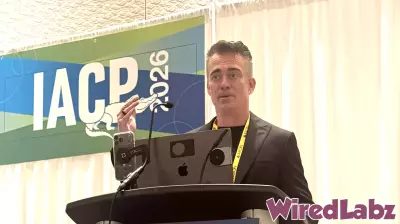
Axon Chief Calls on Police to Help Guide Technology RulesPolice leaders should take an active role in shaping how new technology is regulated rather than leaving the decisions to others, according to the head of one of the largest suppliers of law...

October 24, 2026 - 23:29
Broadcom and Dell: Choosing Between AI Growth and Value in 2026Investors weighing exposure to artificial intelligence infrastructure face a sharp contrast between two very different companies. Broadcom delivers exceptional profitability, with net margins...