Wireless Charging: What’s Next for Mobile Power Solutions?
17 January 2026
Let’s face it — we’ve all been there. You’re finally comfy, lounging like a potato on the couch, popcorn in hand… and your phone’s on 2%. The charger is just out of reach, and for one brief moment, life feels like a cruel joke.
But then you remember — wireless charging! No more bending over to plug in. No more worn-out cables fraying after months of use. Just sweet, cordless power flowing magically into your device. But here’s the thing: wireless charging is still in its toddler phase. So, what’s next? Where are we headed with mobile power solutions?
Buckle up (or should I say, plug out?) — we’re diving into the quirky future of charging without cords!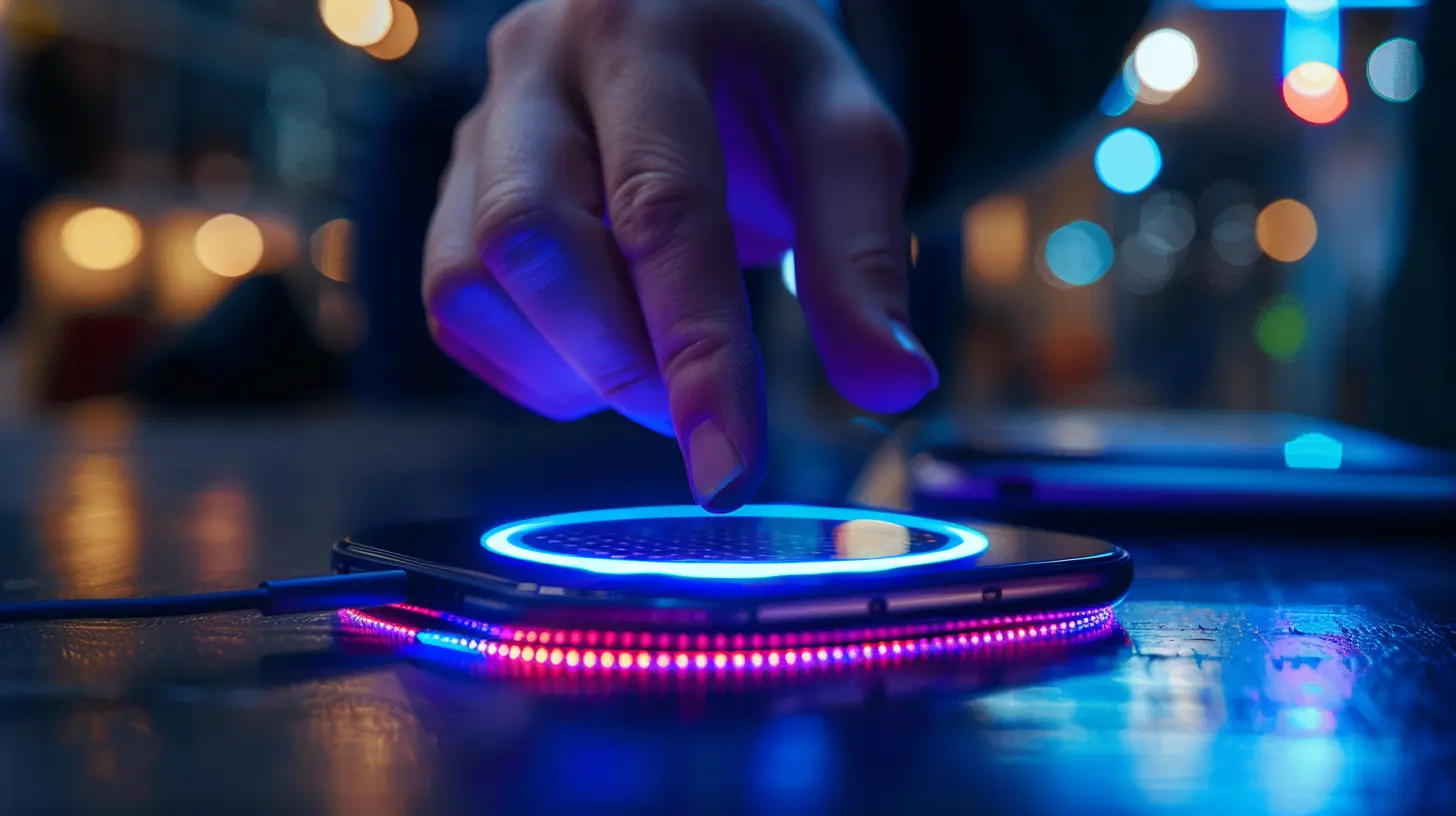
What’s the Buzz with Wireless Charging Anyway?
Wireless charging, also known as inductive charging, isn’t exactly new. It's been around for years, and some electric toothbrushes were already doing this long before it hit smartphones. But now that it’s mainstream — in phones, earbuds, watches, and even furniture — people are getting curious.The technology works by transferring energy between two coils: one in the charging pad and one in your device. Think of it like sending invisible hugs from the pad to your phone. It’s simple, convenient, and slowly removing the need for cables faster than a cat shreds your charger wire.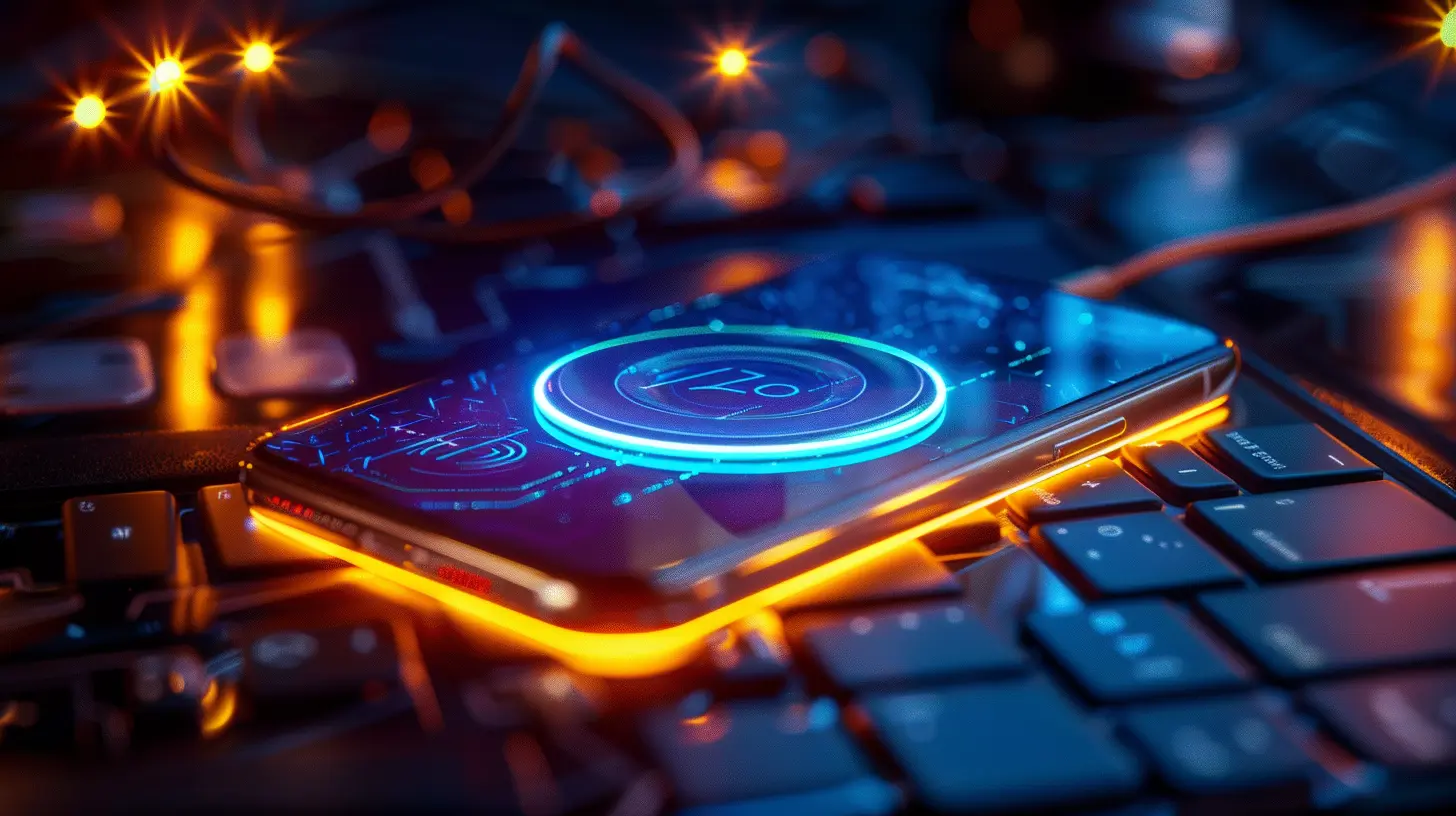
The Current State of Wireless Charging
Sure, it's cool — drop your phone on a pad, and boom, it charges. But let’s be real: it’s still kinda slow compared to a wired fast charger. Plus, the pad needs to line up just right or your phone doesn’t charge at all. (And nothing’s more annoying than waking up to a 17% battery because your phone shifted two millimeters overnight.)Right now, most standard wireless chargers work at 5W to 15W. Some high-end phones and chargers can go up to 30W or more, but that’s still lagging behind the 100W+ speeds of wired tech.
Also, wireless charging pads still need to be plugged in. So, it’s wireless... but with wires? Yeah, a bit ironic.
The Burning Question: What's Next?
Okay, now we’re getting to the juicy stuff. Future wireless charging is all about freedom, speed, and intelligence. Basically, we want to charge our devices the way Tony Stark powers his suits — wirelessly, efficiently, and with some serious flair.Let’s dig into the quirky tech that’s on the horizon.
1. Real Wireless Charging — No Pads, No Contact
Imagine walking into a room and your phone starts charging… without touching anything. Sounds like sorcery, right?Well, companies like Xiaomi and Ossia are working on true over-the-air wireless charging. We're talking about powering devices through the air using radio frequencies or ultrasonics. Your phone, headphones, smartwatch — all charging just by being in the same room as the transmitter. It’s like Wi-Fi, but for electricity. Mind = blown.
But there's a catch (there's always a catch): safety and efficiency. Beaming power wirelessly through the air could raise concerns about health, interference with other devices, and wasting energy. And regulators? Yeah, they’re watching closely.
Still, the potential is enormous. Imagine being completely done with wires — no more forgetting your charger when you travel, no more borrowing someone’s sketchy cable that probably came from the bottom of a bargain bin. Freedom, baby.
2. Faster Than Ever: Charging in Minutes
We're addicted to speed. We want our phones to charge in minutes, not hours. While wired charging is already speeding ahead (hello, 120W charging!), wireless is trying to catch up.New advancements in high-frequency resonance and Gallium Nitride (GaN) tech could juice up your phone faster without brushing your eyebrows off from overheating.
And guess what? Future devices may use AI-powered charging algorithms to optimize power delivery based on battery wear, usage habits, and even temperature. Smart and fast? That’s a combo we can get behind.
3. Charging Multiple Devices at Once? Yes, Please.
Wireless pads right now are... picky. You put two phones on them, and one gets ignored like a middle child. But future charging mats and surfaces will be smarter and more accommodating.Think multi-device dynamic charging zones — a fancy way of saying, “Put your stuff anywhere, and it’ll charge.”
Apple teased this idea with the cancelled AirPower, but tech giants are still chasing the dream. Companies like Nomad and Zens are making progress with overlapping coils and smart zone detection. We’re talking true drop-and-charge freedom.
4. Smart Surfaces and Furniture Charging
What’s cooler than a charging pad? A charging table, charging shelf, or even a charging wall. Yup — wireless charging will increasingly be built into furniture and surfaces. Your nightstand could juice up your smartwatch and earbuds while you snooze.IKEA’s already onboard (because of course they are). The future might look like this: you walk into your kitchen, drop your phone on the counter, and it charges while you pour coffee. Your office desk? A non-stop power buffet. Less clutter, more convenience.
5. Green and Clean: Eco-Friendly Wireless Charging
The future’s not just fast — it’s also green. As we move toward a world where we wirelessly sip energy like cosmic smoothies, energy efficiency will be crucial.Researchers are experimenting with solar-powered transmitters, recycled charging components, and optimized energy transfer systems that waste less juice during charging. Think of it as eco-conscious energy beaming. It's like giving your phone a guilt-free recharge.
6. One Charger to Rule Them All: Universal Standards
Right now, wireless charging is a bit of a tangled mess (ironically). Some devices use Qi, some don’t. Some need special cases or accessories. It’s like trying to find the right shampoo in a sea of lookalikes.But that’s changing. The Qi2 standard, based on Apple’s MagSafe tech, is aiming to bring universal compatibility, faster charging, and magnet-based alignment for devices across brands. Imagine being able to share a single wireless charger with your friends, regardless of whether they’re on Team Android or Team iPhone.
Finally, peace in the galaxy.
7. Wearables & IoT: The Tiny Wireless Revolution
Our smartwatches, earbuds, and fitness rings are getting smaller by the day, and plugging them in feels like microsurgery. Wireless charging makes total sense here.In the near future, we’ll likely see reverse wireless charging from smartphones become mainstream — where your phone acts like a charging station for your AirPods or smartwatch. Like a mama duck feeding its ducklings. Adorable, right?
Also, ambient charging for wearables might become a thing. Imagine your fitness band pulling energy from your body heat, motion, or even ambient light — and only resorting to wireless charging when needed. That’d be one smart cookie.
8. Wireless Charging for EVs & Beyond
Okay, okay — this one’s not about smartphones, but it’s too cool not to mention. Did you know that the same tech behind phone wireless charging is now being tested for electric vehicles?Imagine pulling your car into the garage and — voilà — it starts charging the moment it parks. No cables. Just clean, wireless energy. Some cities are even testing public roads that charge EVs as they drive. Talk about power on the go!
If that doesn't scream future, nothing does.
The Challenges Ahead (Because Nothing’s Perfect)
Alright, before we get carried away with visions of floating phones and endless power, let's address the elephant in the room. Wireless charging still has some hurdles to jump:- Efficiency: Wireless charging loses more energy compared to wired charging. That’s not great for your electric bill or the planet.
- Heat: More energy loss = more heat. And heat is basically battery kryptonite.
- Cost: The tech is still more expensive to implement across large-scale environments.
- Health Concerns: Over-the-air charging makes people nervous. No, it probably won’t fry your brain, but we need long-term studies to say it’s totally safe.
But hey — every tech was wonky in its early days. Remember when Wi-Fi felt like voodoo? Or when Bluetooth headphones were trash? Now they’re essential. Wireless charging will go the same way — just give it time to grow out of its awkward teens.
So… Is Wireless Charging the Future?
Let’s put it this way: once you’ve gone wireless, it’s hard to go back. Sure, it’s not perfect (yet), but the sheer convenience makes it worth it. And the future promises insane possibilities — seamless over-the-air power, AI-enhanced speed, smart furniture that juices your gadgets, and real universal compatibility.We're heading into a world where wires will feel as ancient as floppy disks. So, next time your battery's running low, don’t sweat it — the future of mobile power is bright, smart, and delightfully cord-free.
Final Thoughts
Wireless charging might have started as a novelty, but it’s charging (pun 100% intended) into the future with serious momentum. From invisible room-based charging to powering your devices in seconds, the coming years are going to be full of shockingly awesome advancements.So keep your phone charged, your eyes wide open, and your charging cables ready for retirement.
Talk about power moves, huh?
all images in this post were generated using AI tools
Category:
Mobile DevicesAuthor:

Kira Sanders
Discussion
rate this article
2 comments
Enid Vaughn
Wireless charging is evolving rapidly, focusing on increased efficiency, faster charging speeds, and broader device compatibility.
January 24, 2026 at 4:05 AM
Kira Sanders
Absolutely! The evolution of wireless charging is set to enhance user convenience with improved efficiency and faster speeds, making it more versatile across various devices.
Carmen Phelps
In the realm where currents dance, Wireless whispers enhance our chance. Future’s pulse, untethered grace, With each charge, a new embrace— Power flows, innovation’s song, In this journey, we belong.
January 20, 2026 at 4:05 AM
Kira Sanders
Thank you for capturing the essence of wireless charging! Your poetic perspective beautifully highlights the potential and promise of untethered technology in our lives.