Why Productivity Apps Will Dominate the Workforce by 2027
17 April 2026
Remember the days of the overflowing desk calendar, the sticky note mosaic on your monitor, and the frantic search for that one email from three weeks ago? It feels almost archaic, doesn’t it? Our work lives have been quietly revolutionized, not by a single seismic event, but by a steady, pervasive wave of digital tools. And we’re just getting started. I’m here to tell you that by 2027, productivity apps won’t just be helpful sidekicks; they will be the very operating system of the modern workforce. They will be the invisible architecture upon which companies are built, teams collaborate, and individuals find their flow. Let’s dive into why this isn't just a prediction, but an inevitable shift already in motion.
The Perfect Storm: Why Now?
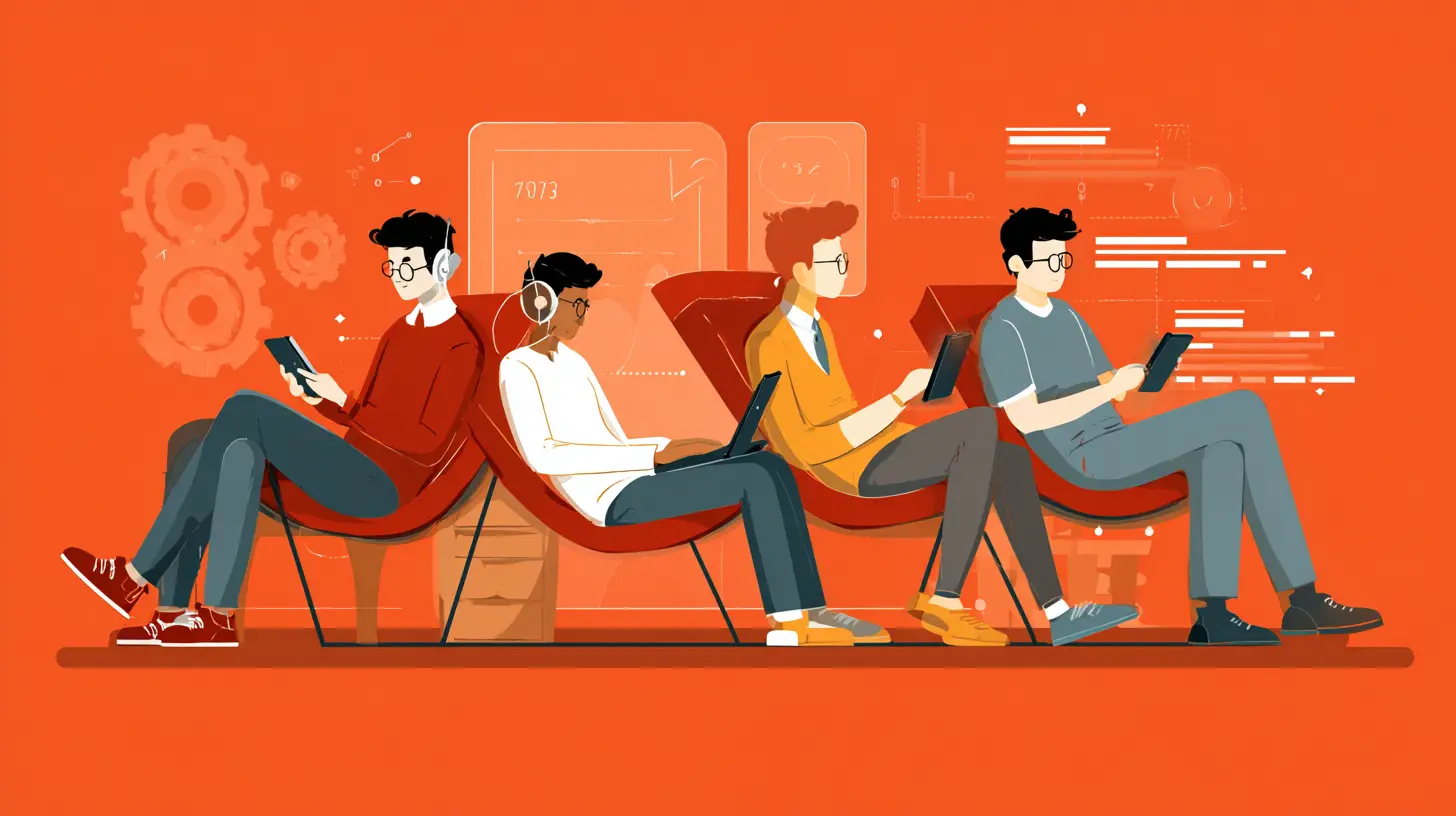
Think of it like a recipe for a digital transformation. You need several key ingredients to come together at the right time. For productivity apps, that time is now, and the simmering pot is about to boil over.First, the hybrid and remote work genie is out of the bottle, and no one's putting it back. The global experiment forced upon us proved something profound: work is not a place you go, but a thing you do. This scattered, flexible model created a desperate need for a "digital headquarters." We can't pop over to a colleague's desk anymore. We need a virtual space for that. Enter apps like Slack, Microsoft Teams, and ClickUp. They’ve become our hallways, our meeting rooms, and our water coolers.
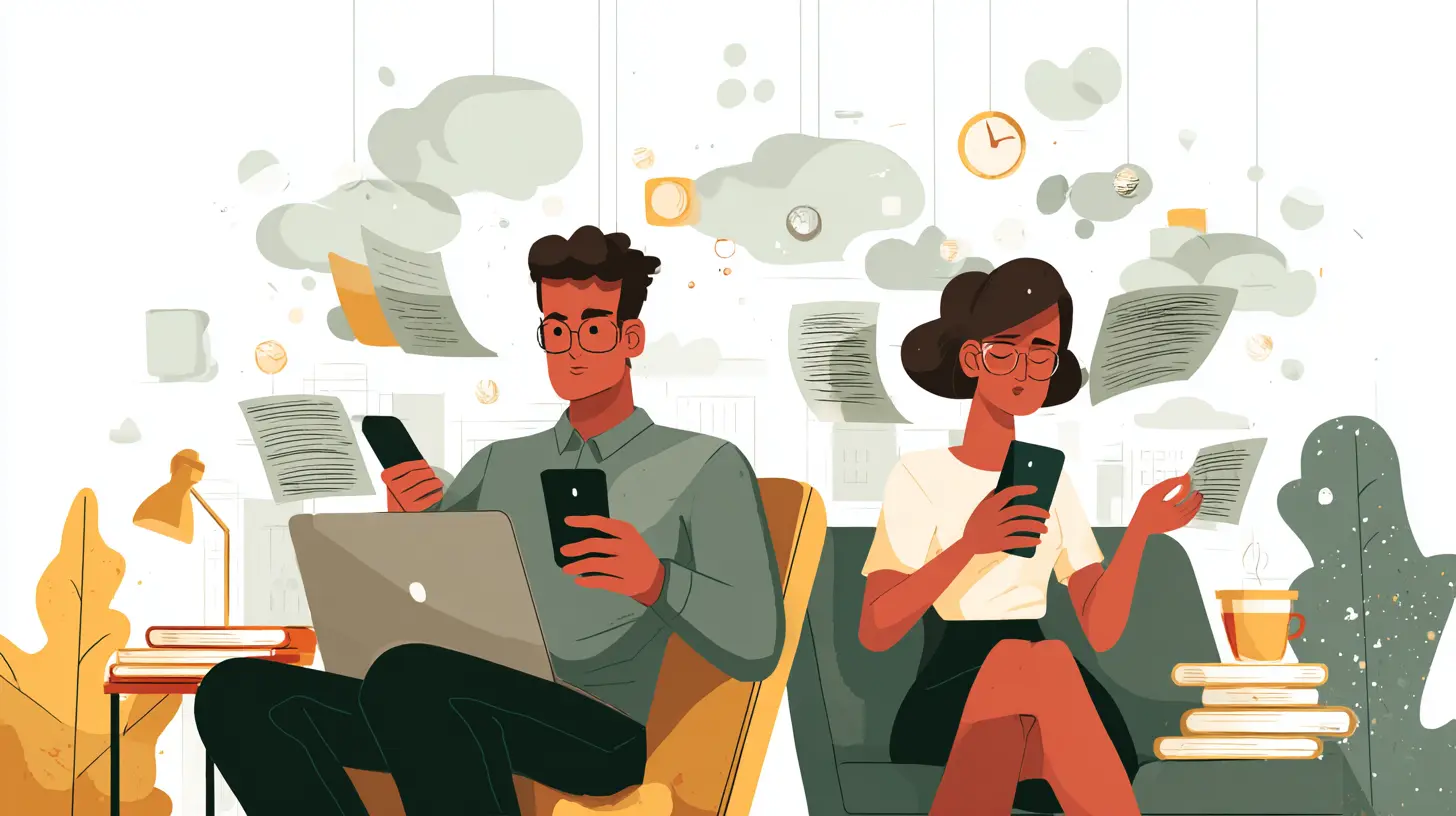
Second, we’re drowning in data and context-switching. Our attention is the most fractured it has ever been. A study from the University of California Irvine found it takes an average of 23 minutes and 15 seconds to get back to a task after an interruption. That’s catastrophic for deep work! Modern productivity apps are no longer just about lists; they’re about orchestration. They integrate our communication, our documents, our projects, and our goals into a single, flowing stream of work, fighting back against the chaos.
Finally, there's the rise of AI and machine learning. This is the rocket fuel. We’ve moved from dumb digital notepads to intelligent assistants that can predict our next move, automate the mundane, and surface the information we need before we even ask. This intelligence is what will catapult these tools from being used to being essential.
Beyond To-Do Lists: The Evolution into Command Centers
Gone are the days when "productivity app" meant a simple checklist. That’s like comparing a paper map to Google Maps with live traffic, satellite imagery, and restaurant reviews. Today’s apps are evolving into all-in-one work execution platforms.Imagine this: You start your Monday morning. Instead of opening ten different tabs—email, chat, project tracker, document editor—you open one. Inside, you see:
* A notification that an AI bot has summarized the key decisions from last week's project meetings.
* Your prioritized tasks for the day, automatically generated based on project deadlines and your calendar.
* A live document your teammate is editing, with a chat thread about it pinned alongside.
* A gentle nudge that you have a deep work block scheduled in 15 minutes, and the app will automatically mute notifications.
This isn't science fiction; it’s the direction every major platform is racing toward. Apps like Notion, Coda, and Monday.com are building these connected ecosystems. They are becoming the single source of truth for an organization, eliminating the silos that cripple efficiency and innovation. By 2027, this integrated, intelligent command center will be the standard, not the exception.
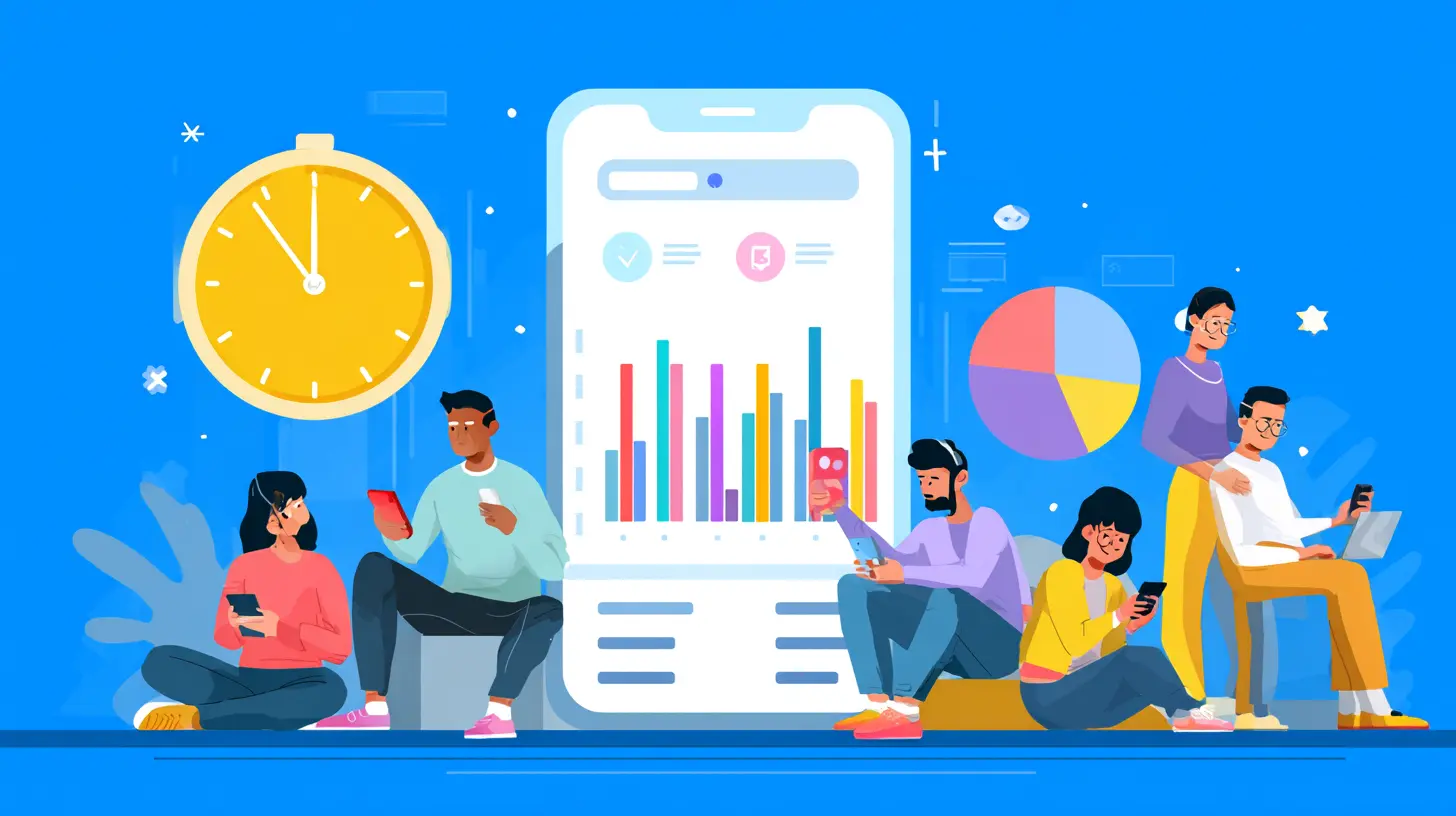
The AI Co-Pilot: Your New Favorite Colleague
This is perhaps the most exciting driver. Artificial Intelligence is transitioning from a buzzword to a built-in, practical teammate within these apps. Let’s talk about what this looks like in the real world.Say goodbye to robotic, repetitive tasks. How much time do you spend scheduling meetings, formatting reports, transcribing notes, or tagging documents? AI is automating this "work about work." Tools like Otter.ai transcribe in real-time. Calendly finds meeting times across time zones. AI writing assistants in apps like Grammarly or within Google Docs polish communication instantly.
But it goes deeper. Predictive and prescriptive analytics will become mainstream. Your project management tool won't just show you that a deadline is at risk; it will analyze past project data, team velocity, and current bottlenecks to prescribe a solution—maybe it suggests reassigning a task or breaking down a deliverable. It’s like having a seasoned project manager looking over your shoulder, offering data-driven advice 24/7.
Furthermore, AI will personalize the work experience. The app will learn how you work best. Do you tackle creative tasks in the morning? It will shield that time. Do you forget to follow up on certain emails? It will create gentle reminders. This personalized layer turns a generic tool into your tool, dramatically increasing adoption and effectiveness.
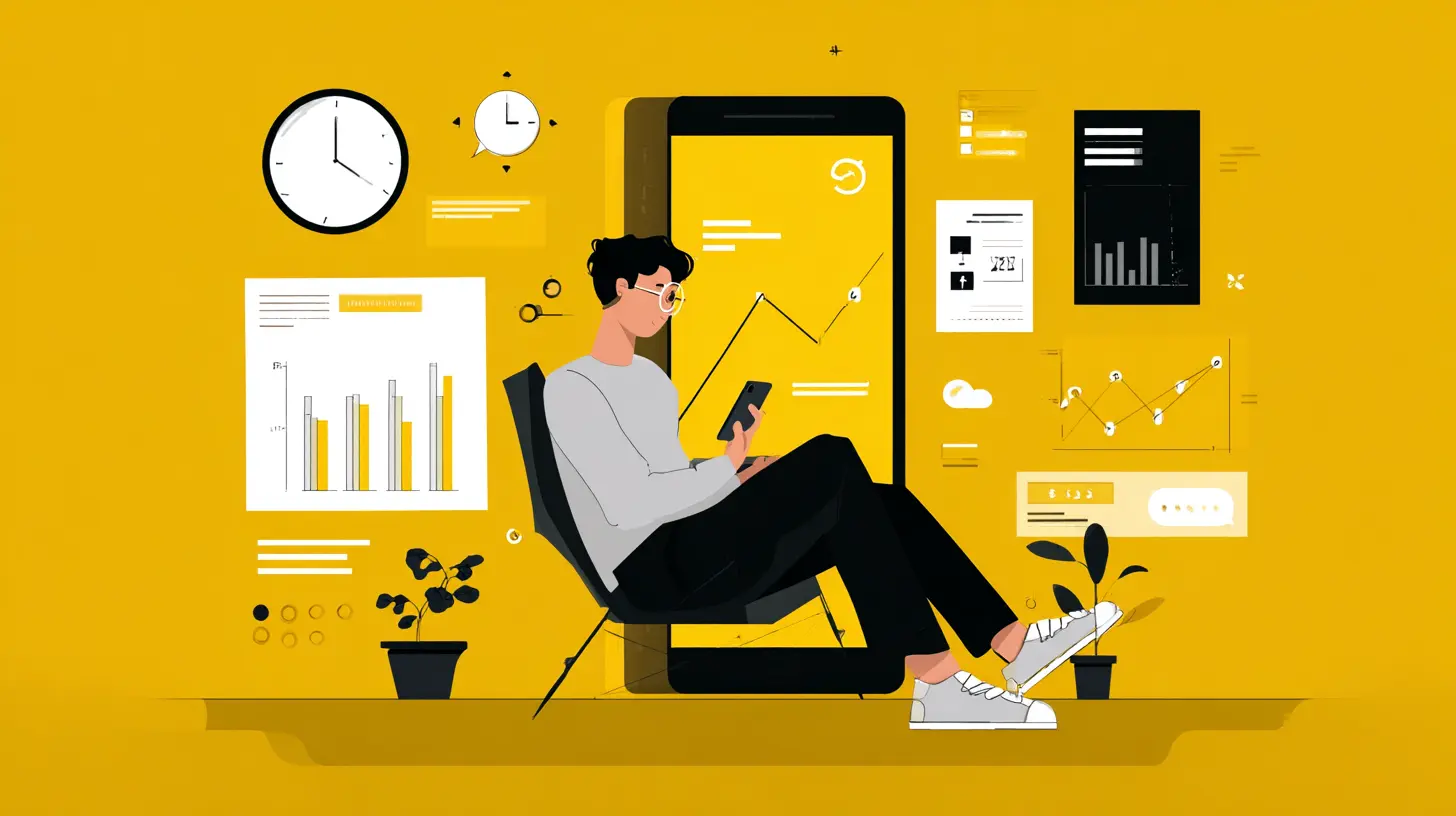
The Human Element: Augmentation, Not Replacement
Now, I can hear the worry. "Will this turn us into robots, managed by algorithms?" It’s a fair fear, but I believe the opposite is true. Think of these apps not as a replacement for human ingenuity, but as the ultimate set of power tools.A master carpenter doesn't lament the invention of the electric saw; they use it to build more beautiful, complex structures faster. Similarly, by offloading cognitive load and administrative drudgery to our digital tools, we free up our most valuable assets: human creativity, strategic thinking, and emotional intelligence.
The goal is to let humans do what humans do best—connect ideas, inspire teams, navigate complex social dynamics, and think outside the box—while the app handles the logistics. This synergy is where the magic happens. By 2027, the most sought-after skill in the workforce might be "orchestration intelligence"—the ability to effectively leverage these tool ecosystems to amplify team and individual potential.
The Data-Driven Organization: From Gut Feel to Crystal Clear
Here’s a shift that will redefine management: productivity apps are turning work from something opaque into something transparent and measurable. This isn't about micromanaging keystrokes; it's about understanding workflow health.Leaders will have dashboards that show not just what is being done, but how work is flowing. They can see:
* Where bottlenecks consistently form.
* Which teams are collaborating most effectively.
* If workloads are balanced or if burnout risk is high.
* The actual impact of process changes.
This moves decision-making from the realm of "gut feel" to data-driven strategy. It allows for proactive course correction. If the data shows that projects consistently stall in the design review phase, leadership can invest in better review protocols or training. This continuous feedback loop, powered by the data these apps collect, will make organizations incredibly agile and resilient.
The Inevitable Hurdles: Security, Overload, and Choice
The path to 2027 won’t be without potholes. Three major challenges need navigating:1. Security and Privacy: As all our work eggs move into these digital baskets, the baskets become juicier targets. A breach isn't just a data leak; it's a total operational shutdown. App providers will need to make enterprise-grade security the default, not a premium add-on. Zero-trust architecture and end-to-end encryption will become standard expectations.
2. App Fatigue and Overload: There's a cruel irony in using ten different "productivity" apps that make you less productive. The market will see a great consolidation. Employees and companies will demand platforms that do more, integrate seamlessly, and reduce the number of contexts they need to switch between. The winners will be the ecosystems, not the single-point solutions.
3. The Paradox of Choice: With so many options, how do you choose? This will lead to the rise of specialized roles like "Workflow Architect" or "Digital Productivity Consultant." These will be people who understand both human psychology and software capabilities, crafting tailored tool stacks for companies and teams.
The 2027 Workplace: A Glimpse into the Future
So, let’s paint a picture of a Tuesday in 2027. You, a knowledge worker, log into your company’s unified work platform. An AI summary greets you, highlighting updates from teams in other time zones. Your focus schedule, synced with your biometric wearable data (which suggests you're most alert now), has blocked the morning for creative work. As you draft a proposal, the app suggests relevant data from past projects and auto-formats it to company standards.A notification pulses (not blares) – your teammate in another country has hit a snag. You jump into a virtual huddle room within the platform, where a whiteboard session is automatically transcribed and turned into action items. The project timeline adjusts in real-time. You never opened a separate video app, a note-taking app, or your project tracker. It all just… flowed.
By lunch, you’ve done deep work, collaborated across continents, and moved a key project forward—all with a sense of clarity, not chaos. The tool didn't dominate your day; it quietly empowered it.
Conclusion: Not Just Dominance, But Symbiosis
By 2027, productivity apps will dominate the workforce not because they force their way in, but because they solve fundamental human and organizational problems in an increasingly complex, digital, and dispersed world. They will be the glue, the nervous system, and the collective brain of our work lives.This dominance represents a shift towards a more intentional, intelligent, and human-centric way of working. It’s about building a symbiosis where technology handles the predictable, so we can thrive in the unpredictable. The future of work isn't about being replaced by machines; it's about being augmented by them. And the vehicle for that augmentation? It’s the humble, ever-evolving productivity app, poised to become the most indispensable piece of software on your device. The question isn't if you'll be using these platforms, but how well you'll leverage them to build your best work.
all images in this post were generated using AI tools
Category:
Productivity AppsAuthor:

Kira Sanders
Discussion
rate this article
2 comments
Uri McKinney
This article raises important points about the increasing role of productivity apps in the workplace. While technology can enhance efficiency, I wonder about the potential downsides—such as burnout and over-reliance on digital tools. Striking a balance between tech and human interaction will be crucial as we move forward.
April 19, 2026 at 4:28 AM
Kira Sanders
Thank you for your insightful comment! You're absolutely right—while productivity apps can boost efficiency, it's essential to find a balance to prevent burnout and maintain human connections in the workplace.
Cadence Mullen
This article insightfully explores the inevitable rise of productivity apps in the workplace by 2027. With advancements in AI, remote collaboration tools, and personalized user experiences, these apps will streamline workflows, enhance efficiency, and foster better team communication, fundamentally transforming how we work and manage tasks in various industries.
April 17, 2026 at 3:51 AM
Kira Sanders
Thanks for your thoughtful comment! I completely agree that the rise of productivity apps will reshape our work environments. Exciting times ahead!