The Role of Eco-Friendly Drones in Conservation and Sustainability
18 May 2026
Technology and the environment—two topics that often seem at odds—are beginning to find harmony in the most unexpected ways. One of the most exciting technologies making waves in environmental conservation is the rise of eco-friendly drones. Imagine drones, those whirring machines often associated with tech enthusiasts or package deliveries, becoming nature's guardians. Sounds far-fetched? Well, hold tight because we're about to dive deep into how these devices are playing a crucial role in our planet's sustainability efforts.
The Growing Need for Conservation and Sustainability
Before we get into the nitty-gritty of eco-friendly drones, let's zoom out (pun intended) and talk about why conservation and sustainability matter now more than ever.Our planet is under immense pressure from human activity. From deforestation to climate change, species extinction to pollution, the environmental challenges we face today are as vast as they are complex. Traditional methods of monitoring and managing ecosystems, while effective in some ways, can be slow, costly, and even destructive.
Enter drones—swift, versatile, and now, increasingly eco-friendly. These flying robots are offering a new perspective on conservation, quite literally from above. But they’re not just all about fancy aerial shots. Eco-friendly drones are actively reducing the human footprint in conservation efforts, and the benefits are as vast as the skies they soar through.
What Are Eco-Friendly Drones?
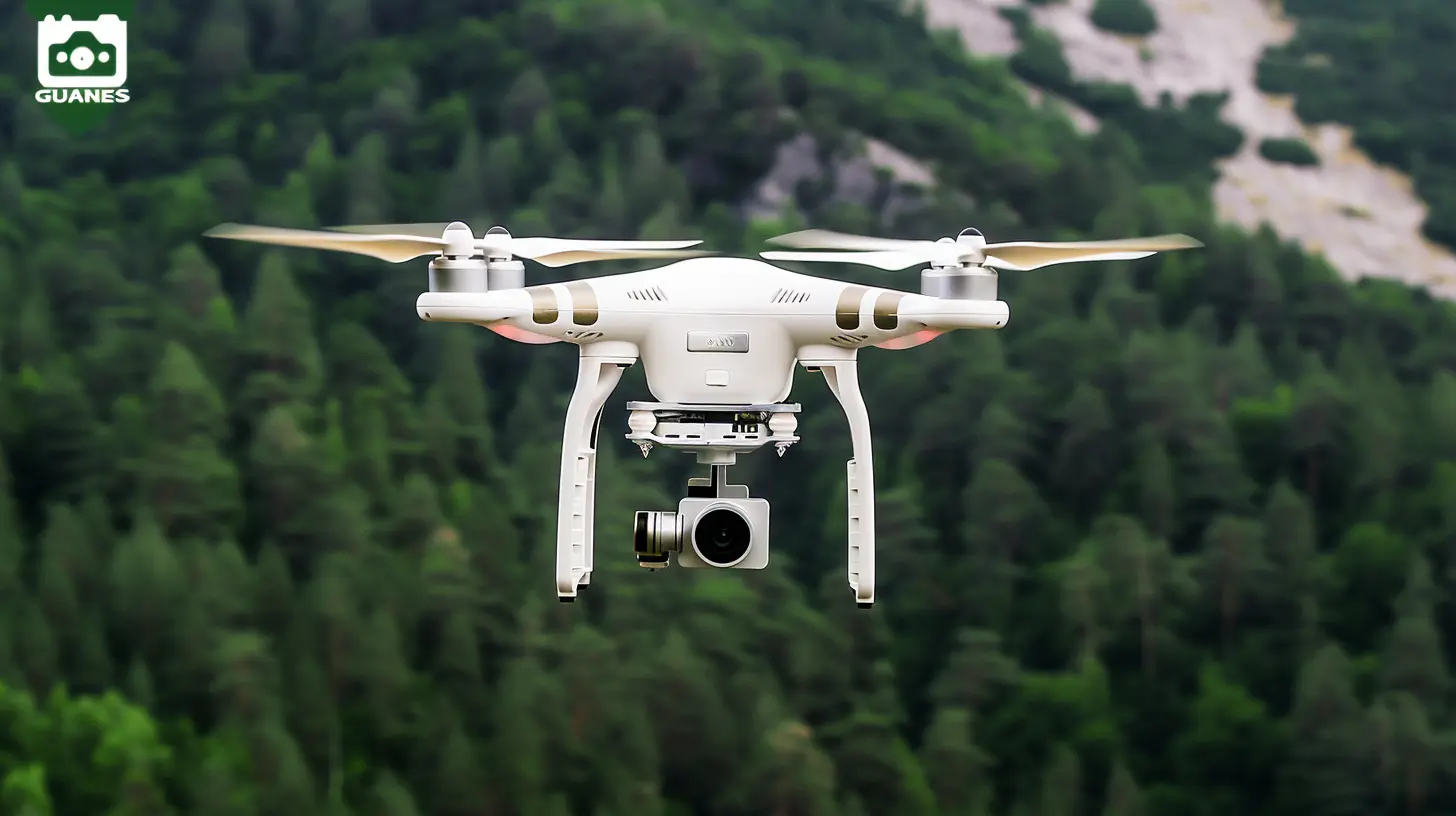
First things first—what exactly do we mean by "eco-friendly drones"? Drones, also known as Unmanned Aerial Vehicles (UAVs), are traditionally powered by fossil fuels or batteries, and like any technology, they have an environmental impact. Eco-friendly drones, however, are designed to minimize that impact.They may use renewable energy sources like solar power, or they might be engineered to have a longer flight duration to reduce energy consumption. Some are made from sustainable, biodegradable materials, ensuring that even if they crash or malfunction, they won’t leave behind toxic waste.
But it's not just about their construction. It’s also about how they’re used. When drones are deployed for conservation, they replace or reduce the need for helicopters, trucks, or even human intervention in fragile ecosystems. Less fuel used, less damage done. It’s a win-win.
Ways Eco-Friendly Drones Are Contributing to Conservation
1. Wildlife Monitoring and Protection
Keeping an eye on endangered species is no easy task. Traditional wildlife monitoring often involves boots-on-the-ground fieldwork, which can disturb the very habitats we’re trying to protect. Eco-friendly drones are changing the game by offering a non-intrusive way to monitor wildlife from above.Take, for example, elephants in Africa. Poaching has decimated populations of these majestic animals, and keeping constant tabs on such vast areas of land is nearly impossible with human patrols alone. Drones, however, equipped with thermal imaging cameras, can fly over these areas day and night, detecting poachers and alerting authorities in real-time.
In the Arctic, researchers are using drones to monitor polar bears and their dwindling ice habitats. Before drones, this kind of research was often dangerous, expensive, and environmentally harmful, involving helicopters and ships. But now, drones can quietly observe without disturbing the bears or burning tons of fossil fuel.
2. Reforestation Efforts
How do you plant a million trees in a day? It sounds like a Herculean task, but with drones, it's actually possible—and it's happening. Drones equipped with seed pods are being used to replant forests quickly and efficiently.Instead of sending out teams of people to manually plant trees, drones can fly over deforested areas and drop biodegradable seed pods, which are packed with nutrients to boost the chances of germination. Some startups are already using this technology to plant trees in areas devastated by wildfires or illegal deforestation.
Not only does this method save time and labor, but it also reduces the environmental impact of reforestation efforts. There’s no need to march through fragile ecosystems with heavy machinery, crushing plants and soil along the way. The drones do the work, and they do it with much less disruption.
3. Combatting Illegal Deforestation
Illegal logging is a massive problem, especially in rainforests like the Amazon. Forest rangers tasked with protecting these expansive areas often struggle to cover enough ground to catch loggers in the act. By the time they arrive, the damage is already done.Here’s where drones swoop in (literally) to save the day. Equipped with high-resolution cameras and GPS, eco-friendly drones can patrol large areas of forest, identifying illegal activities and sending real-time data to authorities. Some drones are even fitted with loudspeakers, allowing rangers to broadcast warnings to illegal loggers, scaring them off before any real damage is done.
This aerial surveillance is faster, more efficient, and far less damaging to the environment than traditional monitoring methods.
4. Ocean Conservation and Plastic Pollution Control
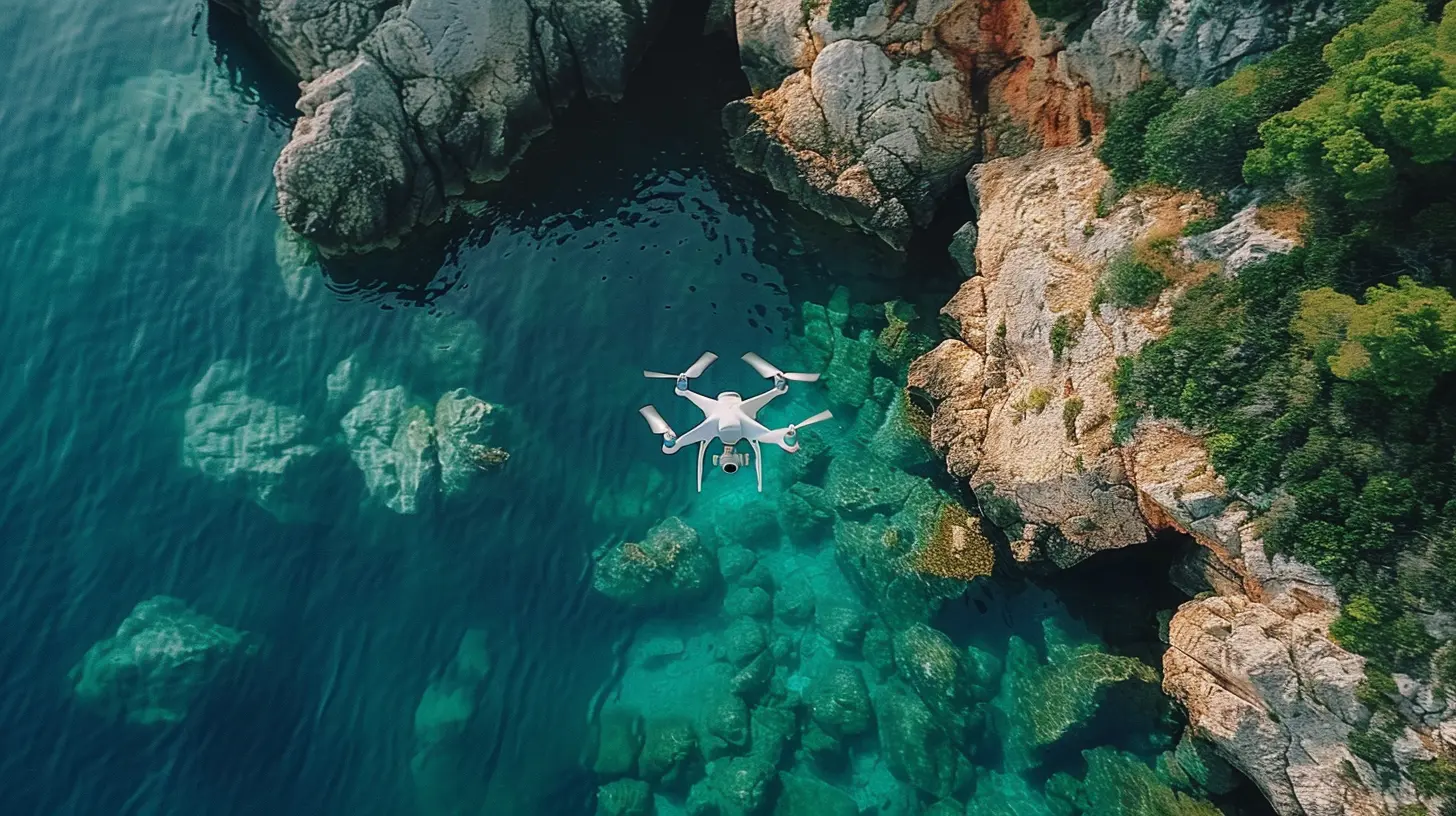
Drones aren't limited to land-based conservation efforts either. They’re also being used to protect our oceans and combat one of the most pressing environmental issues of our time—plastic pollution.Marine drones, or Unmanned Surface Vehicles (USVs), are being deployed to monitor ocean health, track marine species, and even collect plastic waste. These drones can cover vast areas of ocean without relying on fuel-guzzling ships, making ocean conservation efforts more sustainable.
Drones are also being used to track the movement of plastic pollution, helping scientists understand where the waste is coming from and how it moves through marine ecosystems. This data is crucial for developing strategies to tackle the global plastic crisis.
5. Disaster Relief and Environmental Restoration
Natural disasters like hurricanes, floods, and wildfires are becoming more frequent and destructive due to climate change. After these events, quick action is needed to assess the damage and begin restoration efforts.Drones are being used to survey disaster-hit areas quickly and efficiently, providing real-time data on the extent of the destruction. This information is crucial for directing resources where they’re needed most, without wasting time or fuel on unnecessary helicopter or plane flights.
In wildfire-prone areas, drones are also being used to monitor fire-prone zones and detect fires before they become uncontrollable. By providing early warnings, drones can help prevent massive wildfires that devastate ecosystems and release huge amounts of carbon into the atmosphere.
The Eco-Friendly Future of Drones
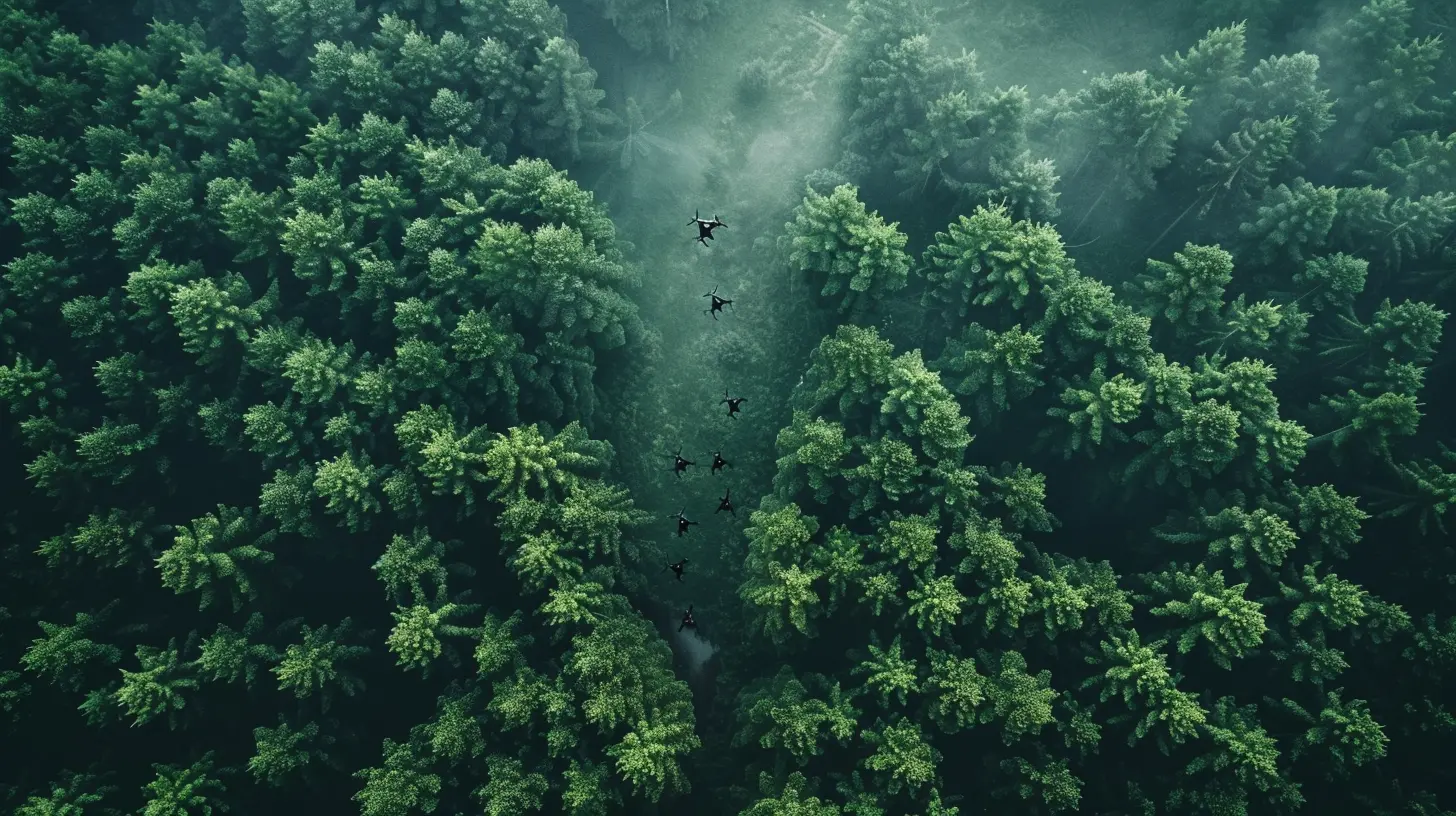
As demand for sustainable technologies grows, the drone industry is stepping up to the challenge. Eco-friendly drones are becoming more efficient, with longer flight times, better energy sources, and reduced carbon footprints. Some companies are even experimenting with fully solar-powered drones that can stay airborne for days, if not weeks, at a time.But the future of eco-friendly drones isn’t just about the technology itself—it’s about how we use these drones to make a positive impact on the environment. As more conservationists, scientists, and even governments adopt drone technology, we’ll likely see an increase in the use of UAVs for environmental purposes.
Imagine a world where drones are constantly patrolling our forests, oceans, and skies, working to protect endangered species, restore ecosystems, and combat climate change. It may sound like something out of a sci-fi movie, but thanks to the innovation happening today, that future might not be as far off as we think.
Challenges and Ethical Considerations
Of course, with any emerging technology, there are challenges. The use of drones in conservation must be done responsibly to avoid potential issues like privacy concerns or the unintended disturbance of wildlife. Regulations need to be put in place to ensure that drones are used ethically and sustainably.There’s also the issue of cost. While drones are becoming more affordable, deploying large numbers of eco-friendly drones for conservation can still be pricey, especially for non-profits and conservation groups operating on tight budgets. However, as the technology advances and becomes more widespread, costs are likely to decrease.
Lastly, while drones are eco-friendly in many ways, they still rely on energy, often in the form of lithium batteries, which have their own environmental impact. The industry must continue to innovate to find more sustainable energy solutions for these flying machines.
Conclusion
Eco-friendly drones are not just the latest tech fad—they’re a powerful tool in the fight for conservation and sustainability. From monitoring endangered species and planting trees to combating illegal deforestation and cleaning up our oceans, these drones are helping us protect the planet in ways that were previously unimaginable.As technology continues to evolve, so too will the role of drones in environmental conservation. They offer a bird’s-eye view, quite literally, of how we can work smarter—not harder—to ensure a sustainable future for generations to come.
If you’re passionate about the environment and excited about the possibilities of technology, eco-friendly drones just might be the perfect intersection of your interests. Who knows? The next time you see a drone zipping overhead, it might just be on a mission to save the world.
all images in this post were generated using AI tools
Category:
Sustainable TechAuthor:

Kira Sanders
Discussion
rate this article
2 comments
Merida Davis
Who knew drones could save the planet? Next up, we'll have them planting trees and babysitting our pets...
June 17, 2026 at 11:03 AM
Kira Sanders
It's incredible what technology can do. Who knows what the future holds? Drones might just become our eco-friendly allies in more ways than one.
Leslie McAuley
Great insights! Eco-drones can truly transform conservation efforts.
May 31, 2026 at 2:28 AM
Kira Sanders
Thank you! I'm glad you found the insights valuable. Eco-drones really do have the potential to make a significant impact in conservation efforts.