The Rise of Mobile Apps for Augmented Reality Shopping
5 January 2026
Hey there, tech enthusiasts and curious shoppers! If you've ever wished you could try before you buy without stepping into a store, you're not alone. In fact, you're part of a growing tribe that's shaping the future of retail through something truly futuristic—augmented reality (AR) shopping via mobile apps.
What sounded like something from a sci-fi flick just a decade ago is now right in your pocket. Thanks to AR-powered mobile apps, we're transforming how we shop, interact with products, and even make purchase decisions. The magic happens through your smartphone, and trust me, it's more than just a gimmick.
Let’s dive deep into how AR is reinventing the shopping experience and why mobile apps are at the very heart of this digital revolution.
Table of Contents
1. What is Augmented Reality Shopping Anyway?2. Why Mobile Apps are Driving AR Shopping
3. Real-World Examples of AR Shopping Apps
4. How AR is Transforming Consumer Behavior
5. Benefits for Retailers & Brands
6. Tech Behind the Magic: What's Powering AR Shopping?
7. Challenges in AR Shopping (And Why They Matter)
8. What's Next? The Future of AR Shopping
9. Final Thoughts
What is Augmented Reality Shopping Anyway?
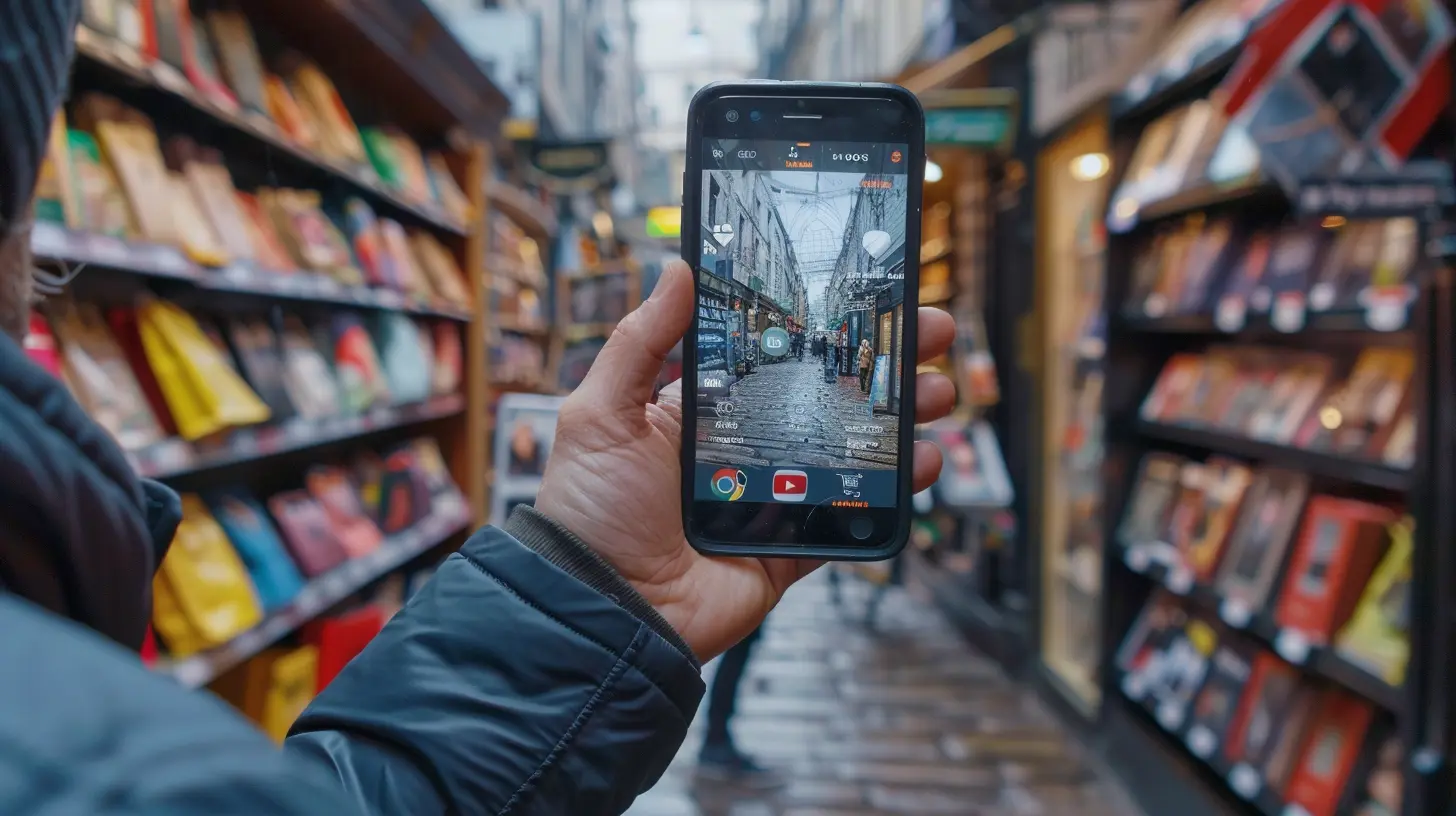
Let’s break it down. Augmented Reality (AR) is all about enhancing your real-world environment with digital elements—think 3D models, animations, or interactive visuals. In the context of shopping, that means overlaying virtual products on your actual surroundings using your phone’s camera.Picture this: you're sitting in your living room, and with a few taps on your phone, you're placing a virtual couch in your space to see how it fits. No hassle, no measuring tape—just drag, drop, and visualize. That’s AR shopping.
It’s not just limited to furniture either. From trying on virtual sneakers to testing lipstick shades or even previewing how a new TV looks on your wall—AR mobile apps are taking the guesswork out of online shopping.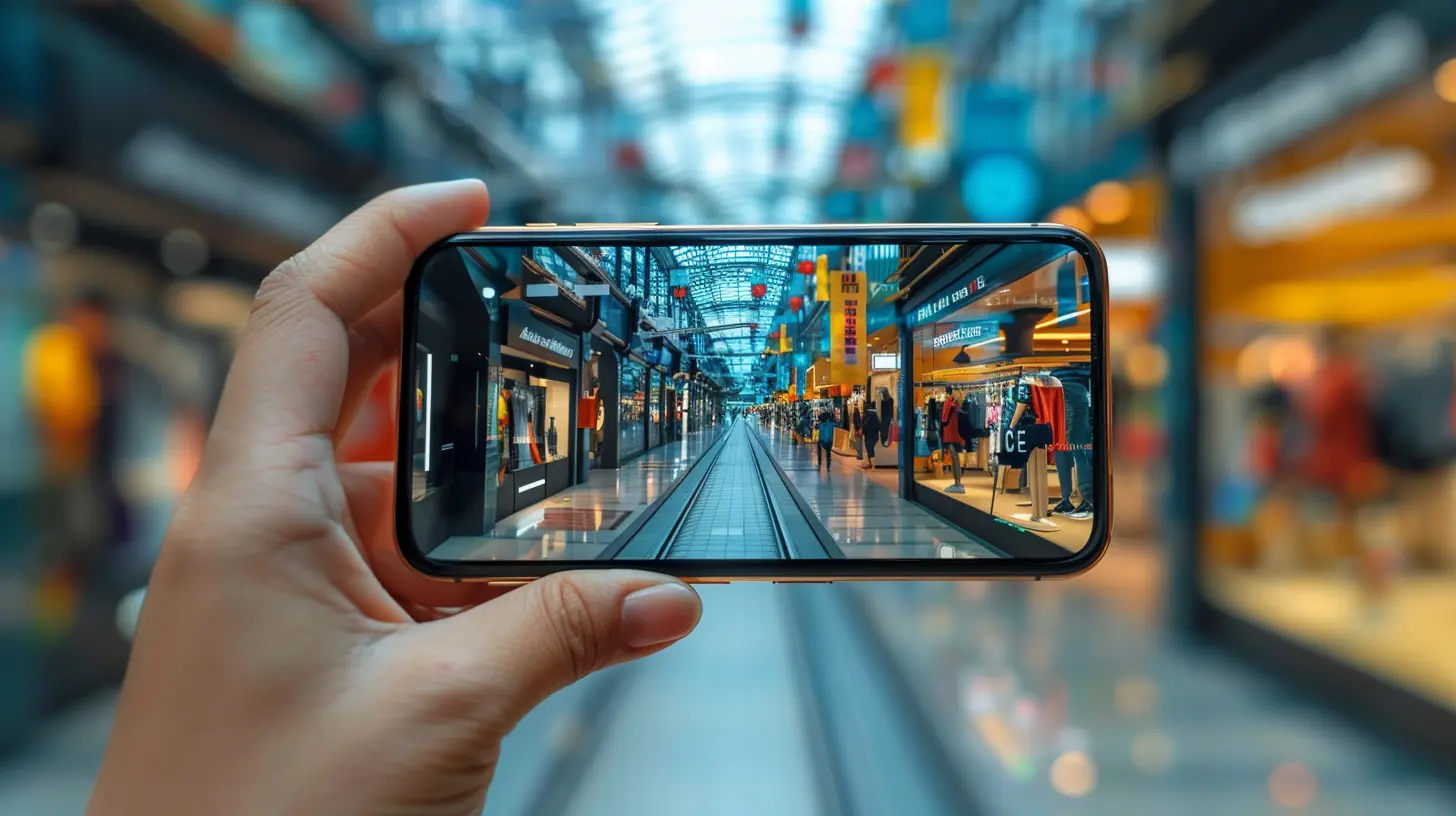
Why Mobile Apps are Driving AR Shopping
So, why mobile apps? Why not desktop? Or even AR headsets?The answer is simple—our smartphones are already glued to our hands.
Mobile devices are:
- Always with us
- Packed with sensors and cameras
- Armed with the processing power needed for AR
We’ve reached a point where smartphones are mini supercomputers. Whether you're lounging on your couch or waiting in line, mobile AR lets you bring the store to your everyday life—instantly and effortlessly.
Apps are also easier to optimize for a uniform experience. Unlike browser-based AR, which can be clunky or limited, mobile apps provide a smoother, better interface and take full advantage of native phone features like haptics, GPS, and gyroscopes.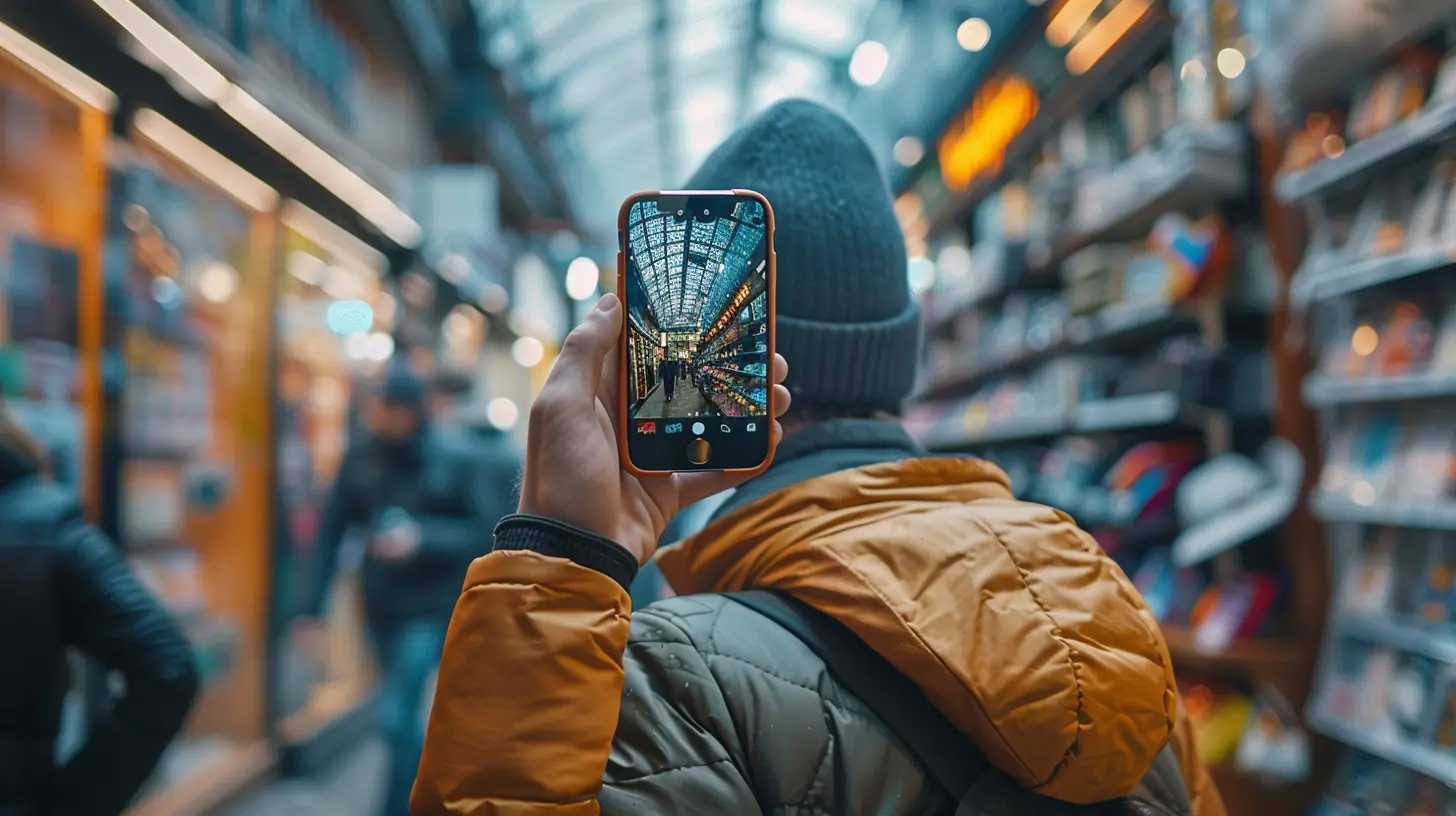
Real-World Examples of AR Shopping Apps
Need some real-life proof that AR shopping isn't just hype? Let’s talk about a few app giants paving the way.1. IKEA Place
IKEA's AR app lets you place true-to-scale versions of furniture in your home. Wanna see if that Billy bookcase fits next to your bed? Open the app, scan your room, and voila! You’ll get a realistic look at how it fits.2. Sephora Virtual Artist
Love makeup but hate the mess of trying it on in-store? Sephora’s app uses facial recognition to let you try on hundreds of makeup products virtually. Find your perfect shade without touching a single tester bottle.3. Nike Fit
Nike uses AR to measure your feet using your phone's camera, suggesting the perfect shoe size based on your actual foot shape. Say goodbye to returns due to ill-fitting sneakers!4. Amazon AR View
Amazon's AR View lets you see how products might look in your space before you buy. From home décor to electronics, this feature is just a tap away in their app.These aren’t just fun tricks—they’re solving real shopping pain points.
How AR is Transforming Consumer Behavior
Let’s be real—AR isn’t just a cool feature. It’s changing the way we make purchasing decisions.Consumers today are:
- More confident when buying
- Less likely to return products
- Spending more time engaging with brands
- More loyal to brands offering innovative experiences
The ability to “try before you buy” from your phone creates trust. It reduces that nagging doubt we feel when clicking “Add to Cart,” especially with big purchases. AR gives you a sense of control and clarity that static photos or descriptions can’t.
Benefits for Retailers & Brands
If you’re in retail, AR mobile apps aren’t just nice-to-haves—they’re a competitive edge.Here’s what brands are gaining:
💸 Fewer Returns
When customers know what they're getting, they’re less likely to be disappointed. That means fewer returns, saving companies money and headache.❤️ Increased Engagement
AR keeps users on the app longer and makes the experience more memorable. A longer session often translates to higher conversion rates.🚀 Enhanced Brand Perception
Let's be honest—using AR just feels futuristic and cool. Brands that embrace AR stand out as innovative and customer-first.📊 Actionable Data
Every AR interaction is trackable. Retailers can see which products are being tried virtually and tailor marketing strategies accordingly.Win-win.
Tech Behind the Magic: What's Powering AR Shopping?
Ever wondered what kind of sorcery is behind this whole thing? It’s not magic—it’s brilliant technology working behind the scenes.Key components include:
1. Computer Vision
This allows your device to understand and interpret the environment, identifying planes, surfaces, and objects.2. Simultaneous Localization and Mapping (SLAM)
SLAM helps the AR system know where you are and what your surroundings look like—essential for placing virtual objects accurately.3. 3D Modeling
Brands need high-quality 3D models of products, which are rendered in real-time based on your device's camera and environment.4. AI and Machine Learning
From facial recognition to personalized recommendations, AI makes the AR shopping experience smarter over time.5. AR SDKs
Software Development Kits like Apple’s ARKit or Google’s ARCore help developers build robust AR features on mobile.Challenges in AR Shopping (And Why They Matter)
Of course, no tech is without its bumps. AR in mobile shopping still faces a few hurdles that we can’t ignore.📶 Device Compatibility
Not all smartphones support AR equally. Older devices might struggle, leading to glitches or crashes that ruin the experience.🛠 High Development Costs
Creating quality AR features isn’t cheap. Between 3D modeling, development, and testing, costs can skyrocket—especially for small businesses.🤖 Privacy Concerns
With apps scanning faces and homes, privacy is a legit concern. Brands need to be transparent and secure to build trust.🧠 Learning Curve
For some users, AR is still unfamiliar. Intuitive UI/UX design is crucial to ensure accessibility and prevent frustration.But here’s the thing: these challenges are being tackled one by one. As tech evolves and costs go down, AR shopping will only get easier and more mainstream.
What's Next? The Future of AR Shopping
It’s safe to say we’re only scratching the surface.Looking ahead, expect to see:
🎯 Hyper-Personalized Experiences
AR will integrate more with AI to offer tailored shopping journeys. Think virtual stylists or guided walkthroughs based on your style, size, and space.🌐 AR + VR Hybrid Shopping
Imagine browsing a store in VR while using AR to try on products “in real life.” The lines between physical and digital shopping will blur even more.🔗 Integration with Social Media
Apps like Instagram and Snapchat are already experimenting with AR filters for shopping. Expect seamless integrations that let you shop right from your feed with a tap and a try-on.🧩 More AR-Ready Products
Retailers will start designing products with AR in mind, making them easier to model and use in digital spaces. You’ll see more products labeled as “AR Compatible,” just like we see “Bluetooth” or “Smart Home Compatible.”Final Thoughts
Look, AR shopping isn’t just some tech fad. It’s a full-blown evolution in how we interact with products and make purchasing decisions. And mobile apps are the rocket ship powering that journey.For consumers? It’s a game-changer. You get more confidence, less hassle, and a whole lot more fun in your shopping.
For brands? It’s a golden opportunity. Engage your customers, cut down on returns, and build serious brand love.
So, next time you're scrolling through your favorite shopping app, keep an eye out for that little "View in Your Room" or "Try On" button—it just might be your new favorite shopping companion.
all images in this post were generated using AI tools
Category:
Mobile AppsAuthor:

Kira Sanders
Discussion
rate this article
2 comments
Anabella Barron
The surge in mobile AR shopping highlights a transformative retail experience, yet it also raises concerns about privacy and consumer data. Balancing innovation with ethical considerations will be crucial for sustainable growth.
January 19, 2026 at 12:57 PM
Kira Sanders
Thank you for highlighting these important considerations. Balancing innovation with privacy and ethical practices is indeed vital for the future of mobile AR shopping. Your insights are much appreciated!
Arlo Coffey
This article beautifully highlights the transformative potential of mobile apps in augmented reality shopping. It's exciting to see technology bridging gaps between consumers and retailers, creating immersive experiences that enhance our shopping journeys. Let’s embrace these innovations while remaining mindful of the challenges they may present for some users.
January 15, 2026 at 5:09 AM
Kira Sanders
Thank you for your thoughtful comment! I completely agree—the potential of mobile apps in augmented reality shopping is indeed transformative, and it's essential to navigate both the opportunities and challenges they bring.