The Future of Fitness Trackers: What to Expect in the Next Generation
3 March 2026
Let’s face it—fitness trackers have come a long way from their humble beginnings. Remember those clunky pedometers that just counted your steps? Fast forward to today, and we've got sleek, stylish wearables that monitor everything from heart rate to sleep cycles and even stress levels. But guess what? This is just the beginning.
If you think your current fitness tracker is smart, wait until you see what’s coming next. The future holds some seriously mind-blowing tech, and we’re breaking it all down right here. So buckle up, because the next generation of fitness trackers is about to revolutionize the way we think about health, wellness, and even life itself.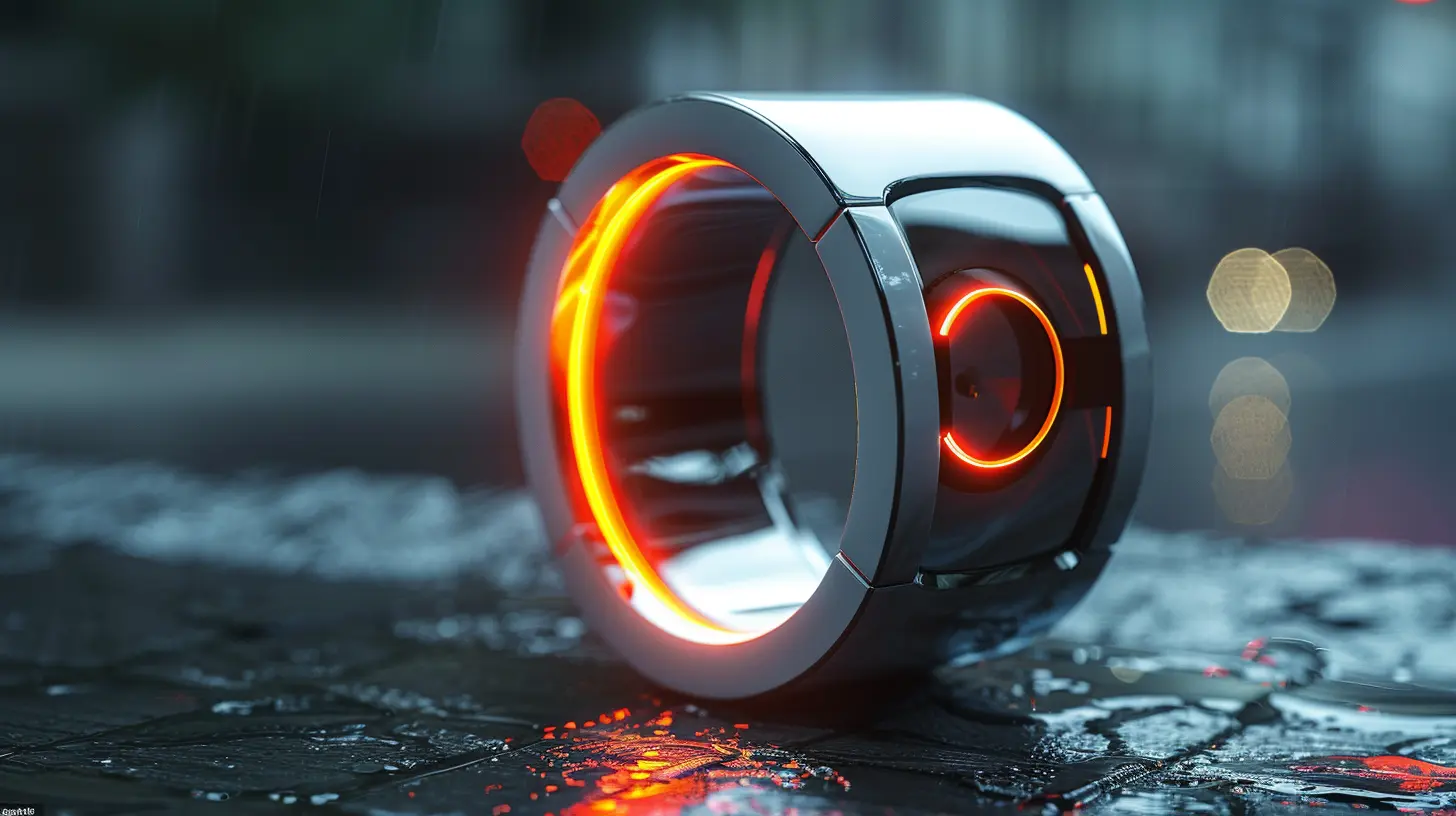
A Quick Flashback: How Far We’ve Come
Before we start flying into the future, let’s hit rewind for just a sec.Fitness trackers used to be simple. Step counts, maybe a stopwatch if you were lucky. Over the past decade, brands like Fitbit, Apple, Garmin, and Samsung have transformed these gadgets into mini health labs for your wrist. Now, they track your heart rate, count your calories, analyze your sleep, remind you to move, and even alert you if your heart rate goes haywire.
It’s impressive—no doubt about it. But get ready, because the next-gen wearables are going to make today’s technology look like child’s play.
Smarter Sensors: How Wearables Are Getting a Sixth Sense
One of the biggest changes coming to fitness trackers is smarter sensors. Right now, most trackers use optical sensors to measure heart rate and motion. In the future? We’re talking advanced biosensors that can detect much more.Imagine a tracker that monitors hydration levels, blood pressure, glucose, or even cortisol (your stress hormone). That’s not sci-fi anymore—it’s already being developed.
Real-Time Blood Sugar Monitoring
For people managing diabetes, pricking your finger daily is a pain—literally. Future wearables may offer non-invasive glucose tracking. Companies are exploring the use of light, sweat analysis, or even electromagnetic signals for this. It could change everything for people who need to keep an eye on their sugar levels around the clock.Deeper Sleep Analysis
Today’s sleep tracking is just scratching the surface. Tomorrow’s trackers will go deeper—analyzing REM cycles more accurately, understanding what disrupts your sleep, and even offering real-time suggestions to improve it... like adjusting your bedtime or cutting off caffeine at 3 PM.
AI-Powered Personal Trainers on Your Wrist
How cool would it be if your fitness tracker could coach you like a real-life personal trainer?Well, artificial intelligence is about to make that a reality.
Adaptive Workouts Based on Your Body
Future trackers will use AI to learn how YOUR body responds to workouts. Not someone else’s, not a generic template—yours. Let’s say you recover faster than average. Your tracker could bump up your intensity. Feeling worn down? It’s going to suggest a lighter day. Basically, you’ll get a personalized fitness plan that evolves with you.Form Correction and Injury Prevention
With motion sensors getting more accurate, trackers might soon be able to analyze your form during exercises and alert you if something’s off. Imagine doing squats and your watch buzzes to say, “Hey, straighten your back!” It’s like having a coach right there, minus the gym fees.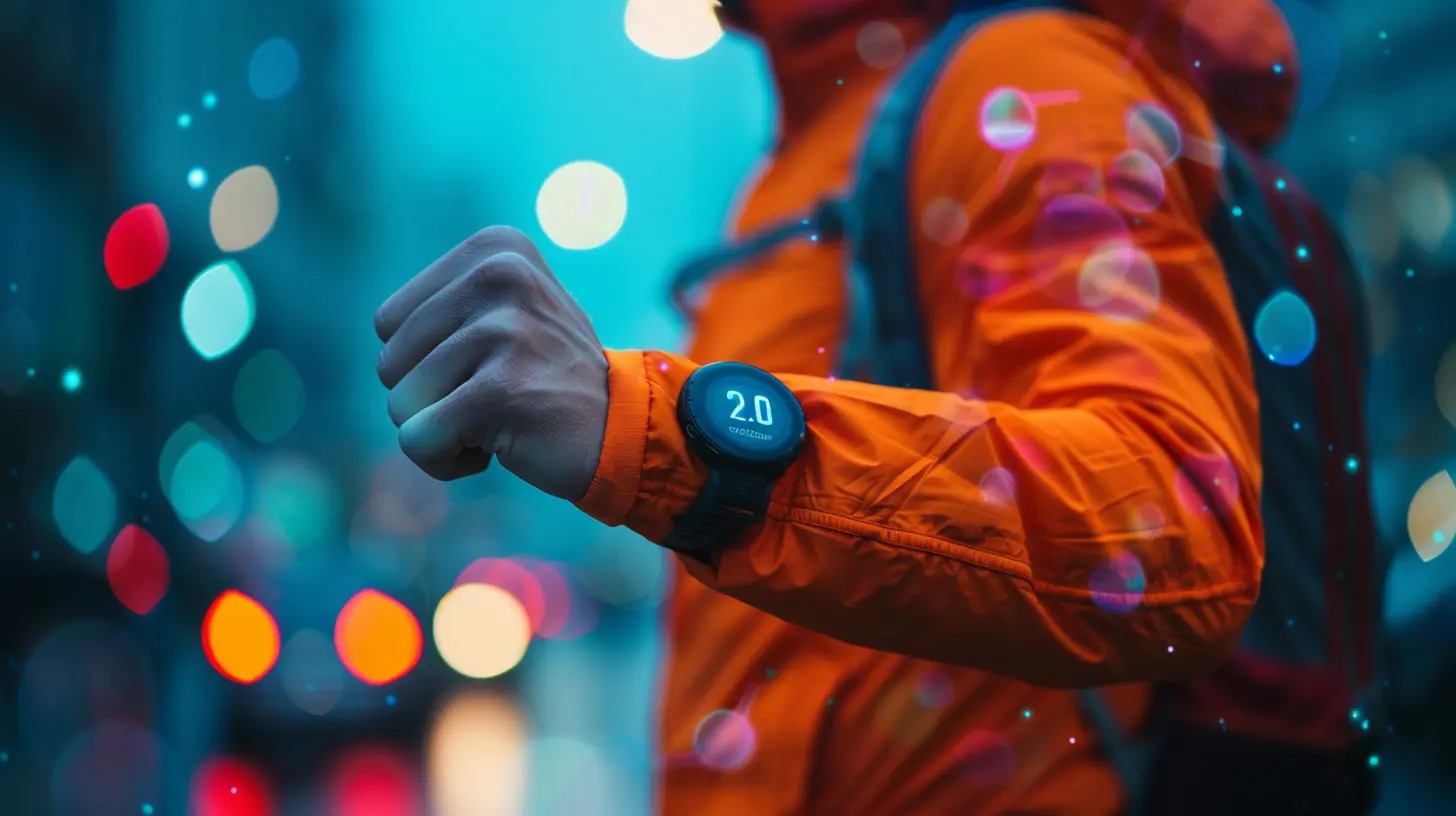
Mental Wellness: The New Frontier in Wearables
Fitness isn’t just about muscles—it’s about the mind too. That’s why future fitness trackers are going to lean heavily into mental health.Stress Detection with Emotional Insights
Through a mix of heart rate variability, skin temp, and AI analytics, wearables will get better at spotting when you're stressed or anxious—even before you realize it. Some can already do this, but the next generation will take it to another level, offering breathing exercises, guided meditations, or even suggesting a walk when you most need it.Mood Prediction? Yep, That’s Coming.
Some developers are working on algorithms that can predict your mood based on physiological data. Sounds spooky? Kind of, but also incredibly useful. Just think—your tracker nudges you with a “Take Five” when your frustration levels start peaking. Sounds better than snapping at your coworker, right?The Rise of Augmented Reality (AR) and Voice Assistants
Let’s talk about some futuristic flair. The next generation of wearables might include features that'll make you feel like you're living in a sci-fi movie.AR Fitness Coaching
Picture this: You pop on your AR glasses and go for a run. You see a virtual coach guiding your pace, correcting your stride, and giving you encouragement—all in real-time. Wild? Maybe. But it’s very much in the works.Voice-Activated Health Tracking
Instead of tapping or swiping, you’ll just talk to your device. “Hey, how many calories did I burn today?” or “Start a 20-minute HIIT session.” Think of it as combining Siri or Alexa with your personal fitness assistant. Efficient and hands-free.Data Integration with Other Health Platforms
Right now, your fitness tracker data might live in one app, your medical records in another, and your sleep logs somewhere else. Future wearables will likely become the ultimate health hub, integrating everything.A 360-Degree View of Your Health
Doctors will have access to more real-time insights, potentially spotting health issues well before you feel symptoms. You could share your sleep and activity data with your therapist or your nutrition data with your dietitian. It’s like everyone on your health team finally talking to each other.Sustainable and Stylish: It’s About Time
Okay, so we’ve talked about the tech—but what about how these things look and feel?Eco-Friendly Materials
As sustainability becomes more important to consumers, future trackers will use more recycled and eco-conscious materials. Think biodegradable packaging, solar-powered charging, and less electronic waste.Fashion Meets Function
Expect wearables that look like high-end fashion accessories. Whether it's a minimalist band, a leather-strapped smartwatch, or even jewelry with built-in trackers, the future is fashionable AF.Biometric Security: Your Body is Your Password
With all this personal data floating around, security is a big deal. Future fitness trackers will use biometric tech—like your heartbeat pattern or skin conductivity—as your password. No PINs, no fingerprint scans. Just you, literally.Imagine unlocking your phone or vault app just by wearing your fitness band. Pretty James Bond, right?
Predictive Health: Because Prevention is Better Than Cure
Here’s where it gets exciting—and a little life-changing.From Fitness Assistant to Health Guardian
Future fitness trackers won't just tell you how many steps you’ve taken. They’ll anticipate issues before you even feel them. We’re talking early alerts for things like:- Irregular heartbeat
- Dehydration
- Overtraining
- Mental burnout
- Respiratory issues
With all the sensors, data, and AI power, your fitness tracker could become your first line of defense in staying healthy and avoiding chronic conditions.
Customization: Make It Yours
Let’s be real, not everyone cares about VO2 max or lactate threshold. Some just want to get healthier, others train for marathons, and some are focused on mental wellness.The beauty of the next-gen trackers? Total customization. You'll be able to choose what to track, how often, and how you want that data presented. Think of it like building your own wellness dashboard.
Subscription Ecosystems: Love It or Hate It, They're Here
Most brands are leaning into subscription models—you know, $9.99/month for advanced features. Some people love ‘em, others not so much. But here’s the catch: the value will be hard to ignore.Expect tiers that include:
- One-on-one coaching
- Guided workouts with experts
- Personalized meal plans
- Weekly performance reviews
- Deep health analytics
Is it worth it? Depends on your goals. But it’s safe to say—you’ll be getting a lot more than just data.
Final Thoughts: A Bright Future for Wearable Wellness
So, what should we expect from the future of fitness trackers? In a word—everything.These devices are evolving into full-blown wellness partners. They won’t just track our physical activity; they’ll know us on a deep, biological level. They’ll guide us, motivate us, and maybe even save our lives someday.
It’s not just about tech—it’s about empowerment. The more you know about your body, the better choices you can make. And this next wave of fitness trackers? They’re putting that power right on your wrist.
Are you ready for what’s coming? Because the future of fitness is looking smarter, more personal, and unbelievably inspiring.
all images in this post were generated using AI tools
Category:
Fitness TrackersAuthor:

Kira Sanders
Discussion
rate this article
2 comments
Maris McKenzie
Exciting advancements ahead for fitness tracker technology!
March 7, 2026 at 4:55 AM
Kira Sanders
Absolutely! We're on the brink of some incredible innovations that will revolutionize how we track our health and fitness. Stay tuned!
Quillan McQuiston
Future fitness trackers will prioritize advanced biometrics and AI-driven insights, enhancing personalized health and wellness solutions.
March 4, 2026 at 1:57 PM
Kira Sanders
Absolutely! The next generation of fitness trackers will leverage cutting-edge biometrics and AI to deliver tailored health insights, revolutionizing personal wellness.