Touchscreen Technology: Innovations You Can’t Ignore
14 February 2026
Welcome to the front row seat of the digital revolution. You've tapped, swiped, and pinched your screen so many times today that you've probably lost count. Touchscreen technology is no longer a luxury—it’s an expectation, baked into every smartphone, tablet, car dashboard, and even refrigerators! But here's the kicker: it’s evolving at a lightning pace, and the touchscreen you know today is a far cry from what’s brewing behind the scenes.
So buckle up, because we’re about to take a deep dive into the guts of touchscreen innovation—the kind of stuff that makes your jaw drop and your fingers itch to try it out.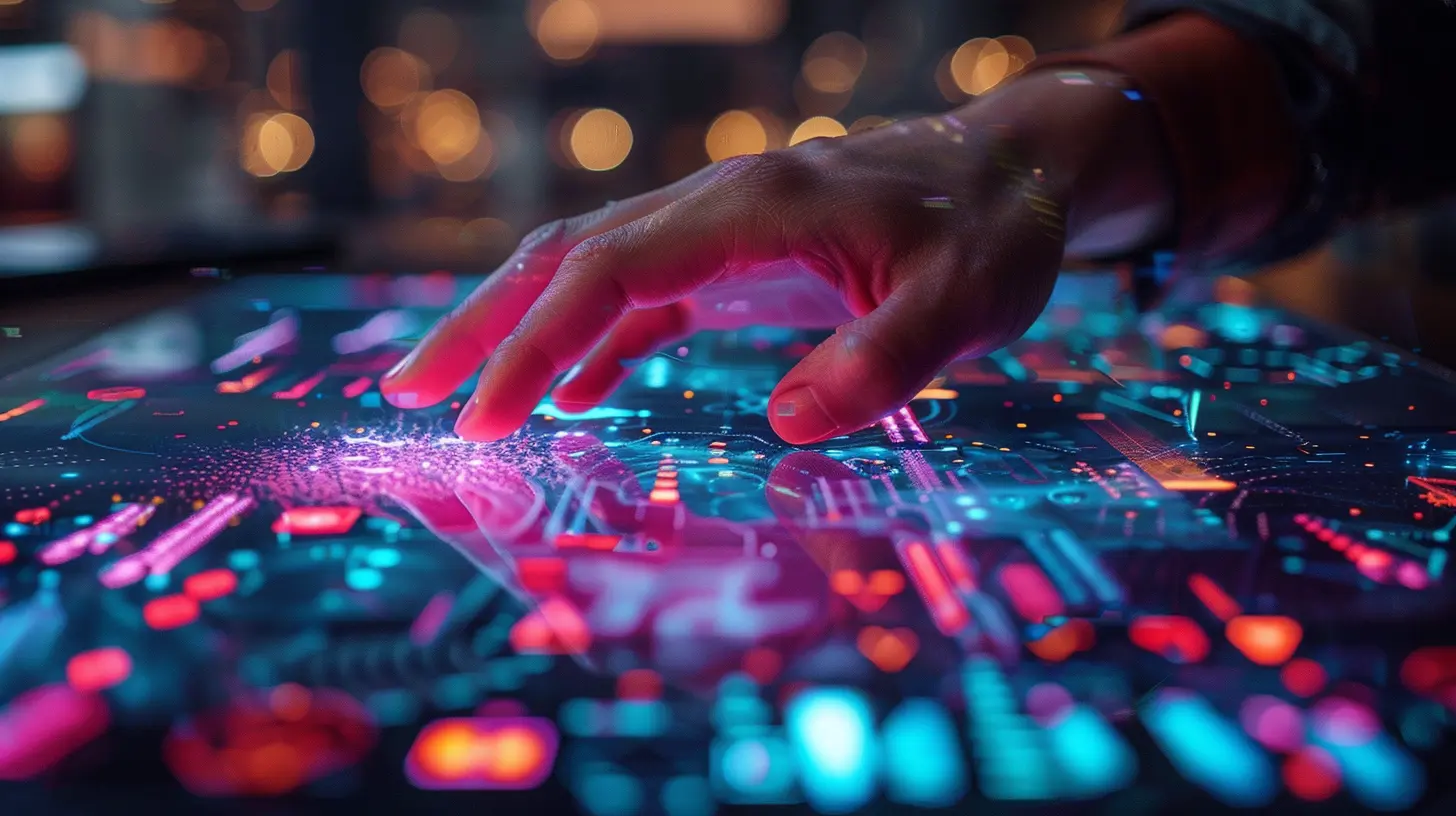
A Brief Glimpse Back: The Humble Origins of Touch
Before we launch into the future, let’s rewind for just a second. Touchscreen tech dates back to the 1960s (yep, it’s older than most of us!). The first capacitive touchscreen was developed by E.A. Johnson, and from there, it slowly evolved.Fast forward to the 2000s—the iPhone drops like a tech bomb. Suddenly, every screen had to be touched. Gone were the days of clunky buttons and stylus pens. We were now living in the age of swipe-to-unlock and tap-to-type.
But… that was just the beginning.
Touchscreens Today: What You Think You Know
Most of today’s touchscreens fall into two camps:1. Capacitive Touchscreens: The smooth, fast, responsive type found in smartphones.
2. Resistive Touchscreens: The rugged, pressure-sensitive ones used in ATMs or industrial settings.
These workhorses have served us well, but let’s be honest—they’ve pretty much plateaued. You know how they behave. They’re reliable, but not exactly mind-blowing.
That’s where innovation kicks in. Ready to lose your tech-loving mind?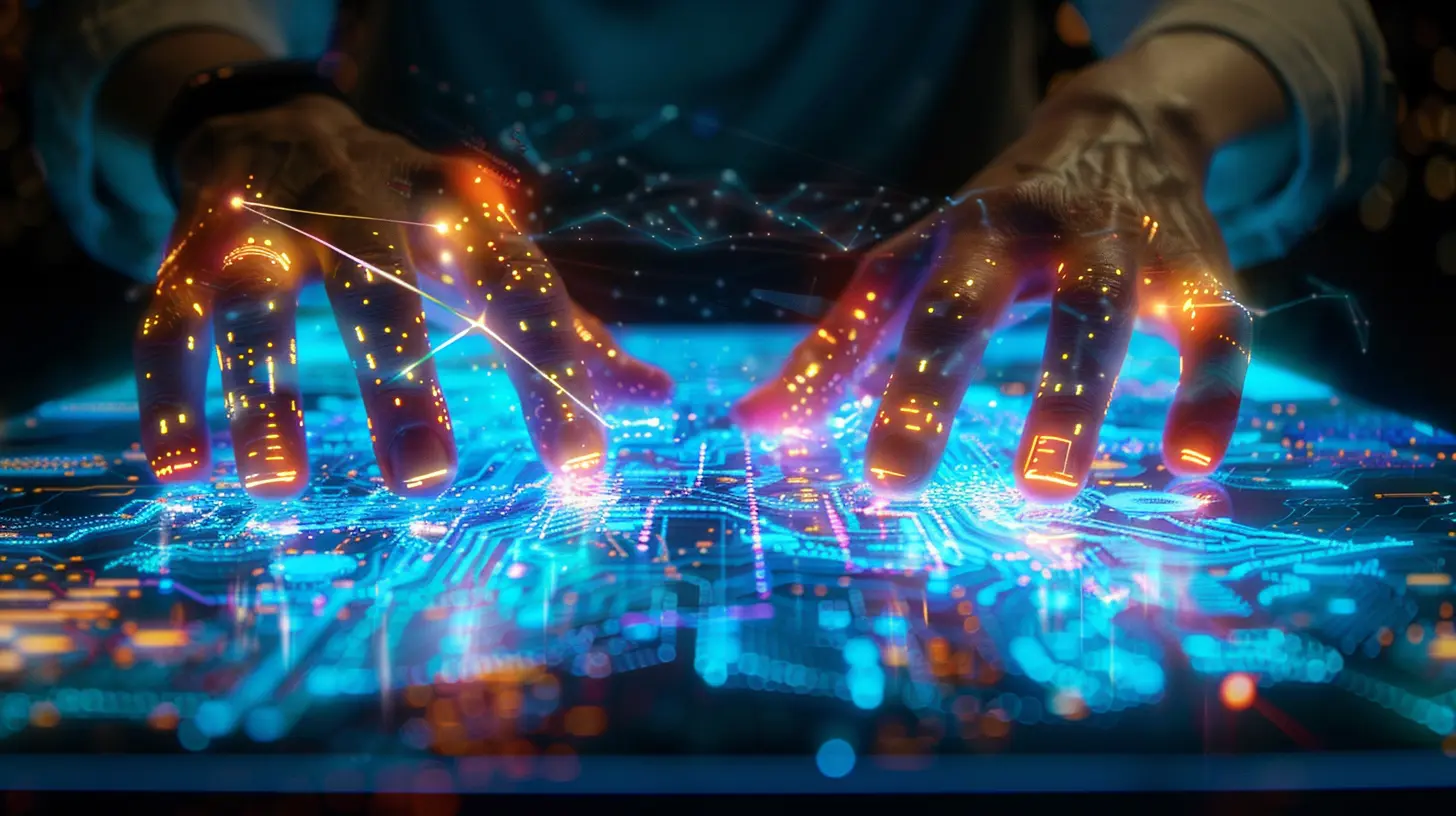
Breakthrough #1: Foldable and Flexible Touchscreens
Seriously, who hasn’t dreamt of folding their phone like a piece of paper?Well, welcome to reality—because foldable smartphones, like the Samsung Galaxy Z Fold and Motorola Razr, are no longer sci-fi fantasy. With OLED (organic light-emitting diode) and POLED (plastic OLED) technology, screens can bend, twist, and even roll like a scroll.
These aren’t just cool looking; they also open up new user experiences. Imagine turning your tablet into a compact phone or unrolling your smartwatch into a full-sized display. We’re talking multitasking like never before.
And it doesn’t stop at phones. Laptops, TVs, and even car dashboards are hopping on the foldable train. The future is literally bending to our will. Mind = blown.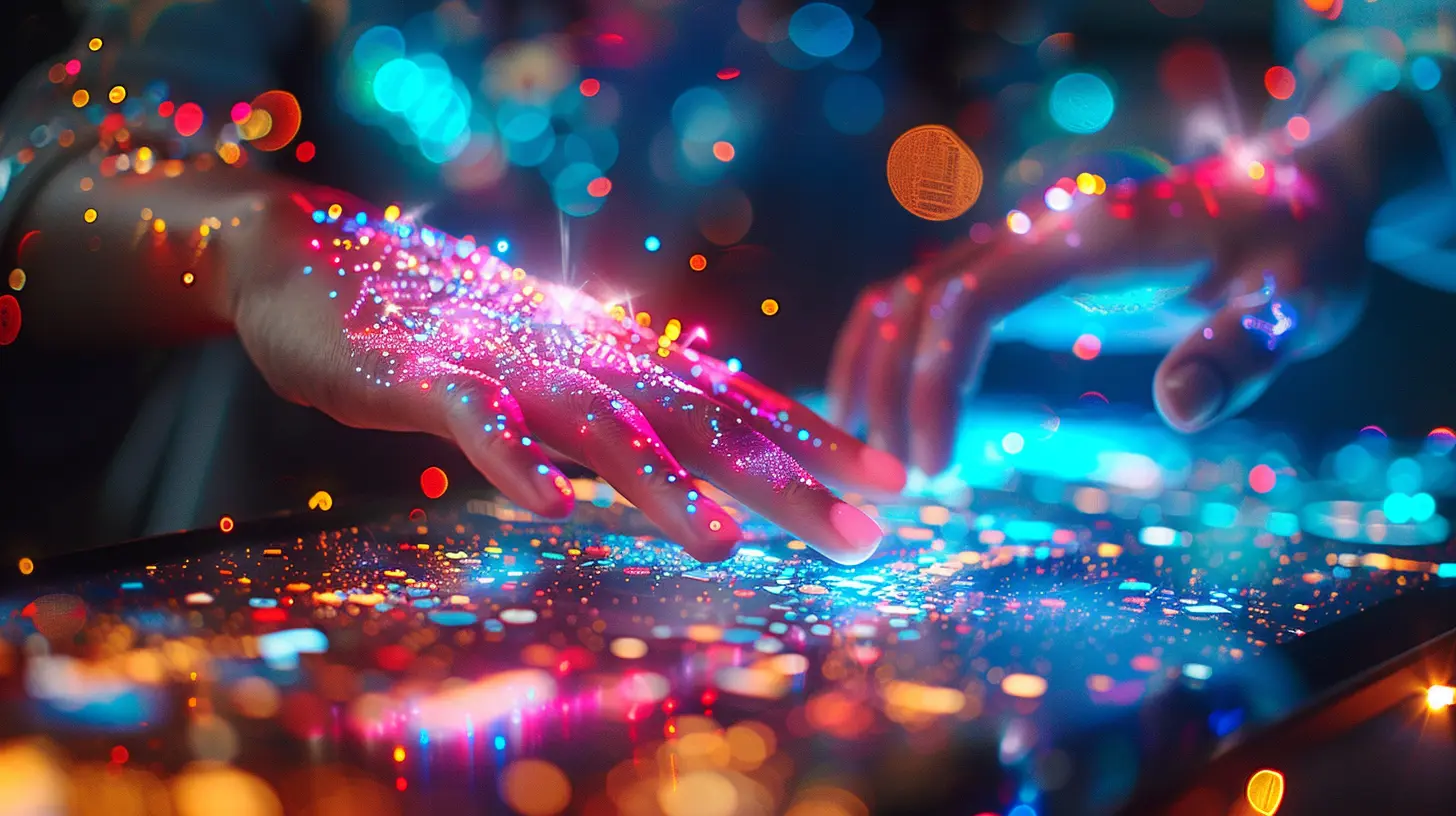
Breakthrough #2: Haptic Feedback Gets a Glow-Up
Touchscreens have always been a bit… flat. Literally. You tap them, and sure, something happens onscreen—but your fingers get no feedback.Enter advanced haptics. These next-gen systems are bringing texture back into the equation. With technologies like ultrasonic haptics and vibration motors, users can now feel bumps, ridges, and even virtual buttons on a flat screen.
Imagine typing on a glass keyboard and actually feeling each key press, or playing a game where raindrops feel different from explosions. Yeah, it’s that real. We’re not just seeing the digital world—we’re physically engaging with it.
Breakthrough #3: In-Display Sensors
Raise your hand if you’ve used fingerprint unlock on your phone.Now, imagine no ugly scanner or button cluttering your screen. Thanks to in-display fingerprint sensors, that's the new standard. And it's not just touch ID anymore—in-display cameras are on the rise too.
These sensors are masterfully hidden beneath the screen, offering full-screen aesthetics without sacrificing function. It’s the ultimate combo of style and tech.
And guess what? This isn't just for phones. Laptops and tablets are jumping on the bandwagon. Biometrics are going stealth, and it's honestly kind of sexy.
Breakthrough #4: Touchless Touchscreens
Say whaaaat?Yep, touchless touchscreens are real—and gaining traction. Using infrared sensors or computer vision, these systems track your fingers without ever making contact.
Great news for germaphobes, right?
This kind of touch tech is already being used in public kiosks, ATMs, and elevators. No smudges, no bacteria, no problem. And as gesture recognition becomes more precise, you’ll see major expansion into gaming, education, and healthcare.
Wave hello to a cleaner, safer, hands-free future.
Breakthrough #5: Pressure Sensitivity and 3D Touch
Apple may have killed off 3D Touch in recent iPhones, but the concept is far from dead. Pressure-sensitive tech is making a comeback—with steroids.Today’s systems can detect different levels of force applied to the screen, enabling a rich set of user interactions. Think of it as adding another dimension to touch: hard press to open a menu, soft tap to preview, medium pressure to trigger shortcuts. It’s like Morse code for your fingers.
Media artists, designers, and gamers love this stuff. It’s not just about taps anymore—it’s about subtlety, expression, and nuance.
Breakthrough #6: Transparent, Stretchable, and Wearable Displays
Okay, now we’re really entering the future.Transparent touchscreens are being used in smart glasses, HUDs (heads-up displays), and futuristic retail signage. Imagine walking into a store and tapping on a floating product display. It's like Iron Man’s JARVIS but in real life.
Meanwhile, stretchable displays are pushing boundaries in wearables—smart shirts, flexible wristbands, even temp-monitoring patches. These flexible screens stretch with your skin while tracking your vitals or giving you directions. Insane, right?
This isn’t just innovation—it’s a redefinition of how we interact with tech.
Breakthrough #7: AI + Touch = Smarter Screens
Artificial Intelligence is the magic sauce that’s seasoning everything, and touchscreens are no exception.Modern touch displays can now learn from your behavior. That’s right—your phone might already know you’re about to tap that TikTok app (again). AI can predict gestures, adjust sensitivity depending on context, and even correct accidental touches.
Combine this with edge detection, palm rejection (nobody likes accidental swipes), and adaptive brightness, and you’ve got a screen that’s basically your digital BFF.
Touch Tech in Unusual Places
Think touchscreens are just for phones and tablets? Think again.- Automotive touchscreens are turning car interiors into luxury sci-fi cockpits.
- Smart mirrors in gyms and salons let you swipe through workouts or beauty tutorials.
- Kitchen appliances come with touchscreen controls to help you whip up Michelin-star meals.
- Healthcare devices feature antimicrobial touchscreens with diagnostic feedback.
The touchscreen is coming for every surface. Your walls might be tappable soon.
Challenges in Touchscreen Innovation
Okay, it’s not all glitter and swiping glory. With great tech comes great responsibility—and challenges.- Durability: Flexible screens are still prone to creases and scratches.
- Battery Life: More features = more power drain.
- Cost: Cutting-edge screens aren’t cheap (yet).
- User Fatigue: Too much tapping? Yup, touchscreen fatigue is real.
But hey, every challenge is just a future upgrade waiting to happen.
The Future of Touch: What’s Next?
Let’s get a little wild. What if…- Your skin became your touchscreen?
- You controlled your screen with thought and eye movement?
- Touchscreens healed themselves when cracked?
Crazy? Maybe. But researchers are already working on electronic skin, neural interfaces, and self-repairing polymers.
The line between science fiction and reality continues to blur—and it’s all happening faster than you think.
Final Thoughts: Why You Should Care
Touchscreen technology isn’t just about pretty phones or cool car dashboards. It’s about how we experience the digital world. Every improvement, every innovation, brings us closer to a future where tech doesn’t just respond—it understands.So yeah, go ahead and admire that sleek new screen on your phone… but also realize you’re holding a tiny fragment of a much bigger revolution in your hand.
And trust me, it’s only going to get crazier from here.
all images in this post were generated using AI tools
Category:
Touchscreen DevicesAuthor:

Kira Sanders
Discussion
rate this article
2 comments
Grey McCaw
This article highlights the groundbreaking advancements in touchscreen technology that are transforming user experiences. From enhanced sensitivity to multi-touch capabilities, these innovations are paving the way for more intuitive and engaging interactions across various devices. Definitely worth a read!
February 21, 2026 at 4:25 AM
Kira Sanders
Thank you for your feedback! I'm glad you found the advancements in touchscreen technology interesting and impactful.
Zevran Malone
This article on touchscreen technology highlights some fascinating innovations! I'm intrigued by how these advancements are reshaping our interactions with devices. It would be great to explore the potential implications for accessibility and new applications—what possibilities could emerge as these technologies continue to evolve? Exciting times ahead!
February 20, 2026 at 5:42 AM
Kira Sanders
Thank you for your enthusiasm! The potential for enhanced accessibility and innovative applications in touchscreen technology is indeed exciting. As these advancements progress, we can expect even more inclusive and intuitive interactions with our devices.