The Best Tech Gadgets for Fitness and Wellness in 2027
22 September 2026
The fitness technology market has matured past the point where novelty alone sells. By 2027, the gadgets worth your money are the ones that solve specific problems: measuring recovery accurately, correcting movement in real time, or removing friction from habits you already want to build. The rest is noise.
This guide cuts through that noise. I have spent years testing wearables, smart home gym equipment, and recovery devices, and I have watched the category evolve from step counters to clinical-grade sensors. What follows is an honest assessment of what actually works, who each device is for, and where the trade-offs lie.
What Changed Between 2024 and 2027
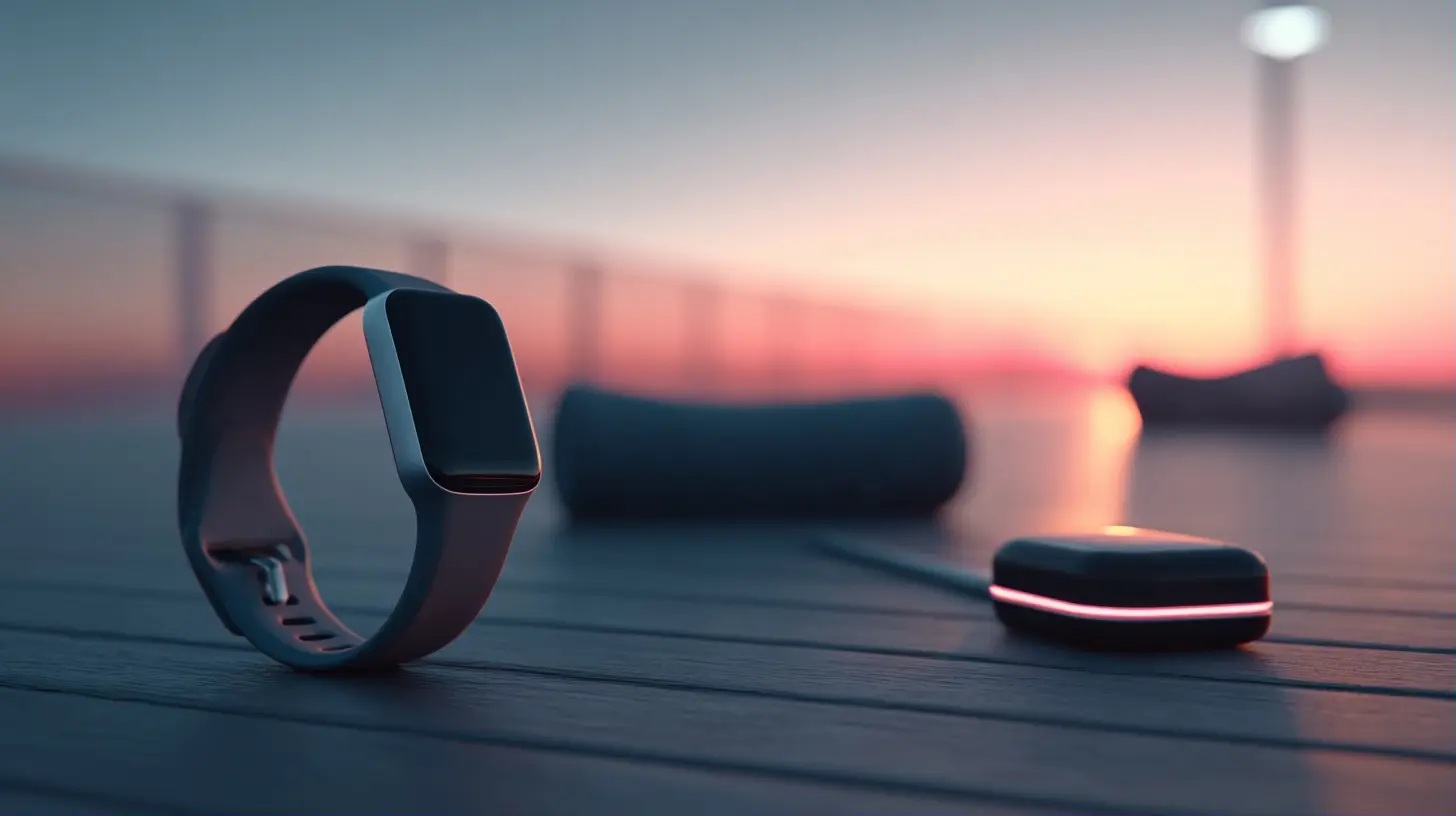
Three shifts define this generation of fitness tech.First, sensor fusion became genuinely useful. Early wearables relied on a single optical heart rate sensor and a lot of guessing. Modern devices combine optical photoplethysmography, accelerometers, skin temperature sensors, and sometimes bioimpedance to cross-check each other. The result is fewer false readings during high-intensity intervals or cold weather, two conditions that historically broke heart rate accuracy.
Second, on-device processing replaced cloud dependence. When your watch or ring analyzes data locally, it can deliver feedback in the moment rather than hours later. This matters for form correction and heart rate zone training, where delayed feedback is nearly useless.
Third, the subscription fatigue backlash arrived. Companies that once hid core features behind paywalls have been forced to unbundle. Many devices now offer meaningful functionality without a monthly fee, and that should factor heavily into your purchase decision.

Smartwatches and Fitness Trackers
The Current State of Play
The smartwatch remains the default fitness gadget for most people, and for good reason. It is one device that handles notifications, payments, music, and training. The trade-off is that it does none of those things as well as a dedicated tool.Two product families dominate serious training: the Apple Watch line for iPhone users and the Garmin Forerunner and Venu lines for everyone else. Samsung's Galaxy Watch sits in a comfortable middle ground for Android users who want a polished smartwatch first and a fitness tracker second.
Why Accuracy Still Varies
Optical heart rate sensors work by shining light into your skin and measuring how much blood flow changes the reflection. This works well when the sensor sits flush against your wrist and you are not moving much. It works poorly when you are swinging a kettlebell or your wrist is cold.For steady-state cardio, modern optical sensors are accurate enough for zone training. For interval work, lifting, or anything with rapid wrist movement, a chest strap remains the gold standard. If your training depends on precise heart rate data, budget for a strap alongside your watch. This is not a brand problem. It is physics.
Battery Life: The Real Differentiator
Apple Watch still requires roughly daily charging. Garmin devices in the solar-equipped lines can run for weeks. If you travel frequently or dislike charging rituals, this single factor may decide your purchase more than any sensor specification. A watch you forget to charge is a watch that tracks nothing.What to Consider Before Buying
Ask yourself three questions. Do you need smartphone notifications on your wrist, or just fitness tracking? Do you train outdoors in conditions where a bright always-on display matters? How often are you willing to charge?If you want a general-purpose smartwatch, Apple or Samsung will serve you well. If you want a training tool that happens to tell time, Garmin is the safer bet.
Smart Rings: The Discreet Option
Smart rings have moved from curiosity to credible tool. The Oura Ring remains the best-known example, with Ultrahuman and Samsung's ring offering competition.The appeal is obvious. A ring does not interrupt your sleep, does not clash with a dress watch, and does not need daily charging in most cases. The limitation is equally obvious: no screen means no real-time feedback during workouts.
Where Rings Excel
Rings shine at overnight recovery tracking. Because they sit on a finger, where blood flow is strong and the fit is stable, they often produce cleaner sleep and resting heart rate data than wrist devices. If your primary goal is understanding recovery, sleep quality, and readiness, a ring may serve you better than a watch.Where They Fall Short
During exercise, a ring gives you almost nothing in the moment. You cannot glance at your pace or heart rate zone. Some users pair a ring for recovery with a cheap watch or chest strap for training, which is a sensible combination but adds cost and complexity.The Subscription Question
Several ring makers charge monthly fees for detailed insights. Before buying, calculate the three-year total cost of ownership. A ring that costs less upfront but requires a subscription may end up more expensive than a watch with no ongoing fee.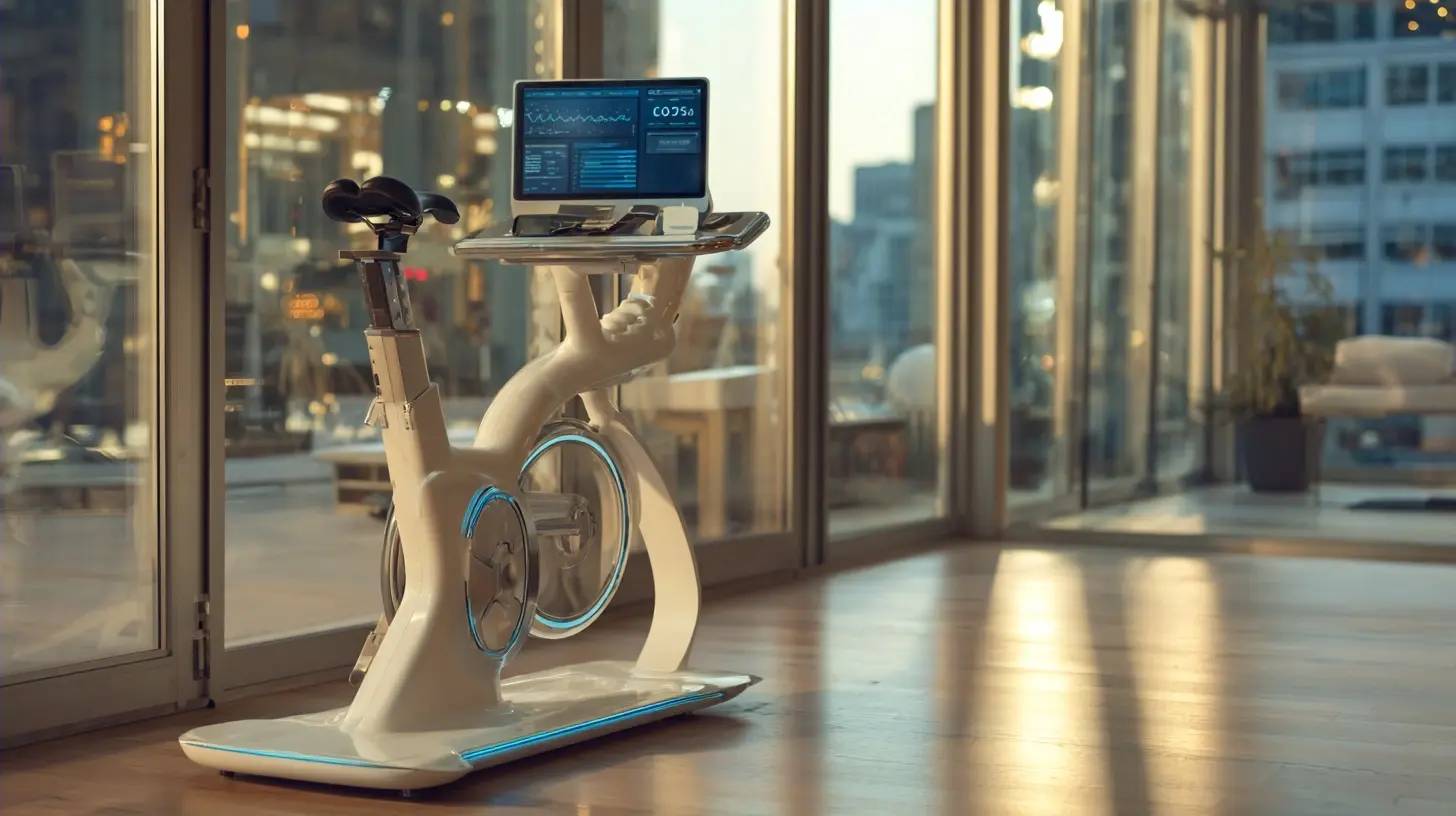
Smart Home Gym Equipment
Connected Strength Training
Connected home gyms promised to replace the commercial gym. The reality in 2027 is more nuanced. Cable-based systems with digital resistance, like the Tonal, offer genuine advantages: automatic weight adjustment, form tracking, and compact footprints. But they are expensive, require wall mounting or significant floor space, and lock you into a proprietary ecosystem.The strongest argument for these systems is convenience. If the alternative is not training at all, a home gym that removes travel time and social friction can be transformative. The strongest argument against them is that free weights and a bench cost a fraction of the price and never become obsolete.
Interactive Cardio
Smart rowers, bikes, and treadmills with connected screens have improved significantly. The best ones now adjust resistance automatically based on your heart rate or a programmed workout, which removes a layer of mental effort. That automatic adjustment is the feature that keeps people coming back, more than any leaderboard.The caveat: these machines are large. Measure your space before you fall in love with a product video.
AI Form Correction
Camera-based form feedback has become genuinely useful for movements like squats, deadlifts, and push-ups. The system tracks joint angles and flags deviations in real time. This is valuable for beginners who cannot afford a coach and for experienced lifters training alone.It is not a replacement for a human coach. Cameras struggle with certain angles, cannot feel your movement, and cannot ask you how something felt. Treat it as a second set of eyes, not a trainer.
Recovery and Wellness Devices
Percussive Therapy
Massage guns have become commoditized, which is good news for buyers. The differences between a premium device and a mid-range one now come down to motor quality, noise level, and battery life rather than fundamental capability. A quiet device with adjustable speed settings will serve most people better than a loud one with more power than they need.Use percussive therapy for pre-workout activation and post-workout soreness. Do not use it on bony areas, joints, or the neck without guidance. It is a tool, not a cure.
Compression Boots
Intermittent pneumatic compression boots have moved from professional sports locker rooms into home use. The evidence for improved recovery is moderate but real, particularly for reducing perceived soreness and swelling in the legs after long runs or flights.The main barriers are cost and storage. Boots take up space and take time to use. If you struggle to sit still for twenty minutes, you will not use them consistently.
Red Light Therapy
Red and near-infrared light therapy devices have proliferated. The research is promising in specific applications like skin health and localized pain, but the marketing often outpaces the evidence. Device quality varies enormously, and the difference between an effective dose and an ineffective one comes down to irradiance and treatment time.If you buy one, choose a device with published specifications rather than vague claims. And set realistic expectations. This is a supporting tool, not a transformation.
Sleep and Stress Tracking
Sleep tracking has become the killer feature of the wellness category. Devices now estimate sleep stages, breathing disturbances, and overnight heart rate variability with reasonable accuracy.The value is not the score itself. It is the pattern. A single bad night means little. A month of declining heart rate variability alongside poor sleep suggests you need to adjust training load or lifestyle.
The Orthosomnia Trap
There is a real risk in over-monitoring sleep. Some users become anxious about their scores, which worsens sleep. If tracking makes you stressed, stop tracking for a while. The goal is better rest, not a perfect number.Stress and Readiness Scores
Many devices now produce a daily readiness or stress score. These are useful as directional signals, not verdicts. A low readiness score after a hard workout is expected. A low score after an easy week is worth investigating.Never let an algorithm override how you feel. If you feel good and your score is low, train. If you feel terrible and your score is high, rest.
How to Build a Coherent Setup
The biggest mistake people make is buying too many devices that duplicate function. A watch, a ring, and a chest strap all measuring heart rate creates conflicting data and decision paralysis.A Sensible Framework
Pick one primary device for daily tracking. Add a specialized tool only when it solves a problem your primary device cannot. For example, a watch for daily activity plus a chest strap for interval training is coherent. A watch, a ring, and a second watch is not.Interoperability Matters
Before buying, check whether your data syncs to a central platform. Apple Health, Google Fit, and Strava act as hubs. If a device does not export data to at least one of these, you are building a silo.Buy for the Habit You Have
The best gadget is the one you will actually use. A premium device that sits in a drawer is worth less than a basic one you wear daily. Be honest about your habits before you spend.
Common Mistakes and Misconceptions
More data is not better. Tracking everything leads to analysis paralysis. Track the two or three metrics that actually influence your decisions.Calorie estimates are rough. No wearable accurately measures calories burned. Use the numbers for relative comparison, not absolute truth.
Recovery scores are not medical advice. They are statistical estimates. If you have genuine health concerns, see a professional.
Expensive does not mean better for you. A mid-range device that fits your lifestyle beats a flagship you resent charging.
Final Recommendations
For most people, a solid smartwatch from Apple, Garmin, or Samsung covers the majority of needs. Add a chest strap if you train with intensity. Consider a smart ring if sleep and recovery are your priority and you dislike wearing a watch at night. Invest in home gym equipment only if you have the space and the discipline to use it. Treat recovery devices as supplements to good sleep, nutrition, and training, not substitutes for them.Technology should reduce friction, not add it. If a gadget complicates your routine, it is the wrong gadget. The best setup in 2027 is the one that fades into the background and lets you focus on the work itself.
all images in this post were generated using AI tools
Category:
Tech GadgetsAuthor:

Kira Sanders
Discussion
rate this article
1 comments
Blaze McCool
Great insights! Excited to see how these gadgets will shape our fitness journeys.
September 22, 2026 at 2:30 AM