The Best Audio Gadgets for Music Lovers in 2027
6 September 2026
The way we consume music has changed more in the last five years than in the previous twenty. Streaming is now the default, but the hardware we use to turn digital files into physical emotion is where the real magic happens. If you are reading this, you already know that a great song on terrible speakers is like a masterpiece painting in a dark room. The challenge in 2027 is not finding good audio gear; it is finding the right audio gear for your specific habits, your living space, and your wallet.
This guide is not a list of spec sheets. It is a practical field manual for people who treat listening as an active ritual, not a background activity. We will cover everything from pocket-sized wonders to room-filling systems, and I will tell you where the industry is genuinely innovating versus where it is just adding LEDs and calling it premium.
The Shift from Loudness to Fidelity
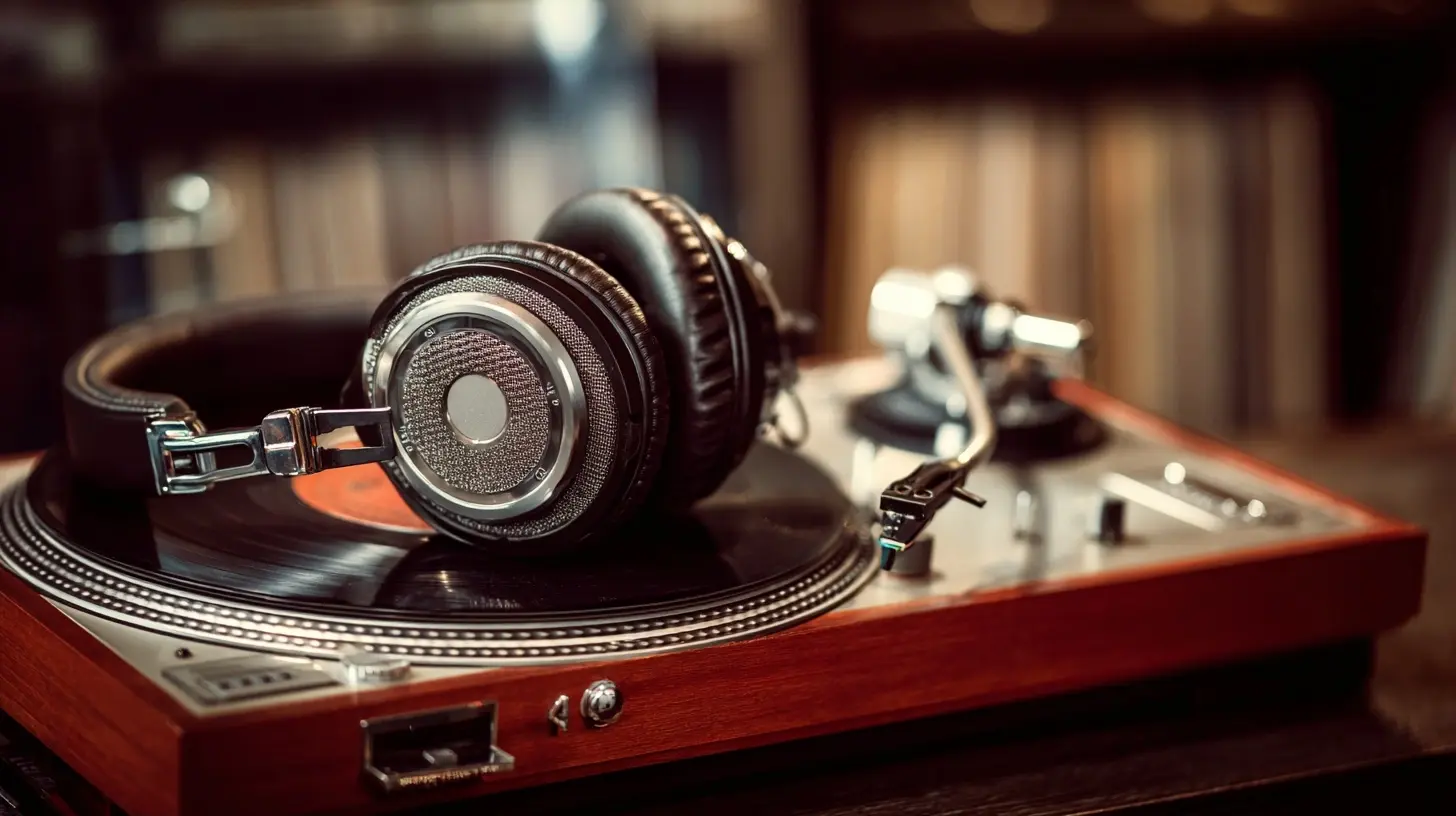
For a long time, the consumer audio market was obsessed with volume. The "loudness wars" crushed dynamic range so that songs would sound punchy on car stereos and cheap earbuds. That era is over. The current generation of listeners grew up with lossless streaming and high-resolution files, and they are voting with their wallets. The best gadgets in 2027 are not the ones that blast sound; they are the ones that reveal the space between the notes.What does that mean for you? It means that a $300 pair of wired headphones with a clean frequency response will often outperform a $500 pair of wireless headphones with heavy bass boosting. The hardware industry has finally caught up to the idea that transparency is a feature. You want a device that does not color the music unless you ask it to. This is why you see more products offering built-in parametric EQ and hardware switches for different listening modes. The gadget is no longer the final word; it is a tool for you to shape the sound.
Wireless Earbuds: The New Baseline
Let us start with the most personal category. Wireless earbuds have become the default for commuting, working out, and casual listening. The market is saturated, but the top tier in 2027 is defined by three things: adaptive noise cancellation, spatial audio implementation, and battery life that does not make you anxious.The current leaders are not the flashiest brands. They are the ones that solved the fit problem. A great driver in a poorly fitting shell sounds worse than a mediocre driver in a perfect seal. Look for earbuds that offer multiple ear tip materials, not just sizes. Foam tips are making a strong comeback because they conform to the ear canal and provide passive isolation that works even when the active noise cancellation is off.
The biggest mistake people make here is buying earbuds solely for the brand name. Instead, check if the earbuds support multipoint Bluetooth. This allows you to connect to your phone and laptop simultaneously. If you switch between devices often, this is non-negotiable. Another overlooked feature is low-latency mode. If you watch videos or play games, a 200-millisecond delay will drive you insane. The best models now have a dedicated gaming mode that reduces lag to under 60 milliseconds, but it usually costs battery life. Use it only when needed.
For sound quality, do not chase the highest bitrate codec on paper. LDAC and aptX Lossless sound great, but they are useless if your phone does not support them. Check your phone's Bluetooth version first. In practice, AAC on an iPhone and standard aptX on Android handle 95 percent of listening scenarios with indistinguishable quality for most people. The real differentiator is the digital signal processing. The best earbuds in 2027 use a dual-driver setup, one for bass and one for mids and highs, with a crossover that is tuned by actual audio engineers, not marketing departments.
Over-Ear Headphones: Wired vs. Wireless
The over-ear market has split into two distinct camps. On one side, you have the purists who want a cable. On the other, you have the convenience seekers who want wireless freedom. Both are right, but for different reasons.The Case for Wired
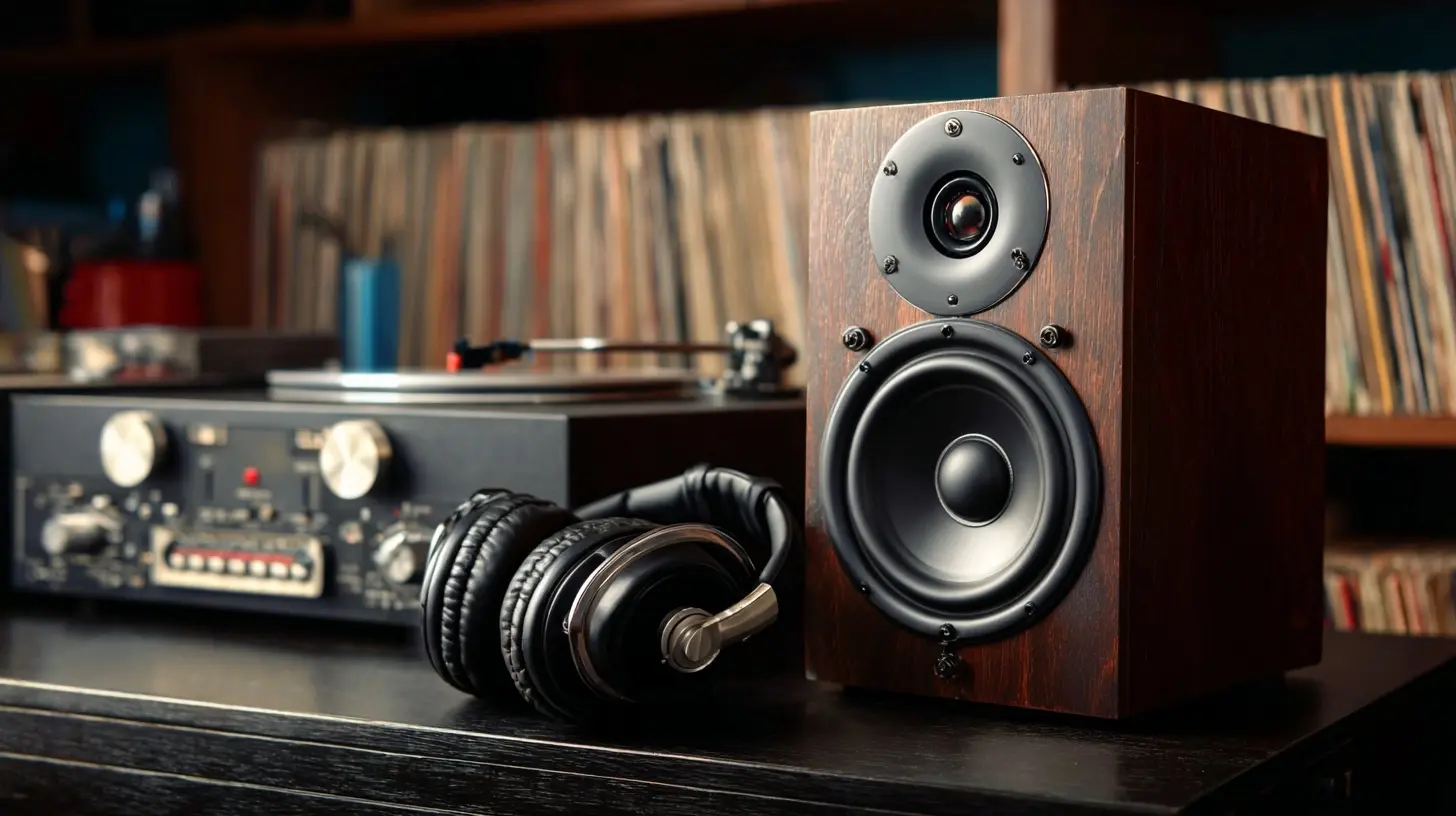
Wired headphones offer a few undeniable advantages. They have no battery to die, no wireless interference, and they accept a wider range of sources. You can plug them into a dedicated headphone amplifier, a mixing console, or a vintage receiver. In 2027, wired headphones are not obsolete; they are the choice for critical listening and studio work.The best wired headphones in this category use planar magnetic drivers. Unlike traditional dynamic drivers, planar magnetics use a thin diaphragm suspended in a magnetic field. They offer incredibly fast transient response, which means drums hit harder and cymbals decay naturally. The downside is weight and price. A good pair will cost you at least $400, and they often need a powerful amplifier to sound their best. If you plug them directly into a laptop, they will sound anemic.
Do not buy planar magnetic headphones if you are a casual listener. They are unforgiving. They will reveal every flaw in a low-quality recording. If you mostly listen to modern pop or hip-hop, a high-quality dynamic driver headphone will be more forgiving and often more enjoyable.
The Case for Wireless
Wireless over-ear headphones have closed the gap in sound quality significantly. The best models now use proprietary codecs that are not lossless but are "lossy enough" that the human ear cannot detect the difference. More importantly, they have solved the power problem. A flagship wireless headphone can now run for 40 to 60 hours on a single charge, which means you can fly across the ocean without a charger.The real innovation in wireless over-ear headphones is the adaptive noise cancellation. The latest systems use multiple microphones to sample the environment hundreds of times per second and generate an inverse sound wave. The best implementations do not just silence the world; they also adjust the cancellation profile based on your movement. If you are walking, they let in more ambient noise for safety. If you are sitting on a plane, they clamp down hard. This is not a gimmick. It genuinely reduces listening fatigue because you do not have to crank the volume to hear the music.
The trade-off is physical. Wireless headphones require batteries, amplifiers, and digital-to-analog converters built into the ear cups. This adds weight and complexity. You will not find a wireless headphone as light as a well-designed wired one. If you have neck issues or plan to wear them for eight hours a day, consider the weight before buying.
The Resurgence of the Portable DAC
Here is a piece of advice that will save you money. If you already own a good pair of wired headphones, but they sound dull, the problem is not the headphones. It is the source. Most phones and laptops have mediocre built-in digital-to-analog converters and headphone amplifiers. They are designed to be efficient, not accurate.A portable DAC (digital-to-analog converter) is a small dongle that bypasses your device's internal sound card. It takes the digital signal from your phone or laptop and converts it to an analog signal using a higher-quality chip. In 2027, these devices are smaller than a matchbox and cost between $50 and $200.
Why should you care? Because a good DAC will improve the sound of even a $100 pair of headphones. It adds clarity, tightens the bass, and expands the soundstage. It is the single most cost-effective upgrade you can make if you are already invested in wired audio.
Do not buy the most expensive DAC you can find. The law of diminishing returns hits hard here. A $150 DAC will sound nearly identical to a $500 DAC for 95 percent of listeners. What matters more is the output impedance and the maximum power output. If you have high-impedance headphones (over 100 ohms), you need a DAC with enough voltage to drive them. If you have low-impedance in-ear monitors, a cheap dongle is often enough.
One practical tip: look for a DAC that supports USB-C power delivery. Some models can charge your phone while you listen, which is a lifesaver on long trips. Also, check if the DAC has a physical volume control. Adjusting volume on the phone is fine, but a hardware knob gives you finer control and avoids accidental jumps that can damage your hearing.
Smart Speakers: Beyond the Voice Assistant
Smart speakers have had a rocky history. Early models sounded terrible, and the voice assistants were more frustrating than helpful. In 2027, the category has matured, but it is no longer a single category. You have to choose between small room speakers, large room speakers, and soundbars.The key insight for smart speakers is that the microphone array matters as much as the speaker driver. If you want to use voice commands from across the room, you need a speaker with multiple microphones that can filter out the music it is playing. This is called echo cancellation. The best systems use beamforming, which focuses the microphones on the direction of your voice.
For sound quality, the trend is toward multi-driver designs with separate tweeters and woofers. A single full-range driver cannot reproduce the entire audible spectrum accurately. If you are buying a smart speaker for music, avoid the tiny puck-shaped models. They are fine for podcasts and news, but they will make music sound like it is coming from a tin can.
The best smart speakers in 2027 are actually hybrid systems. They have a premium audio engine built in, but they also support wireless pairing with other speakers for a stereo or surround setup. This is where the value is. Buy one good speaker for your kitchen, then add a second one later for true stereo imaging. The software should handle the synchronization seamlessly.
A common misconception is that smart speakers can replace a dedicated stereo system. They cannot. The physical constraints of a single enclosure, even a large one, limit the bass extension and soundstage. If you are a serious listener, use a smart speaker for casual background music and keep a separate system for critical listening.
The Return of the Hi-Fi Streaming Player
Streaming from your phone is convenient, but it is not always the best way to get high-quality audio. In 2027, there is a growing movement back toward dedicated streaming players. These are not portable music players; they are stationary boxes that connect to your home network and stream directly from services like Tidal, Qobuz, or your own NAS drive.Why would you want a dedicated box when your phone can do the same thing? The answer is isolation. A dedicated streaming player has a better power supply, a cleaner clock for digital timing, and a dedicated output stage. Your phone is a noisy device with radios, processors, and battery charging circuits all generating electrical interference. A dedicated player is engineered to minimize that interference.
This is not a subtle difference for everyone. If you listen on cheap speakers, you will not hear it. But if you have a decent pair of floor-standing speakers or high-end headphones, a dedicated streamer will reveal a blacker background, which means you hear the silence between the notes. That silence allows the music to breathe.
The best models in 2027 offer a few key features. They support Roon, which is a music management software that aggregates your local files and streaming subscriptions into one interface. They have balanced outputs (XLR) for connecting to professional-grade amplifiers. They also have a built-in headphone amplifier with a proper gain stage.
Do not buy a streaming player if you only listen in one room and are happy with the sound from your computer. It is an investment for people who are building a dedicated listening space. If you are at that stage, it is worth the money because it will serve as the centerpiece of your system for a decade.
The Vinyl Revival: Analog in a Digital World
Vinyl records are not a gimmick. They are a different format with a different sound. The revival continues in 2027, but it has shifted from nostalgia to a genuine appreciation for the ritual and the mastering. Many new records are pressed from digital masters, but some labels are doing true analog cuts from the original tapes. Those are the ones to look for.If you are entering the world of vinyl, the turntable is the most critical piece of equipment. The best turntables in 2027 are belt-driven, meaning the motor is separate from the platter and connected by a belt. This isolates the motor's vibrations from the record. Direct-drive turntables are better for DJs because they start instantly and hold speed well, but they transmit more motor noise.
The cartridge is where the magic happens. A moving magnet (MM) cartridge is cheaper and easier to replace. A moving coil (MC) cartridge is more expensive and requires a special phono stage with more gain, but it offers more detail and a lower noise floor. For most listeners, a good MM cartridge is the right choice. Do not upgrade to MC until you have maximized your speaker and amplifier setup.
One misconception is that vinyl is inherently better than digital. It is not. Vinyl has a lower signal-to-noise ratio, meaning you will hear surface noise and crackle. It also has a limited dynamic range compared to high-resolution digital. However, vinyl often has a different master that is less compressed than the streaming version. That is why it sounds "warmer" or "more alive." The format is not superior; the mastering often is.
If you buy a turntable, do not cheap out on the phono preamp. Many turntables have a built-in preamp, but they are usually mediocre. A separate phono preamp costs $100 to $500 and will dramatically improve clarity. Also, invest in a good record cleaning brush. Dust and static are the enemies of vinyl playback.
Room Acoustics: The Forgotten Gadget
Here is the most underrated piece of audio gear you can buy: acoustic treatment. No speaker, no matter how expensive, can sound good in a room with hard parallel walls and no absorption. The reflections will smear the sound and create standing waves that boost certain bass frequencies and cancel others.You do not need to turn your living room into a recording studio. But you should consider a few strategic panels. Place absorption panels at the first reflection points, which are the spots on the side walls where you can see the speaker when you sit in the listening position. A bass trap in the corners will tame the boominess that plagues most rooms.
This is not glamorous, and it is not a gadget in the traditional sense. But it is the highest-return investment in audio. A $200 pair of speakers in a treated room will sound better than a $2000 pair in an untreated room. I cannot stress this enough. Before you spend money on cables, amplifiers, or DACs, fix your room.
Common Mistakes and How to Avoid Them
Let me give you a quick list of mistakes I see all the time.First, buying speakers that are too large for the room. A big floor-standing speaker in a small room will produce overwhelming bass and poor imaging. Match the speaker size to the room volume.
Second, placing speakers too close to the wall. Rear-ported speakers need space behind them to breathe. If you must place them against the wall, look for front-ported or sealed designs.
Third, ignoring the source quality. If you are streaming at 128 kbps, no gadget will fix that. Use lossless or high-bitrate streaming services.
Fourth, chasing cables. Expensive cables do not make a significant difference in sound quality for runs under 10 feet. Spend that money on better speakers or a DAC instead.
Fifth, forgetting about hearing health. The best audio gadget is your ears. Use volume-limiting features and take breaks. Tinnitus is permanent and will ruin your enjoyment of music forever.
Final Recommendations for 2027
If you are on a budget and want the best overall experience, buy a pair of high-quality wireless earbuds with adaptive noise cancellation and a good fit. They will cover 80 percent of your listening needs.If you are a desktop listener, invest in a portable DAC and a good pair of wired over-ear headphones. This combo will outperform any wireless setup at the same price.
If you are building a home system, start with a good pair of powered bookshelf speakers with a subwoofer output. Add a subwoofer later. Then add a dedicated streaming player when you are ready to take the next step.
The audio industry in 2027 is in a golden age. There is more choice and better sound at every price point than ever before. The key is to know what you value. Do you want convenience or fidelity? Do you want to listen while moving or sit still and focus? The best gadget is the one that disappears and lets the music take over.
all images in this post were generated using AI tools
Category:
Tech GadgetsAuthor:

Kira Sanders
Discussion
rate this article
2 comments
Thalwen McFarland
If music is your jam, these audio gadgets are like the cherry on top of your playlist sundae! Get ready to groove in style with tech that makes every beat sound amazing in 2027!
September 11, 2026 at 10:47 AM
Kira Sanders
You got it! The right gadgets really elevate the experience. Here's to enjoying every beat in style!
Mara McNaughton
Future sounds promising... can't wait to listen!
September 11, 2026 at 3:34 AM
Kira Sanders
Thanks! I can't wait for you to hear them either!