Mobile Innovations in Accessibility: Bridging the Digital Divide
6 March 2026
Let’s talk about something that’s changing lives, unlocking potential, and making technology what it was always meant to be—inclusive. From screen readers and voice commands to haptic feedback and AI-driven tools, mobile innovations in accessibility are making the digital world more open and usable for everyone. And that’s not just cool—it’s life-changing.
Technology has always promised to connect us, but for too long, that promise wasn’t extended equally. Today, mobile innovations are flipping the script and finally bridging the digital divide. Whether someone is living with vision impairment, hearing loss, cognitive challenges, or mobility limitations, modern smartphones are becoming personal empowerment devices.
So buckle up—we’re diving into how these mobile breakthroughs are leveling the playing field and creating a digital world where everyone belongs.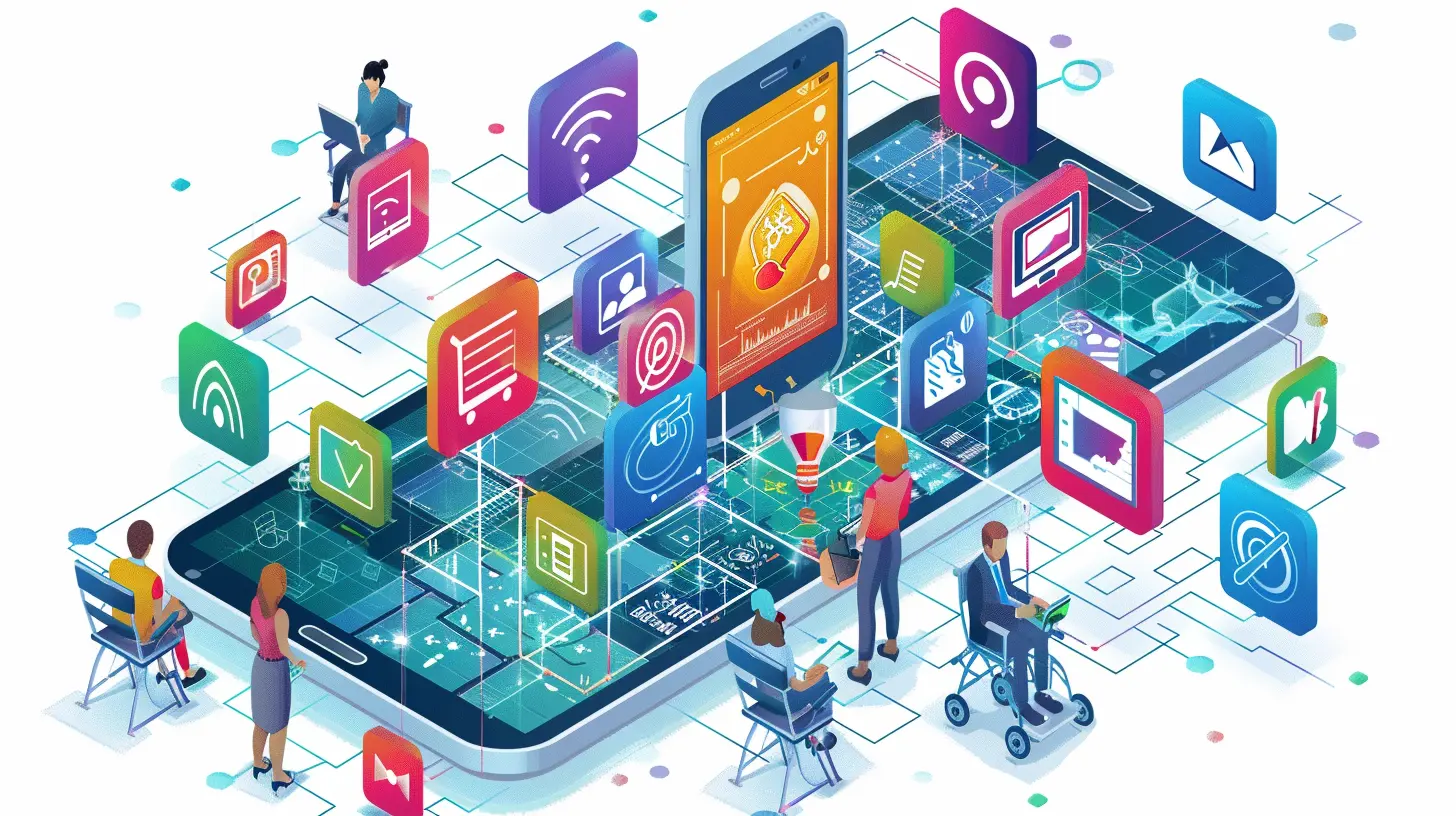
Why Accessibility in Tech Really Matters
Here’s a reality check: over 1 billion people worldwide live with some form of disability. That’s not a small group to overlook. Everyone deserves to access the internet, use mobile apps, and enjoy the digital tools many of us take for granted.But for a long time, digital experiences were designed with only the average user in mind—leaving millions out in the cold. That’s where accessibility swoops in like a hero. It’s not optional. It’s not “nice to have.” It’s essential.
Accessible mobile tech doesn’t just help people with disabilities—it often leads to innovations that benefit all of us. Think about voice assistants like Siri or Google Assistant. Originally created to assist those with mobility or vision impairments, now they’re a hit with everyone. That’s what we call inclusive design at its finest.
The Rise of Mobile Accessibility: A Game-Changer
Let’s face it—our phones are practically an extension of our hands. We shop, learn, text, date, and even meditate on these pocket-sized powerhouses. So it makes total sense that making smartphones accessible would have a massive impact.Here’s how mobile devices are transforming accessibility:
1. Screen Readers: Giving Eyes to the Blind
Imagine navigating your phone without ever looking at the screen. Sounds tricky, right? Not with screen readers like VoiceOver (for iOS) and TalkBack (for Android). These tools read out loud whatever’s on the screen—texts, menus, buttons—you name it.They even help users type, search, and browse with gestures and voice. It’s a literal voice in someone’s pocket guiding them through the digital world. How amazing is that?
2. Voice Commands: Speaking Makes Everything Easier
If you’ve ever asked Siri for directions or told Google to play your favorite podcast, you’ve used mobile accessibility features, maybe without even knowing it.Voice control enables users with mobility or dexterity challenges to operate their phones hands-free. And we’re not just talking about basic stuff. They can write emails, open apps, scroll through social media—just by talking.
It’s like having a magical assistant who listens and responds instantly.
3. Magnification and Display Settings
Not everyone sees the world the same way. Some people need bigger text. Others need high contrast or specific color filters. Mobile devices now make it super easy to tweak visual settings to suit individual needs.Zoom features, bold text options, inverted colors, and dark mode are all features that help people see and interact with content more comfortably. There’s freedom in customization—and mobile tech is finally getting that.
4. Haptic Feedback: Feeling the Digital World
What if you could feel your phone guiding you? That’s the beauty of haptic feedback. These subtle vibrations offer real-time confirmation—like a tactile nod that says, “Yeah, you tapped that button.”For folks who are deaf or hard of hearing, haptics make notifications more noticeable. For those who are blind, it’s another layer of interaction. Physical cues in a digital world? Sign us up.
5. Real-Time Captioning and Transcription
Have you ever tried watching a video in a noisy environment and wished there were captions? Now imagine being someone who relies on them every single day.Thanks to AI, real-time captioning is now built into mobile OS systems. Google Live Transcribe? Total game-changer. It offers real-time, on-the-fly transcription of conversations. Accessibility isn’t just about convenience—it’s about dignity and connection.
Apps That Are Changing the Accessibility Game
Let’s give a shoutout to some apps that are redefining what’s possible.Be My Eyes
This app connects blind or low-vision users with sighted volunteers and company reps via live video calls. Need help reading a label or finding your keys? Someone’s there to help. It’s like having eyes on demand—through your phone.Ava
This app offers real-time captions for any conversation. Whether you’re at a meeting, in class, or just having coffee with friends, Ava ensures no one’s left out of the loop.Seeing AI
Built by Microsoft, Seeing AI narrates the world for users with visual impairments. It can read text, recognize faces, describe scenes, and even identify currency. It’s a Swiss army knife of accessibility—and it fits in your pocket.
What Tech Giants Are Doing Right
Let’s give credit where it’s due. Big players like Apple, Google, and Samsung are investing serious resources into making their products more accessible.Apple: The Accessibility Trailblazer
Apple has been leading the way for years. VoiceOver, AssistiveTouch, hearing aid support, and switch control are just the beginning. Apple doesn’t treat accessibility like an afterthought—it’s baked into their ecosystem.They even dedicate entire sections of their website to accessibility, offering tutorials and success stories. That’s commitment.
Google: Android Accessibility Suite
Google is catching up fast. With features like Select to Speak, Sound Amplifier, and Action Blocks, Android devices are becoming increasingly user-friendly for people across the disability spectrum.And let’s not forget about Google Lookout—it’s like Google Lens but designed for the blind and visually impaired. It reads labels, identifies objects, and navigates spaces.
The Role of AI and Machine Learning
You know what makes mobile accessibility even more exciting? Artificial intelligence. AI is helping mobile devices “learn” and adapt to users’ needs in real-time.From predicting what someone might want to say, to describing images being shared, to identifying speech patterns—machine learning is turning phones into smart caregivers.
Even better? AI gets better the more we use it. So the future is only going to become more intuitive and inclusive.
Accessibility Goes Beyond Disability
Let’s expand our scope for a sec. Accessibility isn’t just for people with permanent disabilities. It benefits everyone at one point or another.Carrying groceries and can’t touch your phone? Voice control helps. Trying to read a website in bright sunlight? High contrast display saves the day. Struggling to hear announcements in a noisy room? Real-time captions come to the rescue.
That’s the beauty of accessible design—it works for everyone.
Challenges Still to Overcome
We’re not saying the work is done. There are still some bumps in the road. Many websites and apps are still not fully accessible. Developers don’t always test for usability with screen readers or alternative inputs. And let’s be real—not everyone can afford the latest smartphone with all the bells and whistles.Affordability, digital literacy, and awareness still need a lot of work. But we’re moving in the right direction. Slowly but surely, the tech world is waking up to its responsibility.
What You Can Do
You don’t have to be a tech mogul to make a difference. Here’s how you can help bridge the digital divide:- If you’re a developer, design apps with accessibility in mind from Day One.
- If you’re a business owner, make sure your website and mobile experience are usable for everyone.
- If you’re a teacher, educate your students on the importance of inclusive tech.
- If you’re anyone (and we know you are), speak up about accessibility. Normalize it. Celebrate it.
It takes a village to build an inclusive digital world.
Looking Ahead: A Future Without Barriers
Imagine a world where technology doesn’t just connect people—it empowers them. Where no one is left behind because of physical limitations or financial barriers. That’s the future mobile accessibility is pushing for.It’s not just a trend. It’s a movement. A revolution.
And as we continue to innovate, we must keep one thing front and center: Tech should work for everyone. Period.
Bridging the digital divide isn’t just a job for developers or designers—it’s a collective mission. One we can and will achieve together.
So next time you pick up your phone, think about the millions of people who are using similar devices to access the world—some for the first time.
That’s the kind of progress worth fighting for.
all images in this post were generated using AI tools
Category:
Mobile DevicesAuthor:

Kira Sanders
Discussion
rate this article
2 comments
Raine McNab
Exciting advancements in mobile accessibility are changing lives! By bridging the digital divide, we empower everyone to thrive in the tech world. Let's embrace innovation and inclusivity together!
March 11, 2026 at 4:43 AM
Kira Sanders
Absolutely! It's inspiring to see how mobile innovations are making technology accessible for all. Together, we can foster a more inclusive future.
Jackson Ruiz
Innovative mobile solutions are crucial for enhancing accessibility for everyone.
March 8, 2026 at 8:09 PM
Kira Sanders
Thank you for your comment! I completely agree—innovative mobile solutions play a vital role in ensuring that digital access is inclusive for all.