Tech Habits to Improve Your Digital Wellbeing in the Coming Years
27 July 2026
The relationship between humans and technology has shifted from novelty to necessity. We carry supercomputers in our pockets, sleep next to glowing screens, and measure our productivity in notifications cleared. But the cost of this constant connection is becoming impossible to ignore. Digital wellbeing is not about abandoning technology. It is about building intentional habits that align with how your brain actually works, not how the algorithms want it to work.
Over the next few years, the landscape will only become more demanding. Attention is the most valuable resource in the digital economy, and every app, platform, and device is optimized to capture as much of it as possible. If you do not design your own habits, the system will design them for you. This article covers the specific, actionable tech habits that will protect your focus, your sleep, your relationships, and your mental health as we move deeper into an always-on world.
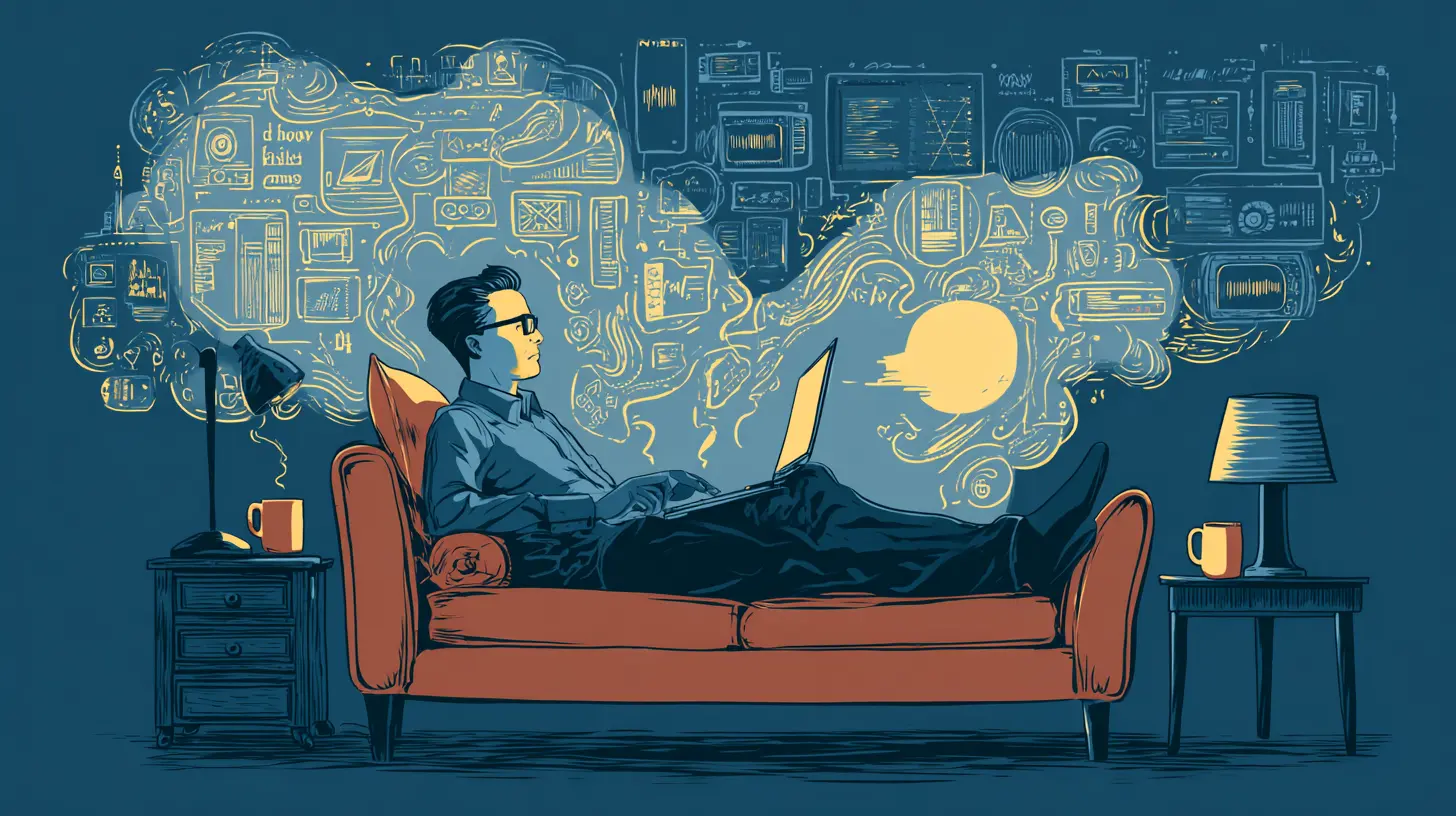
Why Digital Wellbeing Is Harder Than It Looks
Most advice about digital wellbeing focuses on surface-level fixes: turn off notifications, use grayscale mode, set app timers. These are not wrong, but they miss the deeper problem. The real challenge is that technology exploits ancient biological reward systems. Your brain did not evolve to resist a dopamine loop triggered by a like, a swipe, or a red badge. It evolved to seek out rare rewards in a scarce environment. The modern digital environment delivers those rewards on demand, at zero cost, in infinite supply.This creates a mismatch. You cannot simply "try harder" to resist because your brain's executive function (the prefrontal cortex) gets fatigued after repeated decisions. Every time you decide not to check your phone, you burn a small amount of willpower. By the end of the day, you are more likely to reach for the distraction. That is why habit design matters more than motivation. You need to change the environment, not just your intentions.
The Common Mistake: Treating Symptoms Instead of Causes
A frequent error is focusing on screen time totals. People see they spent four hours on social media and feel guilty. So they install a blocker. But blockers create friction, and friction can be bypassed. The underlying cause is often boredom, anxiety, or the need for a micro-break from a demanding task. If you do not address the emotional or environmental trigger, you will find a way around the blocker.The better approach is to understand why you reach for a device at a specific moment. Is it habit? Is it a cue from your environment? Is it a response to stress? Only then can you build a habit that replaces the unwanted behavior with something healthier.

Habit 1: Schedule Your Attention, Not Your Time
Most productivity advice tells you to schedule your tasks. That is fine, but it misses the point. Tasks take time, but attention is what actually gets work done. You can spend two hours on a task and accomplish nothing if your attention is fractured. The coming years will demand deeper focus because information overload will only increase.The Pomodoro Method with a Twist
The classic Pomodoro method (25 minutes of work, 5 minutes break) works because it respects the natural limits of focused attention. However, many people misuse it by checking their phone during the break. That defeats the purpose. The break should be a true mental reset: stand up, stretch, look out a window, or do a few deep breaths. Looking at a screen during a break keeps your visual cortex active and prevents the cognitive recovery that the break is supposed to provide.A better variation is the 90-minute focus block. Research on ultradian rhythms suggests that the brain can sustain high focus for about 90 minutes before needing a longer rest. Try working in 90-minute blocks with a 15 to 20 minute break. During the focus block, put your phone in another room, close unnecessary browser tabs, and use a physical timer (not a phone app) to keep track. The physical timer removes the temptation to glance at your phone for the time.
When Not to Schedule Attention
There are times when rigid scheduling backfires. Creative work, brainstorming, or problem-solving often benefits from a looser structure. Forcing yourself into a 25-minute Pomodoro when you are in a flow state can disrupt your best thinking. The key is to know which type of work you are doing. For deep, analytical tasks, schedule attention. For creative exploration, schedule a time block but allow yourself to wander within it. The habit is not about rigidity. It is about intentionality.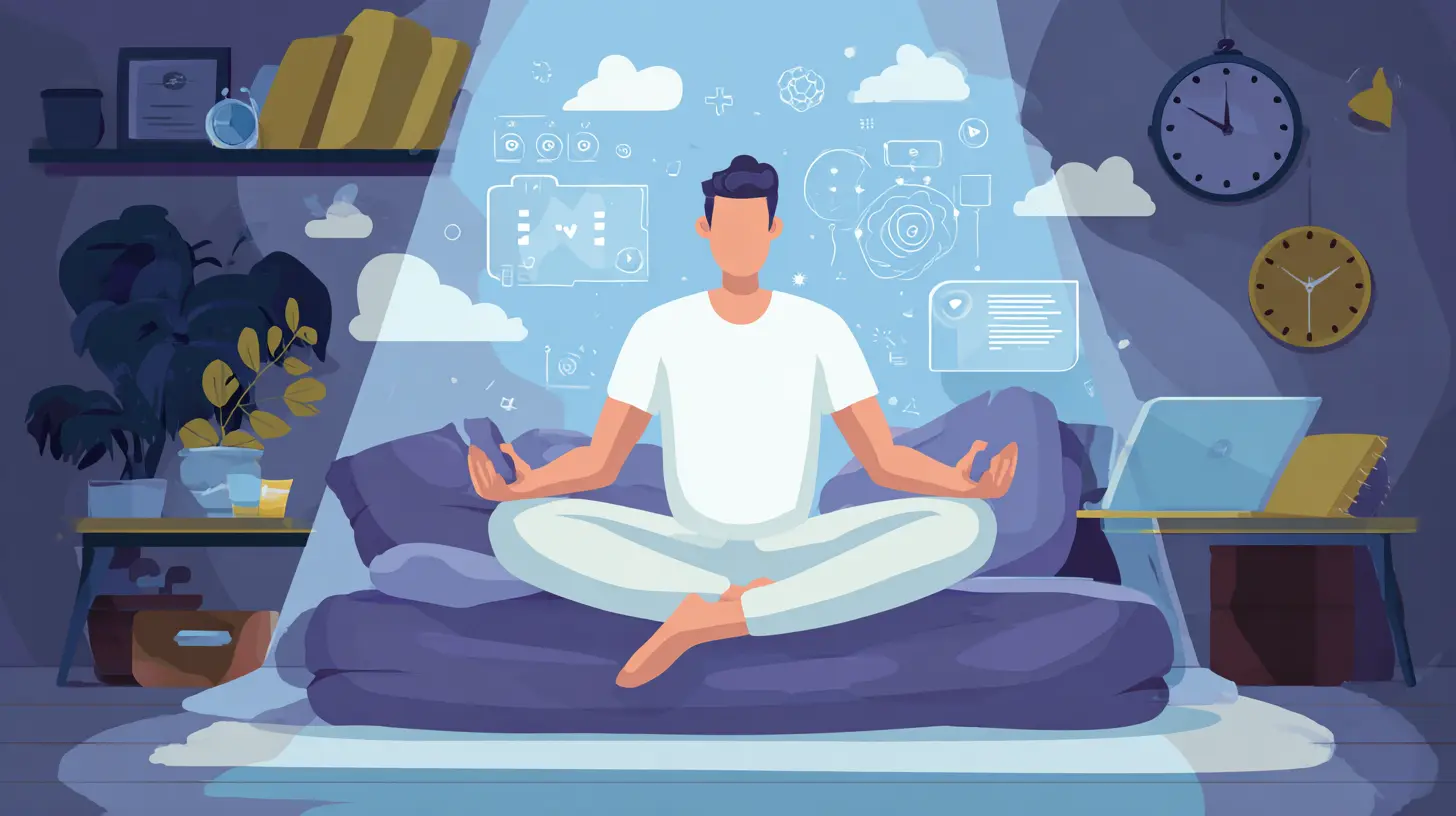
Habit 2: Curate Your Digital Environment Like Your Physical Home
You would not leave your front door open all night or allow strangers to walk through your living room shouting at you. Yet many people leave their digital doors wide open. Every notification, every email alert, every vibrating wrist is an interruption. The cost is not just the few seconds it takes to glance at the screen. It is the cognitive switching penalty: it can take up to 20 minutes to fully re-engage with a complex task after an interruption.The Notification Hierarchy
Not all notifications are equal. The habit to build is a tiered system. Tier 1 is for people who can reach you at any time: your spouse, your children, your boss in an emergency. Everything else is Tier 2 or Tier 3. On your phone, go into notification settings and turn off all sounds and badges for every app except those in Tier 1. Then, schedule two or three times per day to check Tier 2 notifications (email, Slack, social media). This is not about ignoring people. It is about reclaiming the right to choose when you give your attention.A common pushback is fear of missing something urgent. But ask yourself honestly: how many truly urgent things have you received via a push notification in the past month? Most are marketing, social validation, or low-priority updates. If something is truly urgent, the person will call or text. If they do not have your number, it is not urgent.
The Grayscale Myth and Its Limits
Many digital wellbeing guides recommend switching your phone to grayscale mode to reduce the visual appeal of apps. This works for some people because bright colors trigger reward centers. However, it has a downside: grayscale makes it harder to distinguish between app icons, which can increase the time you spend hunting for the right app. It also makes reading maps, viewing photos, and using certain tools more difficult. A better approach is to use grayscale only for specific apps that you tend to overuse, rather than system-wide. Or use it for a trial period of two weeks to break the visual habit, then decide if it is worth keeping.
Habit 3: Build a Purposeful Relationship with Social Media
Social media is not inherently bad. It connects people across distances, supports communities, and can be a source of information. The problem is that the business model of most platforms is built on maximizing engagement, not on your wellbeing. The algorithms are trained to show you content that triggers strong emotions, because strong emotions keep you scrolling.The Input-Output Ratio
A healthy habit is to think of social media as a tool with an input-output ratio. What are you putting in (time, attention, emotional energy) and what are you getting out (connection, information, entertainment)? If the output does not justify the input, something needs to change. For many people, the ratio is heavily skewed toward input. They spend 30 minutes scrolling and feel worse than before they started. That is a clear signal.One practical habit is the 10-second rule. Before opening any social media app, pause for 10 seconds and ask: "What am I looking for right now?" If the answer is vague ("just checking"), do not open it. If the answer is specific ("I want to see photos from my friend's trip"), then open it, find what you need, and close it. This simple pause breaks the automatic loop and forces deliberation.
The Comparison Trap and the Solution
Social media feeds are highlight reels. People post their best moments, their curated vacations, their filtered selfies. Comparing your real life to those highlights is a recipe for dissatisfaction. The habit to build here is perspective. When you feel envy or inadequacy, remind yourself that you are seeing a performance, not a reality. You can also curate your feed aggressively. Unfollow or mute accounts that make you feel worse. Follow accounts that educate, inspire, or genuinely entertain you. The algorithm will adapt to your behavior, but only if you actively shape it.Habit 4: Protect Your Sleep from Blue Light and Mental Activation
Sleep is the foundation of cognitive function, emotional regulation, and physical health. Technology has become one of the biggest disruptors of sleep, not just because of blue light but because of the mental activation that comes from engaging content.Blue Light: The Real Story
Blue light from screens does suppress melatonin production, which makes it harder to fall asleep. However, the effect is often overstated. The amount of blue light from a smartphone is much lower than from natural sunlight. The bigger problem is what you are doing on the device. Checking work email before bed activates your stress response. Watching a thrilling show spikes your adrenaline. Scrolling social media triggers dopamine hits. These mental activations are more disruptive to sleep than the light itself.The best habit is a digital sunset: stop using screens for at least 60 minutes before you plan to sleep. During that hour, read a physical book, have a conversation, take a warm bath, or do light stretching. If you absolutely must use a device, use it for passive, non-engaging activities like listening to an audiobook or a podcast with a sleep timer. Avoid anything that requires decision-making or emotional investment.
The Trade-Off of Night Mode
Most devices have a night mode that shifts the screen to warmer colors. This helps with melatonin production, but it can also make the screen harder to read in bright environments. If you use night mode during the day, it can actually reduce visibility and cause eye strain. Use night mode only in the evening, and combine it with lowering the screen brightness to the minimum comfortable level.
Habit 5: Use Technology to Support Your Goals, Not Distract From Them
The most powerful habit you can build is to treat technology as a tool rather than a destination. A hammer does not tell you what to build. A phone should not tell you what to pay attention to. The shift in mindset is subtle but profound.The Single-Use Device Concept
Consider designating one device for a specific purpose. For example, use a dedicated e-reader for books instead of reading on your phone. The e-reader has no notifications, no social media, no email. It is a focused tool. Similarly, use a cheap alarm clock instead of your phone for waking up. This removes the temptation to check your phone the moment you open your eyes. The first 15 minutes of your day set the tone for the rest of it. If you start by scrolling, you are training your brain to seek distraction first thing.The Digital Declutter
Every few months, do a digital declutter. Uninstall apps you have not used in the past month. Unsubscribe from email newsletters that you never read. Delete photos and files you no longer need. Organize your bookmarks. A cluttered digital environment creates a low-level sense of overwhelm, similar to a cluttered physical desk. The act of cleaning it up reduces cognitive load and makes it easier to find what you actually need.Habit 6: Practice Digital Minimalism for Relationships
Relationships suffer when technology intrudes. The classic example is the "phubbing" phenomenon: snubbing someone by looking at your phone while they are talking to you. It sends a clear message that the screen is more important than the person.The Phone Stack Game
When you are with friends or family, try the phone stack: everyone places their phones face down in the middle of the table. The first person to pick up their phone pays for the meal or buys the next round. This turns a rule into a shared social experience. It works because it removes the temptation by making the act of checking a phone socially visible. Over time, it becomes a habit to keep your phone away during social interactions.The Notification-Free Zone
Designate certain spaces in your home as phone-free zones. The dining table is an obvious one. The bedroom is another. The bathroom might be a third. The idea is to create physical boundaries that reinforce mental boundaries. When you walk into the dining room, your phone stays in the kitchen. This is not about punishment. It is about training your brain to associate certain environments with presence, not distraction.
Habit 7: Manage Information Overload with Intentional Consumption
Information is abundant, but wisdom is scarce. The coming years will bring even more data, more news, more opinions, and more content. The habit that will separate the overwhelmed from the informed is intentional consumption.The Information Diet
Treat your information intake like a diet. You would not eat junk food all day and expect to feel healthy. Similarly, you should not consume junk information all day and expect to think clearly. Junk information includes clickbait headlines, outrage-driven commentary, and endless breaking news updates that provide no actionable insight. The habit is to schedule specific times for deep reading (books, long-form articles, research papers) and to limit shallow consumption (social media feeds, news tickers, push alerts).The Curation Over Creation Rule
Instead of trying to follow every source, curate a small set of high-quality sources that you trust. Subscribe to a few newsletters, follow a handful of experts, and ignore the rest. When you find something valuable, save it to a read-later service like Pocket or Instapaper. Then, schedule time to read those saved items. This turns the firehose of information into a manageable stream.Habit 8: Build Digital Resilience for the Long Term
Digital wellbeing is not a one-time fix. It is a continuous practice. As new technologies emerge (AI assistants, augmented reality, always-on wearables), the habits you build today will either protect you or leave you vulnerable.The 30-Day Digital Reset
If you feel completely out of control, consider a 30-day digital reset. For one month, remove all non-essential apps from your phone. Keep only communication tools (phone, messaging, email) and essential utilities (maps, banking, calendar). No social media, no games, no news apps, no video streaming. The first week will feel uncomfortable. You will reach for your phone out of habit and find nothing. That discomfort is the addiction breaking. After 30 days, you can reintroduce apps one at a time, but only if they serve a clear purpose. This reset gives you a clean baseline and reveals which apps you actually miss versus which ones you just used out of habit.The Meta-Habit: Regular Reflection
The most important habit is to regularly reflect on your relationship with technology. Once a week, ask yourself: "Did my technology use this week align with my values? Did it help me become the person I want to be?" If the answer is no, adjust. This meta-habit of self-awareness is what makes all the other habits sustainable. Without it, you will drift back into default patterns.
Common Misconceptions About Digital Wellbeing
"I need to quit social media completely"
Not necessarily. For many people, social media provides genuine value: staying in touch with distant friends, finding community, or promoting their work. The goal is not elimination but intentional use. Quitting completely can feel liberating for a while, but it can also lead to social isolation if your community primarily interacts online. A better approach is to reduce usage to a level that feels healthy and to use the platform in a way that aligns with your goals."Digital wellbeing tools will fix the problem"
App timers, focus modes, and screen time reports are helpful, but they are not a substitute for habit change. They are training wheels. If you rely on a tool to block your distractions, you have not built the internal discipline to choose focus. The tools should be used as temporary supports while you develop the underlying habits. Eventually, you should be able to put your phone away without needing a timer."It is too late to change"
It is never too late. Neuroplasticity means your brain can rewire itself at any age. The habits you build today will reshape your neural pathways over time. The first few weeks are the hardest, but each day you practice a new habit, it becomes slightly easier. The key is consistency, not perfection.Practical Steps to Start Today
1. Turn off all non-essential notifications. Start with social media, news, and shopping apps. Keep only calls, messages from close contacts, and calendar alerts.2. Designate one room in your home as a phone-free zone. The bedroom or dining room works well.
3. Set a digital sunset time. Stop using screens 60 minutes before bed.
4. Use the 10-second rule before opening any social media app. Ask yourself what you are looking for.
5. Do a 30-day digital reset if you feel out of control. It will reset your baseline.
6. Schedule two or three times per day to check email and messages. Do not check them continuously.
7. Read one long-form article or a chapter of a book each day. Replace shallow scrolling with deep reading.
8. Reflect weekly on your technology use. Adjust as needed.
The Bigger Picture
Digital wellbeing is not about being anti-technology. It is about being pro-human. Technology should serve your goals, your relationships, and your health. When it does not, you have the power to change it. The coming years will bring more devices, more data, and more demands on your attention. The habits you build now will determine whether you control your technology or it controls you.The best time to start was yesterday. The second best time is right now.
all images in this post were generated using AI tools
Category:
Technology GuidesAuthor:

Kira Sanders
Discussion
rate this article
1 comments
Elena McInerney
This article offers practical insights on improving digital wellbeing. It emphasizes the importance of mindful tech use, setting boundaries, and prioritizing real-life connections. Adopting these habits can lead to a healthier relationship with technology, fostering balance in our increasingly digital lives. Great read for anyone looking to adapt.
August 3, 2026 at 11:04 AM
Kira Sanders
Thank you for the kind words! I'm glad you found the insights valuable. Prioritizing real-life connections is key in our tech-driven world.