Is the World Ready for Fully Autonomous Taxis?
15 December 2025
Picture this: You step into a cab, tell the driver your destination, and instead of the usual grunts or awkward small talk, there’s… nothing. Just the hum of a motor and a voice saying, "Sit back and relax." No human driver, no backseat driving, just artificial intelligence taking the wheel. Sounds like a sci-fi movie, right?
Well, buckle up, because self-driving taxis are closer than ever! But are we really ready for a world where our ride to work is controlled by a robot? Let's hit the gas and explore this futuristic road ahead! 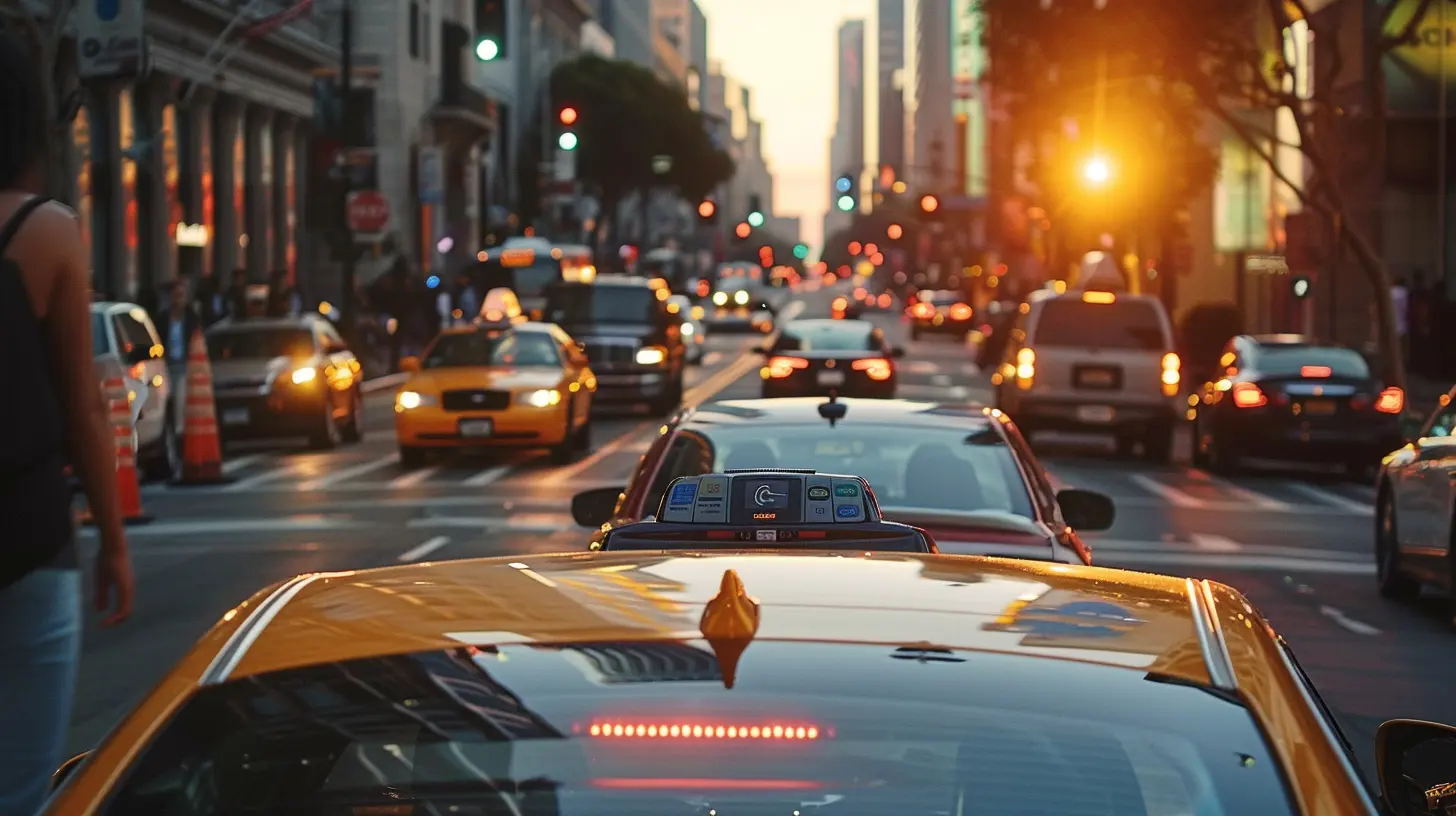
🚖 The Rise of Robo-Taxis
Autonomous taxis, or "robo-taxis," are already cruising the streets in select cities. Companies like Waymo, Tesla, and Cruise are leading the charge, rolling out driverless rides in places like San Francisco and Phoenix.These high-tech vehicles use a mix of cameras, sensors, and artificial intelligence to navigate busy roads, detect pedestrians, and avoid collisions. Ideally, they should be safer than human drivers (who, let’s be honest, can be pretty reckless).
But just because something is possible doesn’t mean it’s practical. Can we trust these metal chauffeurs to handle the chaos of real-world driving? 
🧠 Can AI Handle the Human Element?
Driving isn’t just about following traffic rules. If it were, we wouldn’t have road rage, random honking, or that one guy who makes a left turn from the far-right lane. Humans drive with instinct, emotion, and sometimes a little too much caffeine.On the other hand, AI-powered taxis rely solely on programming. They process data in milliseconds, but can they handle unpredictable human behavior? What happens when:
- A pedestrian jaywalks suddenly?
- A traffic officer waves you through a red light?
- A squirrel plays chicken in the middle of the road (RIP, little buddy)?
Until AI can think like a human—or at least anticipate human stupidity—there's always a risk. 
🚧 The Roadblocks to Full Adoption
Even if autonomous taxis work flawlessly in controlled environments, there are a few potholes we can't ignore:1. Tech Limitations & Glitches
AI is brilliant, but it’s not perfect. Self-driving cars still struggle with bad weather, unmarked roads, and those unexpected "WTF" moments traffic throws our way. If GPS glitches or a sensor fails, will the car just stop in the middle of the highway like a confused tourist?2. Public Skepticism
Let’s be real—most people are still wary of fully autonomous vehicles. If you've ever had a voice assistant misunderstand a simple command, you'd probably hesitate to trust an AI chauffeur. It takes time for people to trust technology, especially when their safety is at stake.3. Regulations & Legal Drama
Who gets blamed if a self-driving taxi crashes? The passenger? The car manufacturer? The software developer who forgot to patch a bug? Laws surrounding autonomous vehicles are still murky, and until they’re ironclad, widespread adoption will be a legal headache.4. Job Loss Concerns
If taxis go fully automated, what happens to millions of drivers worldwide? From cabbies to rideshare drivers, an industry shift could mean widespread unemployment—a tough pill to swallow. Will governments provide new job opportunities, or will we just tell drivers to "learn to code"?
🚀 The Benefits (Because It’s Not All Scary)
Alright, enough doom and gloom. Robo-taxis actually offer some exciting perks!✅ Fewer Accidents
Human error causes over 90% of car accidents. No texting, drunk driving, or road rage means fewer crashes. If AI taxis live up to their promise, we could see a serious reduction in traffic fatalities.✅ Environmental Perks
Most self-driving taxis are electric, meaning fewer emissions and a greener planet. Plus, optimized routes could reduce congestion and fuel waste. Mother Earth would definitely swipe right on this idea.✅ Cheaper Rides
No drivers mean lower operating costs. This could lead to cheaper fares, making rideshare services more accessible. Imagine never having to worry about surge pricing again—what a dream!✅ More Accessibility
For people with disabilities or those who can't drive, autonomous taxis could be life-changing. No more dependence on family or public transport—just hop in and go!🏁 So, Are We Ready?
Honestly? Not quite. Don’t get me wrong—autonomous taxis are the future, but we’re still ironing out the kinks. The technology exists, but real-world challenges (like reckless pedestrians and unpredictable weather) mean we need more time before they dominate our streets.For now, we’ll probably see self-driving taxis coexist with human drivers, gradually taking over as the tech improves and public trust grows. Until then, keep an eye on the road… because that "driver" ahead of you might be a robot!
🤔 Final Thoughts
Self-driving taxis are both exciting and terrifying, like a rollercoaster ride you’re not sure you signed up for. While they promise safety, efficiency, and innovation, there's still plenty to prove before they become our everyday norm.So, next time you hop into a ride-share, take a good look at your driver—it might be one of the last times you have an actual human behind the wheel!
all images in this post were generated using AI tools
Category:
Autonomous VehiclesAuthor:

Kira Sanders
Discussion
rate this article
2 comments
Renee McIntire
Exciting times ahead for transportation innovation!
December 21, 2025 at 9:34 PM
Kira Sanders
Absolutely! The future of transportation is on the brink of transformation with autonomous taxis leading the way.
Colt Conrad
While fully autonomous taxis promise efficiency and safety, challenges like regulatory hurdles, infrastructure readiness, and public acceptance must be addressed. A gradual approach may be key to easing society into this groundbreaking technology.
December 21, 2025 at 4:23 AM
Kira Sanders
You make an excellent point. Addressing these challenges through a gradual implementation will be crucial for the successful integration of autonomous taxis into society. Your insights highlight the importance of balancing innovation with safety and acceptance.