Hydrogen-Powered Gadgets: The Future of Clean Energy Tech?
21 May 2026
Technology is evolving at an insane pace, and with all the buzz around sustainability, hydrogen-powered gadgets are making headlines. Are we stepping into a future where our devices run on one of the most abundant elements in the universe? Could hydrogen be the game-changer we’ve been waiting for?
Let’s dive into the world of hydrogen-powered gadgets and see if they’re really the future of clean energy tech. 
? The Problem with Traditional Batteries
We rely heavily on lithium-ion batteries for everything—smartphones, laptops, and even electric vehicles. But they have their downsides:- Limited Lifespan: They degrade over time, meaning frequent replacements.
- Mining Issues: Extracting lithium harms the environment and communities.
- Disposal Problems: Old batteries contribute to electronic waste.
- Charging Time: Some devices still take hours to fully charge.
With these problems, it’s no surprise that scientists and engineers are looking for better alternatives. And that’s where hydrogen fuel cells come in. 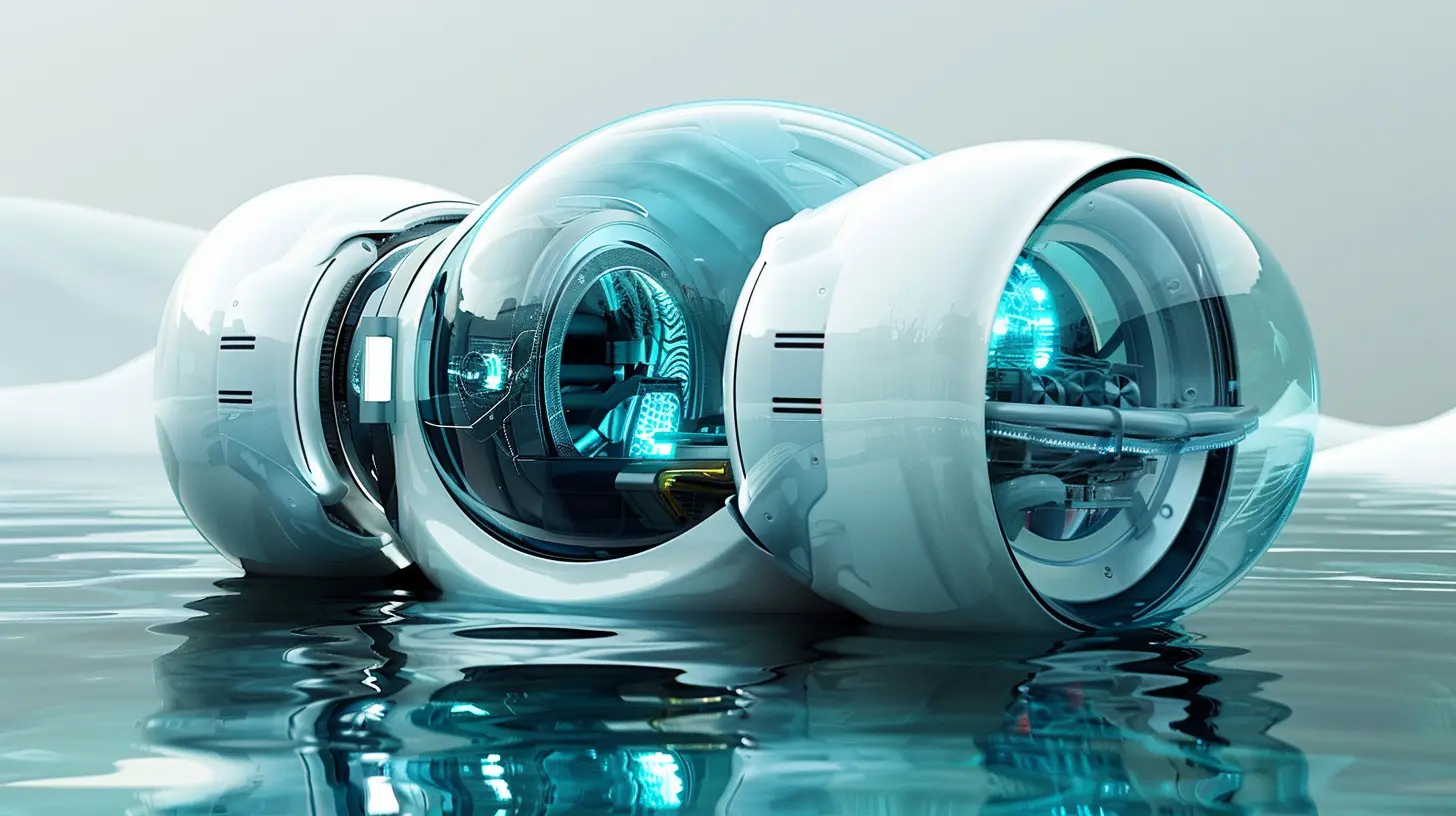
? How Do Hydrogen Fuel Cells Work?
Without getting too technical, hydrogen fuel cells generate electricity through a chemical reaction between hydrogen and oxygen. Here’s a simple breakdown:1. Hydrogen enters the fuel cell.
2. Electrons are separated from hydrogen atoms.
3. Those electrons generate electricity.
4. The only byproduct is water.
That’s right—no toxic waste, no harmful emissions, just pure water vapor. Sounds like a dream, right? 
? Hydrogen-Powered Gadgets: What’s Available?
While hydrogen fuel cells are mostly used in cars and industrial applications, they’re slowly making their way into everyday tech. Here are some exciting hydrogen-powered gadgets:1. Hydrogen-Powered Smartphones
Imagine never needing to charge your phone every night. Companies like Intelligent Energy have developed hydrogen-powered batteries that can last a full week on a single charge! No more searching for a power outlet every few hours.2. Hydrogen-Powered Laptops
Tech companies and startups are developing laptops powered by hydrogen fuel cells. These would eliminate the need for constant charging and extend battery life significantly.3. Hydrogen-Powered Power Banks
Portable hydrogen fuel cell chargers are already available. These power banks can charge your devices without needing a wall socket, making them perfect for camping trips and emergency situations.4. Hydrogen-Powered Drones
Drones powered by hydrogen fuel cells can stay in the air for hours, unlike regular battery-powered drones that last only minutes. This makes them ideal for search-and-rescue missions, surveillance, and even deliveries.5. Hydrogen-Powered Wearables
Smartwatches and fitness trackers could one day rely on hydrogen fuel cells, providing longer battery life and more eco-friendly alternatives to lithium-ion batteries.
? Why Hydrogen-Powered Gadgets Could Be the Future
Hydrogen comes with a bunch of amazing benefits that could revolutionize the way we power our tech.⏳ 1. Longer Battery Life
Since hydrogen fuel cells generate electricity continuously (as long as there's hydrogen), gadgets could last days or even weeks before needing a refill. Imagine a world where your phone only needs charging once a month!♻️ 2. Eco-Friendly and Sustainable
Unlike traditional batteries, hydrogen fuel cells don’t rely on rare earth metals or toxic chemicals. Plus, their only byproduct is water, making them one of the greenest energy sources available.⚡ 3. Fast Refueling
Unlike lithium-ion batteries that take hours to recharge, a hydrogen-powered device could be refueled in just a few minutes. Say goodbye to waiting for your phone or laptop to power up!? 4. Reducing E-Waste
Since hydrogen fuel cells last much longer than regular batteries, they could significantly reduce electronic waste. This means fewer discarded devices clogging up landfills.? Challenges of Hydrogen Technology
Of course, no technology is perfect, and hydrogen faces some major hurdles before becoming mainstream.? 1. Lack of Infrastructure
Where do you get hydrogen? Unlike electricity, which can be found everywhere, hydrogen refueling stations are still rare. Until the infrastructure improves, widespread adoption will be slow.? 2. High Production Costs
Producing hydrogen isn’t cheap. While it's the most abundant element in the universe, extracting and storing it efficiently can be expensive. Scientists are working on cost-effective methods, but we’re not there yet.? 3. Safety Concerns
Hydrogen is extremely flammable, which raises safety concerns. However, with proper storage and handling, these risks can be minimized—just like with gasoline.? 4. Green vs. Grey Hydrogen
Not all hydrogen is created equal. "Grey hydrogen" (produced from fossil fuels) still contributes to pollution. The goal is to transition to "green hydrogen", which is made using renewable energy sources like solar and wind.? What Needs to Happen for Hydrogen Gadgets to Go Mainstream?
For hydrogen-powered gadgets to truly take off, a few things need to change:- Better infrastructure: More hydrogen refueling stations worldwide.
- Lower production costs: Innovations in hydrogen extraction and storage.
- Public awareness: More people need to understand the benefits of hydrogen tech.
- Stronger government support: Policies and incentives for hydrogen adoption.
When these challenges are tackled, we could see a world where hydrogen-powered smartphones, laptops, and wearables become the norm.
? The Verdict: Hype or Reality?
Hydrogen-powered gadgets are still in their early stages, but they hold massive potential. If scientists and tech companies can overcome the current obstacles, these devices could revolutionize clean energy tech in ways we never imagined.Will your next smartphone run on hydrogen? Maybe not yet. But in the next 10-20 years, don’t be surprised if you start seeing more hydrogen-powered gadgets enter the mainstream.
One thing’s for sure: The future of clean energy tech looks incredibly exciting!
all images in this post were generated using AI tools
Category:
Sustainable TechAuthor:

Kira Sanders
Discussion
rate this article
2 comments
Juno Wells
This is exciting stuff! Hydrogen-powered gadgets could really change the game for clean energy. I can't wait to see how this tech evolves and what innovative products will hit the market.
June 22, 2026 at 3:17 AM
Kira Sanders
Thanks for your enthusiasm! It's certainly an exciting time for hydrogen tech. Stay tuned for more developments!
Fay Erickson
Exciting possibilities ahead! Hydrogen-powered gadgets could truly transform clean energy tech.
May 23, 2026 at 2:33 AM
Kira Sanders
I totally agree! The potential of hydrogen-powered gadgets is indeed thrilling and could lead to significant advancements in clean energy.