How Touchscreens Are Revolutionizing the Music Industry
18 June 2026
When you think about technology and the music industry, your first thoughts probably go to streaming platforms or digital audio workstations. But there’s another game-changer quietly transforming how musicians create, perform, and interact with music—touchscreens.
Whether it’s tapping away on a tablet during a live show or swiping through synth settings on a smartphone app, touchscreens are shaking up music in a big way. And not just for pros—this revolution is making music more accessible, creative, and fun for everyone.
Let’s dive into how touchscreens are leaving fingerprints all over the music scene.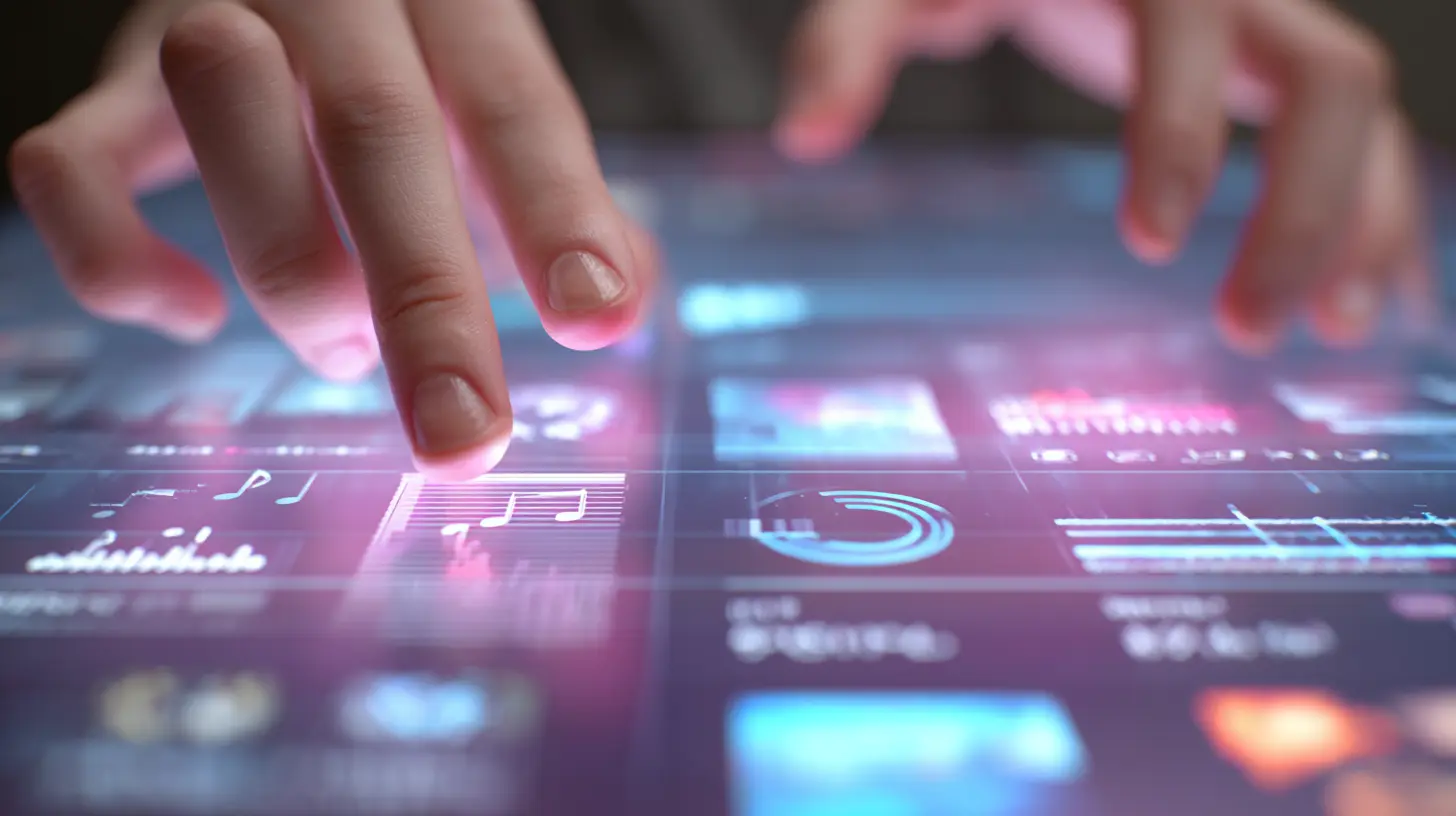
The Rise of Touch Technology in Music
From Buttons to Taps
Remember the days of clunky buttons and knobs on musical gear? Yeah, they’re still around, but touchscreens have stepped into the spotlight. Since the launch of the first iPhone in 2007, we’ve all grown used to tapping, pinching, and swiping through everyday life. Musicians, being the creative souls they are, saw the potential early on.Touch technology offered one big thing right off the bat—freedom. No longer tied to rigid hardware or confusing controls, artists could now interact with music on a more intuitive, fluid level. It's like going from drawing with a stick to sketching with your fingers in the sand—way more personal and responsive.
The Multi-Touch Revolution
Touchscreens aren't just touch-sensitive. They're multi-touch. That means you can use more than one finger (or hand!) at a time. That alone changes the game. Play chords, mix levels, tweak effects—all at once. It's like giving a musician extra limbs.This multi-touch capability, once limited to high-end gear, is now in your pocket. The democratization of touch means more people get to make more music, their way.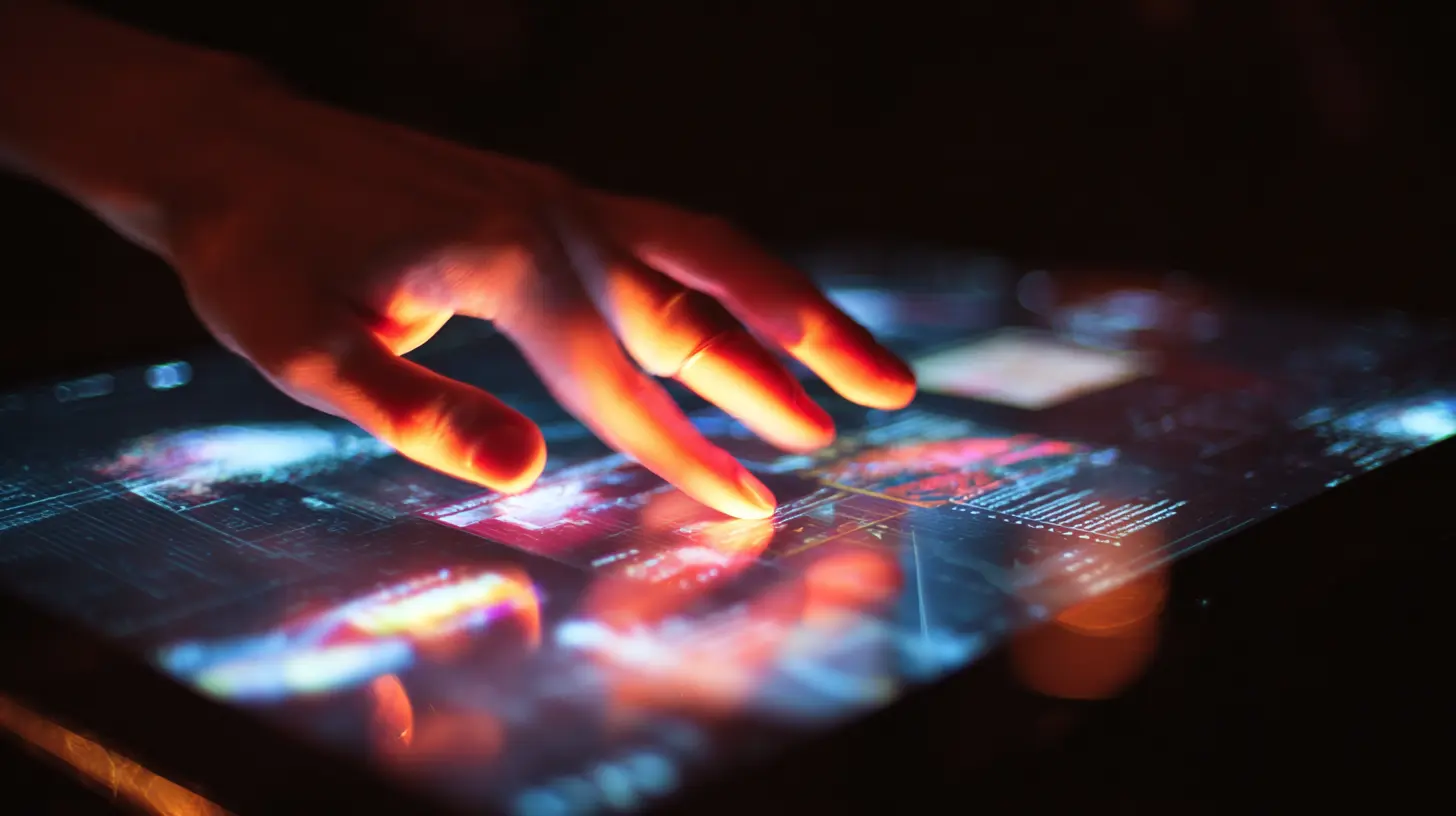
Touchscreen Apps as Portable Studios
Your Studio in Your Pocket
You don’t need racks of expensive equipment anymore. With a tablet or smartphone—and the right app—you can compose, record, edit, and even master a track. Apps like GarageBand, FL Studio Mobile, and KORG Gadget have paved the way for musicians to create multi-track masterpieces from anywhere.Imagine this: You're on a train, a melody pops into your head, and boom—you whip out your phone and lay down a quick demo. No studio. No gear. Just your ideas in action. That’s some serious power.
Touch Interface = Creative Interface
Buttons and knobs can be limiting. But touch interfaces let you paint sound with your fingers. Want to bend a pitch? Just slide. Want to control a filter? Draw it out. With touchscreens, especially those with pressure or velocity sensitivity, the screen becomes an expressive instrument in itself.That creative freedom is inspiring a whole new generation of producers and performers.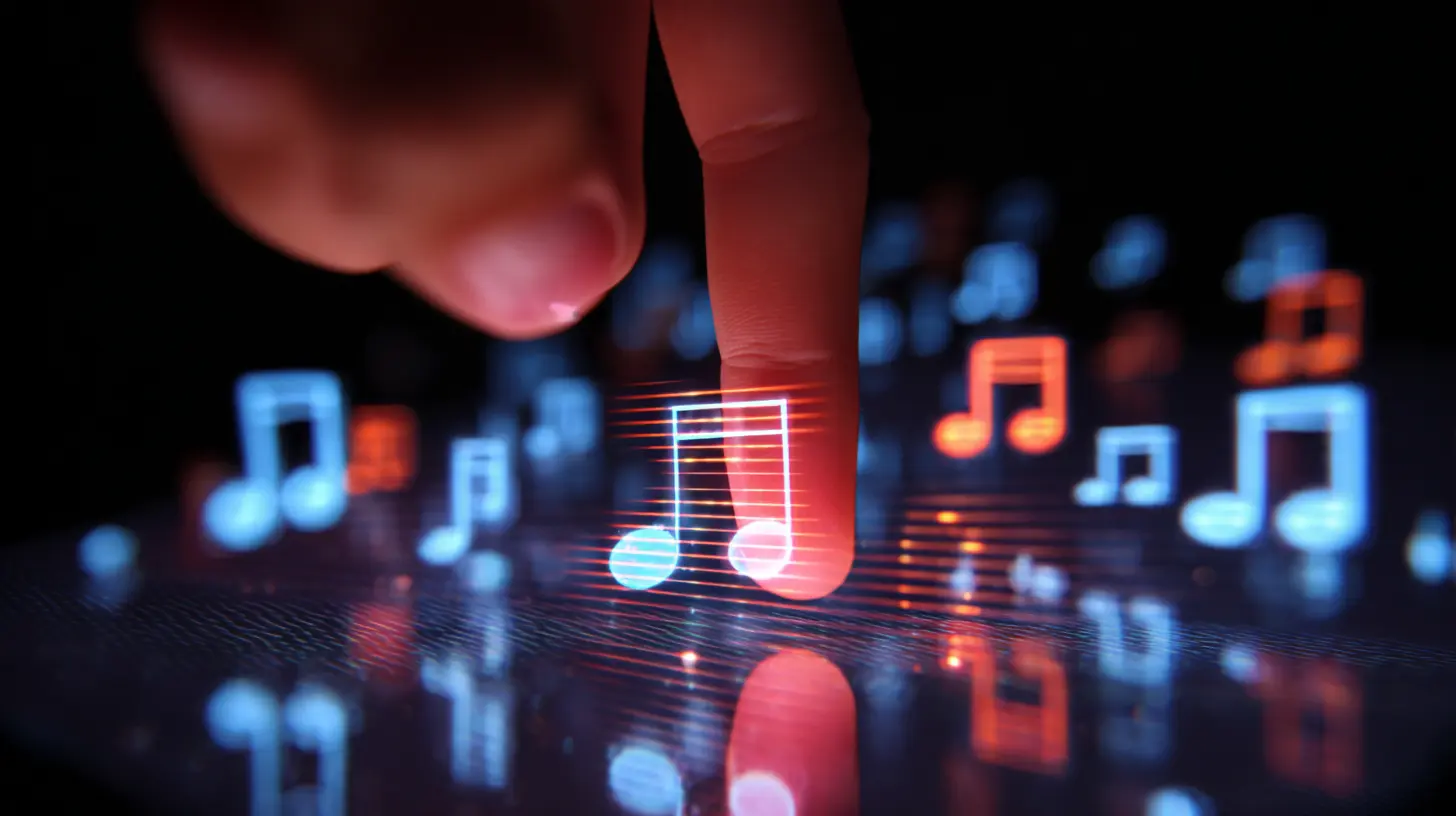
Live Performances Are Getting a Touch-Up
iPads on Stage?
If you’ve been to a live show recently, you might’ve noticed musicians reaching for iPads between songs—or even mid-performance. Touchscreens are popping up on pedalboards, DJ booths, and synth stands. And not just for show.Musicians use them to trigger backing tracks, control lighting, adjust monitor mixes, or even live-loop sounds. Think about that for a second—what used to take a small crew of people can now be handled from a single screen.
Digital DJing
DJs have jumped all over touchscreens, too. Traditional turntables have given way to touch-based setups, where complex mixes, samples, and effects are handled with a few swipes. No more hauling crates of vinyl. Just one device and a whole world of music at your fingertips.What’s wild is that many club-goers today don’t even realize the DJ isn’t using decks at all. Everything is digital, touchscreen-controlled, and seamless.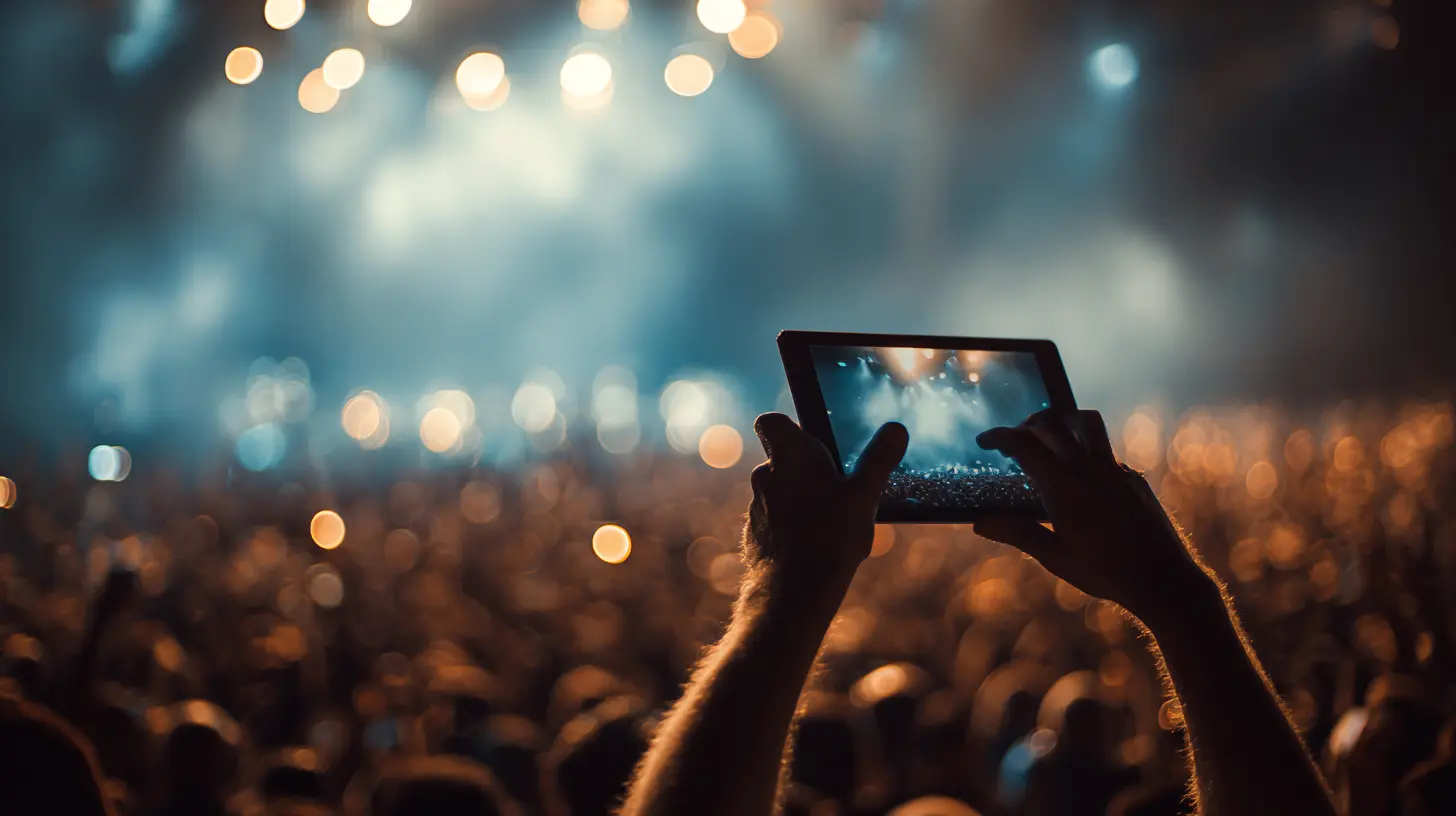
Creating Music Becomes Child’s Play (Literally)
Music-Making for Everyone
Let’s talk accessibility. You don’t have to be classically trained or even know music theory anymore. With apps that use touch input, anyone—yes, anyone—can make music. Kids, hobbyists, and people with disabilities are finding new paths into music creation.There are apps specifically designed for people with limited mobility or cognitive challenges. A touchscreen interface is easier to navigate than traditional instruments. And it’s fun! Making music becomes play, not work.
Gamifying the Creative Process
Touchscreen apps often use gaming elements to keep users engaged. Loop-based production apps let you remix tracks like you're playing a video game. This approach lowers the barrier and keeps the dopamine flowing.Music is no longer some sacred temple. Touchscreens have turned it into an open invitation.
Touchscreens and Instrument Innovation
Digital Instruments Reimagined
Ever heard of the Roli Seaboard or the LinnStrument? These are examples of new musical instruments that use touch-sensitive surfaces to offer more expressive control than a traditional keyboard or drum pad. Slide, press, glide—each gesture creates a different sound.While not traditional "screens," they rely on the same principles of touch interaction. These instruments are reshaping what it means to "play" music.
Synth Apps That Feel Like Instruments
Today’s virtual instruments don’t just sound good—they feel good to play. Synth apps use touchscreens to offer real-time control over every parameter. You’re not just turning a virtual knob—you’re shaping sound with your hands.Some even mimic physical behaviors. For example, you can “pluck” strings on a harp app or “slide” across keys on a synth panel. It’s tactile, it’s intuitive, and it blurs the line between physical and digital instruments.
Collaboration Across the Globe
Touchscreens Fuel Remote Collaboration
Another killer benefit? Real-time collaboration. With apps like Soundtrap or BandLab, musicians from opposite sides of the globe can co-write and produce tracks together—straight from their touchscreens.This wasn’t possible before. Sure, you could send files back and forth, but now it's live, it's synced, and it's seamless. That’s game-changing for indie artists, producers, and bands trying to work together remotely.
Social Music Creation
TikTok, Instagram, and YouTube—these are new musical stages. And they’re all touchscreen-based. Think about how many people create loops, vocals, or beats on their phone, then instantly share it with the world.Social platforms have become incubators for new talent. And it's all happening straight from a screen.
The Challenges (Because It's Not All Sunshine)
Limitations of Touch
Okay, let’s be real for a second. Touchscreens have their hiccups. Small screens can be fiddly. Latency (that annoying delay between when you tap and when the sound happens) can mess up a live performance. And sometimes, you just miss the physical feel of real buttons and knobs.There's also the learning curve. While touchscreens make some things easier, others require adapting to unfamiliar interfaces. Not every synth translates perfectly to a glass panel.
But hey, every tech has growing pains, right?
Where Are We Headed?
More Expressive Touch Tech
With new advancements like haptic feedback, pressure sensitivity, and foldable screens, touchscreens are set to become even more expressive. Imagine a screen that offers resistance, or one that reshapes itself based on the instrument you're using.Yeah, that’s where we’re going—and the music industry? It’s front-row for that future.
Hybrid Setups
We’re also seeing more hybrid setups—combining traditional instruments with touchscreen tools. A guitarist might use a tablet to control effects. A singer might use a phone app to auto-tune in real-time.It’s not about replacing old tools. It’s about enhancing them with new possibilities.
Final Thoughts: It’s All in Your Hands
Touchscreens aren’t just nifty gadgets—they’re creative weapons. They put the power to make, perform, and share music literally into the hands of anyone with a phone or tablet. Whether you’re a bedroom producer or a world-touring artist, touch tech is opening up a world where music is more accessible, more interactive, and way more personal.At the end of the day, revolution doesn’t always roar. Sometimes, it comes with a gentle tap or a smooth swipe.
So next time you unlock your phone, ask yourself: what music could be at your fingertips?
all images in this post were generated using AI tools
Category:
Touchscreen DevicesAuthor:

Kira Sanders
Discussion
rate this article
2 comments
Dahlia McAlister
While touchscreens offer innovative ways to interact with music, they also risk overshadowing traditional musicianship. The ease of access can lead to oversimplification, potentially diminishing the artistry behind music creation. It's crucial to balance technology with the depth of skill and creativity in the industry.
August 22, 2026 at 2:40 AM
Kira Sanders
You make a great point. Touchscreens can enhance music-making, but we must ensure they complement rather than replace traditional skills. Balancing innovation with artistry is key to preserving the depth of musical expression.
Fletcher Hughes
Touchscreens in music? Finally, a way to keep things fresh and interactive. Who needs old-school gear when you can just tap your way to a hit? Love it!
June 20, 2026 at 11:22 AM
Kira Sanders
Thanks for your enthusiasm! Touchscreens really are changing the game, making music creation more accessible and fun. Exciting times ahead!