How Touchscreens Are Powering the Next Generation of Cars
8 February 2026
Technology is evolving at breakneck speed, and nowhere is this more evident than in modern vehicles. For years, buttons, knobs, and dials controlled everything in a car. But today? Touchscreens are taking over, transforming how we interact with our vehicles. From sleek infotainment systems to advanced driver controls, touchscreens are redefining the driving experience.
So, what’s fueling this shift? And more importantly, what does it mean for the future of automobiles? Let’s dive in.
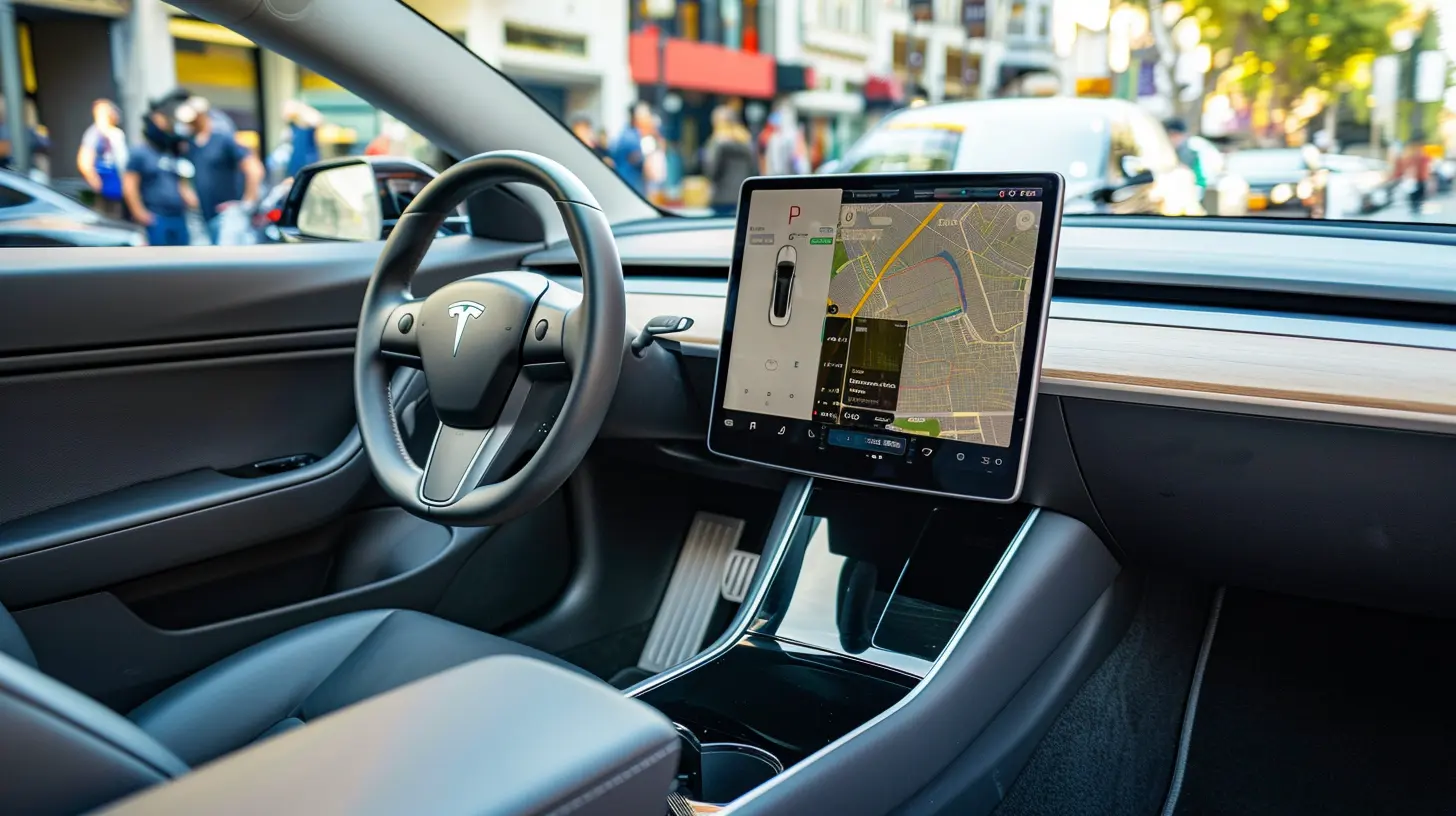
The Rise of Touchscreens in Cars
Remember when car dashboards were cluttered with buttons and switches? Those days are fading fast. Touchscreens have become a central feature in next-gen vehicles, offering a cleaner, more futuristic interface.Car manufacturers are integrating larger, more sophisticated displays, often replacing traditional controls entirely. Tesla, for instance, pioneered this trend with its massive center screens, inspiring other automakers to follow suit. Now, even budget-friendly cars are embracing touchscreen technology.
Why Are Touchscreens Taking Over?
Touchscreens aren’t just about aesthetics—they offer several practical benefits:- Simplicity & Convenience – A touchscreen consolidates multiple controls, reducing clutter and making features easier to access.
- Customization – Drivers can personalize their screen layout, adjusting settings based on their preferences.
- Enhanced Connectivity – With Apple CarPlay, Android Auto, and built-in apps, touchscreens turn cars into smart devices.
- Future-Proofing – Unlike physical buttons, touchscreen interfaces can be updated via software, adding new features over time.
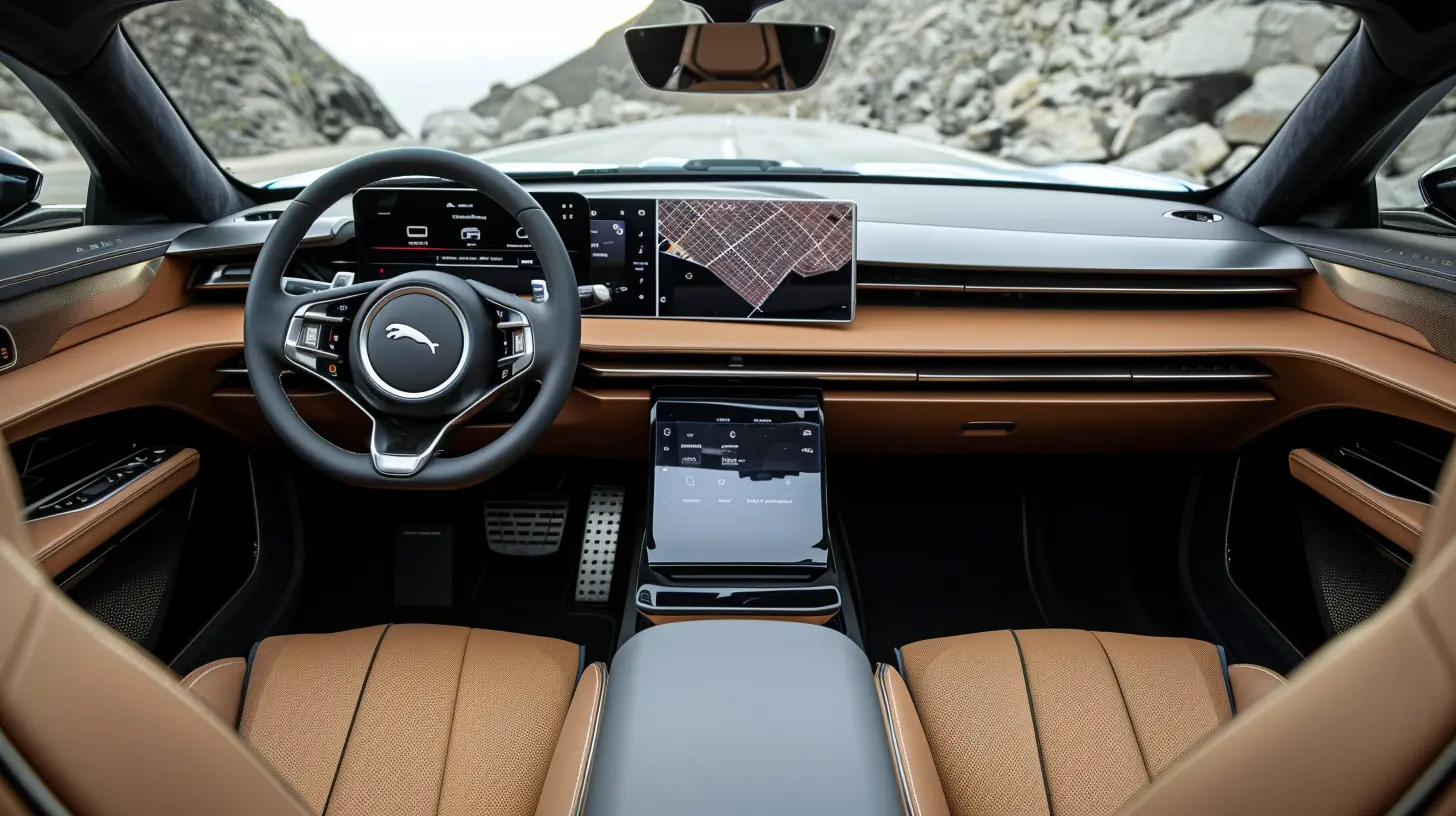
How Touchscreens Improve the Driving Experience
Car touchscreens aren’t just for playing music or adjusting the air conditioning. They’re becoming the command centers of modern vehicles, influencing everything from navigation to safety.1. Navigation & Infotainment
One of the biggest perks of touchscreens? Seamless navigation and entertainment options. High-resolution displays provide real-time maps, traffic updates, and turn-by-turn directions. Plus, built-in entertainment lets passengers stream their favorite music, podcasts, or even videos on the go.2. Vehicle Controls & Settings
Gone are the days of physical knobs for climate control. Touchscreens allow drivers to fine-tune car settings, from adjusting seat positions to setting drive modes. Some advanced systems even feature voice control, making adjustments hands-free.3. Improved Safety Features
Touchscreens aren’t just about convenience—they’re also improving safety. Larger and clearer displays mean less distraction for drivers. Features like 360-degree cameras, parking sensors, and heads-up displays are powered by touchscreen interfaces, giving drivers better situational awareness.4. Seamless Smartphone Integration
Most modern vehicles sync directly with smartphones through Apple CarPlay and Android Auto. This means drivers can send messages, make calls, and access apps without ever touching their phones. The result? A safer, more connected driving experience.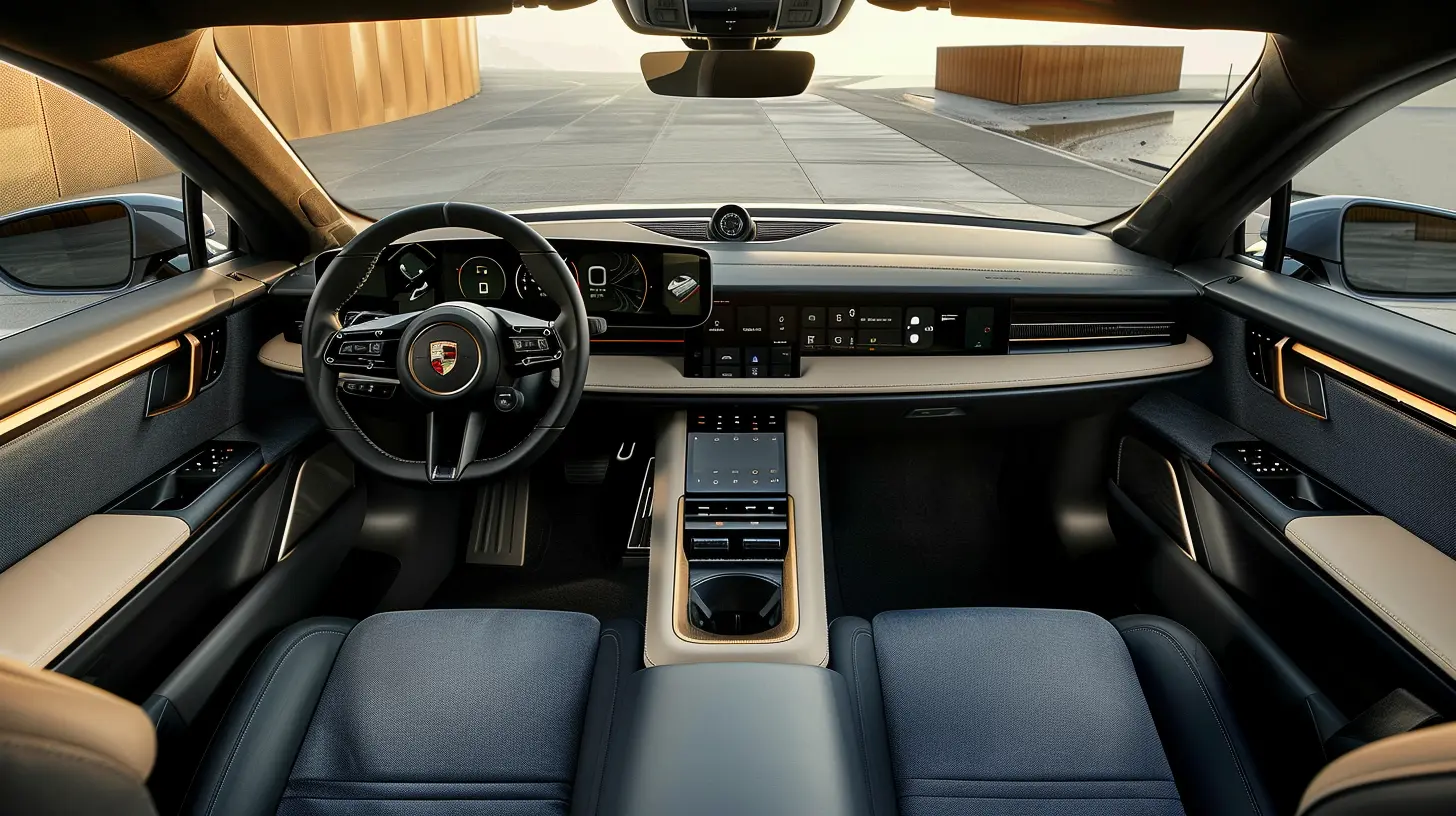
Challenges of Touchscreen Technology in Cars
While touchscreens bring a host of benefits, they also present a few challenges.1. Driver Distraction
One major concern is driver distraction. Unlike physical buttons, touchscreens require visual attention, which can take focus away from the road. Some manufacturers are addressing this by incorporating haptic feedback or voice commands.2. Glitches & Lag
Tech isn’t perfect, and neither are touchscreens. Some systems suffer from laggy responses, poor interface design, or even complete crashes. A frustrating user experience can diminish the benefits of this technology.3. Durability & Wear
Unlike traditional buttons, touchscreens can wear out over time due to constant tapping and swiping. Smudges, scratches, and display malfunctions are common concerns, prompting manufacturers to invest in more durable materials.4. Steep Learning Curve
Not all drivers love the transition to touchscreens. Older generations, in particular, might struggle with the shift from physical controls. Automakers must strike a balance between futuristic innovation and user-friendly design.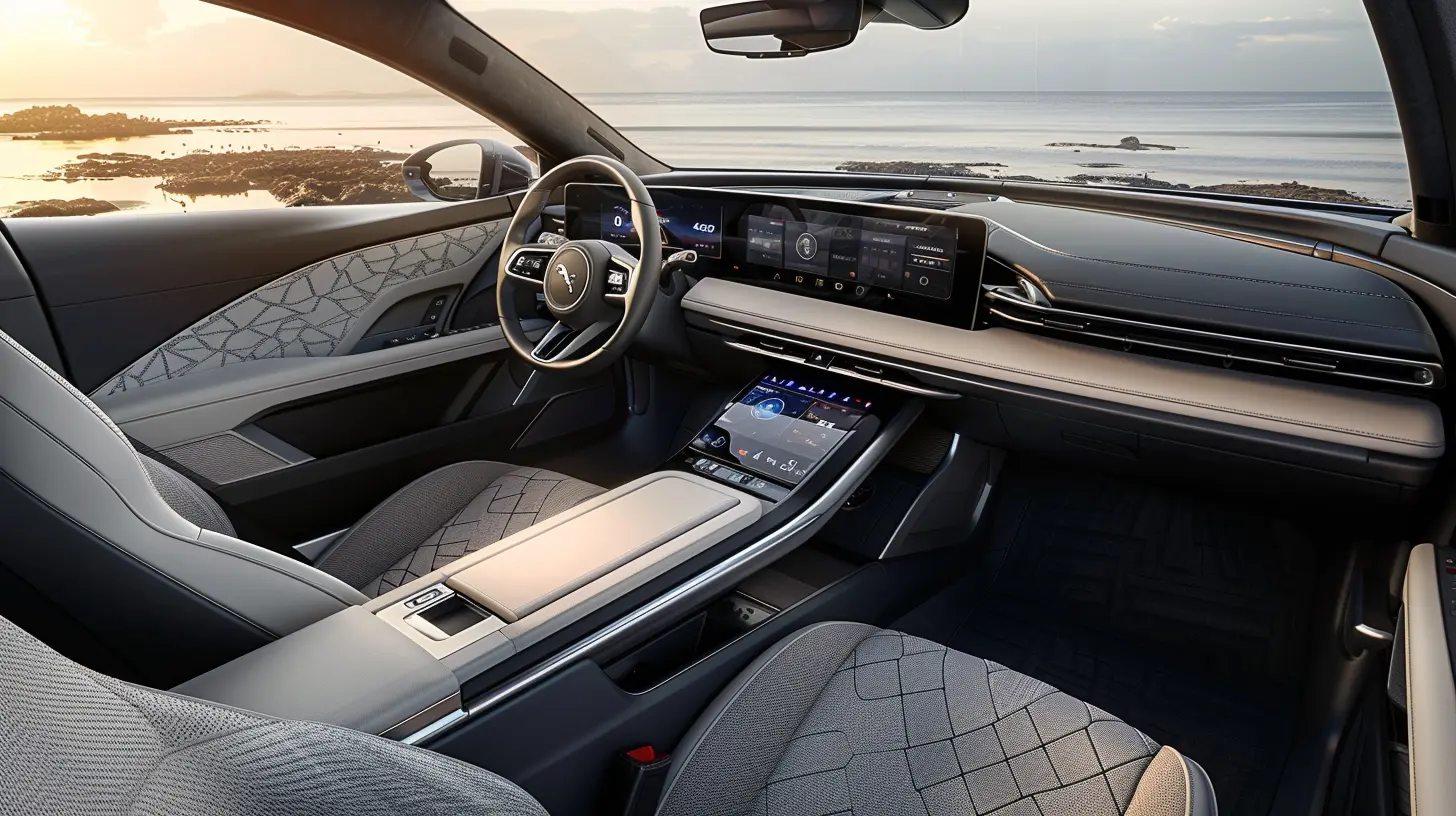
The Future of Touchscreens in Automobiles
Touchscreen technology in cars is only getting started. So, what’s next?1. Bigger & Better Displays
We’re already seeing automakers pushing boundaries with massive displays. Mercedes-Benz, for instance, introduced its Hyperscreen, a stunning 56-inch OLED panel that spans the entire dashboard. Expect more cars to follow suit with immersive, wraparound screens.2. Augmented Reality (AR) & Virtual Assistants
Future touchscreens won’t just display information—they’ll interact with the environment. Augmented reality features will project navigation directions onto the windshield, minimizing distractions. Virtual assistants powered by AI will seamlessly understand commands, making voice control more intuitive.3. Haptic Feedback & Gesture Controls
Some manufacturers are experimenting with haptic feedback, adding vibrations to mimic the feel of pressing an actual button. Gesture controls may also become commonplace, allowing drivers to interact with their screens using simple hand movements.4. More Personalization & AI Integration
Imagine stepping into your car, and it instantly adjusts the seat, climate, and dashboard layout based on your preferences. AI-powered touchscreens will learn driver habits, offering a more personalized experience over time.5. Improved Safety Measures
With concerns about distraction, manufacturers are finding smarter ways to integrate touchscreens without compromising safety. Future designs may feature eye-tracking technology, ensuring the screen dims or locks when a driver isn’t paying attention.Conclusion
Touchscreens are powering the next generation of cars, merging style, functionality, and innovation into a single interface. From enhancing navigation to integrating AI, these digital displays are changing the way we drive. While challenges remain, automakers are constantly refining touchscreen technology to make it safer, smarter, and more immersive.Will traditional buttons eventually disappear? Only time will tell. But one thing’s for sure—touchscreens are here to stay, and they’re steering us toward a high-tech future on the roads.
all images in this post were generated using AI tools
Category:
Touchscreen DevicesAuthor:

Kira Sanders
Discussion
rate this article
2 comments
Octavia Weber
This article compellingly outlines how touchscreens are revolutionizing automotive design and user experience. Their integration enhances vehicle control, connectivity, and safety, marking a significant shift in how drivers interact with technology. Great insights!
February 13, 2026 at 1:10 PM
Kira Sanders
Thank you for your feedback! I'm glad you found the insights on touchscreens and their impact on automotive design compelling.
Tiffany James
Who knew the road to the future would be paved with touchscreens? Imagine swiping left on traffic jams and tapping 'drive me' like ordering a pizza! Buckle up, folks; we’re zooming into a world where our cars are smarter than our smartphones!" 🚗✨
February 12, 2026 at 4:47 AM
Kira Sanders
Absolutely! Touchscreens are transforming the driving experience, making it smarter and more intuitive. Buckle up for a tech-driven ride ahead! 🚗✨