How Touchscreens Are Changing Transportation Tech
11 March 2026
Ever tapped your way through a subway kiosk, swiped through a rideshare app, or adjusted your car settings via a sleek dashboard screen? If you have, then you're already part of the revolution—one driven not by gears and gasoline, but by glass and gestures. Touchscreens are no longer just shiny rectangles on our phones. They're reshaping how we move, how we navigate, and frankly, how we interact with the world of transportation.
Let’s dive into how touchscreens are shaking up transportation tech—and why it’s just getting started.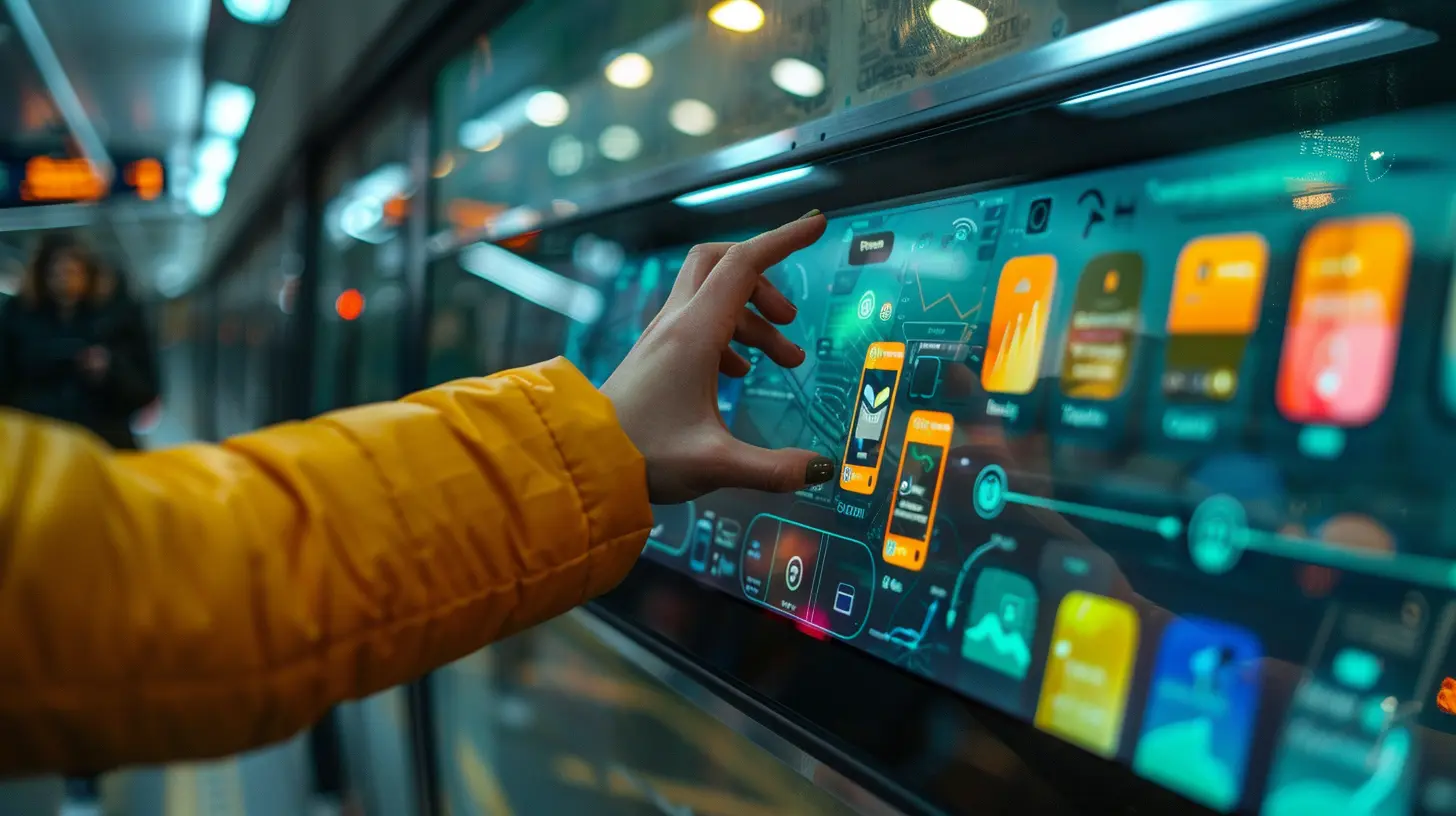
Touchscreens: The New Steering Wheel?
Okay, maybe not literally. But touchscreens are taking center stage in the driver's cockpit. Traditional knobs, dials, and buttons are slowly making way for smooth digital interfaces. And it’s not just for glam or show—it’s about function, flexibility, and futuristic design.Example: Tesla’s Minimalist Masterpiece
Ever sat inside a Tesla? The dashboard is basically one giant tablet. It controls everything—from air conditioning to navigation to autopilot settings. It’s like piloting a spaceship, minus the whole leaving-Earth part. The touchscreen eliminates clutter and creates a cleaner, more intuitive space.Why cram 100 buttons on the dash when one touchscreen can do it all?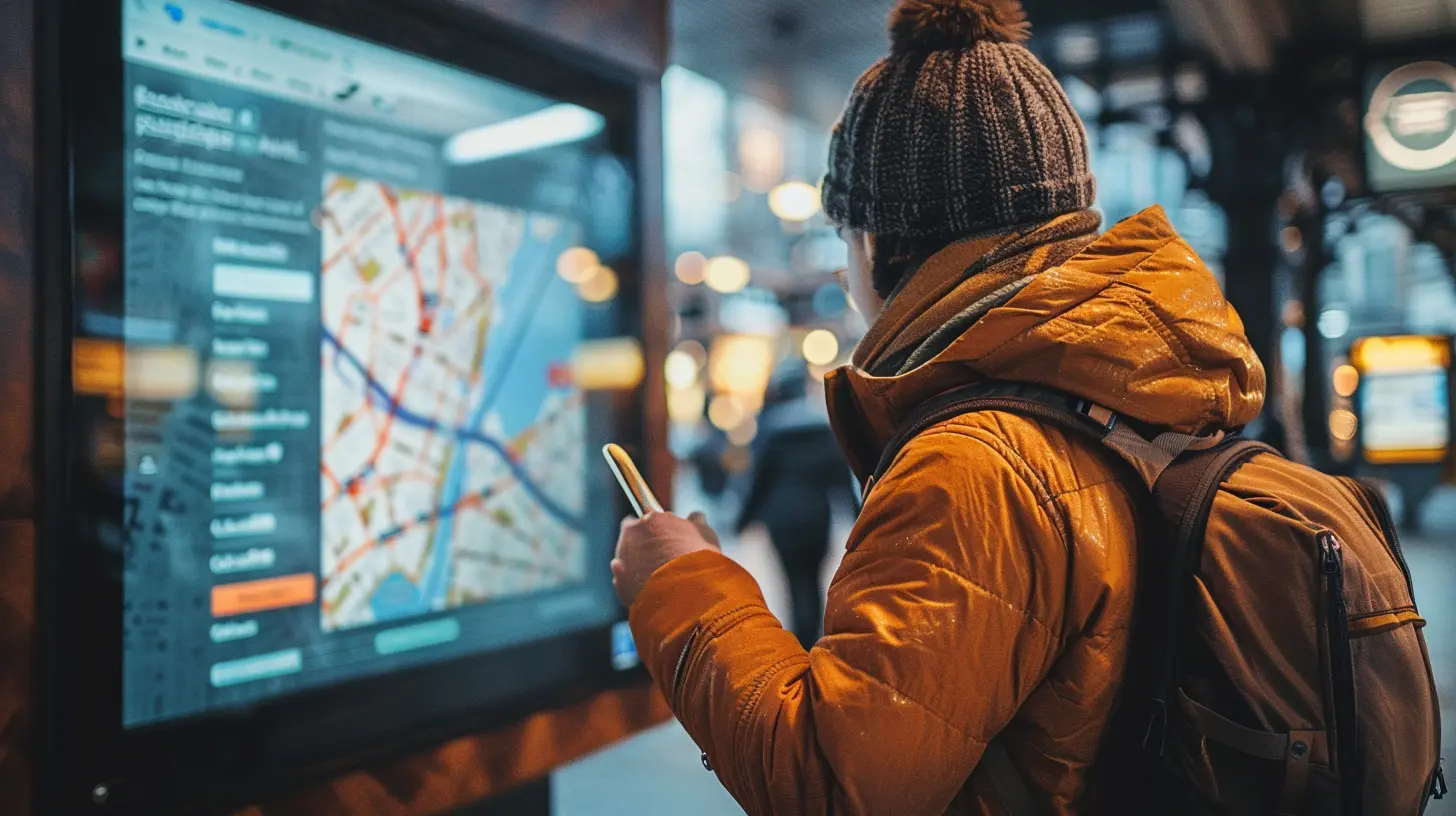
Public Transportation Gets a Digital Makeover
Touchscreens aren't just for fancy private cars. Public transportation systems across the globe are undergoing touchscreen transformations too. Think ticket kiosks, route planners, and even onboard entertainment.Smart Kiosks & Ticketing
Gone are the days of fumbling for change to buy a train ticket. Now, you just tap your destination on a kiosk screen, swipe your card or phone, and you’re good to go. It’s faster, more intuitive, and way less frustrating.Real-Time Info At Your Fingertips
On buses and subways, touchscreens offer real-time updates, route options, and even interactive maps. Lost in a new city? No problem. These smart screens act like local guides, without the awkward language barrier.
Ridesharing: Swipe, Tap, Go
Apps like Uber, Lyft, and Grab have turned our phones into mini-command centers for transportation. With a few taps, we summon a car, track its arrival, and pay—no cash, no stress, no waiting by the curb with a prayer. But behind the scenes? The touchscreen experience is what drives the whole process.In-Car Touchscreen Integration
Some premium rideshare vehicles have begun to integrate touchscreens in the back seat. Riders can control music, adjust climate settings, or rate the driver—all from a sleek touch interface. It’s a totally personalized ride, and it increases passenger satisfaction big time.
Aviation: From Cockpits to Cabins
Did you know touchscreens are now part of the cockpit in many modern airplanes? Pilots are using touch displays for navigation, weather details, and even aircraft diagnostics. It’s not just about looking cool (though it totally does); it's about quicker information access and improved accuracy.Passenger Experience Takes Off
But passengers are also reaping the benefits. Gone are the outdated, laggy seat-back screens. Airlines are upgrading to crisp, responsive touchscreens with streaming media, customizable interfaces, and even duty-free shopping. Not to mention: no more jamming that tiny remote until it squeaks.Touchscreens have turned flying into something closer to chilling with Netflix at 30,000 feet.
Touchscreens in Mass Transit: Smarter Cities Start Here
Most of us don’t think about infrastructure—that is, until we’re stuck waiting for a late bus or misreading a faded timetable. Smart transit stations, equipped with interactive touchscreens, are making cities more efficient and rider-friendly.Interactive Bus Stops and Smart Panels
Imagine a bus stop where you can check real-time arrivals, plan your route, or even report a problem to the city—all via touchscreen. These smart panels are already popping up in places like New York City, London, and Singapore.Accessibility Features
For visually or physically impaired passengers, touchscreens bring a world of accessibility—literally. Voice-activated screens and haptic feedback ensure that no one’s left behind in the transportation evolution.Touchscreen-Enabled Autonomous Vehicles
When we talk about the future of transportation tech, self-driving cars are often the headliners. But guess what helps run the show? Yup—touchscreens.Driving Without Driving
In fully autonomous vehicles, there's no need for a steering wheel or pedals. Instead, passengers interact through large touchscreens to set destinations, choose music, or even select driving styles (like choosing between a smooth ride or "sport mode").Mobility as a Service (MaaS)
These touch-enabled interfaces allow users to plan full journeys across different modes of transport—bikes, scooters, trains, and cars—all through one screen. It’s like having a travel agent in your pocket, who never sleeps or takes lunch breaks.The Challenges: Not All That Glitters Is Touch
Alright, let’s not paint the picture too perfect. Touchscreens, despite all their glory, come with their own baggage.Distracted Driving
One major concern with in-car touchscreens is distraction. While adjusting the AC via a touchscreen might look sleek, it forces drivers to take their eyes off the road longer than a physical knob would.Smudge Sadness
Fingerprints. Everywhere. The more you touch, the more you smear. And don’t even get us started on trying to use these things with gloves or when it’s raining.Tech Glitches
Touchscreens, like all tech, are prone to bugs and crashes. Imagine not being able to change a critical setting because the system froze. Frustrating, and sometimes even dangerous.So, while touchscreens enhance the user experience in countless ways, they’re not flaw-free. Design, usability, and backup systems matter more than ever.
What's Coming Next? The Future of Touch
We’ve only scratched the surface. Future touchscreens will likely be more than glass and pixels. Think:- Holographic Touchscreens: 3D interactions that don’t even need physical contact.
- Voice + Touch Hybrids: Systems that combine voice commands with tactile inputs.
- Adaptive UI: Interfaces that change based on who’s using them or what they’re doing.
Imagine a car screen that knows when you’re the driver and simplifies navigation—or when you’re the passenger and pops up Netflix and Spotify. That’s not science fiction. That’s next-gen touchscreen tech.
The Bigger Picture: More Than Just Convenience
Touchscreens in transportation aren’t just about looking futuristic. They represent a shift in how we connect with technology—and how technology connects us to the world around us.It’s about:
- Smarter cities
- Faster commutes
- Greener systems
- More accessible options
- And yes, cooler rides
They're intuitive, flexible, and constantly evolving—just like the transportation industry itself. So whether you’re hailing a ride, catching a flight, or cruising down the highway, chances are you’ll be interacting through a screen. And that screen? It's more than just a display—it’s the interface between today and tomorrow.
Final Thoughts
Touchscreens are no longer the future of transportation—they're very much the present. They’ve snuck into every corner of how we move, making our journeys smoother, smarter, and a heck of a lot more interactive. From public buses to private jets, from backseat riders to front-seat pilots, touchscreens are transforming the ride.So next time you tap a screen to get from point A to B, take a moment to appreciate the innovation literally at your fingertips. Because the real driver of tomorrow's transportation tech might not have wheels—it might just be glass.
all images in this post were generated using AI tools
Category:
Touchscreen DevicesAuthor:

Kira Sanders
Discussion
rate this article
2 comments
Quinn Willis
This article beautifully highlights the transformative impact of touchscreens in transportation. It's inspiring to see how technology enhances our daily journeys. Thank you for sharing!
March 18, 2026 at 1:16 PM
Kira Sanders
Thank you for your kind words! I’m glad you found the article inspiring and insightful.
Anna McKeehan
Great article! It's exciting to see how touchscreens are transforming transportation. They make interactions smoother and safer, enhancing the travel experience. Can't wait to see what’s next in this tech evolution!
March 13, 2026 at 12:01 PM
Kira Sanders
Thank you! I'm glad you enjoyed the article. Exciting advances are definitely on the horizon!