Fitness Trackers for Cyclists: Must-Have Features and Benefits
1 May 2026
So, you're a cyclist—or thinking of becoming one—and you're wondering if a fitness tracker is really worth it. Spoiler alert: it totally is. Whether you're cruising down the coast, grinding up a hill, or just pedaling around the block, having a fitness tracker strapped to your wrist (or handlebars) can seriously level up your cycling game.
But here's the kicker: not all fitness trackers are built the same. Some are glorified step counters, while others are like having a cycling coach, nutritionist, and personal trainer all in one. Let’s dive into what makes a fitness tracker essential for cyclists and the game-changing features that make the ride smoother, faster, and smarter.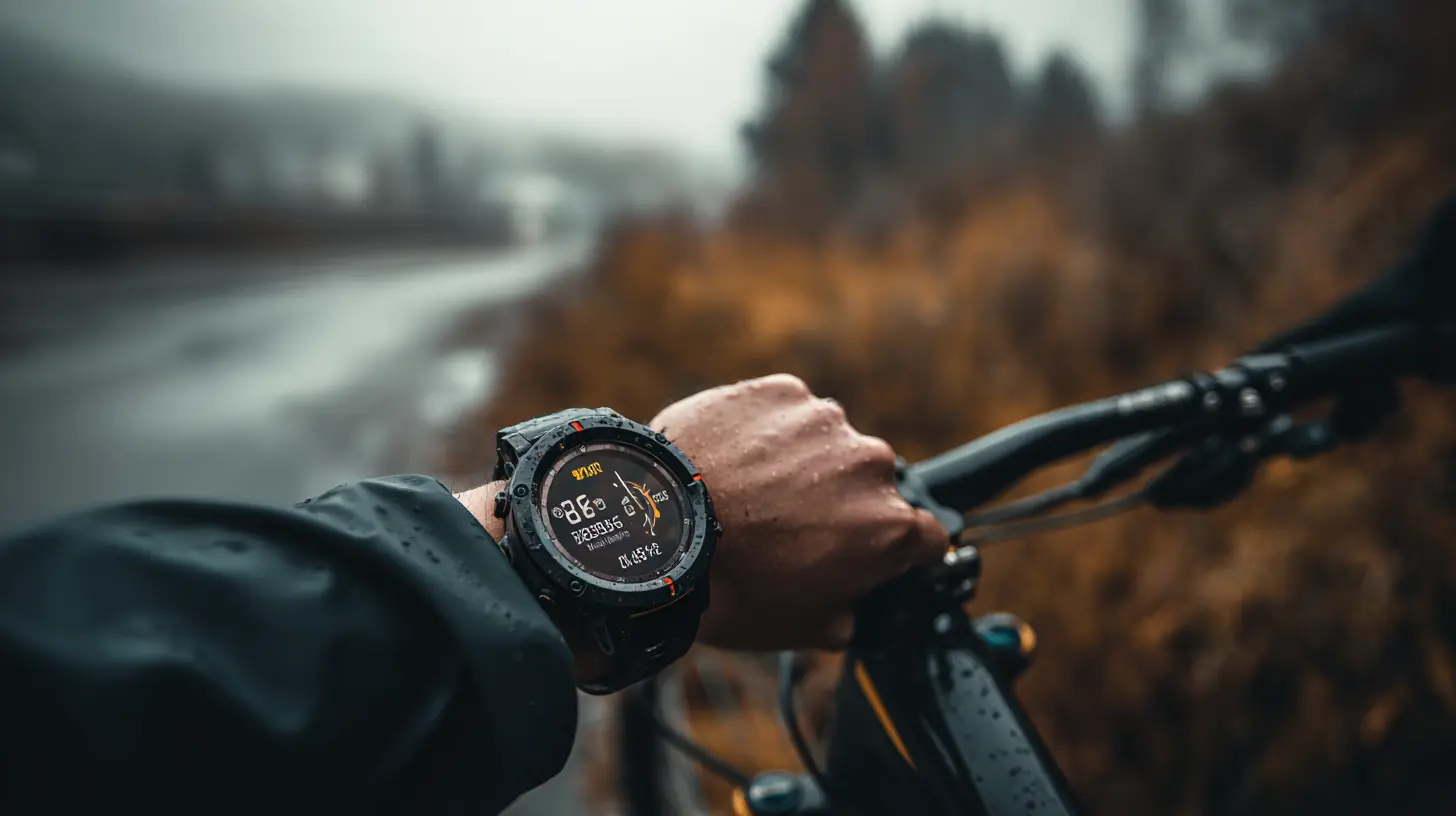
Why Cyclists Should Use Fitness Trackers
Let’s kick it off with the basics—why even bother with a fitness tracker?Think of it like this: you wouldn’t bake a cake without checking the temperature of your oven, right? Riding your bike without tracking your stats is kind of the same thing. You're flying blind.
A fitness tracker:
- Tells you how fast you’re going
- Tracks how far you’ve ridden
- Monitors your heart rate
- Notes how many calories you’ve burned
- Even tracks your recovery and sleep
In short, it turns guesswork into data. And data, my friend, is power.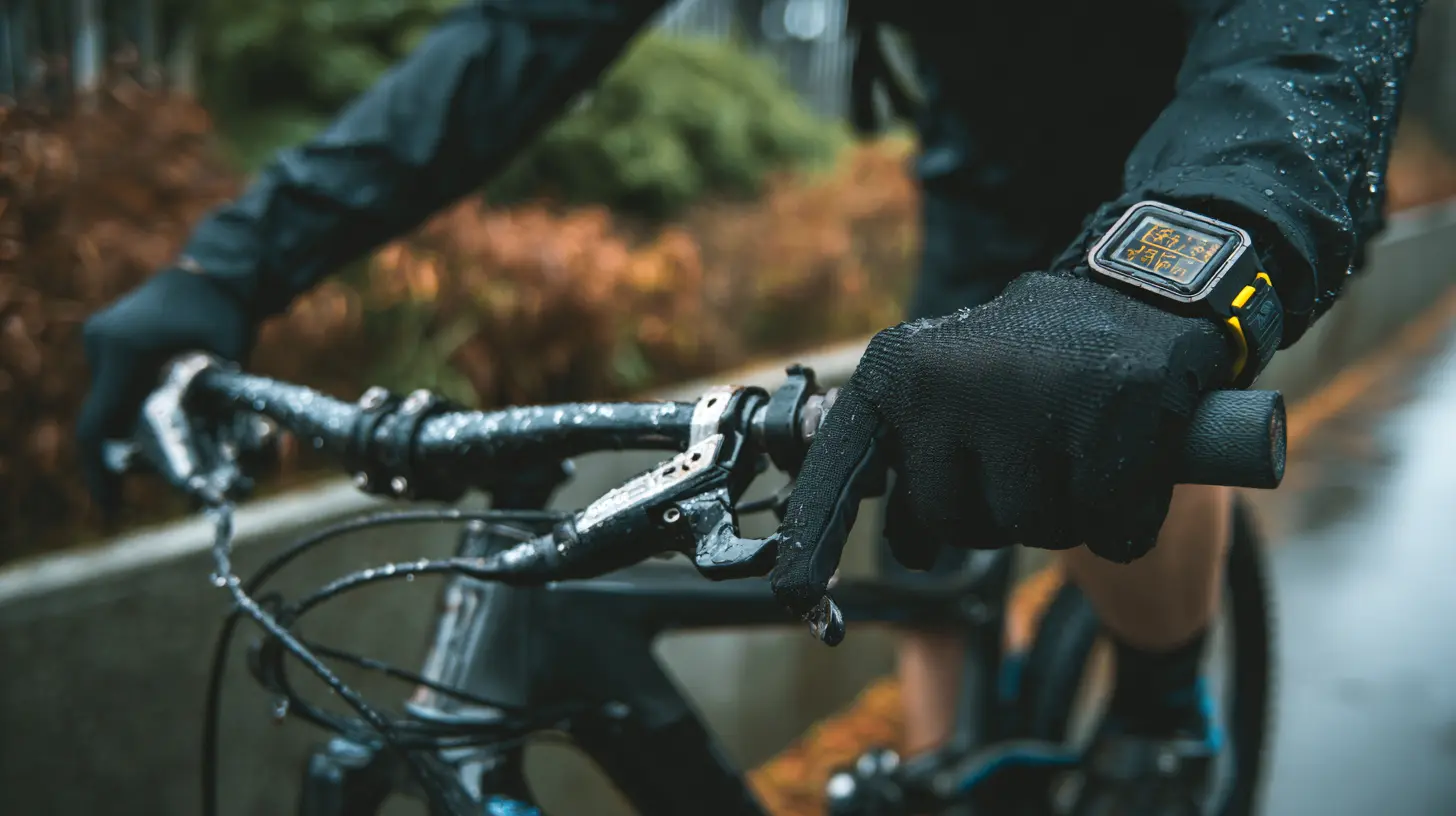
Must-Have Features in a Fitness Tracker for Cyclists
Now, this is where things get juicy. When you're picking out a fitness tracker for cycling, you're not just looking for something to count your steps. You're looking for a piece of tech that understands your two-wheeled obsession.1. Accurate GPS Tracking
Let’s be honest, if your tracker can’t follow your route with pinpoint accuracy, what’s the point?A good GPS feature:
- Tracks your route in real-time
- Measures distance precisely
- Logs elevation gain and descent
- Helps you map new rides or revisit favorite trails
Look for multisatellite support (GPS, GLONASS, Galileo). The more satellite networks it connects to, the better the tracking accuracy—especially in tricky terrain like dense forests or urban jungles.
2. Heart Rate Monitoring (Optical or Chest Strap Compatible)
Heart rate data is the secret sauce of serious training. It tells you when to push harder—or when to back off.Some trackers offer wrist-based monitoring (convenient but sometimes spotty), while others sync with chest straps for super-accurate data. Bonus points if the tracker supports heart rate zones so you can tailor your rides for fat burn, endurance, or speed.
3. Cycling-Specific Metrics
Not all fitness trackers speak “bike.”Look for one that gives you:
- Cadence (how fast you’re pedaling)
- Power output (Watts) if you’re pairing with a power meter
- Speed zones
- VO2 max
- Training Load and Recovery Time
These metrics give you a deeper understanding of how your body performs, especially if you’re getting serious about training.
4. Strava Integration
If it's not on Strava, did it even happen?Most serious cyclists sync their rides to Strava. It’s the social media of cycling. Seeing improvements over time, sharing routes, or even joining virtual cycling clubs adds a whole new layer of motivation.
Pick a tracker that syncs seamlessly with the app—bonus if it uploads automatically after every ride.
5. Battery Life That Goes the Distance
Long-distance cyclists, take note. You don’t want your tracker dying 20 miles into your 100-mile ride.Look for devices with:
- At least 10–15 hours of GPS battery life
- Quick-charge features
- Power-saving modes
Talk about endurance, right?
6. Water and Weather Resistance
Cycling isn’t always sunshine and rainbows. You’ll face rain, sweat, and maybe even the occasional accidental dip (hey, it happens).A good fitness tracker should be:
- Water-resistant (IPX7 or higher)
- Able to withstand different temperatures and conditions
You want tech that’s as tough as your resolve on that last brutal climb.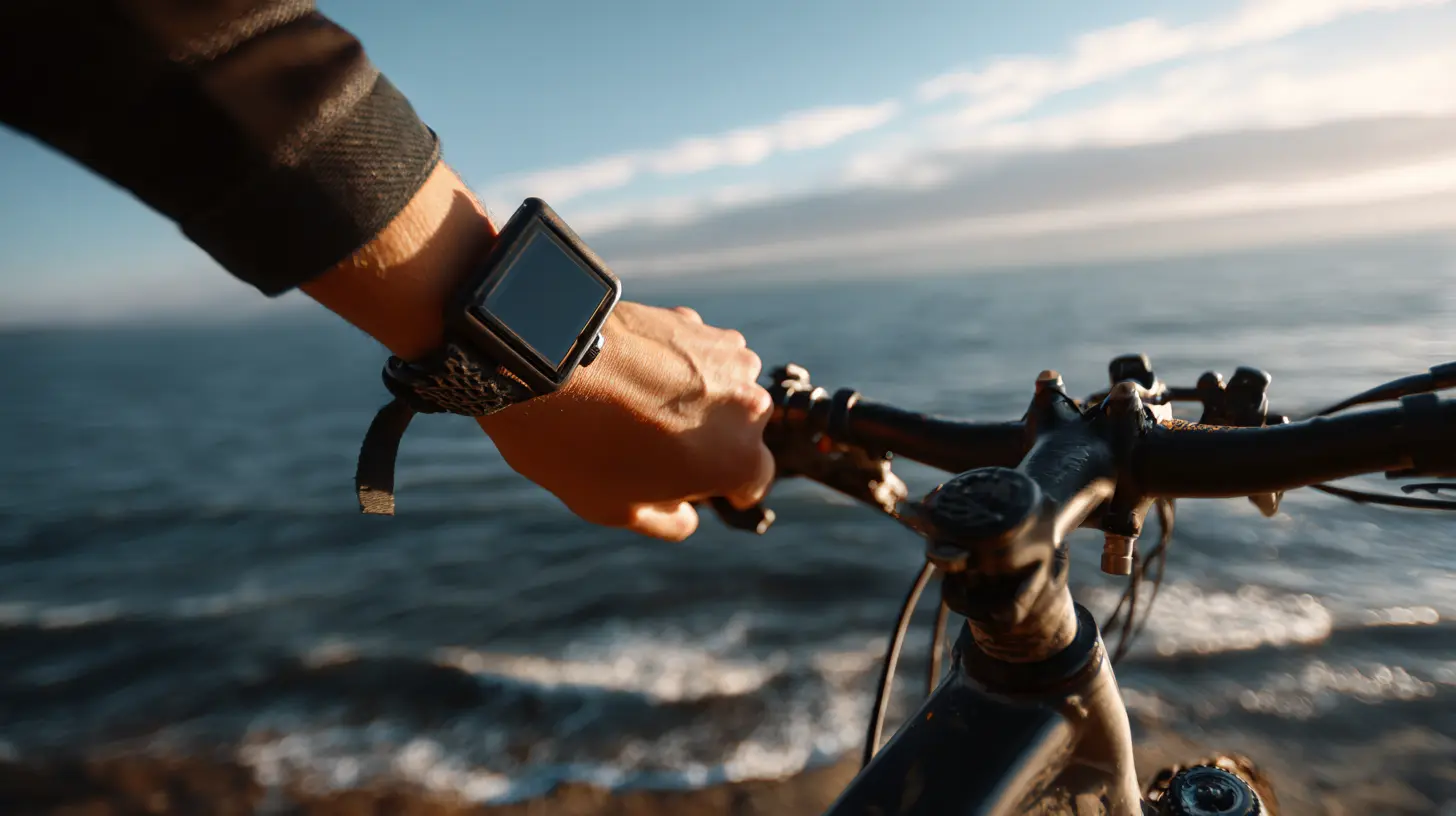
Bonus Features That Go the Extra Mile
Alright, now let’s talk about the cool stuff—the extras that aren’t must-haves but definitely nice-to-haves.- Turn-by-Turn Navigation
Forget getting lost. Some high-end fitness trackers offer built-in maps and navigation to guide you through new routes.- Crash Detection and Emergency Alerts
Some devices can detect if you’ve taken a tumble and automatically notify your emergency contacts with your GPS location. A real lifesaver—literally.- Sleep and Recovery Tracking
Did you sleep well last night? Is your body rested enough for another ride today?Modern fitness trackers dish out recovery scores and sleep insights so you know when to go hard and when to rest.
- Smartphone Notifications
Get call, text, and app alerts right on your wrist. Ideal for when your phone’s buried in your jersey pocket or saddlebag.
Benefits of Using Fitness Trackers for Cycling
Let’s shift gears and talk perks. Beyond the features, what are the real benefits of using a fitness tracker as a cyclist?1. Smarter Training
Once you’ve got accurate data on heart rate, cadence, and distance, you can ditch the “wingin’ it” mentality. Instead, you’ll train with purpose.Try workouts like:
- Zone 2 rides for endurance
- Interval sprints for speed
- Heart-rate-based recovery rides
Your tracker helps guide your workouts to hit the sweet spot every time.
2. Motivation and Accountability
There’s nothing like seeing your progress over time—watching your average speed climb or your resting heart rate drop.Plus, most trackers offer:
- Daily streaks
- Achievement badges
- Social sharing with cycling buddies
All of which keep you showing up and pushing forward.
3. Recovery Management
Not feeling 100%? A quality fitness tracker will tell you to chill if your body’s not ready.Overtraining leads to burnout and injuries. Proper recovery = better performance. Trust the tech.
4. Race and Event Prep
If you’re training for a sportive, gran fondo, or full-blown race, a tracker becomes your coach. It helps you periodize your training, taper properly, and peak when it matters.5. Health Tracking Beyond the Bike
Cycling is great, but a fitness tracker follows you off the bike too. Daily step count, sleep, hydration reminders, stress tracking—it’s a well-rounded tool for total wellness.Popular Fitness Trackers for Cyclists
Okay, we’re not naming names for endorsement’s sake, but here are crowd favorites in the cycling world:- Garmin Edge series – Cycling-specific computers with top-notch GPS and metrics.
- Wahoo Elemnt series – Known for simplicity, accurate data, and great app sync.
- Apple Watch (with cycling modes) – Super smart with versatile health tracking.
- Garmin Forerunner & Fenix – Multi-sport champions, ideal for cyclists who run or swim too.
- Polar Vantage & Grit series – Great for heart rate accuracy and recovery tracking.
Whatever you choose, make sure it matches your ride style, budget, and goals.
How to Choose the Right Fitness Tracker for Cycling
Still unsure how to pick? Ask yourself:- Do I ride for fun, fitness, or competition?
- Do I want deep analytics or just the basics?
- Am I mostly road, gravel, or trail?
- Do I care about smartwatch features?
- What’s my budget?
It’s like choosing a bike—you’ve got fancy carbon frames and beat-up cruisers. Pick what fits your lifestyle.
Final Thoughts
Cycling is more than just pedaling—it’s progress, passion, and personal records. A good fitness tracker doesn’t just tell you how fast or far you went. It uncovers patterns, spots improvements, and helps you ride smarter, stronger, and safer.So if you’re strapping on your helmet but leaving your data behind? You’re missing half the ride.
Gear up. Track it. Crush it.
all images in this post were generated using AI tools
Category:
Fitness TrackersAuthor:

Kira Sanders
Discussion
rate this article
2 comments
Cassidy Morrow
Invest in a fitness tracker that elevates your cycling experience. The right features can transform your rides into personal victories.
May 17, 2026 at 10:31 AM
Kira Sanders
Absolutely! A good fitness tracker can enhance your cycling by providing valuable insights and motivating you to push your limits. It's all about finding the right features that match your goals.
Zinn Valentine
Great insights on fitness trackers for cyclists! It's so encouraging to see technology supporting our health and passion for cycling.
May 1, 2026 at 11:17 AM