How Touchscreen Devices Are Evolving Mobile Gaming
30 June 2026
Mobile gaming has come a long way from the pixelated days of Snake on old Nokia devices. Today, touchscreen technology has revolutionized the way we interact with games, offering immersive experiences that were once only possible on high-end consoles or PCs.
So, how exactly have touchscreen devices changed the landscape of mobile gaming? Let’s dive into how this technology is shaping the future of gaming and why it matters to gamers worldwide.
The Rise of Touchscreen Gaming
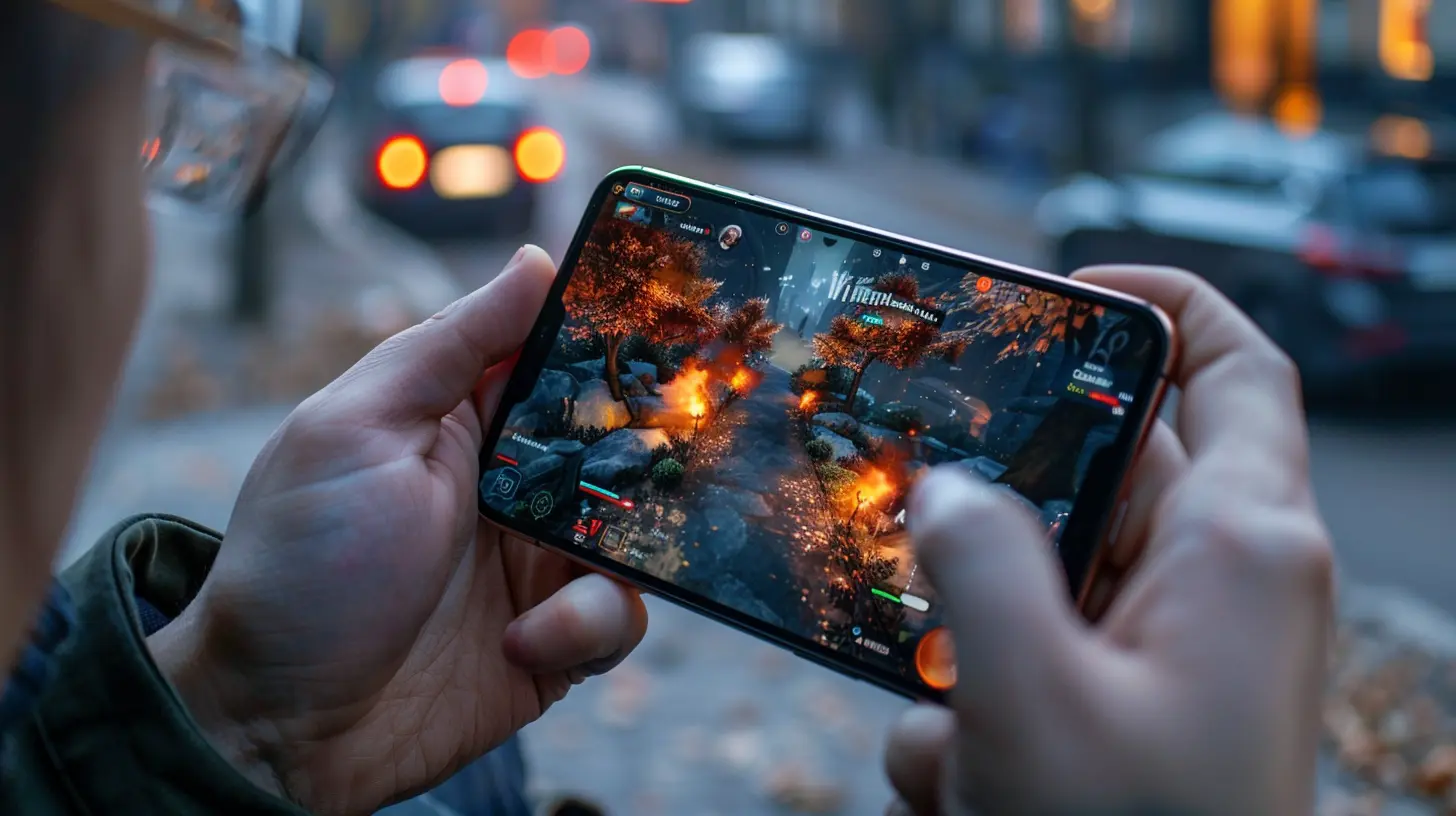
Not too long ago, mobile games relied heavily on physical keypads or basic directional pads. While they worked at the time, they couldn't deliver the smooth and interactive experience gamers crave today. Enter touchscreen devices—suddenly, gaming became more fluid, intuitive, and engaging.The introduction of capacitive touchscreens (which respond to the electrical charge in your fingers) eliminated the need for physical buttons, giving developers more creative freedom to design games that feel natural. Now, swiping, tapping, and pinching are second nature, making games more accessible to everyone, from casual players to hardcore gamers.
How Touchscreens Have Transformed Mobile Gaming
1. More Intuitive Controls
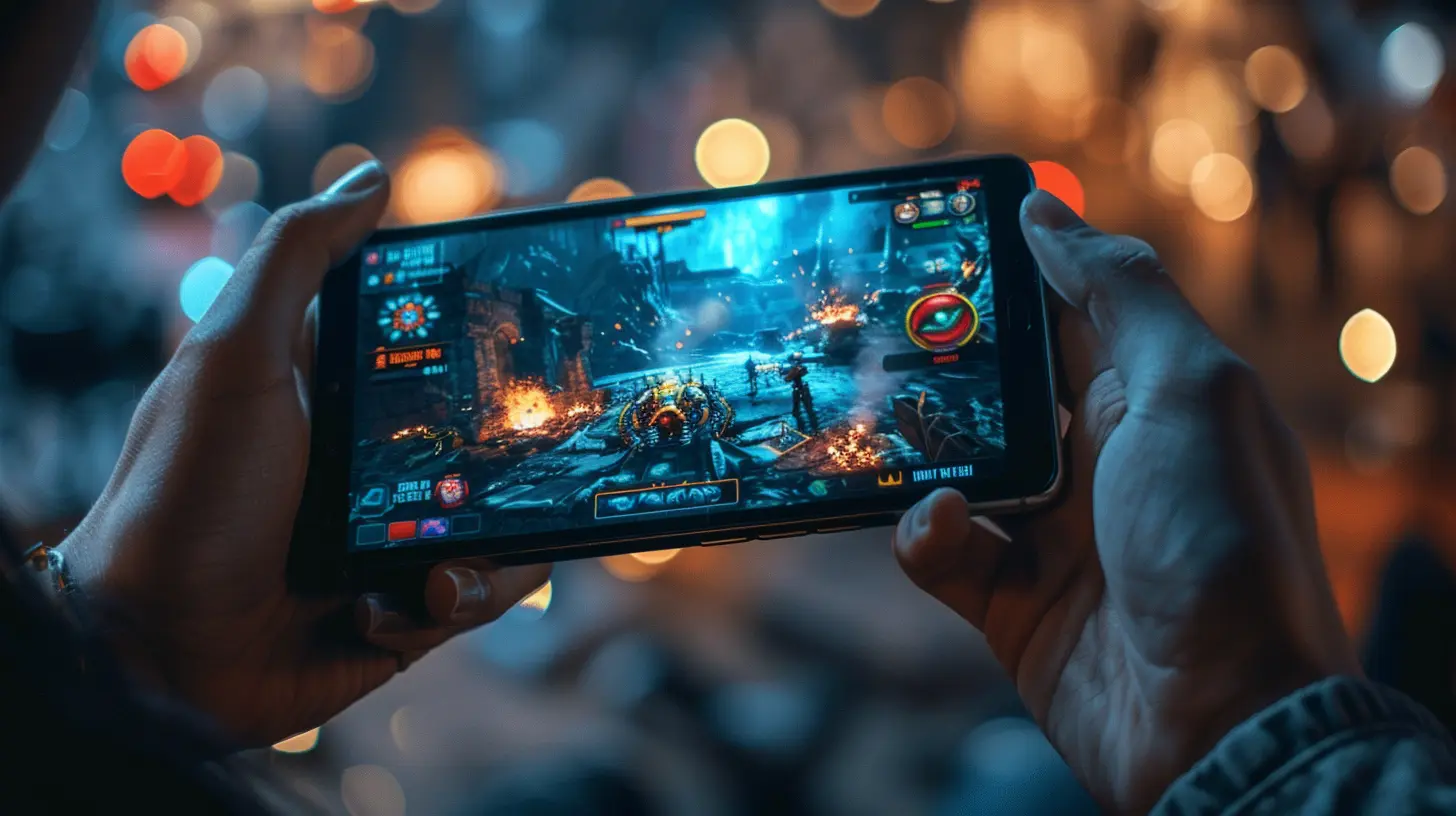
One of the most significant impacts of touchscreen technology is how it has simplified game controls. Instead of fumbling with tiny buttons, players can now control characters and interact with objects using simple gestures.Games like PUBG Mobile and Call of Duty: Mobile have fine-tuned touchscreen controls to the point where players can aim, shoot, and maneuver with precision. Auto-aim features, customizable HUDs, and multi-touch gestures help make up for the lack of physical buttons.
2. Immersive Gameplay with Haptic Feedback
Touchscreens alone wouldn’t be enough to replace physical buttons—this is where haptic feedback (vibrations and tactile responses) comes in. Haptic technology makes taps and swipes feel more interactive by replicating real-world sensations.For example, when you shoot a gun in a mobile FPS game, your phone might vibrate slightly to create a more immersive experience. Racing games, on the other hand, use subtle vibrations to simulate the feeling of road bumps or crashes.
3. Dynamic On-Screen Controls & Customization
Gamers love customization. Touchscreens give developers the flexibility to design adaptive controls that adjust based on the game’s mechanics. Many modern games let players reposition buttons, resize control layouts, or even use gyroscopic sensors for added precision.Ever tried playing a shooter game with aim assist, a customizable joystick, and a gyroscope? It changes everything. Touchscreen gaming is no longer just about pressing buttons—it's about creating a personalized gaming experience.
4. Rise of Augmented Reality (AR) and Interactive Games
Touchscreen gaming has also given rise to Augmented Reality (AR) games like Pokémon GO and Harry Potter: Wizards Unite. These games seamlessly blend virtual elements with real-world surroundings, making players physically move around to play.Imagine catching a Pokémon in your backyard or solving a puzzle by physically walking around a landmark. That level of interactivity wouldn’t be possible without touchscreen devices.
5. Cloud Gaming & Cross-Platform Play
Thanks to touchscreen advancements, cloud gaming services like Xbox Cloud Gaming, Google Stadia, and GeForce Now are making it possible to play console-level games on a smartphone.With responsive touch controls, cross-platform play is becoming seamless. You can start a game on your PC or console and continue playing it on your phone without missing a beat. This is a game-changer (literally) for hardcore gamers who want portability without sacrificing performance.
The Challenges of Touchscreen Gaming
Despite all the advancements, touchscreen gaming still faces a few hurdles.1. Lack of Physical Tactility
One of the biggest drawbacks of touchscreen controls is the lack of physical feedback. Unlike game controllers with buttons and joysticks, touchscreen controls can sometimes feel unresponsive or imprecise, especially for fast-paced games.This is why many competitive gamers still prefer external controllers or touchscreen-compatible gaming accessories like Razer Kishi or Backbone One to bridge the gap.
2. Screen Size Limitations
Let’s face it—while smartphones have gotten bigger over the years, they still can’t match the screen real estate of monitors or TVs. Playing on a smaller screen can sometimes feel claustrophobic, especially for strategy games or first-person shooters that require a wider field of view.3. Battery Drain Issues
Playing graphically demanding games on a touchscreen device often leads to rapid battery depletion. Unlike gaming consoles, smartphones must balance battery life with performance, making power efficiency a key challenge.Devices with better cooling systems and larger batteries (like gaming smartphones) are trying to address this, but it remains a concern for long gaming sessions.
The Future of Touchscreen Gaming
As touchscreen technology continues to evolve, so will mobile gaming. Some exciting advancements on the horizon include:1. Foldable Screens & Larger Displays
Foldable phones like the Samsung Galaxy Z Fold offer bigger and more immersive screens without sacrificing portability. This means more space for virtual controls and a better visual experience without needing a physical controller.2. Improved Haptic & Pressure Sensitivity
Future touchscreens might differentiate between soft and hard presses, allowing for more nuanced control mechanics. Imagine stepping on a gas pedal in a racing game and adjusting your speed based on how firmly you press the screen—that’s the kind of realism we might see soon.3. AI-Enhanced Touch Response
AI-driven enhancements could reduce input lag and make touch controls feel as fast and responsive as traditional controllers. This would be particularly beneficial for fast-paced competitive games that require split-second reactions.4. Integration with AR & VR
With advancements in Augmented Reality (AR) and Virtual Reality (VR), touchscreen gaming could become even more interactive. Who knows? We might soon be navigating virtual worlds using only hand gestures on a holographic touchscreen interface!Conclusion
Touchscreen devices have completely transformed mobile gaming, making it more accessible, immersive, and interactive. From intuitive controls to AR integration, the future of gaming is getting more exciting with each technological leap.Sure, there are still challenges like battery life and lack of tactile feedback, but innovations in foldable screens, AI-driven touch response, and gaming accessories are rapidly closing the gap between mobile and console gaming.
As touchscreen technology continues improving, one thing is certain—mobile gaming isn’t just evolving, it's redefining how we experience games on the go. So, are you ready to embrace the future of gaming right at your fingertips?
all images in this post were generated using AI tools
Category:
Touchscreen DevicesAuthor:

Kira Sanders
Discussion
rate this article
2 comments
Zeke Alvarez
This article highlights an exciting phase in mobile gaming. As touchscreen technology advances, it opens up new possibilities for immersive experiences. The integration of innovative features will undoubtedly enhance gameplay and user engagement, making mobile gaming more dynamic than ever. Great insights!
August 25, 2026 at 3:28 AM
Kira Sanders
Thanks for your thoughts! I'm glad you found the insights on touchscreen technology and its impact on mobile gaming exciting. It's an evolving space with so much potential.
Craig Garcia
Touchscreen advancements are transforming mobile gaming into an immersive experience.
July 3, 2026 at 3:29 AM
Kira Sanders
Absolutely, touchscreen technology is enhancing interactivity and engagement, making mobile gaming more immersive and enjoyable than ever.