How 3D Printing Is Revolutionizing Eco-Friendly Manufacturing
25 March 2026
3D printing has come a long way since its inception, and it's not just about quirky figurines or prototyping anymore. In recent years, this innovative technology has made waves in a variety of industries, but there's one area where it's showing particularly exciting promise: eco-friendly manufacturing. Yes, you heard that right! 3D printing is not only changing the way we produce goods, but it's also helping us do it in a greener, more sustainable way.
But how exactly is 3D printing revolutionizing eco-friendly manufacturing? Let’s dive in and explore how this incredible technology is turning the manufacturing world on its head – for the better.
What is 3D Printing? A Quick Refresher
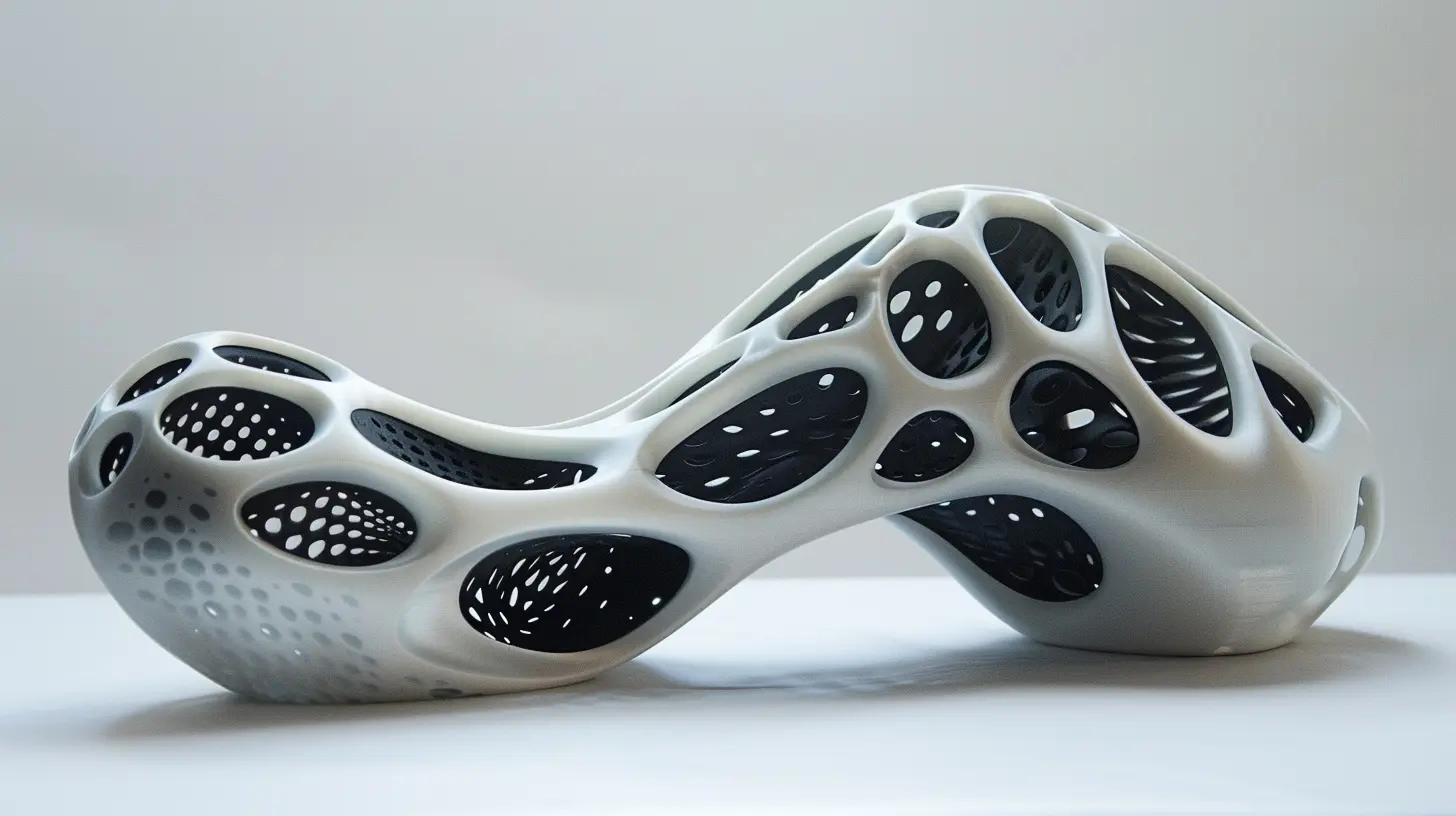
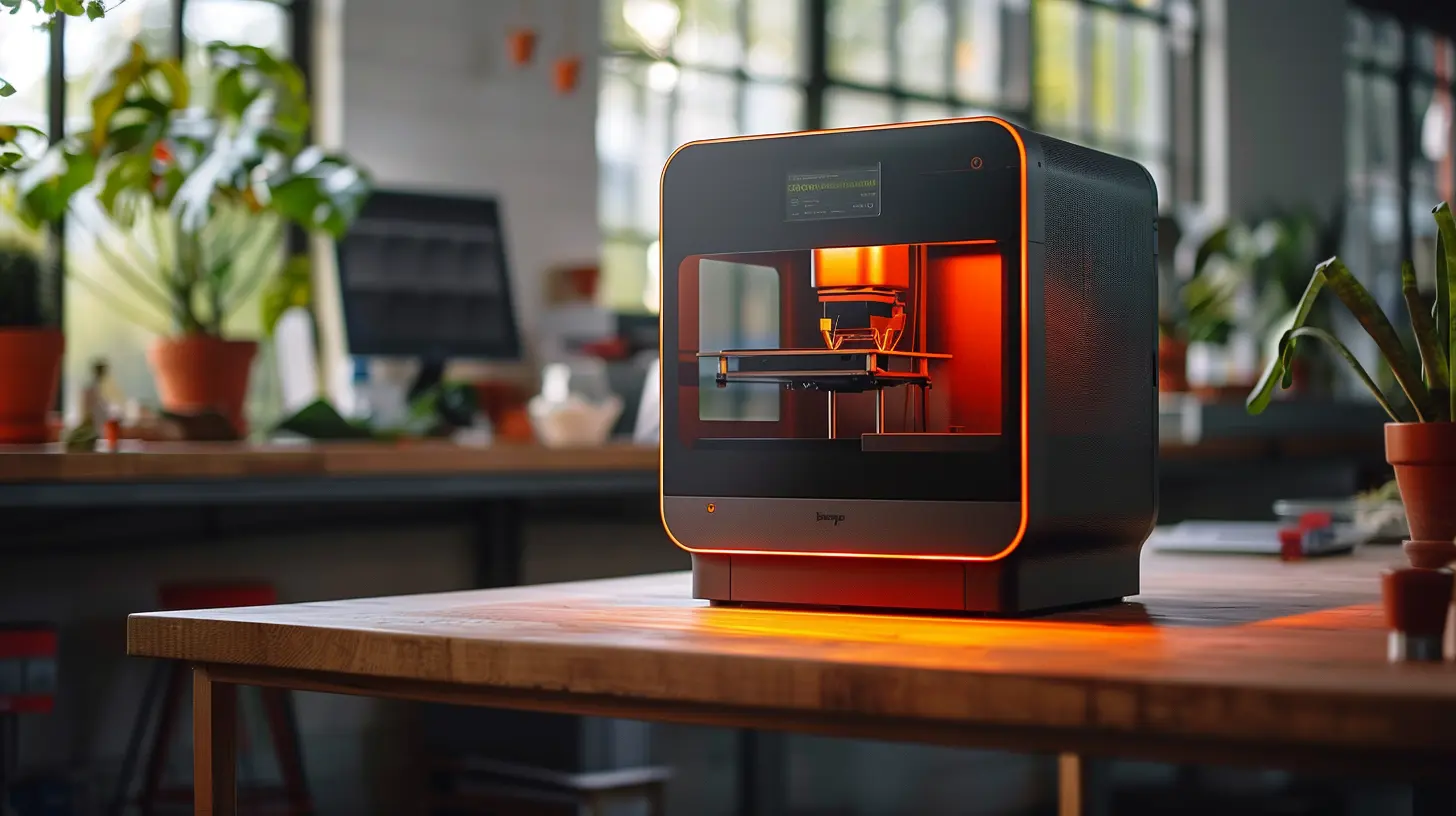
Before we get into the juicy details of how 3D printing is shaking things up in the green manufacturing space, let’s make sure we’re all on the same page about what 3D printing actually is.In a nutshell, 3D printing (or additive manufacturing, as it’s sometimes called) is the process of creating a three-dimensional object by building it layer by layer. Think of it like a regular printer, but instead of ink and paper, you're using materials like plastic, metal, or even biodegradable substances. And instead of printing a 2D image, you’re creating a tangible object.
The beauty of 3D printing is that it allows for incredible precision and customization, and it does so with minimal waste. This is a far cry from traditional manufacturing methods, which often involve cutting away material (subtractive manufacturing) and can lead to significant waste.
Now that we’ve got that covered, let’s delve into how this tech is greening up the manufacturing space.
Efficiency in Material Use: Eliminating Waste
One of the biggest environmental benefits of 3D printing is its ability to significantly reduce waste. In traditional manufacturing, you often start with a block of material (whether it’s metal, plastic, or wood) and carve away until you’re left with the desired shape. The problem? All those shavings and scraps usually end up in the landfill.3D printing flips this process on its head by adding material layer by layer, meaning you only use what you need. This is especially important when working with expensive or rare materials, but it also has a huge impact when it comes to sustainability. Less waste means less strain on our planet’s resources.
Imagine baking a cake: instead of cutting away excess frosting and throwing it in the trash, 3D printing lets you apply just enough to cover the cake perfectly – no leftovers to toss away.
Key Takeaway:
3D printing minimizes waste by using only the material needed, making it far more efficient than traditional manufacturing methods.
Localized and On-Demand Production: Reducing Carbon Footprint
One aspect of traditional manufacturing that often flies under the radar is the environmental toll of shipping and transportation. Factories are often located far away from where the products are actually used, meaning goods need to be transported across states, countries, or even continents. This can result in a massive carbon footprint, especially when you factor in fuel consumption and packaging waste.3D printing, on the other hand, enables localized production. With a 3D printer, you can essentially set up a mini-factory anywhere – no need for a massive warehouse or production facility halfway around the world. This opens up the possibility for more local, on-demand manufacturing, cutting down on transportation costs and emissions.
Need a new part for your car in a small town? Instead of waiting days for it to be shipped from a distant factory, a local shop could print the part right there. This not only speeds things up but also slashes the environmental impact.
Key Takeaway:
Localized, on-demand 3D printing reduces the need for long-distance transportation, significantly cutting down on the carbon emissions associated with shipping.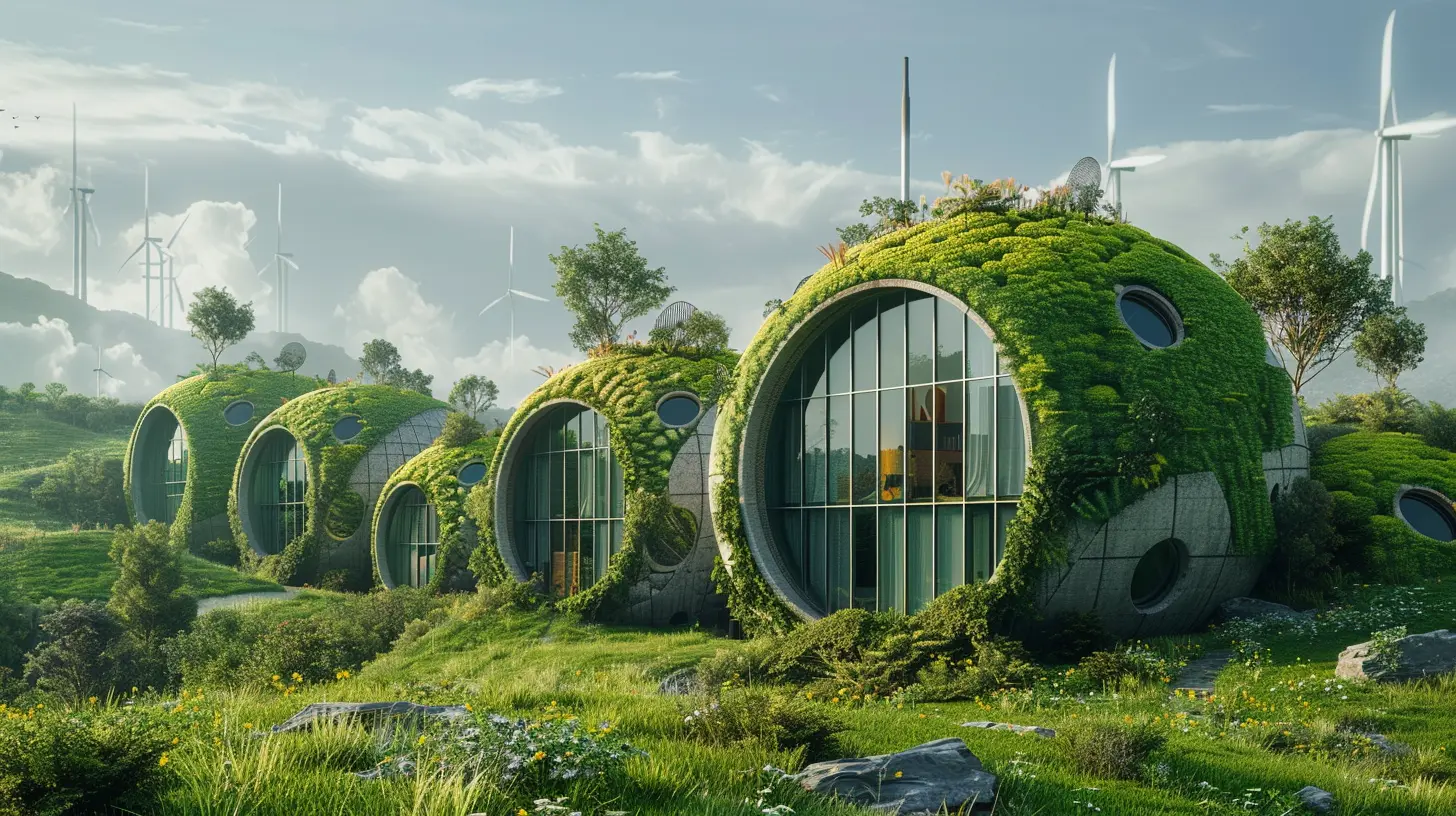
Using Recycled and Biodegradable Materials: A Green Innovation
Another way that 3D printing is revolutionizing eco-friendly manufacturing is through its use of sustainable materials. Traditional manufacturing often relies on non-renewable resources like petroleum-based plastics or metals that require a lot of energy to mine and refine.But with 3D printing, there’s been a growing trend towards using recycled materials or biodegradable alternatives. Some companies are even experimenting with innovative materials like recycled plastic bottles, plant-based plastics, and even algae!
For instance, a company might take discarded plastic waste from oceans or landfills, recycle it, and turn it into filaments for 3D printers. These filaments can then be used to create new products, effectively turning trash into treasure.
And it’s not just about recycling – some 3D-printed objects are being made with biodegradable materials that break down naturally over time, reducing the long-term impact on the environment.
Key Takeaway:
3D printing can utilize recycled and biodegradable materials, reducing reliance on non-renewable resources and helping combat pollution.Energy Efficiency: A Less Power-Hungry Process
When you think of large-scale manufacturing, you probably picture huge factories with machines running 24/7, burning through electricity like there’s no tomorrow. Traditional manufacturing processes, especially those involving heavy machinery, can be incredibly energy-intensive. This not only racks up hefty energy bills but also contributes to greenhouse gas emissions.In contrast, 3D printing is often much more energy-efficient. For one, the machines themselves generally require less power to operate compared to heavy industrial equipment. Additionally, because 3D printing is an additive process, it often involves fewer steps and shorter production times, which further reduces energy consumption.
Of course, not all 3D printers are created equal, and some still require a fair amount of energy – but on the whole, 3D printing often proves to be a greener option than traditional manufacturing methods.
Key Takeaway:
3D printing can be more energy-efficient than traditional manufacturing, reducing both energy consumption and greenhouse gas emissions.
Customization and Longevity: Extending Product Life Cycles
One of the most exciting aspects of 3D printing is its ability to create highly customized, one-of-a-kind products. This might seem like a small thing, but it has huge implications for sustainability. Why? Because customization can extend the life of products and reduce the need for mass production.Let’s say your washing machine breaks down, but it’s an older model, and the part you need is no longer being manufactured. Instead of junking the whole machine and buying a new one, a 3D printer could create the specific part you need. This ability to repair and upgrade existing products rather than replacing them entirely can significantly reduce waste.
Moreover, because 3D printing allows for on-demand production, there’s no need to create thousands of units of a product that may never be sold. Manufacturers can produce only what’s needed, when it’s needed, reducing the risk of overproduction and the associated waste.
Key Takeaway:
3D printing enables customized manufacturing, allowing for longer product lifecycles and reducing the need for mass production.Reducing Overproduction and Inventory Waste
One of the dirty secrets of traditional manufacturing is the massive amount of waste that comes from overproduction. Because companies often produce goods in large batches, they frequently end up with excess inventory that never gets sold. What happens to that unsold inventory? In many cases, it gets discarded, contributing to landfill waste and environmental degradation.3D printing helps solve this problem by allowing manufacturers to produce items on demand, rather than creating large stockpiles that may never be used. With 3D printing, there’s no need to guess how many units of a product will be needed – you can print exactly what’s required, when it’s required.
This drastically reduces the risk of overproduction and the waste that comes with it. Plus, it means that companies don’t need to maintain huge warehouses full of unsold goods, further reducing their environmental impact.
Key Takeaway:
3D printing allows for on-demand production, reducing the waste associated with overproduction and unsold inventory.
The Future of 3D Printing and Sustainable Manufacturing
It’s clear that 3D printing is already having a huge impact on eco-friendly manufacturing, but what does the future hold? As the technology continues to evolve, we can expect even more advances in sustainability.For instance, researchers are currently exploring ways to make 3D printing even greener by developing new materials, improving energy efficiency, and enhancing recycling processes. And as 3D printing becomes more accessible and affordable, its potential to drive sustainable manufacturing will only grow.
We’re still in the early stages of what 3D printing can do, but one thing is for sure: this technology is poised to play a major role in the shift towards a more sustainable future.
Key Takeaway:
The future of 3D printing is bright, with ongoing advances in materials, energy efficiency, and recycling driving even greater sustainability in manufacturing.Conclusion: A Game-Changer for Green Manufacturing
In summary, 3D printing is revolutionizing eco-friendly manufacturing in several key ways. From minimizing waste and reducing carbon footprints to enabling the use of recycled materials and promoting energy efficiency, this technology is helping to create a more sustainable future.And while we’ve already seen some incredible advancements, we’re only scratching the surface of what 3D printing can do. As this technology continues to evolve, it has the potential to upend traditional manufacturing practices and usher in a new era of sustainable, eco-conscious production.
So, next time you think of 3D printing, don’t just picture tiny plastic toys or prototypes – think of a greener, cleaner future for manufacturing.
all images in this post were generated using AI tools
Category:
Sustainable TechAuthor:

Kira Sanders
Discussion
rate this article
2 comments
Margaret Clayton
Fascinating insights! I'm curious about how 3D printing minimizes waste compared to traditional methods. What specific materials are most impactful in promoting sustainability?
March 31, 2026 at 2:45 AM
Kira Sanders
Thank you for your interest! 3D printing minimizes waste by using only the necessary materials, often in a layer-by-layer approach, which significantly reduces excess. Impactful materials include biodegradable plastics, recycled filaments, and metals that can be reused, enhancing overall sustainability.
Tala McCray
Impressive potential for sustainable innovation in industry.
March 28, 2026 at 5:03 AM
Kira Sanders
Thank you! I'm glad you see the potential of 3D printing in driving sustainable innovation in manufacturing.