How Touchscreen Devices Are Changing the Face of Photography
18 March 2026
Let’s face it—photography isn’t what it used to be. Gone are the days when you needed a chunky DSLR, a bag full of lenses, and a whole degree in manual settings to snap a decent photo. Today? All it takes is a swipe, a tap, and maybe a little filter magic. Touchscreen devices like smartphones and tablets are rewriting the rules of photography. Whether you're a pro, a hobbyist, or just someone who loves to capture sunsets on your evening walk, touchscreen tech is making its presence felt in a big way.
In this article, we’ll unpack how touchscreen devices are transforming photography—not just how we take pictures, but how we edit, share, and even see the world through a lens. So, grab your phone (yes, the one in your hand right now) and let’s get into it.
The Shift From Traditional Cameras to Touchscreens
Remember when we used to carry point-and-shoot cameras on vacation? Back then, photography was almost sacred—slow, methodical, and reserved for special moments. Fast forward to today, and your average smartphone camera can rival, sometimes even outperform, mid-tier DSLRs.Touchscreen devices have become our go-to cameras. Why?
- Convenience: They’re always with us.
- Ease of use: Just tap to focus and shoot.
- Instant feedback: See your photo immediately.
- Multiple functions: Camera, editor, and media player, all in one device.
You no longer need a stack of gear to get professional-looking shots. With computational photography and AI enhancements baked right into our phones, every shot has the potential to be something special.
Tapping to Capture: Simpler Than Ever
Touchscreens make photography feel... effortless. Tap to focus. Pinch to zoom. Swipe through filters. There’s a natural, intuitive feel to it—almost like painting with light.Touch gestures have turned what used to be a technical skill into something more artistic and accessible. You don’t need to fiddle with complex settings like ISO, shutter speed, or aperture (though many apps let you do that too if you're geeky enough). Instead, you just point, tap, and boom—you've captured a memory.
And it's not just about taking photos anymore. With real-time editing available right after you click, it's like having a mini photo studio in your pocket.
Touch-Based Editing—Creativity at Your Fingertips
This is where things get really interesting. Editing photos used to be a chore reserved for those who understood Photoshop. Now? It’s child’s play.Using touchscreen interfaces, you can:
- Drag your finger to adjust brightness or contrast
- Swipe through color presets
- Use two fingers to crop and rotate
- Draw directly on photos for retouching
Apps like Snapseed, Lightroom Mobile, and VSCO take full advantage of touch gestures to make editing faster and more fun. It’s like cooking with eyes and taste instead of just following a recipe. You see what works, you feel it out, and adjust in real time.
This democratizes creativity. You don’t need to be a Photoshop wizard to make your photos pop. If you’ve got fingers, you’re halfway there.
Real-Time Filters and Augmented Reality
Now let’s talk about filters. Yes, they've been around for a while, but touchscreen devices have taken them to the next level with real-time previews and even augmented reality (AR).Ever used Snapchat or Instagram filters that add makeup, sunglasses, or even animal ears in real time? That’s AR flexing its muscles. And it’s not just for fun—portrait mode, night mode, and HDR are all enhanced by this kind of tech.
Touchscreen interactions make applying these filters as easy as swiping through a menu. No guesswork, and no need to redo the shot a hundred times.
From Snapping to Sharing—The Social Impact
Social media and touchscreen photography go hand-in-hand. Honestly, could Instagram exist without touchscreen phones? Probably not.The entire photo-sharing process has been streamlined:
- Tap to upload
- Swipe to add filters
- Use gestures to tag, comment, or share
There’s virtually no delay between taking a photo and showing it to the world. That immediacy impacts the kind of photos we take too. We’ve shifted from capturing perfect moments to capturing real ones—raw, unfiltered, and emotionally resonant.
Photography has become more social, more spontaneous, and arguably more meaningful because of touchscreen devices. It’s like we’re all telling our stories in real-time.
Accessibility and Inclusivity in Photography
Here’s something a lot of people don’t talk about: touchscreen devices are making photography more inclusive.Think about it—traditional cameras can be intimidating, especially for people with physical disabilities or learning challenges. But touchscreen interfaces are inherently more accessible. Features like:
- Voice commands
- Face tracking autofocus
- Haptic feedback
- High-contrast modes
... they all lower the barrier to entry.
People who once felt excluded from creative pursuits like photography are finally getting a seat at the table. And that? That’s powerful.
Professional Photographers Are Getting on Board Too
It’s not just amateurs having all the fun. A growing number of professional photographers are embracing touchscreen devices for their work.Sure, DSLRs still have their place—especially for high-end commercial shoots—but smartphones are becoming legit tools for:
- Street photography
- Travel blogging
- Event coverage
- Social media campaigns
Some wedding photographers even use phones for candid shots during events. The small size and silent shutter make them perfect for capturing genuine, unposed moments.
Let’s also not forget the new wave of smartphone-focused lenses and accessories (like gimbals, attachable lenses, and LED lights) designed specifically for touchscreen devices. It's like giving your phone a gym membership—it gets stronger, more flexible, and better at delivering results.
App Ecosystem—A Creative Playground
Touchscreen devices wouldn’t be half as revolutionary without the insane variety of photography apps available. From AI upscalers to portrait enhancers, there's a tool for every need.Want to remove a photo-bomber? There’s an app.
Need to replace the sky in your photo? Yup, there’s an app for that.
Trying to turn your cat into a renaissance painting? You bet there is.
These apps are optimized for touch interfaces, making even the most advanced techniques feel approachable. You’re not just taking pictures anymore—you’re creating art.
The Rise of Mobile Photography Competitions
Talk about legitimacy—there are entire photography contests now dedicated solely to smartphone photos. The iPhone Photography Awards (IPPAWARDS) is a great example. These contests celebrate creativity over equipment, which is a game-changer for budding artists.It’s no longer about what camera you use. It’s about the story you tell, the moment you capture, and the emotion you evoke.
And guess what? All of this happens via touchscreen.
Challenges Still Exist... But the Future Looks Bright
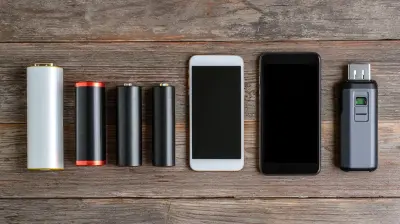
Now, let’s not get too starry-eyed. Touchscreen photography isn’t perfect.Battery drain, storage limits, and sensor size limitations are still real issues. Plus, there's something to be said about the tactile control of physical buttons on traditional cameras—especially for professionals who want granular control.
But here’s the kicker—tech keeps advancing. Every new smartphone release brings bigger sensors, better lenses, smarter AI, and new touch functionalities. It’s like we’re inching closer to the best of both worlds: DSLR-level quality with smartphone-level convenience.
It’s not just evolution—it’s a full-blown revolution.
Final Thoughts: A Brave New World for Photography
Touchscreen devices have undeniably changed the face of photography. They’ve broken down barriers, made the process intuitive, and opened new horizons of creativity. Whether you're capturing the everyday or chasing the extraordinary, all you really need now is what's already in your pocket.We’re at a unique point in history where everyone’s a potential storyteller, artist, or documentarian—armed not with complex gear, but with a touchscreen and a perspective.
So, next time you tap your phone to take a picture, remember—you’re not just snapping a photo. You're part of a global movement that’s reimagining photography from the ground up.
Feel that? That’s the sound of shutters being replaced by swipes.
all images in this post were generated using AI tools
Category:
Touchscreen DevicesAuthor:

Kira Sanders
Discussion
rate this article
2 comments
Phoebe McFadden
Touchscreen devices have revolutionized photography by simplifying user interfaces, enabling instant editing, and enhancing sharing capabilities. This shift empowers both amateurs and professionals, fostering creativity and accessibility in capturing and sharing moments like never before.
March 23, 2026 at 4:26 AM
Kira Sanders
Absolutely, the ease of use and instant connectivity offered by touchscreen devices has truly transformed photography for everyone. It's exciting to see how this technology fosters creativity and makes sharing memories so effortless.
Reagan Mahoney
This article offers valuable insights into how touchscreen devices are revolutionizing photography. It’s fascinating to see how technology enhances creativity and accessibility, making photography more engaging for everyone. Thank you for sharing these intriguing perspectives!
March 19, 2026 at 5:06 AM
Kira Sanders
Thank you for your thoughtful comment! I'm glad you found the insights valuable and agree on the impact of technology on photography.