How the Internet of Things is Helping Build a More Sustainable World
11 June 2026
Let’s start off with a truth bomb: our planet is in trouble. Climate change, pollution, energy overuse, water shortages—the list goes on. But here’s the good news: technology might just be our secret weapon. More specifically, we’re talking about the Internet of Things, or IoT for short.
If you’re picturing a talking fridge, you’re not entirely wrong—but IoT is way bigger than that. It's an interconnected web of devices that collect and exchange data in real-time. And when it comes to sustainability? Oh boy, it’s already making waves.
In this guide, we're diving deep into how the Internet of Things is helping build a more sustainable world—in ways both obvious and unexpected. So grab a coffee (or a green smoothie!) and let’s walk through how tiny sensors and smart gadgets are making a huge impact.
? What Is the Internet of Things (IoT), Really?
Okay, before we go full geek-mode, let's clarify what IoT means in simple terms.Imagine your devices talking to each other—without you. A thermostat that adjusts itself based on your habits. Or a garbage bin that announces when it’s full (weird flex, but it’s real). That’s IoT in a nutshell. It’s all about smart devices collecting data and automating responses without human input.
What makes this magic possible? Sensors, internet connectivity, and a whole lot of real-time data exchange.
? Why Sustainability Needs a Tech Upgrade
Sustainability is not just about hugging trees (though hey, we’re here for that too). It’s about using resources smarter, minimizing waste, and reducing our environmental impact. The problem is, traditional methods are slow, manual, and not very precise.Enter IoT. Think of it as giving Mother Nature a digital assistant. Suddenly, we can track energy use to the decimal, monitor air quality second by second, and manage resources with machine precision.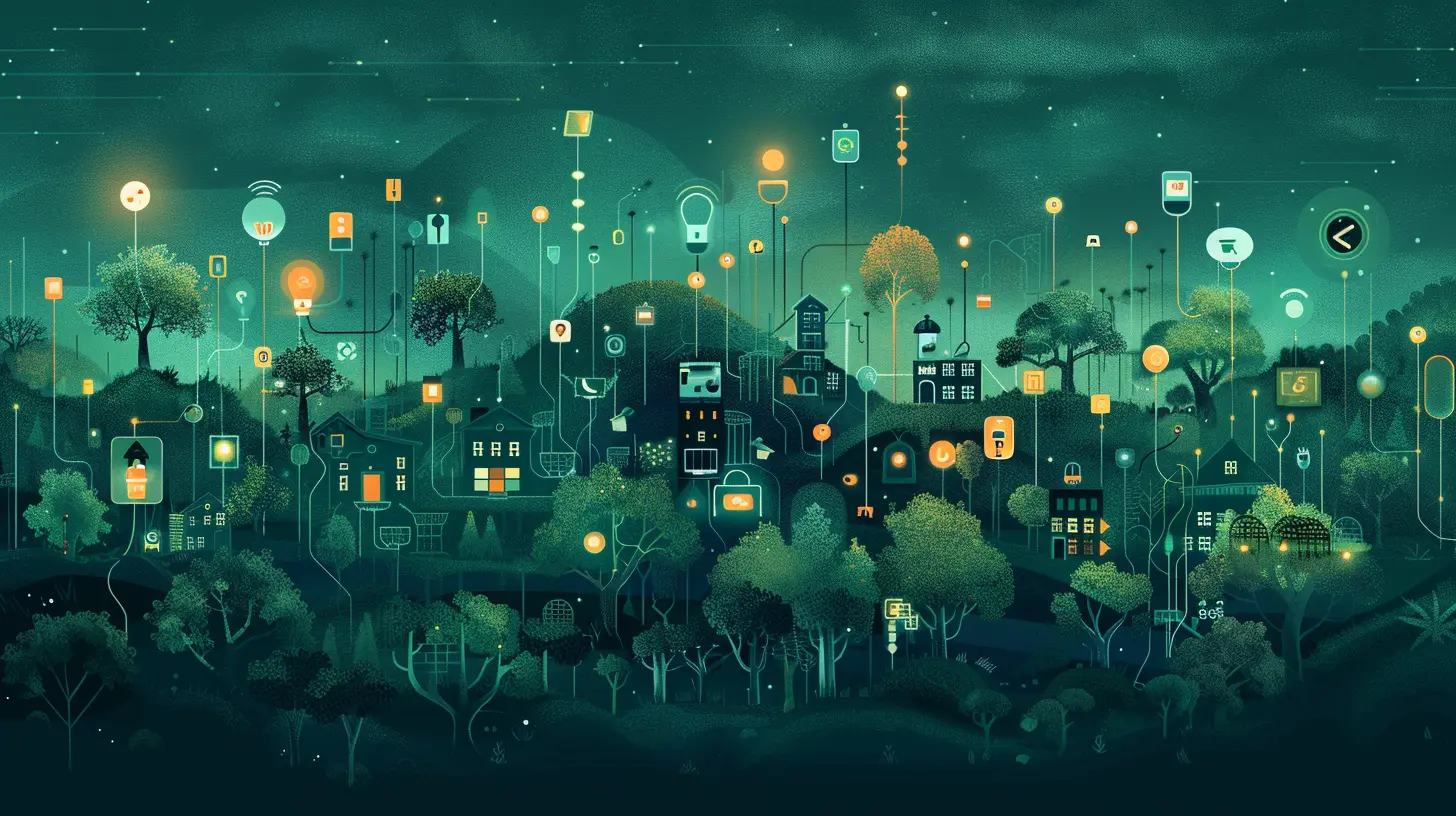
? Smart Cities: The Green Revolution Goes Urban
Let’s start with something big—like cities. Urban areas house over half the world’s population and consume 75% of the world’s energy. So, yeah, making cities smarter is a huge win for sustainability.? Smarter Traffic, Less Pollution
You know that moment you’re stuck in traffic and realize you’ve been idling for 20 minutes? Multiply that by millions of cars. Now imagine smart traffic lights, powered by IoT, adjusting in real-time to reduce congestion and emissions. Boom—cleaner air and less wasted fuel.? Intelligent Lighting Systems
Streetlights often run all night—even when no one's around. IoT sensors can dim or switch them off in empty areas, cutting electricity use by up to 80%. That’s a bright idea (pun fully intended).
? Greener Industries: Sustainable Manufacturing Gets Real
Factories often get a bad rap—but with IoT, many are stepping up their sustainability game.? Real-Time Energy Monitoring
Smart sensors can detect if a machine is using more power than it should. Instead of waiting for a giant electricity bill, companies can fix the problem instantly. It’s like having your own energy watchdog, minus the barking.? Predictive Maintenance = Less Waste
Rather than throwing out equipment when it fails, IoT helps businesses predict problems before they happen. That means less downtime, less scrap, and fewer resources wasted on emergency repairs.? Farming Gets Smarter (And Greener)
You might not connect high-tech gadgets with soil and crops—but agriculture is one of the biggest IoT success stories when it comes to sustainability.? Smart Irrigation Systems
Water is life, especially on farms. IoT devices can measure soil moisture, weather forecasts, and even crop health. The result? Farmers only water when necessary, reducing water use by up to 50%.? Healthier Livestock, Happier Planet
Yes, cows can wear fitness trackers too. IoT wearables monitor temperature, activity, and feed patterns, keeping animals healthy and reducing the need for antibiotics or excessive feeding.? Smarter Homes = Smaller Footprints
Let’s bring it closer to home—literally.? Smart Energy Use
Smart thermostats like Nest learn your habits and adjust heating/cooling accordingly. That means you’re not blasting the AC when you’re out grabbing groceries. Less energy, lower bills, win-win.♻️ Waste Not, Want Not
Ever wished your kitchen could help cut down food waste? IoT-connected fridges can alert you when food’s about to expire—or even suggest recipes (yes, that’s right—your fridge can now be your sous chef).? Sustainable Logistics: Cleaner, Quicker, Smarter
Shipping things across the globe isn’t exactly eco-friendly, but IoT is helping there too.? Route Optimization
Delivery companies use IoT to map out the most fuel-efficient routes, avoiding traffic jams and reducing miles driven. Think of it as Google Maps on caffeine.? Cold Chain Monitoring
For food or medicine that needs strict temperature control, IoT keeps an eye on everything. One broken fridge in a truck doesn’t mean tossing an entire shipment anymore.⚡ Energy Grids Go Smart
Traditional power grids? Clunky and outdated. Smart grids? Adaptable and efficient.? Dynamic Energy Distribution
With IoT, energy providers can detect where demand is high and reroute power instantly. That means fewer blackouts and less energy waste.☀️ Integrating Renewable Energy
IoT plays a crucial role in balancing solar and wind energy—both of which can be unpredictable. Sensors help manage fluctuations and ensure consistent power delivery.? Smart Waste Management: Trash Gets an Upgrade
Who knew garbage could be high-tech?Cities are using IoT to monitor trash levels in bins. Trucks only head out when bins are actually full, saving gas and reducing emissions. Plus, better tracking helps improve recycling rates and reduce landfill overflow.
? Tackling Water Waste with Tech
Water scarcity is a growing crisis—but IoT is offering real solutions.? Leak Detection
Smart water meters can spot even the tiniest leaks. No more waiting for that soggy drywall to tell you there’s a problem.? Water Quality Monitoring
IoT sensors in reservoirs and treatment plants ensure clean water without overusing chemicals. Healthier for you, and better for the planet.? Global Scale: Monitoring Climate and Ecosystems
From tracking endangered animals to analyzing ocean temperatures, IoT is helping researchers gather environmental data like never before.Drones with sensors can check deforestation in real time. Buoys loaded with IoT tech monitor coral reefs. Satellites track carbon emissions. It’s like equipping Earth with its own health tracker.
? What Makes IoT So Effective for Sustainability?
Let’s break it down:- Real-time data: You know the problem right now, not after the damage is done.
- Automation: Actions happen automatically, no human needed.
- Precision: Resources are used exactly where and when needed. No more guessing.
- Scalability: From your home to the entire planet, IoT can grow with the challenge.
? Challenges to Watch (Because Tech Ain’t Perfect)
Let’s be real. IoT isn’t all sunshine and solar panels. There are a few bumps on the road to a sustainable future.- Data privacy: All that data? It needs protection.
- E-waste: Ironically, all these smart devices can create more electronic junk if not managed properly.
- Energy drain: Some IoT devices need constant power. We’ve gotta make sure the net benefit is still green.
So the key is using IoT thoughtfully, not just for the sake of tech, but for its impact.
? Final Thoughts: Tiny Devices, Big Difference
Here’s the thing: sustainability is not about one big change. It’s about a thousand small improvements adding up. And that’s exactly where the Internet of Things shines.From optimizing how crops are watered to cutting down your electric bill, IoT isn’t just some futuristic concept—it’s already changing the world. It’s the silent hero behind smarter homes, more efficient businesses, and greener cities.
So next time you hear a buzz about IoT, remember—it’s not just about convenience. It’s about conscious technology, working quietly to build a better, cleaner, more sustainable future for all of us.
And honestly? That future looks pretty bright.
all images in this post were generated using AI tools
Category:
Sustainable TechAuthor:

Kira Sanders
Discussion
rate this article
2 comments
Emily Jackson
The Internet of Things is revolutionizing sustainability by optimizing resource use and reducing waste. Smart devices help monitor energy consumption and manage resources more efficiently, paving the way for greener habits and improved environmental stewardship in communities around the globe.
August 18, 2026 at 3:49 AM
Kira Sanders
You're absolutely right. Smart devices are essential in driving sustainability and encouraging responsible resource management. It's exciting to see the positive impact on communities worldwide.
Quorra Chavez
The Internet of Things offers exciting potential for sustainability, enabling smarter resource management and reducing waste. While challenges remain, such as privacy concerns and energy consumption, its ability to connect devices and improve efficiency could lead to significant environmental benefits if leveraged responsibly.
June 22, 2026 at 3:17 AM
Kira Sanders
You're right. The Internet of Things can transform how we manage resources and reduce waste. Balancing efficiency with privacy and energy use is key to unlocking its full potential for sustainability.