How Mobile Apps Are Closing the Gap in Financial Inclusion
24 February 2026
Let’s face it—money makes the world go ‘round. But what happens when over a billion people worldwide don’t have access to something as basic as a bank account? It’s not just about bank statements or credit scores; it’s about opportunity, freedom, and being part of the global conversation.
But here’s where the plot twist comes in—smartphones and mobile apps are changing the game. They’re stepping up as unlikely heroes, giving millions of underserved people the key to unlock financial doors that were once bolted shut.
What Exactly Is Financial Inclusion?
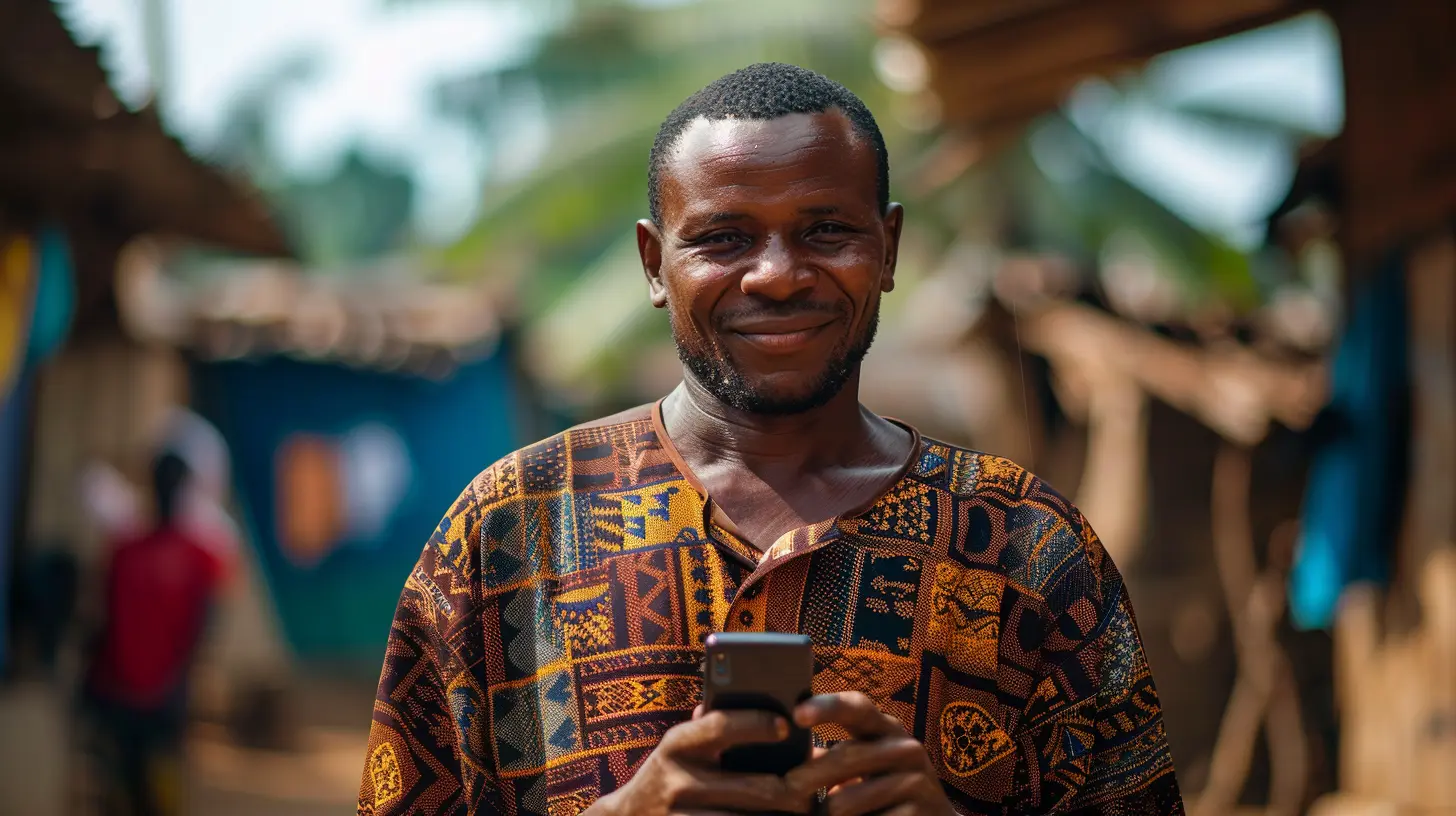
Financial inclusion isn’t some fancy economic jargon—it’s really just about equality. It means giving everyone, regardless of income, location, or background, access to affordable and useful financial services like savings, loans, insurance, and payments.Think about the single mom in a rural village who wants to start a small business, or the street vendor who gets paid in cash but has no way to save it securely. Without access to financial tools, their growth hits a ceiling. That’s where financial inclusion becomes a lifeline.
The Mobile App Revolution: More Than Just Angry Birds
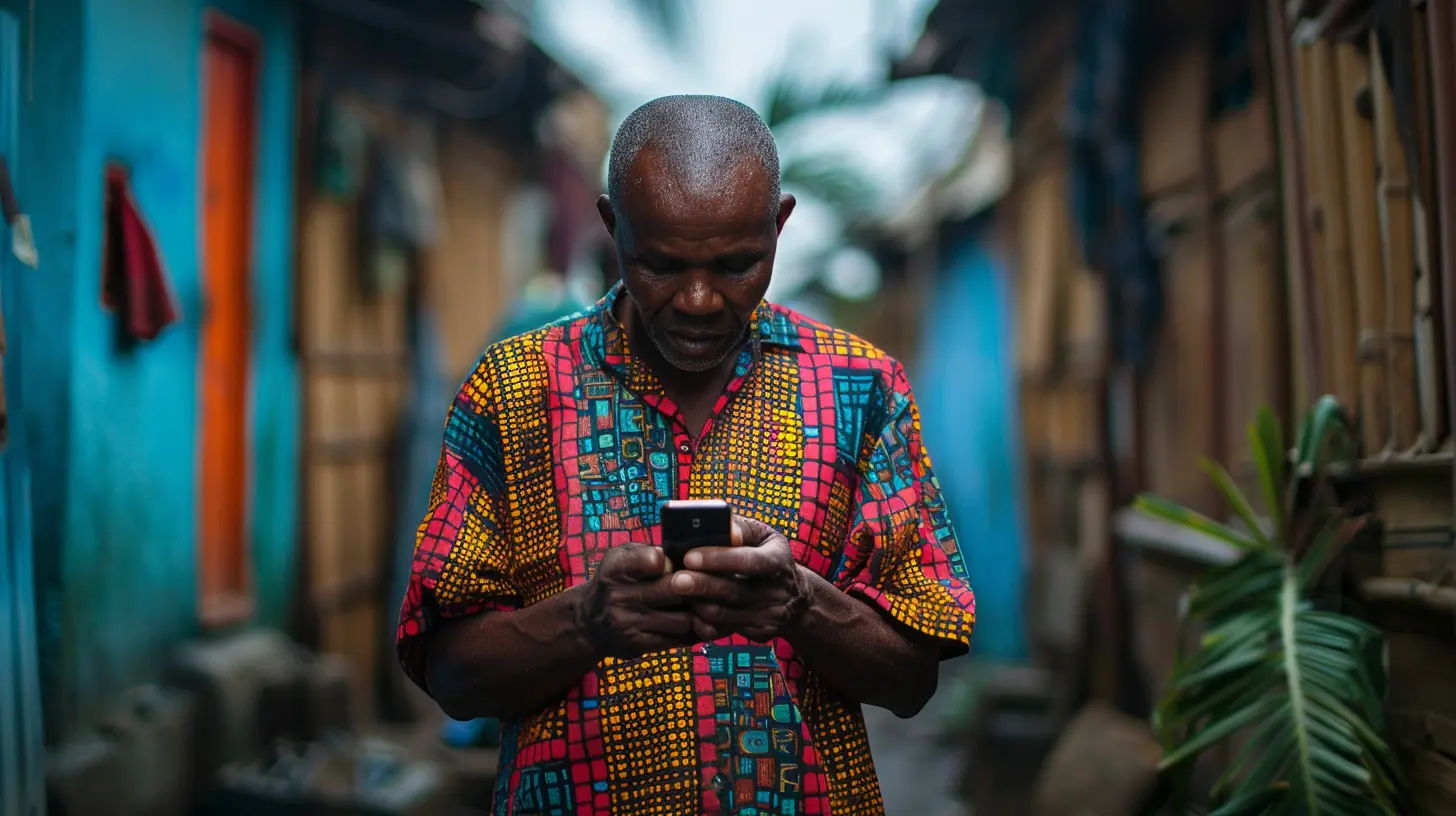
Let’s be honest—we all love our mobile apps. We use them to chat, stream music, scroll endlessly through social media, and lose ourselves in digital rabbit holes. But apps aren’t just tools of distraction; they’ve become tools of transformation. Especially in the world of finance.Today, if you have a smartphone, you have a virtual bank in your pocket. And for millions of unbanked individuals, that’s a game-changer.
Why Traditional Banking Misses the Mark
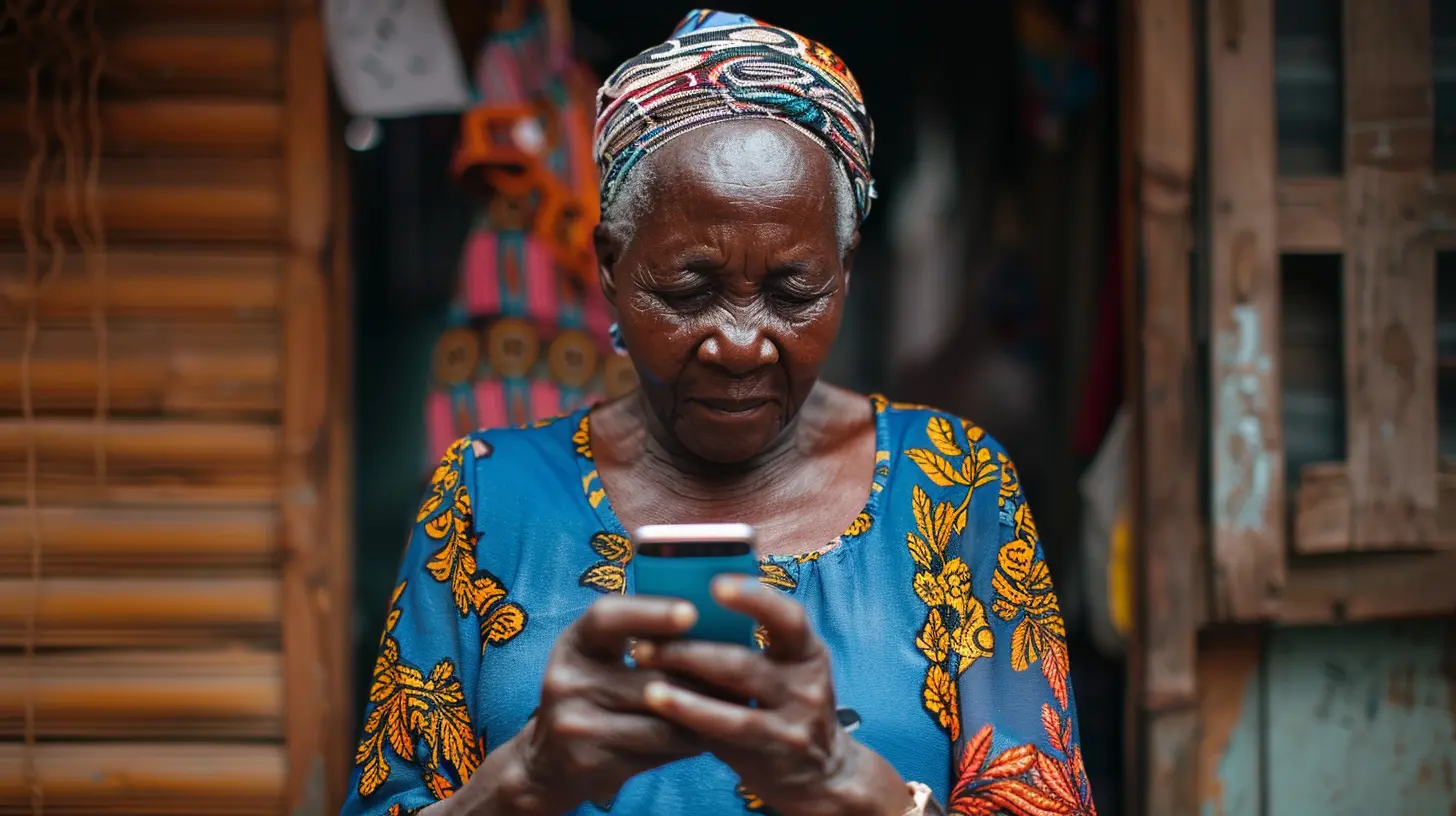
Traditional banking has its own set of rules, and let's face it—they’re not always inclusive. In remote areas, there are rarely physical bank branches. Even if there is one, people might lack the documentation, credit history, or even transportation to get there.Banks also come with fees, paperwork, and long queues. For many, the simple act of opening an account becomes an uphill battle. That’s like asking someone to build a spaceship to get a library card—it’s just too much.
Mobile Apps: Bridging the Unbanked to the Banked
So, how are mobile apps stepping in?1. Mobile Wallets
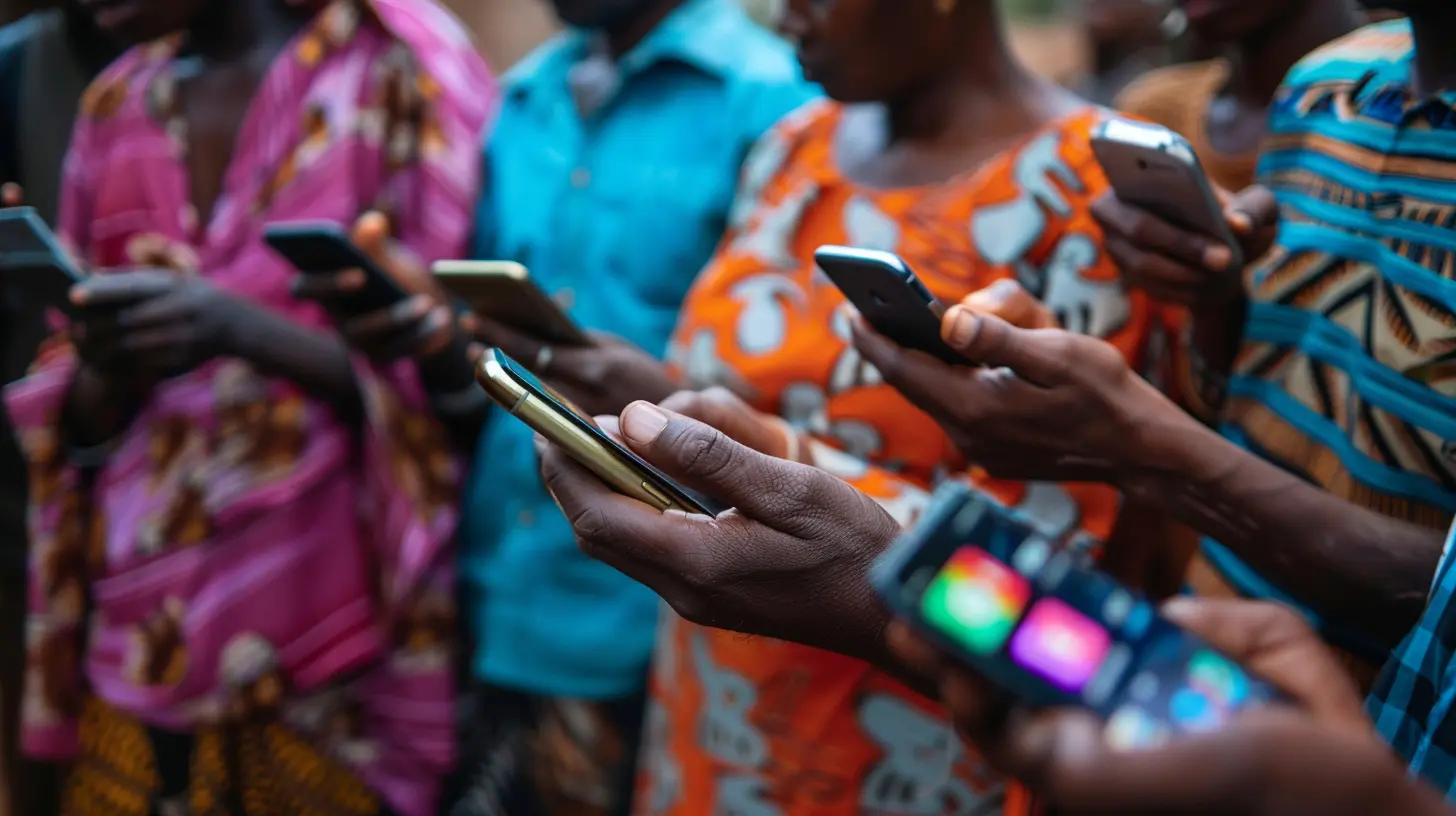
Apps like M-Pesa, GCash, and Paytm are perfect examples. These mobile wallets allow users to send and receive money, pay for utilities, shop online, and even get paid—all without the need for a traditional bank account.A farmer in Kenya selling produce can get paid through M-Pesa and instantly use that money to buy seeds or school supplies. That’s financial inclusion in action.
2. Microloans and Credit Scoring
Banks usually use credit history to decide who is "creditworthy." But what if you've never had access to credit before? It's a catch-22.Apps like Tala and Branch are using mobile data (like phone usage patterns and bill payment behavior) to determine creditworthiness. That means even first-time borrowers can get microloans, helping them start businesses or cover emergencies.
It’s kind of like giving someone a ladder who’s been stuck in a well all their life. Finally, they’ve got a way out.
3. Savings and Investment Platforms
Who says only the rich can invest? Apps like Acorns, Chime, and Stash are flipping the script. These platforms let ordinary users save money automatically, invest spare change, and plan for the future—even if they’re just starting with a few bucks.Imagine a street vendor setting aside a dollar a day—it may seem small, but over time, it builds financial discipline and security. And that’s powerful.
4. Insurance for All
Insurance isn’t just for those with high incomes. Some mobile apps are now offering bite-sized insurance plans, paid on a daily or weekly basis. This makes it easier for low-income earners to protect themselves against unexpected hardships.It’s like giving people an umbrella before the storm hits.
Real-Life Examples That Inspire
Let’s look at how mobile apps are making waves around the world.- Kenya’s M-Pesa: Over 96% of households use M-Pesa for transactions, savings, and credit. It’s literally become the country’s financial backbone.
- India’s Paytm: With over 300 million users, this app allows people from all walks of life to go cashless—even in rural parts.
- Philippines’ GCash: From buying groceries to paying school fees, GCash is helping Filipinos manage money with just a few taps.
These aren't just stats. They’re stories of empowerment, of children going to school, businesses growing, and families finding hope.
The Power of Accessibility: Anywhere, Anytime
One of the best parts? You don’t need to live in a big city or have a computer. All you need is a smartphone and an internet connection (even 2G works in some cases). Suddenly, someone living miles away from the nearest bank can:- Receive remittances from family abroad
- Pay bills without traveling hours
- Access emergency loans
- Insure their crops or homes
It’s like putting a financial power button in everyone’s hands.
Women and Financial Inclusion: A Special Bond
Women, especially in developing nations, are often the most excluded financially. But mobile apps are rewriting the story. In many places, women now control their own money for the first time. They’re saving for their kids’ education, investing in home-based businesses, and making healthcare decisions.Financial inclusion isn’t just about money—it’s about dignity, confidence, and control. And mobile apps are giving women a seat at the financial table.
Challenges Still Ahead
Okay, it's not all rainbows and butterflies. There are still hurdles to overcome:1. Digital Literacy
Having a smartphone is one thing; knowing how to use it for financial services is another. Education and training are key.2. Internet Access
Even today, some remote areas struggle with poor connectivity. Without stable internet, app functionality becomes limited.3. Cybersecurity Concerns
Where there’s digital money, there’s also risk. Building trust through strong security and user education is essential.But here’s the good news—these are solvable problems. With the right focus and collaboration between governments, tech companies, and communities, the puzzle pieces can fall into place.
The Road Ahead: What Needs to Happen Next?
We’re on the right path, but there’s more ground to cover. Here's what can help:- Partnerships: Telcos, fintech firms, and governments should join forces to extend outreach.
- User-Centric Design: Apps shouldn't just be translated—they should be adapted to local needs and cultures.
- Financial Education: Building confidence through simple tutorials and community programs ensures long-term success.
When we get this right, we’re not just creating users—we’re creating financially empowered individuals.
Final Thoughts: A Tap That Opens Doors
Let’s pause for a moment and reflect. Not too long ago, financial freedom felt like a distant dream for many. Today, with just a tap on a screen, lives are changing.Mobile apps are more than just icons on our screens. They are bridges—connecting dreams to action, potential to opportunity, and individuals to the world. As technology continues to evolve, so does our ability to close the financial gap once and for all.
So the next time you open an app, think about this: somewhere out there, a mother is saving for her daughter’s future, a farmer is insuring his goods, and a teenager is investing his first dollar—all thanks to a small screen and a big idea.
The future of financial inclusion is in our hands—literally.
all images in this post were generated using AI tools
Category:
Mobile AppsAuthor:

Kira Sanders
Discussion
rate this article
2 comments
Dior Kline
Great insights! It's inspiring to see how mobile apps are transforming financial inclusion, empowering underserved communities with access to essential services. This technology truly has the potential to drive meaningful change in our society.
February 27, 2026 at 11:36 AM
Kira Sanders
Thank you for your kind words! I'm glad the article resonated with you and highlights the transformative power of mobile apps in promoting financial inclusion.
Ashira Flores
Mobile apps are revolutionizing financial inclusion by providing access to banking services for underserved populations. With features like microloans and digital wallets, they empower individuals, promote savings, and enhance financial literacy. It's a game-changer for bridging economic disparities worldwide.
February 25, 2026 at 3:24 AM