How Fitness Trackers Can Help You Optimize Recovery Times
7 February 2026
Let’s be honest—most of us obsess over how hard we train, but we rarely think twice about how well we recover.
Recovery? That’s just rest, right?
Well, not exactly.
Recovery is the unsung hero of your fitness journey. Without proper recovery, even the most intense workouts won’t deliver the gains you're chasing. That’s where fitness trackers swoop in like your personal wellness assistant.
In this guide, we’ll break down how fitness trackers can help you optimize recovery times, why that matters, and how you can start using them to get smarter—not just harder—with your workouts.

What Exactly Are Fitness Trackers?
If you're picturing a basic step counter, think again.Modern fitness trackers are tech-packed wearables that go way beyond counting steps. From monitoring your heart rate and sleep cycles to measuring oxygen saturation and stress levels, these gadgets are like having a mini-health lab on your wrist.
Brands like Fitbit, Garmin, WHOOP, Apple Watch, and Oura Ring are at the forefront, merging sleek design with powerful biometric tracking.
But how does all this relate to recovery?
Glad you asked.

Why Recovery Time Even Matters
Let’s lay it out straight: No recovery, no progress.When you work out—whether it's lifting weights, HIIT circuits, or marathon training—you’re essentially stressing your body and breaking down muscle tissue. Recovery is when the magic happens. Your muscles rebuild stronger, energy systems reset, and your nervous system catches a break.
If you jump back into your next session before your body’s ready, you risk:
- Plateauing in performance
- Getting injured
- Feeling perpetually exhausted (hello, burnout!)
- Lowering your immune defense
Bottom line? Recovery isn’t just about lounging on the couch. It's a science—and fitness trackers give you the data to master it.
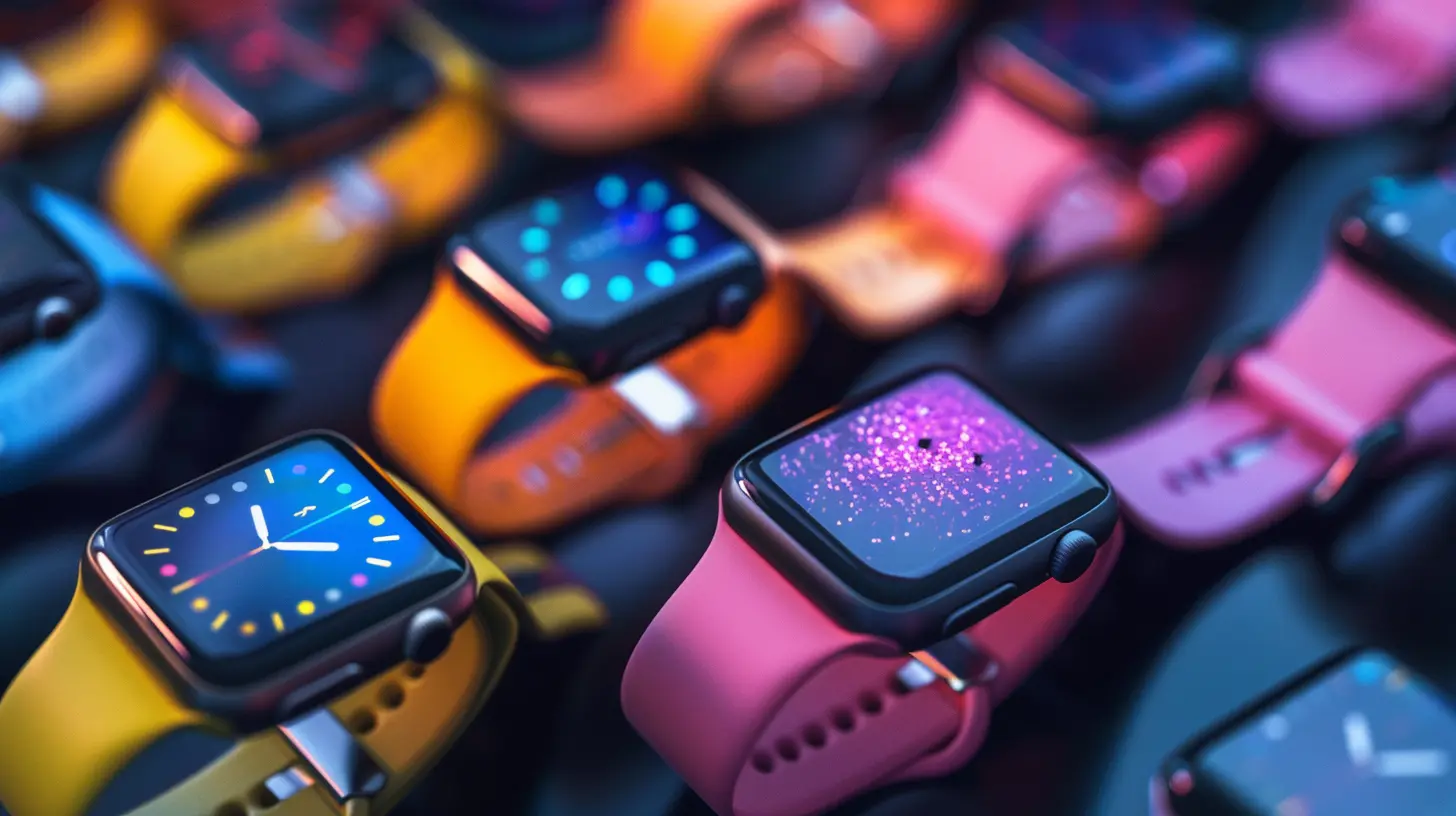
Key Recovery Metrics Tracked by Fitness Devices
Alright, let’s get into the nitty-gritty.Modern fitness trackers collect a wealth of data, but when it comes to optimizing recovery, here are the MVPs:
1. Resting Heart Rate (RHR)
Your resting heart rate is like a window into your recovery status. A sudden spike usually means your body’s still under stress. Fitness trackers measure RHR throughout the night, giving you solid insights into how your body is coping after a tough session.2. Heart Rate Variability (HRV)
HRV is the time variation between heartbeats. Sounds small, but it tells a big story. Higher HRV typically suggests your body is relaxed and recovered. Lower HRV can indicate stress, fatigue, or even illness.Fitness trackers give you daily HRV scores, helping you decide if today’s the day for a PR or a lighter yoga flow.
3. Sleep Quality and Duration
You can’t talk recovery without talking about sleep. It’s when your muscles repair, hormones re-balance, and your brain processes info.Fitness trackers monitor:
- Sleep stages (light, deep, REM)
- Sleep duration
- Disturbances during the night
With this info, you can tweak your bedtime habits, reduce screen time, and improve sleep hygiene to supercharge your recovery.
4. Blood Oxygen Levels (SpO2)
Some trackers (like the Apple Watch or Oura Ring) check your oxygen saturation during sleep. A dip in oxygen can affect sleep quality, thus impacting your recovery. Knowing this can spur you to investigate potential issues like sleep apnea or poor room conditions.5. Body Temperature
Certain wearables track nightly fluctuations in body temperature. A rise in temp can be a signal of overtraining or the onset of infection. Tracking this helps you know when to pause and rest instead of pushing harder.6. Recovery Scores and Readiness Ratings
This is where things get really cool.Platforms like WHOOP and Garmin offer daily “readiness scores.” These blend sleep, HRV, activity levels, and more into one easy-read number that says, "You're good to go!" or "Maybe take it easy today."
It’s like having a coach on your wrist giving you a custom recovery briefing every morning.

How Fitness Trackers Help You ACTUALLY Recover Smarter
So far, we’ve talked data. But how can you actually use it?Let’s jump into the practical ways fitness trackers help optimize your recovery.
1. You Can Personalize Your Training Load
Imagine you’re training for a half-marathon. One day, your tracker shows a high readiness score, solid HRV, and a normal resting heart rate. Game on—go crush those intervals.The next day, your HRV dips, your resting heart rate is up, and your sleep was trash. Instead of pushing through, you pivot to a recovery run or rest day.
That’s called training smart, and it saves you from burnout or injury.
2. You Get Real-Time Insights Into Overtraining
Overtraining is sneaky. It creeps in slowly—fatigue, irritability, soreness that doesn’t go away. Fitness trackers flag these red flags early by identifying trends in your data.If your readiness drops consistently or your recovery metrics spiral, that’s your cue to take recovery seriously before things go south.
3. You Can Fine-Tune Your Sleep Habits
Let’s be real—we all think we sleep more than we actually do.Fitness trackers bust that myth wide open. You might realize you’re getting 5 hours instead of the golden 7–9 hours. Or maybe you’re not hitting enough REM sleep, which is crucial for mental and emotional recovery.
Armed with this info, you can start fixing your sleep hygiene—think earlier bedtimes, blackout curtains, or ditching the phone before bed.
4. You Can Optimize Nutrition Timing
Some trackers can sync with food tracking apps, giving you a full-spectrum view of your intake and recovery. By pairing recovery data with meal logs, you’ll start to see how post-workout nutrition impacts your readiness and energy.Missed that protein shake after your session? Your recovery stats might show a dip the next day.
5. You Stay More Consistent
Here’s a biggie—accountability.When you have all your recovery info staring you in the face every morning, it’s harder to ignore. You start making better decisions, like winding down earlier or spacing out hard training days.
That consistency pays off big time over weeks and months.
Common Mistakes People Make with Fitness Trackers (And How to Avoid Them)
Let’s clear the air: Fitness trackers aren’t miracle workers. They’re tools. And like any tool, they’re only as effective as how you use them.Here are a few common slip-ups:
Mistake #1: Ignoring the Data
If you’re just wearing your tracker without checking the app or dashboard, you’re missing out. Set aside 2–3 minutes daily to review your key recovery stats.Mistake #2: Obsessing Over Every Number
Yes, the data matters—but don’t let it create anxiety. Focus on trends over time rather than day-to-day blips.Mistake #3: Skipping Rest Because You “Feel Fine”
We’ve all been guilty of this. But remember—the tracker may spot stress signals your body hasn’t vocalized yet. Trust the data.Mistake #4: Forgetting to Log Workouts or Sleep
The more accurate your input, the better your insights. If you don’t wear your tracker to bed or forget to log workouts, you’re flying blind on how your body’s doing.
How to Choose the Right Fitness Tracker for Recovery
Not all trackers are created equal—especially when it comes to recovery.Here’s a quick cheat sheet:
| Feature | Recommended For | Best Brands |
|--------|------------------|-------------|
| HRV, Sleep, Readiness Scores | Overall recovery optimization | WHOOP, Oura Ring |
| Activity + Sleep + SpO2 | Balanced tracking | Garmin, Fitbit |
| Advanced heart rate metrics | Athletes and performance-focused users | Polar, Garmin |
| Integration with other health data | Holistic wellness | Apple Watch |
Pick a device that suits your lifestyle and goals. If recovery is your core focus, lean toward trackers that emphasize HRV, sleep, and readiness scoring.
Final Thoughts: It's Time to Train Smarter, Not Just Harder
You don’t need to guess how recovered you are anymore.Thanks to fitness trackers, you’ve got access to the kind of recovery insights that were once reserved for elite athletes and sports scientists. Now, it's in the palm of your hand—or wrapped around your wrist.
By tuning into the signals your body sends through these devices, you can make informed decisions, avoid overtraining, and maximize your gains.
So the next time your tracker says, “Hey, maybe skip the gym today,” don’t see it as slacking off.
See it as leveling up.
all images in this post were generated using AI tools
Category:
Fitness TrackersAuthor:

Kira Sanders
Discussion
rate this article
2 comments
Nicole McGivern
Fitness trackers: your new workout buddy for recovery! Who knew resting could be this high-tech?
February 9, 2026 at 4:40 AM
Kira Sanders
Absolutely! Fitness trackers not only enhance workouts but also play a crucial role in monitoring recovery, making rest just as efficient as the exercise itself.
Faith Cole
This article beautifully highlights how fitness trackers can truly enhance recovery. It's inspiring to see technology supporting our health and well-being!
February 8, 2026 at 8:21 PM
Kira Sanders
Thank you for your kind words! I'm glad you found the article inspiring and informative. Fitness trackers can indeed make a significant difference in our recovery journeys!