How Electric Bicycles are Transforming Urban Mobility
20 March 2026
Urban mobility is changing fast, and electric bicycles (e-bikes) are leading the charge. With congested streets, increasing fuel costs, and environmental concerns, people are searching for better ways to commute. Enter the e-bike—a revolutionary mode of transport that combines the best of cycling with the ease of motor-assisted travel.
But how exactly are electric bicycles transforming urban mobility? Let’s break it down and see why cities worldwide are embracing this exciting shift.
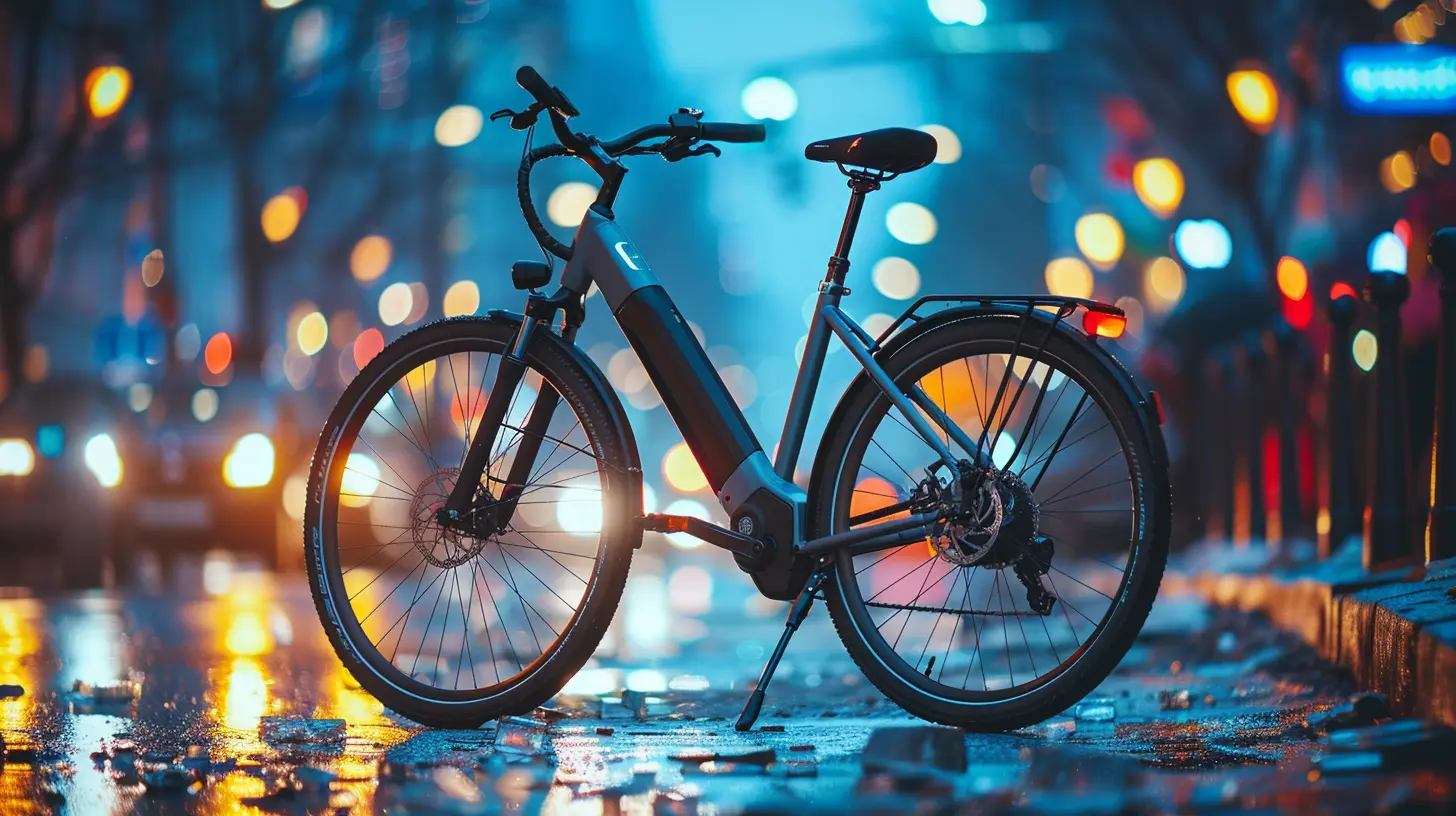
The Rise of Electric Bicycles
A decade ago, e-bikes were considered a niche product. Fast forward to today, and they’re everywhere. Why? Because they offer an answer to some of the biggest challenges urban commuters face—traffic congestion, long commutes, expensive fuel, and high transportation costs.With advancements in battery technology and motor efficiency, modern e-bikes are lighter, faster, and more affordable than ever. Whether you're a daily commuter, a student, or just someone who enjoys a leisurely ride, an e-bike can make your journey smoother and more enjoyable. 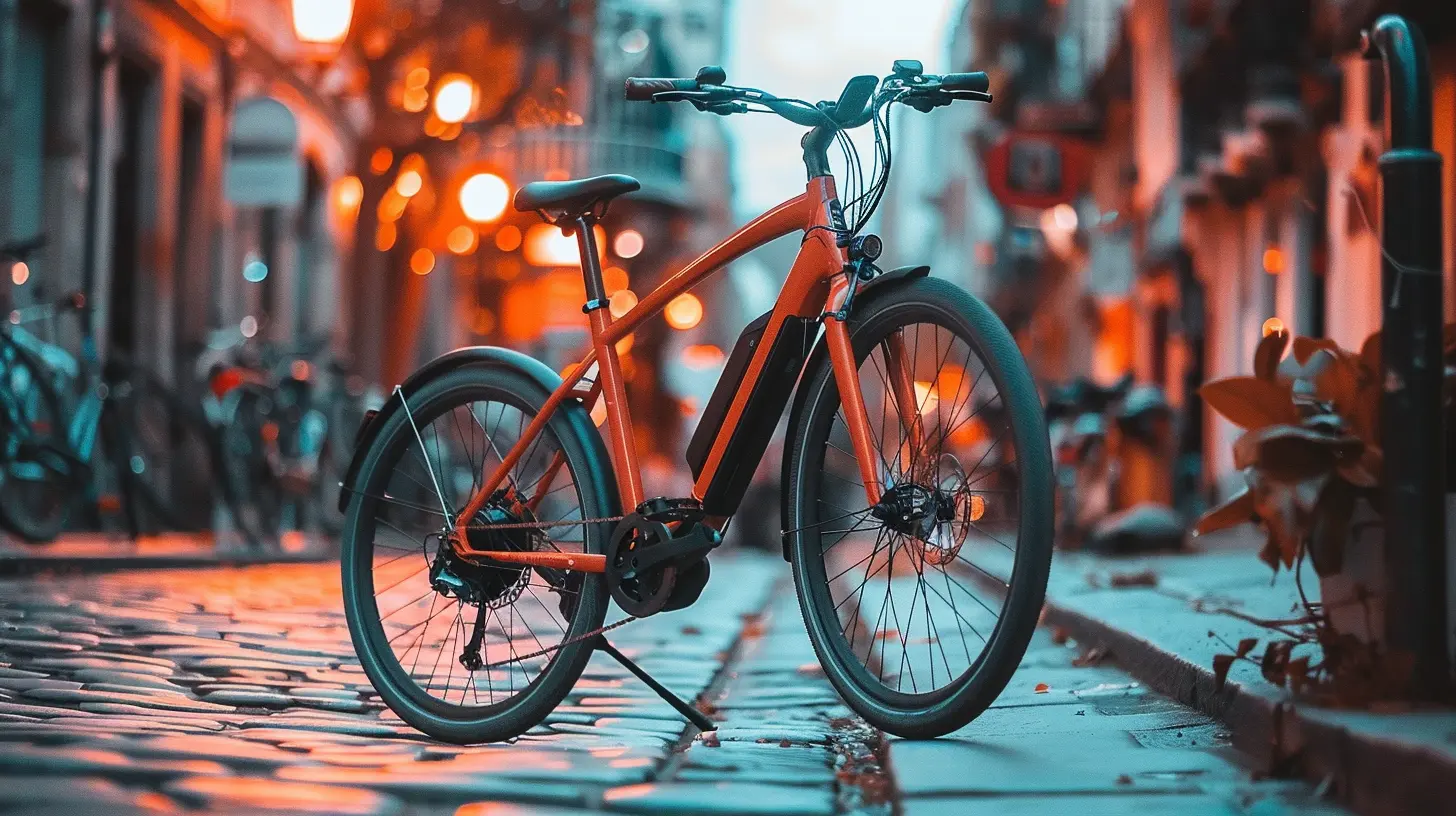
Why E-Bikes Are the Future of Urban Transportation
Electric bicycles aren’t just a trend; they’re a solution. Here’s why they’re changing the way people move in cities:1. Beating Traffic with Ease
Ever spent hours stuck in bumper-to-bumper traffic? E-bikes offer a way out. They can weave through congested streets and use bike lanes to bypass gridlocked roads. In many cities, cycling infrastructure is improving, making two-wheeled travel even more efficient.Plus, most e-bikes can hit speeds between 15-28 mph, meaning you can reach your destination faster than a car stuck in rush-hour madness.
2. Cutting Down on Transportation Costs
Gas prices are volatile, and public transport fares keep rising. Owning a car means dealing with expenses like insurance, maintenance, and parking fees. Comparatively, an e-bike is a one-time investment with minimal upkeep.Charging an e-bike battery costs only a few cents per charge, making it one of the most economical ways to commute in a city. Say goodbye to those expensive gas bills!
3. Eco-Friendly Commuting
Let’s face it—cars are a major contributor to pollution. E-bikes, on the other hand, produce zero emissions. By swapping short car trips for an electric bicycle, you’re helping to reduce carbon footprints, making cities cleaner and greener.Governments worldwide are now encouraging the use of electric bicycles by offering tax incentives, bike-sharing programs, and improved cycling infrastructure. Going green has never been easier. 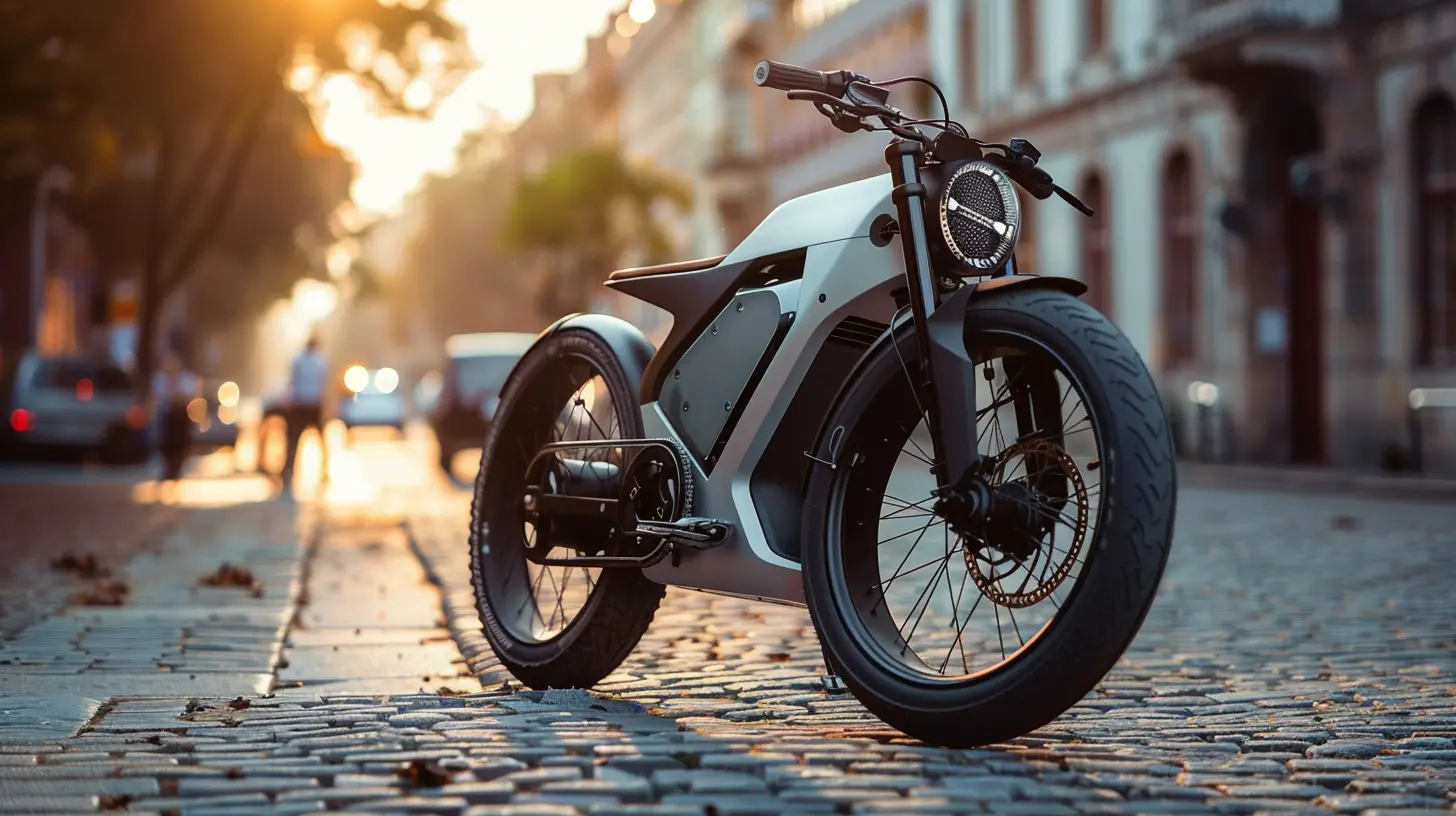
How E-Bikes are Reshaping Urban Infrastructure
1. More Bike Lanes, Fewer Cars
As e-bike adoption grows, cities are redesigning their infrastructure to accommodate more cyclists. Dedicated bike lanes, bike-friendly intersections, and secure parking for two-wheelers are becoming common.In places like Amsterdam and Copenhagen, where cycling is already deeply integrated into daily life, e-bikes are further encouraging car-free mobility. Many cities are now following suit, paving the way for a bicycle-first future.
2. Bike-Sharing Programs on the Rise
Many cities now have e-bike-sharing programs, allowing commuters to rent electric bicycles for a nominal fee. These programs make it easier for people to ditch traditional forms of transport for a more efficient and eco-friendly alternative.For those who can’t afford to buy an e-bike outright, bike-sharing services provide an accessible and convenient option to experience the benefits of electric transport. 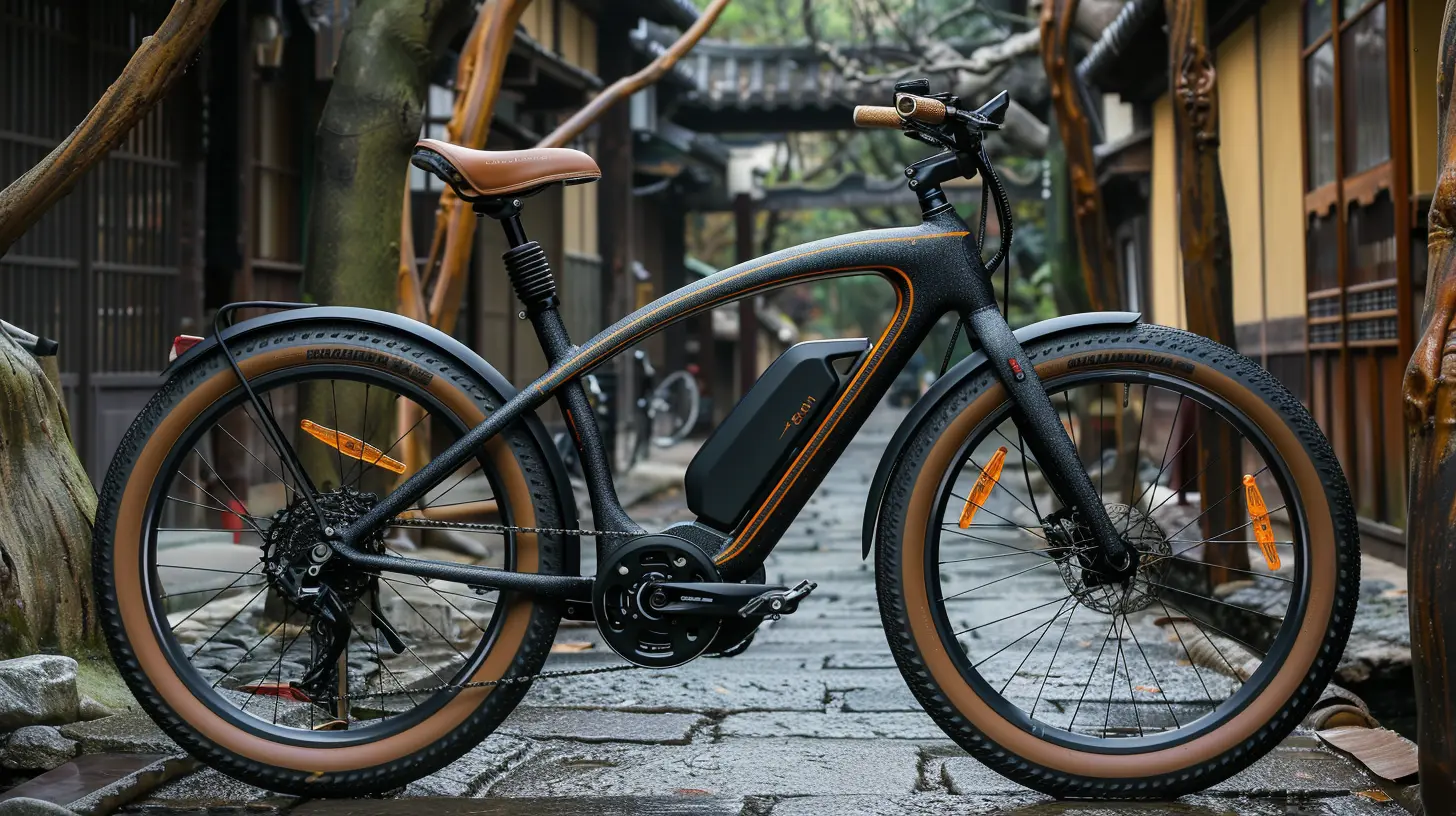
E-Bikes vs. Traditional Bicycles: What’s the Big Deal?
Some argue that traditional bicycles already do the job—so why do we need electric ones? Well, here’s where e-bikes stand out:1. Reduced Fatigue: Unlike regular bikes, e-bikes provide pedal assistance, making long rides less exhausting. Commuters can ride to work without arriving drenched in sweat.
2. Longer Distances: With electric assistance, riders can cover greater distances without feeling burned out. This makes e-bikes ideal for both short city trips and long commutes.
3. Increased Accessibility: E-bikes make cycling possible for people who might struggle with traditional bikes, such as older adults or those with physical limitations.
In short, e-bikes eliminate the barriers that keep people from cycling in urban areas.
Challenges E-Bike Riders Face
While e-bikes have undeniable benefits, they also come with challenges:- Battery Range & Charging: Most e-bikes have a range of 20-60 miles per charge. While this is sufficient for most urban rides, longer trips require careful planning. Charging stations for e-bikes are still not as common as gas stations.
- Safety Concerns: As e-bike speeds increase, so do the risks. Riders need proper safety gear, and cities must enforce regulations to ensure safe riding practices.
- Initial Cost: A quality e-bike can be costly, ranging between $1,000 to $3,000 or more. However, the long-term savings on fuel and maintenance justify the investment.
Despite these hurdles, the overall benefits far outweigh the drawbacks, and as technology advances, these challenges will become less of a concern.
What’s Next for Electric Bicycles?
The future of urban mobility looks electric, and e-bikes are at the forefront. With ongoing advancements in battery technology, we can expect:- Lightweight Batteries: Higher-capacity batteries with faster charging times will make e-bikes even more practical.
- Smarter Features: GPS tracking, smart locks, and AI-powered assistance will make e-bikes safer and more convenient.
- Better Infrastructure: The push for bike-friendly cities will lead to improved cycling lanes, parking spaces, and better legislation for e-bike users.
As cities continue to evolve, electric bicycles will play an even bigger role in how people get around.
Final Thoughts
Electric bicycles are not just a passing trend—they’re a game-changer in urban mobility. They offer a perfect blend of convenience, sustainability, and cost-effectiveness, making them an ideal solution for modern-day commuting challenges.Whether you're tired of traffic, looking to save money, or aiming to reduce your carbon footprint, e-bikes provide an excellent alternative. They’re here to stay, and their impact on urban transportation is only going to grow.
So, is it time for you to hop on an e-bike and experience the revolution firsthand?
all images in this post were generated using AI tools
Category:
Sustainable TechAuthor:

Kira Sanders
Discussion
rate this article
2 comments
Korian Oliver
Electric bicycles are redefining urban transport, promoting sustainability while enhancing accessibility and convenience.
March 23, 2026 at 1:24 PM
Kira Sanders
Absolutely! Electric bicycles are a game changer for urban transport, making it easier for everyone to get around while being eco-friendly.
Clara Edwards
Electric bicycles are revolutionizing urban transport—offering sustainability, convenience, and accessibility like never before.
March 23, 2026 at 4:26 AM
Kira Sanders
Thank you for your comment! Indeed, electric bicycles are playing a pivotal role in reshaping urban mobility, making transportation more sustainable and accessible for everyone.