How Blockchain Could Revolutionize Sustainable Supply Chains in Tech
1 March 2026
Let’s face it — supply chains in tech are kind of a mess.
From raw materials being mined in questionable ways to product components bouncing between a dozen countries before they hit the shelf, transparency has often taken a backseat to speed and cost. And when you add sustainability to the mix, things get even murkier.
But what if there was a way to untangle that web? What if we could track every piece of a tech product in real time, verify its origin, ensure it was ethically sourced, and even reduce waste along the way? Enter blockchain.
Yeah, blockchain — the same technology behind Bitcoin and Ethereum. But there’s way more to it than just crypto.
In this article, we’re going to break down how blockchain could revolutionize sustainable supply chains in tech. We’ll keep it real, keep it human, and explain why this tech might just be the golden ticket the industry’s been waiting for.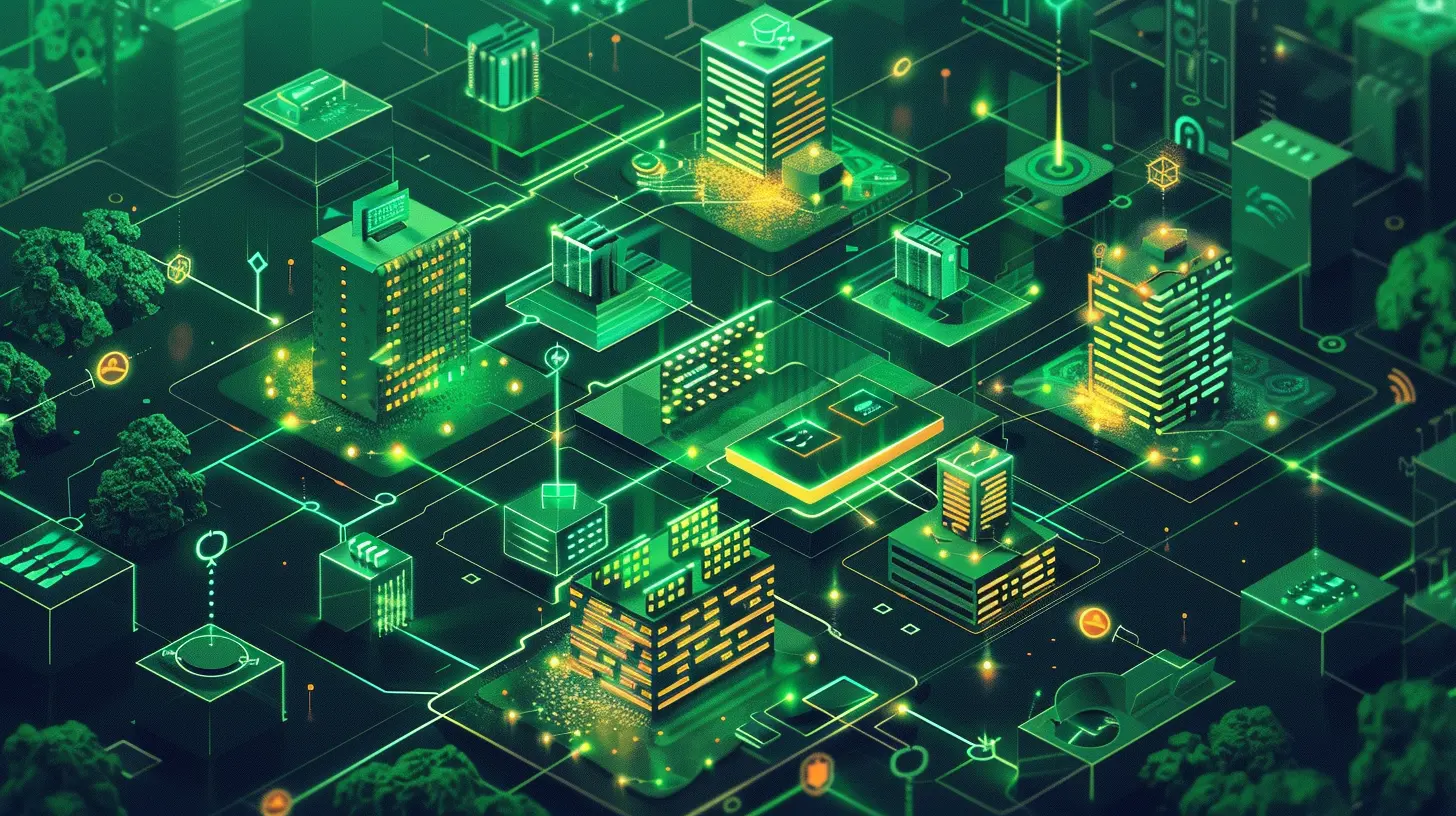
Why Are Tech Supply Chains So Complicated?
Before we get into the blockchain stuff, let’s take a closer look at why tech supply chains are so complex (and often problematic).Think about your smartphone. It has metals like cobalt and lithium, often mined in developing countries. The chips might be made in Taiwan, the screen in South Korea, the assembly in China, and final testing in the U.S. That’s a globe-trotting journey with dozens of stops, suppliers, and logistical loops.
Now, throw in sustainability — like ethical sourcing, low emissions, waste reduction, and fair wages — and it becomes incredibly difficult to know if your gadget is truly green or guilt-free.
Why isn’t it transparent? In short: data silos, outdated tracking methods, and lack of trust between parties.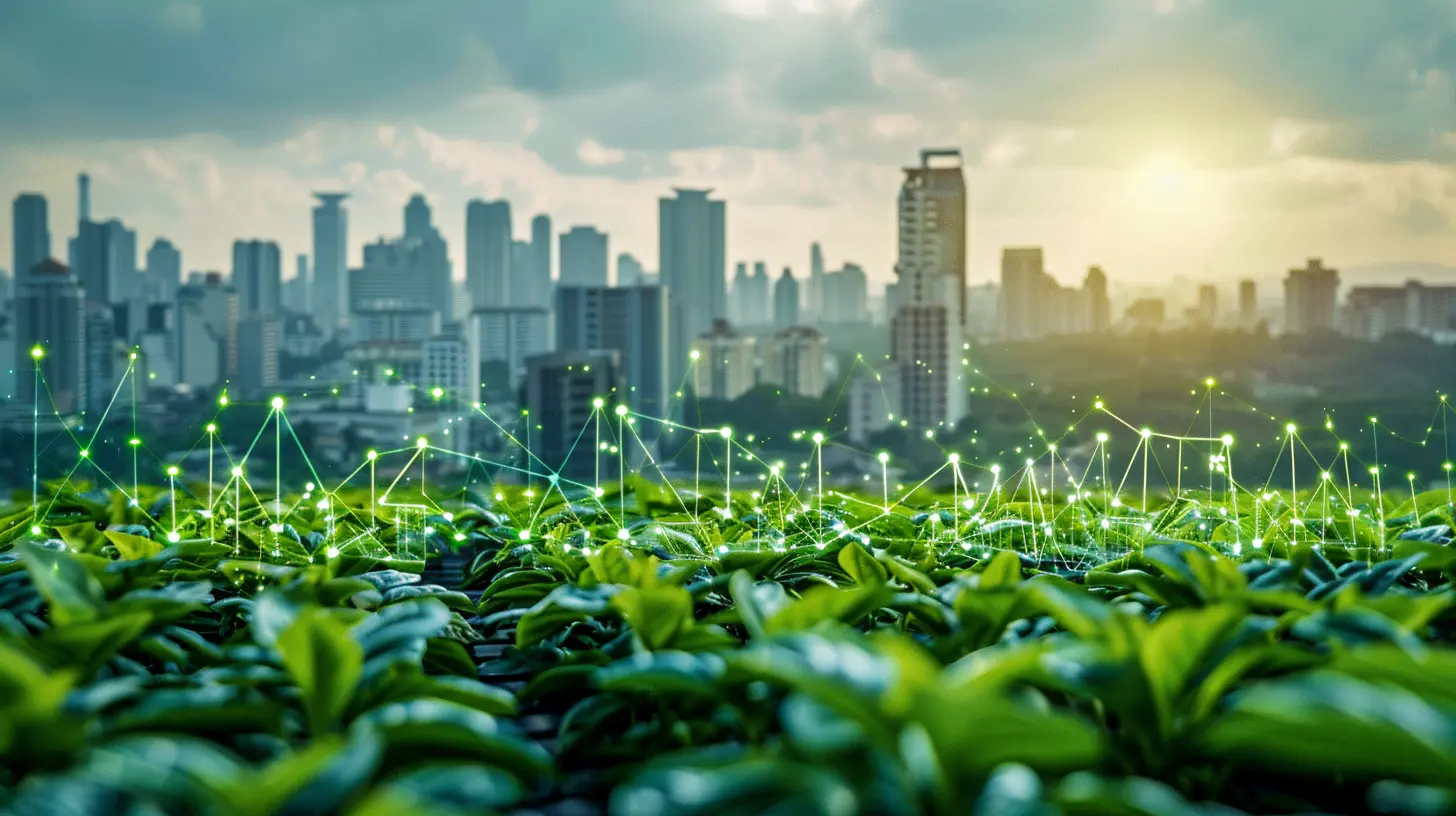
So, What Exactly Is Blockchain?
Okay, picture a digital ledger — like a notebook, only this one’s decentralized. Instead of one company maintaining it, it’s shared across a network of computers. Every time something new happens (let’s say a shipment leaves a warehouse), it gets recorded in a "block" of data. That block is time-stamped, locked in, and connected to the block before it — creating, you guessed it, a chain.But here’s the kicker: once it’s in the chain, you can’t change it without everyone on the network agreeing. That means way less room for fraud, errors, or shady practices.
And since it’s open (to a certain extent), stakeholders across the supply chain can see what’s happening. No more guesswork or blind spots.
Sounds like a perfect fit for supply chains, right?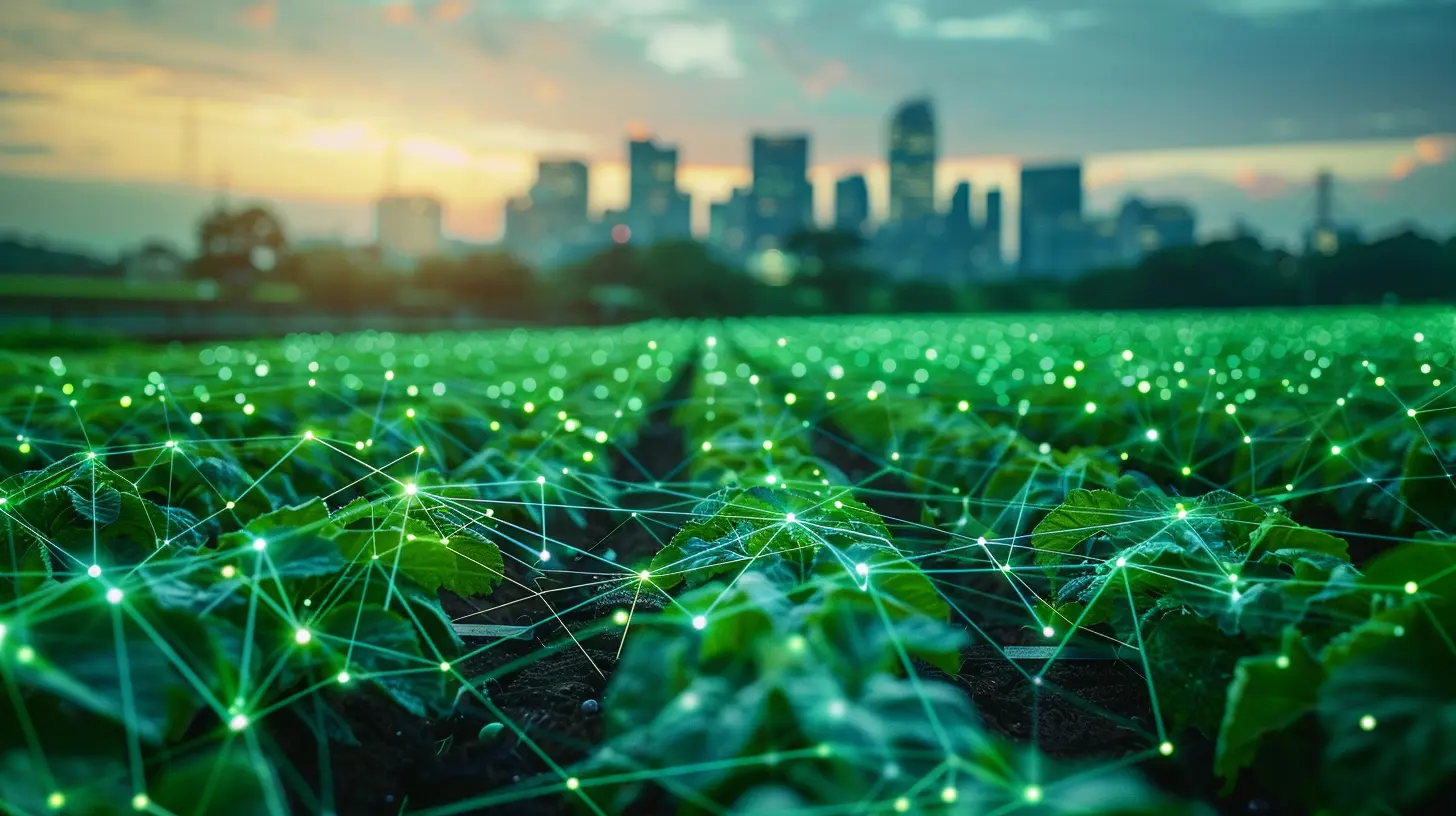
1. Transparency from Mine to Market
Let’s start with the big one — transparency.One of the biggest challenges in creating sustainable tech products is tracing the origin of materials. Remember that cobalt in your phone battery? It might’ve come from a responsible mine — or from unsafe, exploitative conditions.
With blockchain, you can trace every step of a material’s journey.
Each time a raw material changes hands — from mine to transport to smelter to factory — a new block gets added to the chain. By the time your phone leaves the factory, there’s a digital, tamper-proof trail showing exactly where everything came from.
Now consumers and manufacturers can make choices based on real, verified data instead of vague claims or greenwashing.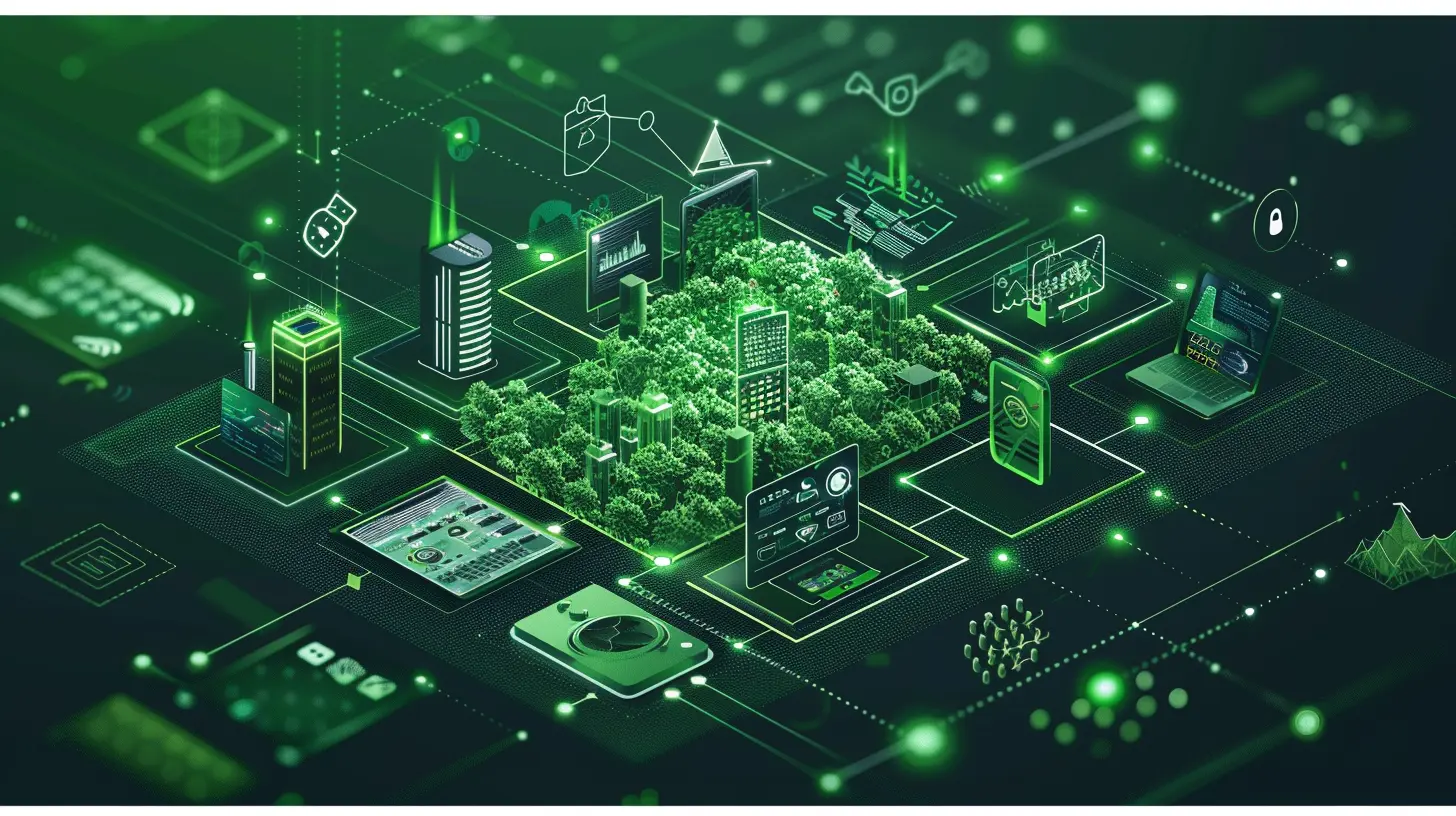
2. Fighting Greenwashing with Real Proof
Speaking of greenwashing… it’s a huge problem.Tech companies love to slap labels like “eco-friendly” or “sustainably made” on their products. But how often are those claims backed up by hard data? 🤷
Blockchain can be a game-changer here. Since it records every step and transaction, companies can’t just say they’re sustainable — they have to prove it. Whether it’s showing that a factory uses renewable energy or that recycled materials were actually used, blockchain provides the receipts.
It’s like turning on the lights in a dark room. Suddenly, everything is visible — and accountable.
3. Cutting Out the Middlemen
Another cool thing about blockchain? It reduces the need for middlemen.Right now, supply chains often rely on intermediaries to verify, authenticate, and pass along documents. That not only slows things down, but it also opens up room for human error (or worse, corruption).
With blockchain, everyone — suppliers, manufacturers, shippers, retailers — can access the same, real-time data. That means fewer delays, less paperwork, and more trust. And when you streamline the process, you use fewer resources. That’s sustainability in action.
4. Better Waste Management
Here’s a wild stat: The tech industry generates over 50 million tons of e-waste per year.That’s insane. And one big reason is poor tracking. Companies often lose sight of what happens to products after they’re sold.
Blockchain can help fix that, too.
By tagging products at the start and tracking them through their entire lifecycle — right up to recycling or reuse — companies can close the loop. They can design products that are easier to disassemble, reuse, or recycle because they actually know what’s in them.
It’s like moving from a throwaway culture to a circular one.
5. Boosting Ethical Labor Practices
It’s not just about the environment — sustainability includes human rights, too.Many tech supply chains have been linked to forced labor, unsafe working conditions, and unfair wages. The problem? These abuses often happen deep in the chain, far from the prying eyes of regulators or consumers.
Blockchain can shine a light on these shady practices.
By requiring ethical certifications to be logged on the chain — and by making compensation and employment data transparent — companies can ensure that everyone in their supply chain is treated fairly.
It’s not a silver bullet, but it’s a powerful tool in the fight for fairness.
6. Real-Time Monitoring and Adaptive Decision-Making
If you’ve ever tried tracking a package online, you know how slow and vague it can be. Now scale that up to global supply chains. Yeah, it’s chaotic.Blockchain enables real-time monitoring. Every time a shipment moves, a sensor installed on the container can log data onto the blockchain. That way, everyone knows exactly where something is — and what's happening to it.
Did a shipment of chips sit too long in the heat? Is a supplier running behind schedule? Blockchain data can help companies react faster and make smarter, more adaptive decisions.
Less spoilage, fewer delays, lower emissions — it all adds up.
7. Encouraging Corporate Responsibility
Let’s be honest — a lot of companies won’t change unless they have to. But blockchain makes it harder to hide shady stuff.Once transparency becomes the norm, companies that lag behind will stand out — and not in a good way. Public, immutable data means bad practices are harder to bury.
That creates positive peer pressure. If one company starts using blockchain to prove its sustainability claims, others will follow. It becomes a race to the top instead of a race to the bottom.
The Roadblocks (Because Nothing’s Perfect…)
Now, this all sounds great, but let’s not pretend it’s all rainbows and unicorns. There are some real challenges here:- Adoption: For blockchain to work, everyone in the supply chain needs to buy in. That’s a big ask.
- Complex integration: Merging old, clunky systems with new blockchain tech isn’t always easy.
- Energy use: Ironically, some blockchains use a lot of energy. The good news? Newer ones (like Proof-of-Stake models) are way more efficient.
The key takeaway: Blockchain isn’t a magic fix, but it’s a massive upgrade from what we have now.
Use Cases Already Making Waves
This isn’t all just theory — there are companies already putting this into action.- IBM and Walmart are using blockchain to track food supply chains (imagine what it could do for tech parts).
- Everledger tracks diamonds to verify ethical sourcing — the same model can apply to rare metals in electronics.
- HP and Dell are exploring blockchain to monitor e-waste and recycling.
It’s early days, but the momentum is real.
What This Means for You and Me
You might be wondering — “Okay, cool, but how does this affect me?”Here’s the deal: the next time you buy a gadget, you could actually know where it came from. You could scan a QR code and see the entire journey of your device. You’d know if it was made responsibly, if workers were treated fairly, and if the materials were recycled.
That’s power. That’s what informed choices look like.
And if enough of us care, companies will have to care, too.
Final Thoughts
So, is blockchain the holy grail of sustainable tech supply chains? Maybe not. But it’s definitely one of the most promising tools we've got right now.It offers transparency, accountability, and efficiency in ways we’ve never seen before. And in a world where consumers are demanding more ethical and sustainable practices, that’s a big deal.
We’re standing at the edge of a shift — from secretive, linear supply chains to open, circular ecosystems. Blockchain might just be the bridge that gets us there.
And hey, the next time someone tells you blockchain is just about crypto, you can smile and drop some knowledge.
all images in this post were generated using AI tools
Category:
Sustainable TechAuthor:

Kira Sanders
Discussion
rate this article
2 comments
Lysander Phillips
Blockchain: Because 'green' needs a tech upgrade, darling!
March 2, 2026 at 5:20 AM
Kira Sanders
Absolutely! Blockchain can enhance transparency and traceability in supply chains, making sustainability more achievable and efficient.
Lauren Snow
Great insights! Blockchain's transparency can indeed enhance accountability in sustainable supply chains. It would be interesting to explore specific case studies demonstrating successful implementations in tech industries to further illustrate its potential impact. Keep up the good work!
March 1, 2026 at 4:05 AM
Kira Sanders
Thank you! I appreciate your thoughts. Case studies are a great idea, and I'll definitely look into highlighting some successful examples in future discussions.