How Fitness Trackers Are Enhancing Team Sports Performance
18 December 2025
In the world of team sports, every second counts. Whether you're on the basketball court, football field, or soccer pitch, small improvements can make a world of difference. That’s where fitness trackers come into play.
Once considered a personal health gadget, fitness trackers have now become game-changers in team sports. Coaches, trainers, and athletes are using them not just to stay in shape but to optimize performance, prevent injuries, and boost team cohesion.
So, how exactly are fitness trackers enhancing team sports performance? Let’s break it down.

The Role of Fitness Trackers in Team Sports
Fitness trackers do more than just count steps. These smart devices monitor heart rate, track movement, analyze sleep patterns, and even measure exertion levels. When used effectively, they provide valuable data that can help teams assess performance and make informed decisions.1. Tracking Individual and Team Performance
In team sports, keeping tabs on each player’s performance is crucial. Traditional training methods rely on subjective assessments—like how tired a player seems or how hard they appear to be working. Fitness trackers change the game by offering objective, real-time data.- Heart Rate Monitoring: By tracking heart rate during a game or practice, coaches can determine how much effort players are exerting. This helps in balancing workloads and preventing burnout.
- Speed and Distance Tracking: Knowing how fast players are running and how much distance they cover allows coaches to assess endurance levels and adjust training accordingly.
- Fatigue Analysis: Data from trackers can indicate if players are overtraining or need extra recovery time, reducing the risk of injuries and improving overall team stamina.
2. Injury Prevention and Recovery
Injuries can derail a team’s success. Fitness trackers play a huge role in injury prevention by monitoring stress levels, muscle fatigue, and recovery states.- Load Monitoring: If a player’s workload suddenly spikes, they become more prone to injuries. Trackers help identify these spikes early, allowing coaches to modify training intensity.
- Sleep Tracking: Poor sleep means poor performance. Fitness trackers analyze sleep quality, helping athletes understand whether they're getting enough rest for optimal recovery.
- Rehabilitation Tracking: When recovering from an injury, it’s essential to follow a structured recovery plan. Trackers provide real-time feedback, ensuring that injured players aren’t pushing themselves too hard too soon.
3. Enhancing Team Strategy and Game Tactics
Coaches no longer have to rely purely on observation and intuition when making tactical decisions. Fitness trackers provide hard data that can be used to devise smarter game plans.- Player Positioning: GPS-based trackers reveal movement patterns, helping teams analyze positioning and optimize playing styles.
- Substitutions and Rotations: By monitoring player fatigue, teams can make smarter substitutions, ensuring fresh legs at crucial moments.
- Pacing Strategies: Data from trackers can help teams plan pacing—conserving energy early in a game and pushing harder when it matters most.
4. Improving Team Cohesion and Communication
Great teams not only play well but also communicate well. Fitness trackers can enhance team cohesion by keeping everyone on the same page.- Shared Data Insights: When all players have access to the same performance data, it fosters accountability and teamwork. It’s easier to spot weak areas and work together to improve.
- Friendly Competition: Some teams use fitness trackers to gamify training—setting personal bests, rewarding hard work, and pushing each other to be better.
- Coach-to-Athlete Feedback: With real-time data, coaches can provide immediate, specific feedback rather than waiting until after a game or practice.

What Features Make the Best Fitness Trackers for Team Sports?
Not all fitness trackers are built the same. When it comes to team sports, certain features stand out as must-haves.1. Accurate GPS Tracking
For outdoor sports like soccer, football, and rugby, GPS tracking is essential. It helps measure speed, distance covered, and positioning. Some advanced trackers even provide heat maps of where players spend most of their time on the field.2. Heart Rate and Stress Monitoring
A good fitness tracker should continuously monitor heart rate and stress levels, giving insights into exertion, recovery time, and overall health.3. Durability and Comfort
Since sports involve intense movement, fitness trackers need to be comfortable, sweat-resistant, and durable enough to withstand rough play.4. Real-Time Data Sharing
For teams, being able to share data instantly is a game-changer. Look for trackers that sync with apps and allow coaches to view data in real time.5. Long Battery Life
The last thing you want is your tracker dying in the middle of a game. High-quality fitness trackers offer long battery life to last through games and training sessions.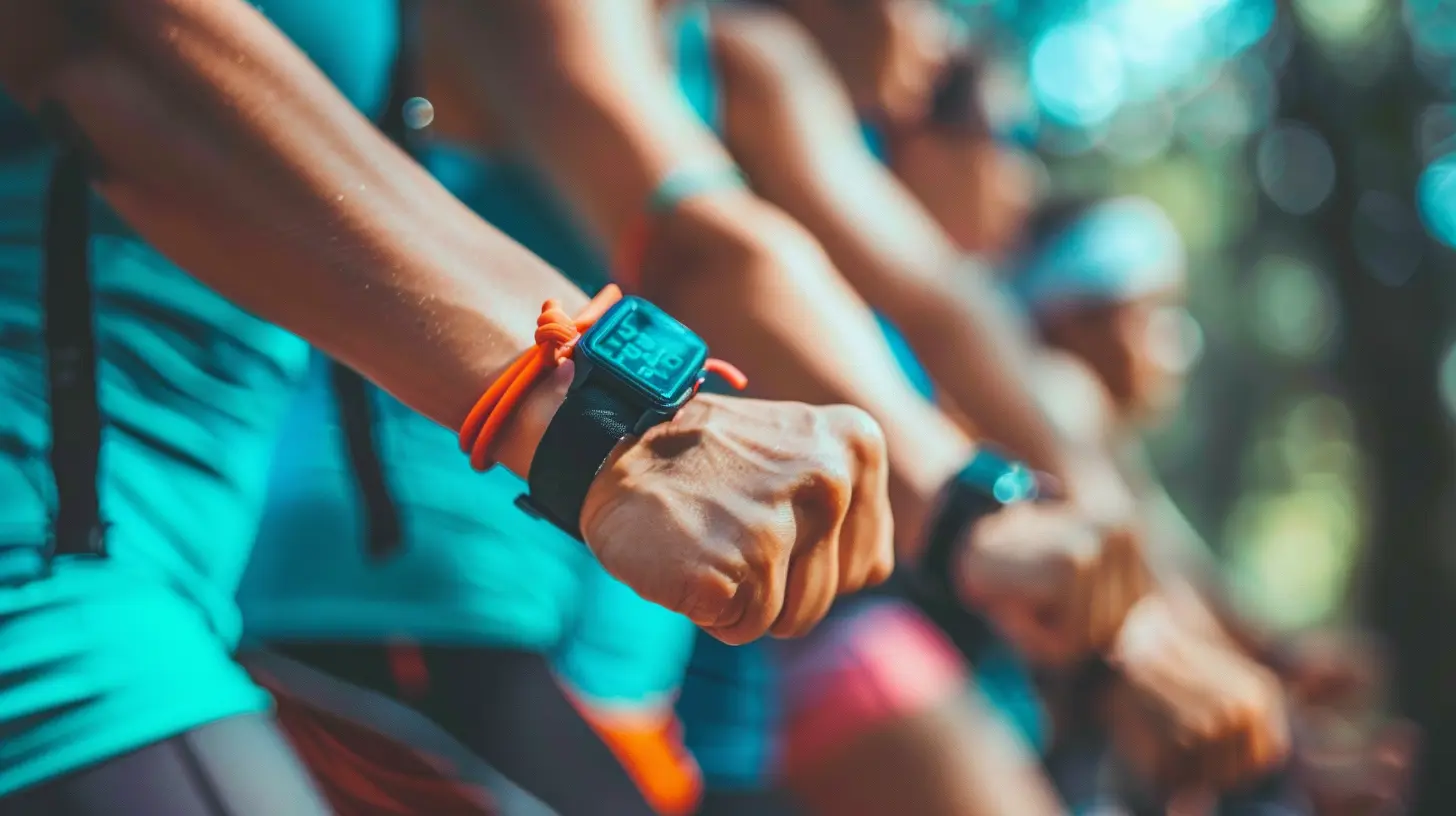
How Teams Are Already Benefiting from Fitness Trackers
Many professional teams have already embraced fitness tracking technology with great success.- NBA Teams: Basketball teams are using fitness trackers to monitor jump height, sprint speed, and workload to adjust training regimes accordingly.
- Soccer Clubs: Leading soccer clubs track player movements to refine strategies, prevent fatigue, and optimize substitutions.
- Rugby and Football Teams: In contact sports, ensuring players aren’t overtrained or at high injury risk is key. Fitness trackers help analyze impact levels and recovery needs.
Even amateur teams and school sports programs are hopping on board, leveraging wearable tech to gain an edge over competitors.

The Future of Fitness Trackers in Team Sports
Fitness tracking technology is evolving rapidly, and the future looks promising. Here’s what we can expect:- AI-Driven Insights: Advanced algorithms will provide even deeper insights, predicting injury risks and suggesting personalized training plans.
- Advanced Biometric Sensors: Newer trackers will measure hydration levels, oxygen saturation, and even stress hormones.
- Smart Wearables Integration: From smart jerseys with built-in sensors to AI-driven coaching assistants, technology will continue to push performance limits.
One thing is clear—fitness trackers are here to stay, and they’re revolutionizing the way teams train, strategize, and perform.
Conclusion
Fitness trackers aren’t just fancy gadgets; they’re powerful tools that are reshaping team sports. From tracking performance to reducing injuries, optimizing strategies, and improving team dynamics, these devices are making a massive impact.Whether you're a pro athlete, a coach, or just passionate about sports, embracing fitness tracking can be a game-changer. As technology continues to evolve, teams that leverage these insights will have a significant advantage over those who don’t.
So, if your team isn't using fitness trackers yet, what are you waiting for? It's time to step up your game!
all images in this post were generated using AI tools
Category:
Fitness TrackersAuthor:

Kira Sanders
Discussion
rate this article
2 comments
Joel Griffin
Great insights, thanks for sharing!
December 28, 2025 at 5:40 AM
Kira Sanders
Thank you! I'm glad you found it valuable!
Blade McGowan
Great insights! It’s fascinating how fitness trackers are revolutionizing team sports. They not only help athletes monitor their performance but also foster a sense of teamwork by sharing data. Can’t wait to see how this tech evolves and enhances our favorite games!
December 19, 2025 at 4:31 AM
Kira Sanders
Thank you! I’m excited to see how these innovations continue to shape teamwork and performance in sports!