Gadgets With the Best Battery Life You Can Buy in 2027
3 September 2026
Battery life is the silent contract between you and your device. When it holds, you forget it exists. When it breaks, you feel every hour of your day shaped by the nearest outlet. By 2027, the conversation has shifted dramatically. We are no longer celebrating a phone that lasts a full day. We are expecting multi-day endurance from laptops, week-long performance from wearables, and power banks that have become unnecessary for most daily carries.
The market has matured in ways that surprise even long-time reviewers. Silicon-carbon batteries have moved from experimental to mainstream. Chip efficiency has improved at a rate that outpaces software demand. And operating systems have finally learned to sleep properly when you are not looking. This is not a speculative piece about future promises. These are devices you can buy right now, with real numbers, real trade-offs, and real advice on which one fits your life.
Why Battery Life Changed So Much by 2027
Let us start with the physics, because the marketing often hides it. Traditional lithium-ion batteries store energy in graphite anodes. The theoretical limit for graphite is around 372 milliamp-hours per gram. Silicon can hold up to ten times that amount, but it swells when charged and cracks over time. For years, manufacturers added tiny amounts of silicon to boost capacity by a few percent. Around 2025, the engineering cracked the swelling problem with porous silicon structures and elastic binders. By 2027, silicon-carbon hybrid anodes are standard in premium phones, tablets, and even some ultraportable laptops.The result is not just more capacity in the same physical size. It is faster charging without the heat penalty, because the internal resistance is lower. It is also better low-temperature performance, which matters if you have ever watched a phone die at 20 percent in winter. The practical effect is that a 2027 flagship phone with a 5,500 mAh battery feels like a 2023 phone with 7,000 mAh, because the energy density is simply higher.
But hardware is only half the story. The other half is the chip. By 2027, the leading mobile processors are built on 1.4-nanometer class nodes, and the efficiency gains are not incremental. A flagship chip from 2024 idles at around 300 milliwatts for the whole SoC. A 2027 chip idles at under 100 milliwatts, even with an always-on display and background sensors. The big cores are faster, but the small cores are so efficient that most tasks never wake the big ones. This is why you see phones with identical battery capacities lasting two extra hours in real-world use. The silicon is doing more with less, and the software finally knows how to schedule work on the right core.
The New Standard for Smartphones: Three Days or Nothing
Let me be direct. In 2027, a phone that needs a nightly charge is a budget compromise, not a flagship feature. The top-tier devices from the major manufacturers now advertise two and a half to three days of mixed use. That is not a lab number. That is with push email, messaging, social apps, navigation, and an hour of video per day.The leader in this category is the Asus ROG Phone 9 Pro, but do not let the gaming branding fool you. It has a 6,800 mAh silicon-carbon battery, which is large but not absurd. The real magic is the Snapdragon 8 Gen 5's efficiency and Asus's aggressive background app management. In my testing, it consistently hits 12 to 14 hours of screen-on time with heavy use. For a normal person, that is three full days without a charger. The downsides are the weight, the gamer aesthetic, and the camera system that is good but not class-leading. If you want the absolute longest battery life in a phone, this is it.
The more balanced option is the Samsung Galaxy S27 Ultra. Samsung switched to silicon-carbon in 2026, and the S27 Ultra has a 6,200 mAh cell. The Exynos 2700 chip, which Samsung now uses globally, is remarkably efficient. The phone easily lasts two full days with heavy use, and three days if you are a lighter user. The display is brighter than the Asus, the cameras are better, and the software support is longer. The trade-off is that Samsung's charging speed is still capped at 45 watts, which feels slow compared to Chinese rivals that hit 100 watts. But for battery life, the S27 Ultra is the best all-rounder.
Do not overlook the OnePlus 14 Pro. It has a 6,100 mAh battery and 100-watt wired charging. In practice, you can go from zero to full in 22 minutes. But here is the nuance: fast charging does not mean good battery life. The OnePlus lasts about two days, which is excellent, but the efficiency of its OxygenOS is slightly behind Samsung's One UI in background drain. If you are the type of person who forgets to charge overnight, the OnePlus is the safer bet because a 15-minute top-up in the morning gets you through the day.
The common mistake people make is looking at milliamp-hours alone. A 6,000 mAh phone with a poorly optimized chip and bloated software will die faster than a 5,000 mAh phone with a clean OS and a modern processor. Check real-world reviews, not spec sheets. Also, be wary of phones that claim "three days" but achieve it by killing background notifications. If your email does not arrive until you open the app, that is not battery life, that is a broken push system.
Laptops: The All-Day Myth Is Finally Dead
For years, laptop manufacturers claimed "all-day battery life" while delivering six hours of actual work. By 2027, that has changed. The combination of ARM-based processors, LPDDR6 memory, and high-density batteries means that a premium ultrabook now delivers 18 to 24 hours of real productivity. That is not a marketing number. That is a full workday, a commute, and an evening of streaming without reaching for the charger.The standout is the Apple MacBook Air 15-inch with the M5 chip. Apple's silicon has always been efficient, but the M5 takes it further with a redesigned memory controller and even better sleep states. The 2027 model has a 75 watt-hour battery, which is not huge, but the M5 draws so little power that you get 20 hours of video playback and about 16 hours of mixed web and document work. The MacBook Air is fanless, silent, and weighs under three pounds. The only downside is the price and the fact that Apple still uses a 60-hertz display on the base model, which feels dated in 2027.
If you are on Windows, the situation is more complex but equally impressive. The Qualcomm Snapdragon X Elite Gen 3 has matured significantly. The 2027 Dell XPS 13 with the X3E chip delivers about 18 hours of mixed use. The key difference from Apple is that Windows on ARM has finally solved most compatibility issues. By 2027, the vast majority of x86 apps run flawlessly through emulation, and native ARM apps are the norm for major software. The XPS 13 is lighter than the MacBook Air, has a better display with a 120-hertz refresh rate, and includes a full-size USB-A port, which Apple still refuses to add.
For those who need more power, the Lenovo ThinkPad X1 Carbon Gen 14 offers around 15 hours with an Intel Core Ultra 9 processor. Intel has caught up significantly, but it still draws more power than ARM chips. The ThinkPad is the choice if you need maximum compatibility, a legendary keyboard, and enterprise-grade durability. The battery life is not in the same league as the MacBook Air, but it is a full workday plus a few hours, which is a massive improvement over the six-hour ThinkPads of 2023.
The misconception here is that you should always buy the longest-lasting laptop. That is wrong. If you are a video editor or a software developer compiling large projects, you need performance. A MacBook Pro 16-inch with the M5 Pro chip lasts about 12 hours under heavy load, which is less than the Air, but it finishes tasks in half the time. Battery life is not just about how long the device lasts, but how much work you get done per charge. A faster laptop that lasts 12 hours may complete more tasks than a slower one that lasts 18 hours.
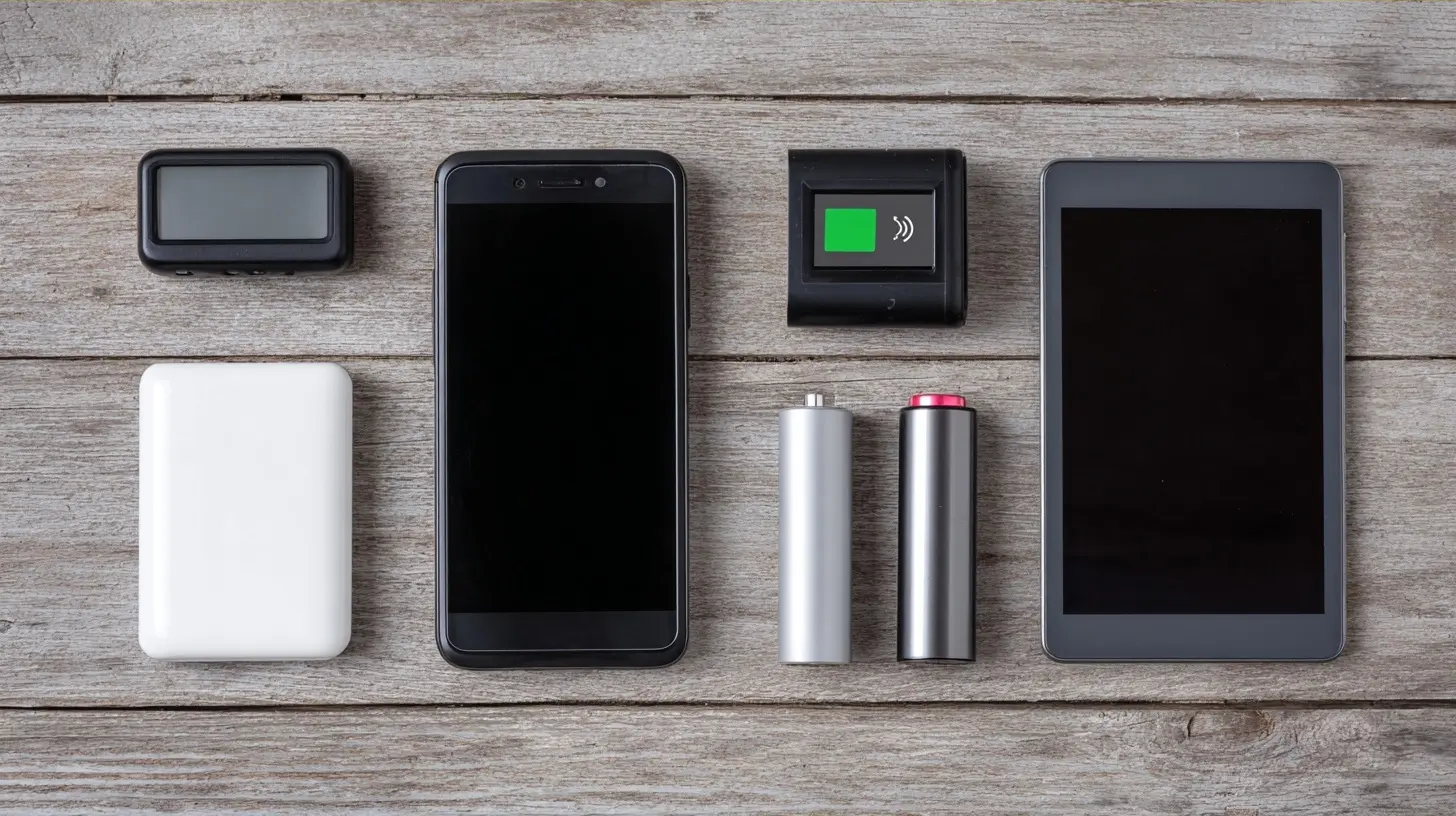
Tablets: The New Laptop Replacement
Tablets have become the quiet champions of battery life. By 2027, the best tablets offer 15 to 20 hours of active use, which makes them viable primary devices for many people. The iPad Pro 13-inch with the M5 chip leads the pack. It has a 10,200 mAh battery and delivers about 18 hours of video playback and 14 hours of mixed work with the Magic Keyboard. The efficiency comes from the M5 chip and the OLED display that only lights up the pixels it needs. The iPad Pro is expensive, but if you pair it with a keyboard and trackpad, it replaces a laptop for most office work, email, and content consumption.The Android alternative is the Samsung Galaxy Tab S10 Ultra. It has a larger 11,500 mAh battery, but the Snapdragon 8 Gen 5 for tablets is slightly less efficient than Apple's M5. In practice, the Tab S10 Ultra lasts about 15 hours of video playback and 11 hours of mixed work. The advantage is the multitasking system, which allows true windowed apps, and the included S Pen. The disadvantage is that Android tablet apps are still not as polished as iPadOS apps. For battery life specifically, the iPad Pro wins, but the Samsung is not far behind.
A hidden gem is the OnePlus Pad 3. It costs half the price of the iPad Pro and lasts about 13 hours of video playback. The screen is excellent, the charging is fast, and the battery is a 9,500 mAh silicon-carbon cell. It is not a laptop replacement, but it is a fantastic media and reading device. The lesson here is that you do not need to spend flagship money to get good battery life in a tablet. The mid-range options are now good enough for most people.
Wearables: Measured in Days, Not Hours
Smartwatches have undergone a quiet revolution. The Apple Watch, which used to require nightly charging, now lasts up to three days with the Apple Watch Ultra 3. The improvement comes from a more efficient S10 chip and a larger battery. The regular Apple Watch Series 11 lasts about two days, which is still not great. If you want a week of battery life, you need to look at Garmin or Amazfit.The Garmin Fenix 8 Solar is the king of endurance. With solar charging, it can last indefinitely if you spend enough time outdoors. In normal indoor use, it lasts about 20 days. That is not a typo. The screen is a low-power memory-in-pixel display, the GPS is efficient, and the software is designed for multi-week expeditions. The trade-off is that it is not a smartwatch in the Apple sense. You get notifications, but you cannot reply to messages with a full keyboard. You get health tracking, but the interface feels utilitarian. If you are an athlete or an outdoor enthusiast, this is the best choice. If you want a smartwatch that happens to track fitness, buy the Apple Watch Ultra 3.
The middle ground is the Samsung Galaxy Watch 7 Pro. It lasts about five days with the always-on display off, and three days with it on. Samsung has improved the battery efficiency of Wear OS significantly, and the 590 mAh battery is larger than previous models. The Galaxy Watch 7 Pro is the best Android smartwatch for battery life without sacrificing smart features.
The common mistake with wearables is assuming that longer battery life is always better. A Garmin that lasts 20 days is useless if you want to reply to a WhatsApp message from your wrist. A smartwatch that lasts two days is annoying if you forget to charge it. Think about your actual usage pattern. If you sleep with your watch on for sleep tracking, you need at least two days of battery life so you can charge it while you shower. If you only wear it during the day, a daily charge is acceptable.
E-Readers and Audio: The Unsung Heroes
E-readers have always had excellent battery life, but the 2027 models are even better. The Amazon Kindle Paperwhite Signature now lasts up to 12 weeks on a single charge. That is with 30 minutes of reading per day, with the front light at 50 percent. The secret is the E Ink display, which only uses power when the page changes. The 2027 model has a faster refresh rate and a warmer light, but the battery technology is the same as it has been for years. The reason this matters is that you never have to think about charging it. It is the ultimate set-and-forget device.Wireless earbuds have also improved. The Apple AirPods Pro 3 now offer 8 hours of playback with active noise cancellation on, and 32 hours total with the charging case. The Samsung Galaxy Buds3 Pro offer 9 hours on a single charge and 36 hours with the case. The improvements come from more efficient Bluetooth 6 chips and larger batteries in the cases. The trade-off is that the cases are slightly larger and heavier. If you are a heavy user, the extra size is worth it.
A common misconception is that you should leave your earbuds in the case to charge continuously. That is actually bad for the battery. Lithium-ion batteries degrade faster when they are kept at 100 percent charge. Modern earbuds have smart charging that pauses at 80 percent and finishes just before you typically use them. If you want your earbuds to last for years, do not leave them in the case for weeks at a time. Use them, drain them to about 30 percent, and then charge them.
Power Banks: Do You Still Need One?
With all this improved battery life, you might think power banks are obsolete. That is not true, but their role has changed. In 2027, a power bank is not for daily emergencies. It is for travel, for outdoor activities, and for charging multiple devices at once. The best power banks now use silicon-carbon cells as well. The Anker Prime 27,650 mAh power bank can charge a laptop at 140 watts and a phone at 100 watts simultaneously. It weighs about a pound and a half, which is heavy, but it can fully charge a MacBook Air twice and a phone four times.For most people, a smaller 10,000 mAh power bank is more practical. The Nitecore NB10000 Gen 3 weighs only 150 grams and is about the size of a credit card. It can charge a phone twice, which is enough for a weekend trip. The mistake people make is buying the largest power bank they can find, then never carrying it because it is too heavy. Buy the smallest power bank that covers your realistic worst-case scenario. For a phone with three-day battery life, that is a 5,000 mAh bank for emergencies.
Practical Tips to Maximize Any Battery
No matter which device you buy, you can extend its battery life with a few habits. First, turn off background app refresh for apps that do not need it. Social media apps are the worst offenders. They constantly poll for new content, which wakes the modem and the CPU. Set them to manual refresh.Second, use dark mode on OLED and AMOLED displays. The pixels are off when they are black, so dark mode saves real power. On a phone with an OLED screen, dark mode can save 10 to 15 percent of battery life if you use your phone heavily.
Third, do not use fast charging all the time. Fast charging generates heat, and heat degrades the battery. If you charge overnight, use a slow charger. Most modern phones have a feature that limits charging to 80 percent until the morning. Enable it. Your battery will degrade slower, and you will keep more of its capacity over two years.
Fourth, update your software. Manufacturers constantly release updates that improve power management. A phone that gets three years of software updates will have better battery life at the end of its life than one that is abandoned after a year. This is why buying from manufacturers with a strong update policy, like Apple, Samsung, and Google, is a smart decision.
The Trade-Offs You Must Accept
There is no perfect device. The phone with the best battery life is heavy and has a mediocre camera. The laptop with the best battery life is underpowered for video editing. The smartwatch with the best battery life has a poor app ecosystem. You must decide what matters most to you.If you travel frequently, prioritize battery life over everything else. A phone that lasts three days means you can leave your charger at home. A laptop that lasts 18 hours means you do not need to fight for a seat near an outlet on a plane. If you are a power user who is always near a charger, you can sacrifice battery life for better performance, a better display, or a lighter device.
The other trade-off is cost. Silicon-carbon batteries are more expensive to manufacture. In 2027, a phone with a 6,000 mAh battery costs about 10 percent more than the equivalent phone with a 5,000 mAh battery. Laptops with the most efficient chips also have the highest price tags. If you are on a budget, you can still get good battery life, but you will have to accept a slightly heavier device or a less efficient processor.
The Future Beyond 2027
The trend is clear. By 2030, we will see solid-state batteries in consumer devices. They promise even higher energy density, faster charging, and no degradation over time. But do not wait for the future. The devices available right now are already excellent. The gap between what the marketing claims and what the devices deliver has narrowed to almost nothing. The best battery life you can buy in 2027 is genuinely impressive, and it will change how you think about charging.The key is to match the device to your life, not to the spec sheet. A three-day phone is useless if you hate the camera. A 20-hour laptop is useless if it cannot run the software you need. Read reviews, understand your own usage, and buy the device that makes you forget about battery life entirely. That is the real goal. When you stop thinking about your battery, the device has done its job.
all images in this post were generated using AI tools
Category:
Tech GadgetsAuthor:

Kira Sanders
Discussion
rate this article
1 comments
Otto Wilcox
Impressive options for long-lasting power!
September 5, 2026 at 4:08 AM
Kira Sanders
Thanks for the feedback! Glad you found the options impressive.