Exploring the Impact of Mobile Edge AI in Everyday Devices
14 December 2025
In today's fast-paced world, most of us have come to rely on our smartphones, smartwatches, and other tech gadgets for just about everything. From checking emails to finding the fastest route to work, these devices have become an integral part of our daily routines. But there's a new player on the scene that's about to take this tech obsession to a whole new level—Mobile Edge AI. Now, I know what you're thinking: "Another buzzword in tech, right?" But hold on a sec—this one might actually change the game.

What Exactly Is Mobile Edge AI?
Before we dive into the impact, let’s break down what Mobile Edge AI is. Essentially, it’s the combination of artificial intelligence (AI) and edge computing, and it’s happening right on the devices we carry around in our pockets. In simpler terms, Mobile Edge AI allows AI tasks (like analyzing data or recognizing images) to be processed directly on your smartphone or smartwatch rather than being sent to a remote server in the cloud.Think of it like this: Imagine you’re at a crowded coffee shop, and instead of waiting for the barista to take your order, you have a mini-barista in your pocket that instantly knows your favorite drink and gets it ready for you. That’s kind of what Mobile Edge AI does—it cuts out the middleman (the cloud) and processes information right where you are.
This shift may seem subtle, but it’s having a profound impact on how we interact with technology. Let’s explore why.
Speed, Speed, and More Speed
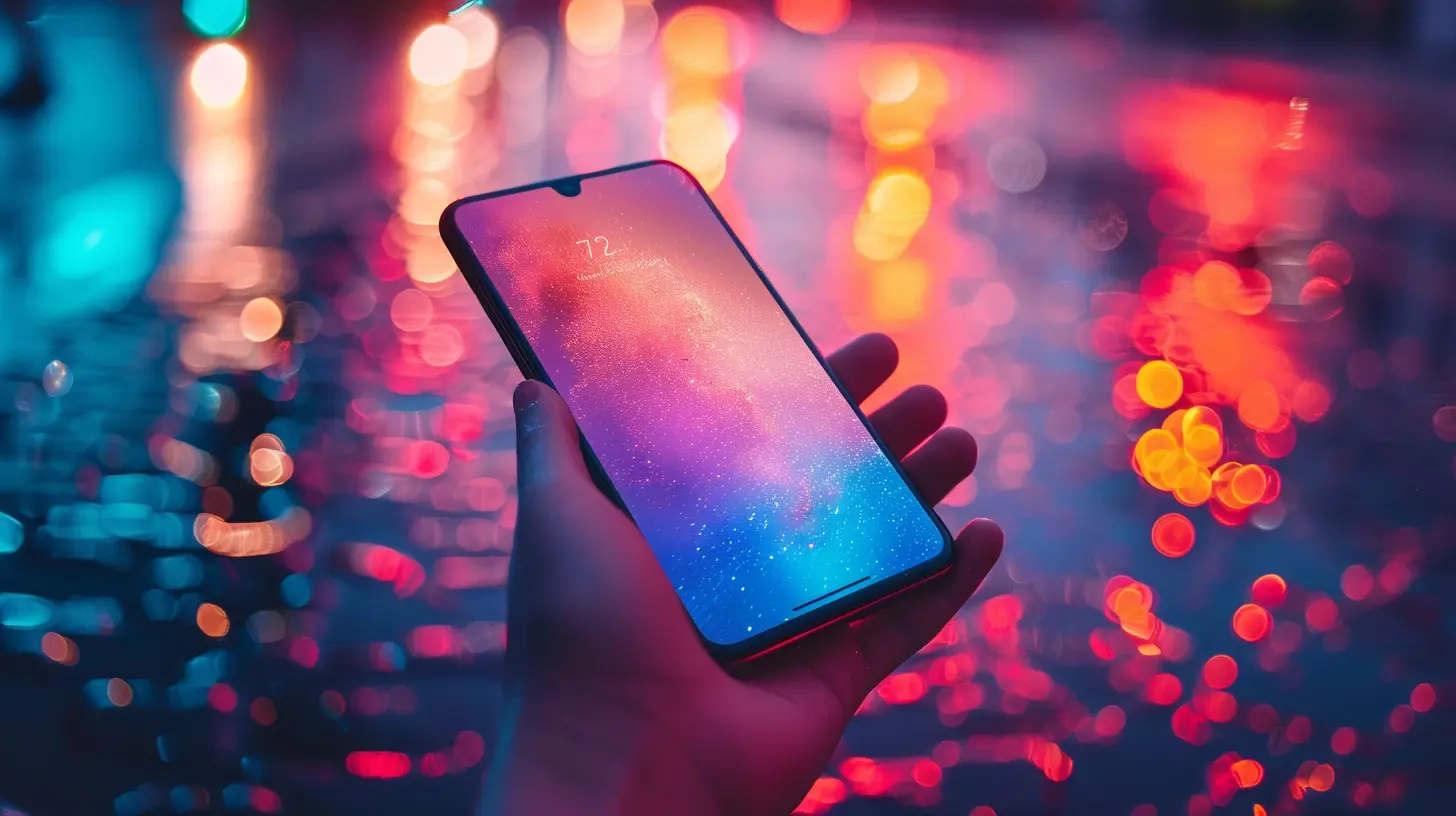
One of the biggest advantages of Mobile Edge AI is speed. You’ve probably noticed that sometimes your phone takes a second or two to load a webpage or respond to a voice command like "Hey, Siri" or "OK, Google." That delay often happens because your device has to communicate with a cloud server to process the request.With Mobile Edge AI, processing happens locally on the device itself, which means less lag and faster responses. Whether you're using facial recognition to unlock your phone, snapping a photo, or asking your virtual assistant for the weather, everything happens much more quickly.
Imagine having a conversation with someone where every time you asked them a question, there was a 2-second pause before they responded. Annoying, right? Now imagine they respond instantly. That’s the difference Mobile Edge AI brings to the table.

Enhanced Privacy and Security
It’s no secret that privacy concerns have become a big issue in the tech world. Every time your data is sent to the cloud, there’s a small chance it could be intercepted or misused. With Mobile Edge AI, this risk is reduced because much of the data processing happens locally on your device.For instance, if you’re using a fitness tracker that monitors your heart rate, that data doesn’t necessarily need to be sent to a remote server for analysis. Instead, the AI on your smartwatch can process it on the spot and give you real-time insights without ever leaving your wrist.
In a world where we’re increasingly worried about who has access to our data, this is a breath of fresh air. Mobile Edge AI puts more control back into the hands of the user—literally.
Lower Latency for Real-Time Applications
Let’s talk about real-time applications. Whether it’s augmented reality (AR) games, video streaming, or autonomous drones, these applications require lightning-fast processing to function smoothly. Any noticeable delay can ruin the experience—or worse, lead to accidents in the case of self-driving vehicles.Mobile Edge AI makes it possible to reduce latency to almost zero. Since data doesn’t have to travel to a cloud server and back, there’s less chance for lag. This means faster decision-making for AI-driven devices like drones, robots, or even smart home systems.
Picture this: You’re playing an AR game on your phone where you need to dodge obstacles in real-time. If the game lags, you’re toast. But with Mobile Edge AI, the game can process your movements quickly and accurately, giving you the edge you need to win. It’s like having a superpower for your devices!
Energy Efficiency
You know how your phone sometimes heats up or drains battery life when you're using it for heavy tasks, like gaming or video editing? That’s because sending data back and forth to the cloud takes a lot of energy.Mobile Edge AI helps reduce this energy drain. By processing tasks locally on the device, it’s more energy-efficient. This means your phone won’t have to work as hard, and you’ll get more battery life out of it.
Imagine trying to run a marathon while carrying a heavy backpack. You'd tire out pretty quickly, right? Now, imagine running the same marathon with just a water bottle in hand. Much easier, and you'll probably last longer. That’s what Mobile Edge AI does for your devices—it lightens the load.
Smarter Devices That Learn On the Go
One of the coolest things about Mobile Edge AI is that it allows your devices to learn and adapt over time, making them smarter in the process.Let’s say you’ve got a smart thermostat at home. With Mobile Edge AI, it can learn your habits and adjust the temperature based on your preferences without needing to send data to the cloud. Over time, it gets smarter at predicting what temperature you like at different times of the day, helping you save energy and stay comfortable.
The same goes for your smartphone. It can learn which apps you use most frequently and optimize performance accordingly, making the whole experience smoother and more intuitive.
It’s like having a personal assistant that doesn’t just follow instructions—it actually gets to know you and anticipates your needs. Now, who wouldn’t want that?
Revolutionizing Healthcare with Edge AI
Mobile Edge AI isn’t just about making your phone or smartwatch faster—it’s also making a huge impact in the healthcare industry. Wearable devices, like fitness trackers and medical monitoring gadgets, are using Mobile Edge AI to track vital signs, detect irregularities, and even predict potential health issues in real-time.For example, a smartwatch with Mobile Edge AI can monitor your heart rate and detect any abnormalities, like atrial fibrillation, without the need to send data to a cloud server. It can then alert you to seek medical attention immediately, potentially saving lives.
In a way, it’s like having a mini doctor strapped to your wrist, constantly keeping an eye on your health. And since the data stays on the device, your personal health information remains more secure.
Edge AI in Autonomous Vehicles
Let’s shift gears (pun intended) and talk about autonomous vehicles. You’ve probably heard a lot about self-driving cars and how they rely on AI to navigate the road. But here’s the thing: Autonomous vehicles need to make split-second decisions, and relying solely on cloud-based AI can sometimes be too slow.That’s where Mobile Edge AI comes in. By processing data locally, autonomous cars can analyze the environment, detect obstacles, and make critical decisions in real-time. This can significantly reduce the chances of accidents and improve the overall safety of self-driving technology.
It’s like having a co-pilot that doesn’t need to check in with ground control every time it makes a move—it just knows what to do and does it immediately.
The Future of Mobile Edge AI
So, where are we headed with all of this? Mobile Edge AI is still in its early stages, but the potential is enormous. As 5G networks roll out and devices become even more powerful, we’ll likely see more applications of Mobile Edge AI in every area of our lives.From smart homes that anticipate our needs to wearables that monitor our health in real-time, the possibilities are endless. And the best part? All of this is happening right at the edge—on the devices we use every day.
In the near future, we might not even need to think about the cloud at all. Mobile Edge AI could make our devices so smart and responsive that they’ll feel like an extension of ourselves, seamlessly integrating into our daily lives without us even noticing.
Conclusion
Mobile Edge AI is set to revolutionize the way we interact with technology. It’s not just about making things faster—it’s about making them smarter, more secure, and more efficient. Whether it’s enhancing privacy, reducing latency, or giving us smarter devices that learn on the go, Mobile Edge AI is the future of tech.So, the next time you ask your phone for directions or check your smartwatch for your heart rate, just remember: The real magic might be happening right there on the edge.
all images in this post were generated using AI tools
Category:
Mobile TechnologyAuthor:

Kira Sanders
Discussion
rate this article
2 comments
Runehart Jackson
Mobile Edge AI is reshaping our interaction with technology, but what unseen consequences might emerge as our devices become increasingly intelligent and autonomous?
December 14, 2025 at 10:04 PM
Kira Sanders
That's a crucial question. As devices get smarter, we might face issues like privacy risks, reliance on technology, and potential job displacement. It's essential to navigate these challenges carefully.
Felicity Ward
Great insights! Mobile Edge AI truly revolutionizes everyday device functionality and efficiency.
December 14, 2025 at 4:00 AM
Kira Sanders
Thank you! I’m glad you found the insights valuable. Mobile Edge AI indeed enhances our devices in transformative ways!