Energy Harvesting: How Gadgets Can Power Themselves from the Environment
2 June 2026
Let’s face it — we're addicted to power. Not the world-domination kind, but the kind that keeps our phones buzzing, our fitness trackers tracking, and our smartwatches reminding us to breathe every five minutes. But all this tech love comes with a price: batteries. They run out, they wear out, and frankly, they’re a hassle.
But what if gadgets could sip energy from the world around them — sunlight, motion, heat, even radio waves — and keep going without ever needing to plug in? That’s not some futuristic fantasy. It’s very real, and it’s called energy harvesting.
In this post, we're diving deep (but not boring-deep) into how our gadgets are starting to power themselves from the environment around us. Buckle up — it’s about to get electric (literally).
What is Energy Harvesting Anyway?
Energy harvesting is exactly what it sounds like — grabbing small amounts of energy from sources that are already around us. It’s like your gadget is foraging for power in the wild.This isn't about replacing your house with a wind turbine (although cool idea). It's about capturing ambient energy, like:
- Solar light (Yep, good ol’ sunshine)
- Kinetic energy (aka movement)
- Thermal gradients (heat changes)
- Radio frequency (RF) signals (think Wi-Fi, TV, cell signals)
- Vibrations (from machines, structures, or even your steps)
We’re living in a buffet of energy sources — we just haven’t been eating from it. Until now. ?
Why Energy Harvesting Matters Now More Than Ever
Let’s put the elephant in the room on the table (weird visual, but stick with me): the battery problem.Take your smartphone. It’s loaded with sensors, processors, cameras — all power-hungry. And while our gadgets have gotten smarter, our batteries… not so much. They’re like that one friend who always forgets their charger.
Plus, traditional charging isn’t always an option. Imagine:
- Remote IoT sensors in the Arctic ? power outlet.
- Wearables on your wrist 24/7 — who wants to take them off to charge?
- Implanted medical devices (yeah, can’t plug those in…)
Energy harvesting steps in like a superhero with a utility belt full of power sources.
Types of Energy Harvesting: Let’s Break it Down
1. Solar Energy Harvesting ?
This one’s the golden child of the energy harvesting family. We’ve seen solar panels forever, but now, they’re showing up in smaller, smarter places.Think: smartwatches with tiny solar cells built into the face or window sensors that sip sunlight during the day and stay powered all night.
Solar's a no-brainer when there's light. But... what about the dark?
2. Kinetic Energy Harvesting ?
Your Fitbit could literally be feeding off your dance moves. Kinetic energy harvesting converts motion into electricity. Walking, typing, shaking — if it moves, it can give energy.Some examples:
- Smart shoes that charge your phone while you walk
- Wearables that turn your arm swing into power
- Self-winding watches that don't need batteries — just your daily hustle
It’s motion. It’s power. It’s pretty genius.
3. Thermal Energy Harvesting ?❄️
This one uses temperature differences — like the heat of your body compared to the cool air — to create electricity. Think of it like a power plant, but make it tiny and wearable.In fact, there are fitness bands and medical patches that juice up from just sitting against your skin. Cozy and efficient.
4. RF (Radio Frequency) Energy Harvesting ?
This one’s a bit like Wi-Fi leeching — but in a good way. RF energy harvesting taps into the radio waves flying around us constantly — from Wi-Fi, Bluetooth, phone towers — and turns them into power.RF is the dark horse. It's low power, but perfect for low-energy sensors. Think doorbells, remote weather detectors, and even some wireless earbuds.
5. Piezoelectric Energy Harvesting ?
Here’s where it gets a bit science-y. Piezoelectric materials generate electric charge when they’re squeezed, bumped, or vibrated.Imagine floors that light up when you walk on them (yep, that’s a thing). Or gadgets that feed off your heartbeat or even your voice vibrations.
Creepy? Maybe. Cool? Definitely.
Real-World Uses: From Science Fiction to Your Living Room
Let’s bring it all down to earth. These aren’t lab experiments. Devices using energy harvesting are already here — and some are probably on your wrist or in your smart home.Wearables That Won’t Quit
Fitness bands, smartwatches, and health monitors are getting clever with how they get power. Some combine multiple energy sources — solar when you’re out, body heat when you’re in.That means longer battery life, fewer charges, and more data (because who doesn’t want to track their stress levels while asleep, right?).
Indoor Sensors That Go Forever
The Internet of Things (IoT) is everywhere — thermostats, light sensors, air quality monitors. But changing batteries for all those things? Nightmare.Energy harvesting lets these little guys stay alive on their own — pulling energy from light, motion, or heat to run indefinitely. Like little digital hobbits, quiet and self-reliant.
Medical Devices That Don’t Need Batteries
Now we’re talking life-changing stuff. Imagine a pacemaker that powers itself from the movement of your heart. No recharging. No replacing.This is where energy harvesting goes from cool to critical.
Perks That Make It a No-Brainer
So why is everyone excited about energy harvesting? Let’s count the ways:- ? Less Battery Drama: No more dead gadgets at the worst moment.
- ♻️ Eco-Friendly: Fewer disposable batteries = less waste.
- ? Maintenance-Free: Devices can operate for years without human help.
- ? Off-Grid Ready: Perfect for remote or mobile tech — think smart agriculture or wilderness monitoring.
- ? Scalable: Add more smart devices without worrying about wiring or power.
The benefits are pretty hard to ignore, right?
The Challenges: It Ain’t All Sunshine and Motion
Alright, it’s not all sunshine and roses (even for solar).Here’s the catch:
- Energy sources are often intermittent — no sun, no solar power.
- It provides tiny amounts of energy — great for sensors, not laptops (yet).
- Needs efficient storage — you need a good battery or capacitor to store what’s harvested.
- Can be costly (initially) — the tech’s still catching up, but prices are dropping.
But hey, every superhero has their kryptonite.
What’s Coming Next: The Future is (Self) Powered
Energy harvesting is still growing up, but its potential is ridiculously huge. Here’s what we might see next:1. Smart Cities Powering Themselves
Imagine streetlights harvesting vibrations from traffic or temperature changes. Smart bins powering themselves. Even buildings that “breathe in” energy from their surroundings.Cities that live and breathe energy? That’s not sci-fi — that’s where we’re headed.
2. Self-Powering Smartphones (Eventually)
No more charging every night? It’s coming. Hybrid phones that use solar, movement, and RF signals could reduce how often we plug in.You might still need a charger… but maybe once a week instead of every day. (Fingers crossed.)
3. Health Tech That Never Sleeps
Implants and wearables that never need a recharge. Continuous health monitoring without ever plugging in. That’s the future of preventative medicine — powered by you.Quick Recap Before You Go (or Power Down)
Energy harvesting isn’t just a buzzword — it’s the future of how our tech lives. By pulling power from the environment, we’re opening doors to smarter, longer-lasting, and more environmentally friendly gadgets.Here's what to remember:
- ? Power is all around us — we’re finally harnessing it.
- ? Less need for batteries = happier planet & fewer headaches.
- ? The tech is already here — and it’s getting better by the day.
- ? Our cities, homes, and bodies are becoming power sources themselves.
Think of energy harvesting as the ultimate tech survival trick: gadgets that don’t just survive in the wild, they thrive.
So next time your smartwatch tells you it’s 10% charged, just give it a little sunshine, take it for a jog, or maybe speak a few motivational words. You never know — it might be listening… and charging.
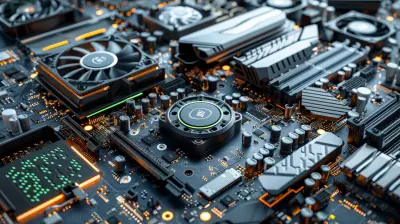
all images in this post were generated using AI tools
Category:
Sustainable TechAuthor:

Kira Sanders
Discussion
rate this article
2 comments
Phoenix McConnell
Imagine a future where your devices recharge without a plug, drawing energy from the air around them. Energy harvesting blurs the line between nature and technology, hinting at a world where our gadgets not only serve us but also thrive independently...
July 22, 2026 at 2:46 AM
Kira Sanders
It's an exciting vision! The potential of energy harvesting could really change how we interact with technology and nature. Imagine the possibilities!
Farrah White
What a fun read! Imagine gadgets that draw energy from their surroundings. The future of tech is bright and eco-friendly. Keep it coming!
June 2, 2026 at 12:09 PM
Kira Sanders
Thanks for the kind words! The future is definitely exciting with energy harvesting. Glad you enjoyed it!