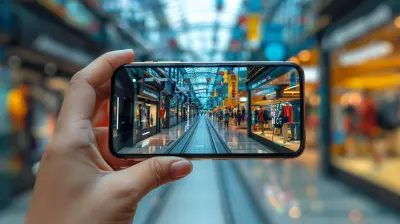
How Touchscreen Devices Are Shaping the World of E-Commerce
25 May 2026
Let’s face it — touchscreen devices are everywhere! From the moment we roll out of bed and check our phones to when we scroll through late-night shopping deals on our tablets, these glassy gadgets have become extensions of our hands. But here's the real kicker: they’re not just making life easier; they're completely transforming how we shop online.
Yep, the world of e-commerce is getting a major glow-up, and touchscreen tech is the star of the show.

Swipe, Tap, Buy: A New Era of Shopping
Remember the days of booting up a chunky desktop, waiting for the dial-up tone to fade, and then cautiously typing in a web address? Those days are long gone. We now live in a world where shopping is as simple as swiping right or tapping “buy now.”Touchscreen devices — smartphones, tablets, even touchscreen laptops — have streamlined the shopping process. With the rise of mobile-friendly websites and slick, intuitive apps, consumers can literally shop from the palm of their hand. And guess what? That’s exactly what we’re doing.
The Rise of Mobile Commerce (M-Commerce)
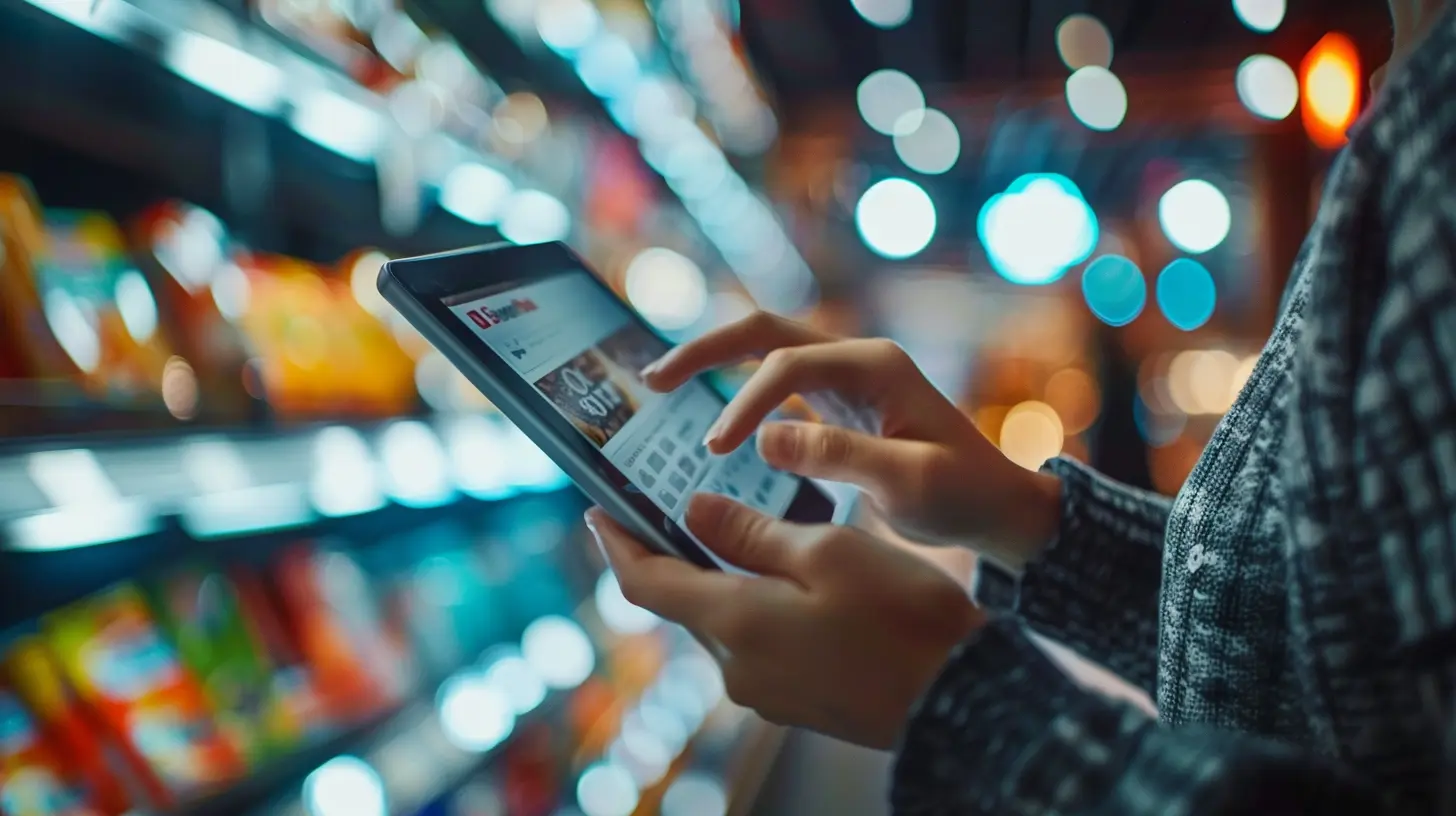
Let’s nerd out for a second — mobile commerce (often called m-commerce) is just e-commerce done through mobile devices. Pretty straightforward, right? But here’s what's wild: mobile is taking over. Studies show that a massive chunk of online traffic now comes from mobile devices. And it's not just people browsing — they're buying too.So, why is this happening? Well, touchscreen devices are ridiculously convenient. Whether you’re stuck in traffic (hopefully not driving!), chilling on the couch, or even in a boring meeting (we won’t tell), you can browse and buy almost anything online without needing a full-blown computer.
Touchscreens make that possible. They’re fast, responsive, and intuitive. And let’s be honest — who doesn’t love a good ol’ tap-to-pay moment?

How Touchscreens Improve the User Experience
Alright, let’s get into the juicy stuff. Touchscreen devices aren’t just popular because they’re portable. They actually provide a better user experience (UX), and in the competitive world of e-commerce, UX is king.1. Intuitive Interactions
Tapping, swiping, pinching to zoom — touchscreens work how our brains expect them to. There’s no need to fiddle with a mouse or keyboard. Want a closer look at those killer sneakers? Pinch and zoom. Need to quickly scroll through reviews? Swipe, swipe, swipe.This natural interaction helps users navigate online stores more easily. And the easier it is, the more likely it is that they’ll stick around — and buy.
2. Faster Checkout with Mobile Payments
Ever fumbled with credit card numbers and shipping info on a desktop? Yikes. On touchscreen devices, it's way simpler. Thanks to integrated payment options like Apple Pay, Google Pay, and even fingerprint or face recognition, checkout can take a mere few seconds.And you know what that means? Fewer cart abandonments and more completed purchases.
3. Personalized Shopping Experiences
Touchscreen devices gather lots of data (ethically, of course!) that helps e-commerce platforms offer personalized experiences. Think curated product recommendations, location-based deals, and notifications tailored just for you.Touchscreen tech makes personalization smoother — you’re not just a shopper, you’re a VIP guest in a digital boutique.
The Role of Apps in Touchscreen Commerce
E-commerce apps are the secret sauce behind mobile shopping. Sure, you can shop through your browser, but apps offer a more controlled and optimized experience. Touch-friendly interfaces, push notifications, offline capabilities — apps are like digital storefronts that live in your pocket.And thanks to touchscreen tech, they’re more interactive than ever.
Real World Examples
- Amazon: The app is a touchscreen marvel. It’s fast, easy to use, and has “1-Click” purchases that make buying almost too easy (my wallet definitely agrees).- Etsy: Swiping through handmade goods feels like browsing a real-life market.
- Zara: Their app allows you to zoom into fabric textures like you’re physically touching the item.
All these brands understand one thing: the touchscreen experience is no longer optional — it’s essential.
Designing for Touch: What E-Commerce Businesses Need to Know
Let’s flip the script for a moment. If you’re on the e-commerce side of things — maybe you run a store or handle digital marketing — here’s what you need to keep in mind: touchscreen-friendly design isn’t just a bonus. It’s a must-have.Mobile-First Design
This is the golden rule now. Start designing for mobile devices first, then scale up to desktops. Why? Because most of your traffic is coming from phones and tablets.Your site and app should:
- Load quickly
- Have large, tappable buttons
- Use simple navigation
- Avoid pop-ups that are hard to close on a small screen
Gestures Matter
Touchscreen users expect certain gestures — swiping to browse, pinching to zoom, tapping to add things to a cart. If your platform doesn’t support these naturally, users may bounce faster than a rubber ball on a trampoline.Visual Feedback
This one’s often overlooked. When someone taps a button, they expect something to happen — a color change, a little animation, or an updated screen. These visual cues help users feel in control, and that’s crucial for conversions.
The Future: Touchscreens and Emerging Tech in E-Commerce
Okay, buckle up — the ride’s about to get futuristic.Touchscreens have already changed the game, but when you combine them with tech like augmented reality (AR), artificial intelligence (AI), and voice search, things get crazy cool.
Augmented Reality (AR)
Imagine pointing your phone at your living room and seeing a couch from an online store magically appear in your space. That’s AR, and it works seamlessly with touchscreen devices. You can tap to rotate, zoom, and reposition — like you’re moving actual items around.Retailers like IKEA and Sephora are jumping on this trend. It’s making “try before you buy” a digital reality.
AI-Powered Recommendations
AI loves data, and our touchscreen devices supply plenty of it. That means smarter recommendations, better customer service chatbots, and even virtual stylists. All this goodness is wrapped up in a smooth, touch-based interface.Voice Shopping
“Hey Google, order my usual shampoo.” Voice shopping is slowly picking up steam, especially when paired with touchscreen confirmations. It’s like speaking to your personal shopper — who also happens to live on your phone.Impact on Consumer Behavior
Touchscreens aren’t just changing how we shop — they’re changing why and when we shop. Let’s break that down.Impulse Buying is at an All-Time High
When shopping is this easy, resisting temptation gets tough. A few taps and boom — it’s yours. That instant gratification has led to a spike in impulse purchases, especially during late-night scrolling or while binge-watching Netflix.Expectation of Speed and Simplicity
Consumers now expect every digital shopping experience to be quick, easy, and mobile-friendly. If it’s not? See ya! They’ll hop over to a competitor with a better touchscreen experience.Social Commerce is Rising
Platforms like Instagram and TikTok are turning into digital malls. Thanks to touchscreen tech, users can tap on a product in a post and purchase it in seconds. The line between “browsing for fun” and “shopping for real” is getting blurrier by the day.
Challenges to Overcome
Let’s not pretend everything is sunshine and rainbows. While touchscreen devices are pushing e-commerce to new heights, there are a few bumps along the road.Security Concerns
Mobile shopping means users are storing payment info on their devices. If not handled properly, this can open doors to fraud or data theft. That’s why strong encryption, two-factor authentication, and secure payment gateways are critical.Screen Size Limitations
Small screens mean limited real estate. E-commerce platforms must strike a fine balance between info and simplicity — cluttered interfaces are a big turn-off.Battery Drain and Data Usage
Apps and websites stuffed with auto-play videos, high-res images, or complex animations can eat up your battery and data plan. Not a good look when you're halfway through your online spree.Final Thoughts: The Glass Screen Revolution
It’s safe to say that touchscreen devices have completely reshaped the e-commerce landscape. They’ve made shopping feel personal, interactive, and instant. From the palm of our hands, we can now browse shelves, try on outfits, furnish homes, and buy groceries — all while waiting for our coffee.For consumers, it means more convenience and better experiences. For businesses, it means stepping up their game to meet those expectations. One thing’s for sure: the touchscreen revolution isn’t slowing down anytime soon.
So, next time you're mindlessly scrolling through your favorite store and end up buying a quirky mug or a new pair of headphones — thank your touchscreen.
Or maybe curse it. Either way, it’s changing the game.
all images in this post were generated using AI tools
Category:
Touchscreen DevicesAuthor:

Kira Sanders
Discussion
rate this article
2 comments
Heidi Gray
Touchscreen devices are transforming e-commerce in exciting ways. Can't wait to see what's next!
July 7, 2026 at 10:35 AM
Kira Sanders
Absolutely! The innovations in touchscreen technology are making online shopping more engaging and user-friendly. Exciting times ahead!
Sarina Gray
This article highlights an exciting shift in e-commerce. Touchscreen devices are making shopping more intuitive and accessible. It's inspiring to see how technology continues to enhance our experiences and connect us in new ways.
June 5, 2026 at 3:51 AM
Kira Sanders
Thanks for your thoughts! I agree, touchscreen technology is truly transforming the shopping experience in amazing ways. It's exciting to see where this will lead us next.