Eco-Friendly 5G: How the Next Generation of Connectivity is Going Green
14 June 2026
The age of 5G is here, and it's not just about lightning-fast downloads or seamless streaming. There's a quiet revolution happening behind the scenes—one that’s setting the stage for a greener, more sustainable future. You’ve probably heard about how 5G is going to change everything from smart homes to autonomous cars. But did you know it could also be a game-changer for the environment?
Let’s break this down. The next-gen wireless technology promises more than just speed. It’s also aiming to cut down on energy use, reduce carbon footprints, and support clean tech innovations in ways we've never seen before. This isn’t just another tech upgrade—it’s a turning point.
So grab a cup of coffee (or your eco-friendly herbal tea), and let’s dive into how 5G is going green, and why that actually matters for all of us.
What Makes 5G Different from Previous Generations?
Let’s start by understanding how 5G stands apart from its predecessors.Remember how 3G was all about mobile internet kicking off, and then 4G made streaming and video calls a breeze? Well, 5G ramps things up tenfold. It offers greater bandwidth, ultra-low latency (we’re talking milliseconds), and the ability to connect millions of devices per square kilometer.
Here’s what’s cool though: despite all this power, 5G is designed to be way more efficient than 4G, both in performance and energy use. Sounds paradoxical, right? Faster and more eco-friendly? But it’s totally possible—and here’s how.
Power Efficiency: Doing More with Less
One of the biggest misconceptions about advanced tech is that more power means more energy drain. But 5G flips that idea on its head.Smarter Hardware
5G networks use equipment that’s been engineered for efficiency. From chips that manage power smarter, to base stations that go into “sleep mode” during off-peak hours, everything is being optimized. Think of it like switching from a gas-guzzling SUV to a sleek electric car.Dynamic Spectrum Sharing (DSS)
This fancy term basically means 5G can share infrastructure with older networks. Instead of building massive new towers and gobbling up land and resources, operators can upgrade existing systems. Less waste, less energy, fewer emissions. It’s like renovating your kitchen instead of building a new house.
Smaller, Smarter Cell Towers
We’ve all seen those huge cell towers looming over highways. But 5G is embracing a new approach—small cells.What are small cells?
Small cells are compact, low-powered base stations that can be mounted practically anywhere—light poles, building walls, even bus stops. They handle local traffic and offload network congestion, which translates into more efficient data delivery.Because they only cover small areas, they use way less energy than traditional towers. Plus, since they're so flexible, they can be powered by solar panels or other renewable energy sources. That’s a win-win if you're tracking network performance and carbon footprints.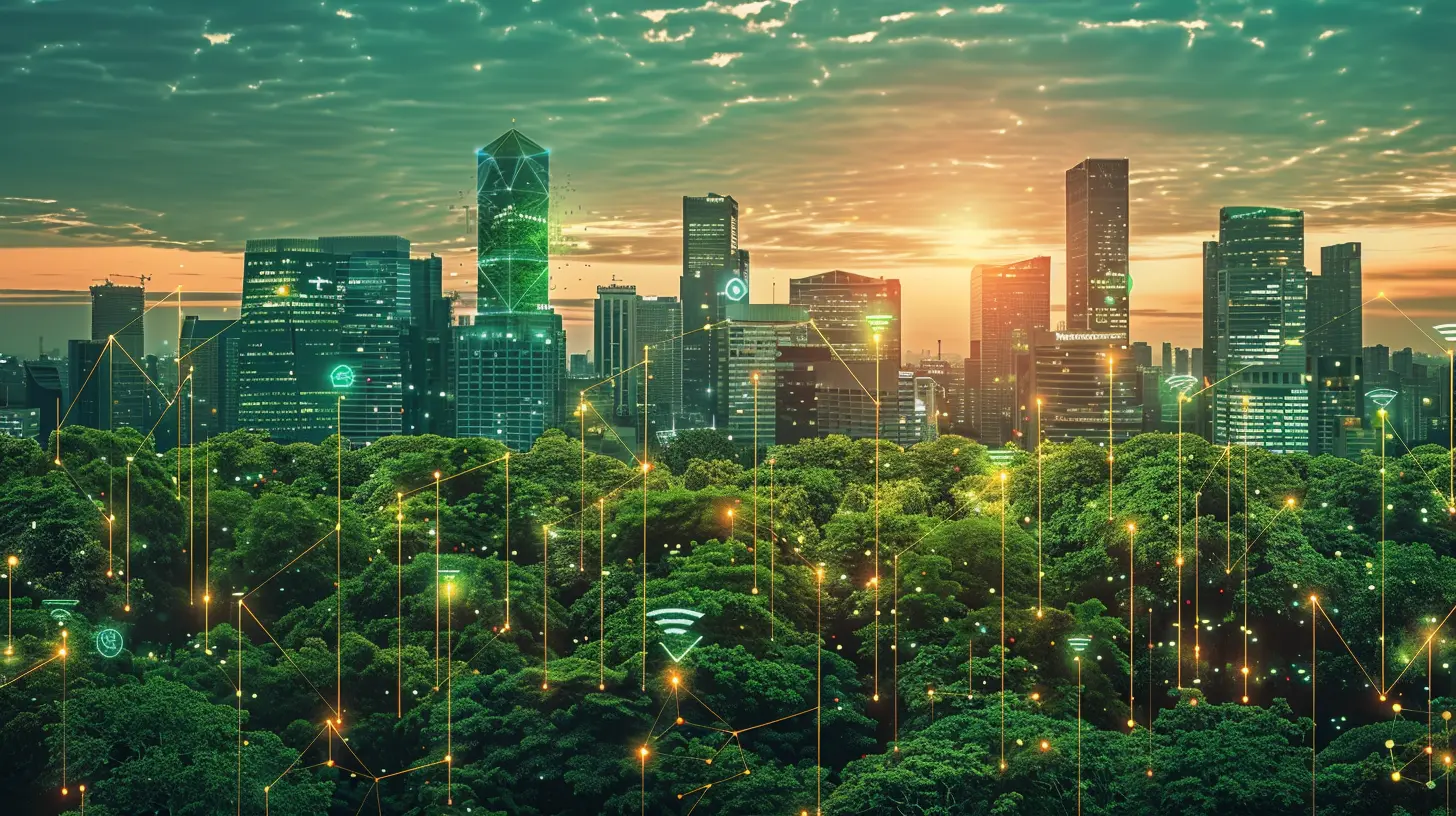
Supporting Renewable Energy Grids
Here’s where it gets really interesting. 5G isn’t just conserving energy; it’s helping manage it.Smart Grids Get Smarter
With ultra-fast, real-time communication, 5G helps energy providers monitor and manage the flow of electricity more efficiently. Smart grids can identify surges, reroute energy, and even predict demand. That means more stable energy systems that rely heavily on renewables like wind and solar.In short: 5G is like the brain that helps solar and wind farms talk to each other and keep the lights on—even when the clouds roll in.
IoT + 5G = More Sustainable Living
Internet of Things (IoT) is that buzzword you’ve seen everywhere. But when you pair IoT with 5G? Magic happens.Smart Homes, Smarter Choices
Think about your home thermostat. Now imagine it’s connected to every device in your house and can adjust energy use based on your habits. That’s already happening. 5G makes this kind of seamless, real-time interaction possible for millions of devices, encouraging better energy management for individuals and businesses.Lower bills. Less waste. Happier planet.
Smarter Agriculture
Even farming is getting an eco-upgrade. With 5G-connected sensors, farmers can monitor soil moisture, optimize irrigation, and reduce chemical usage. That’s not just good for the environment, it’s good for your plate, too.Reduced Carbon Footprint by Design
Let’s talk carbon emissions. Telecom networks are notorious energy hogs. But 5G is designed to do more with fewer resources.More Bits per Kilowatt Hour
5G networks can transmit way more data per unit of energy than 4G. Some estimates suggest up to 90% more energy efficiency per gigabyte. That’s a pretty massive jump.Hardware Lifecycle Management
Another big shift is the move toward modular, upgradable hardware. Instead of tossing out base stations every few years, parts can be swapped or updated. Less e-waste = less environmental damage.Transforming Urban Life with Smart Cities
Big cities are going to be the biggest beneficiaries of green 5G.Traffic and Transportation
With real-time traffic monitoring and responsive signals, 5G can help reduce congestion and idling. That means lower CO₂ emissions from vehicles. Add autonomous cars into the mix, and you’re looking at a revolution in clean transportation.Energy-Efficient Infrastructure
Smart lighting systems powered by 5G can dim or brighten based on usage, saving cities millions in power costs. Waste management can also be optimized using connected sensors. Imagine garbage bins that tell you when they're full—sounds weird, but it cuts down on unnecessary truck routes and fuel usage.Challenges: Are We There Yet?
Okay, it’s not all sunshine and solar panels. There are definitely some bumps on the road.Energy Usage During Rollout
Building out 5G networks does require a lot of energy at first. Giant data centers need to be upgraded, and manufacturing new tech always leaves a footprint. The key is balancing short-term cost with long-term gain.E-Waste Concerns
With every new generation, there's a flood of new devices. If we’re not careful, that can lead to a mountain of electronic waste. The good news? Many tech companies are moving toward recyclable materials and trade-in programs. But there’s still a long way to go.What the Industry is Doing
Here’s where optimism kicks in. Major telecom players are already taking steps to green their 5G rollouts.Renewable Energy Commitments
Companies like Ericsson, Nokia, and even service providers like T-Mobile and Verizon are investing heavily in renewable energy. They're installing solar-powered base stations, greening their supply chains, and pushing for carbon neutrality.Circular Economy Initiatives
Recycling old hardware, reusing components, and cutting down on packaging—these aren’t just buzzwords anymore. They’re baked into the strategy of 5G development.What Can You Do?
You might be wondering—“That all sounds great, but what can I really do about it?”More than you think.
- Opt for telecom providers who prioritize sustainability.
- Recycle your old devices instead of tossing them.
- Support smart home tech that helps reduce your energy use.
- Choose energy-efficient 5G-ready devices.
These small steps stack up. When millions of people make eco-conscious choices, the impact is anything but small.
The Green Future of Connectivity
5G is more than just a tech upgrade—it’s a powerful tool in the fight against climate change. It's making our devices smarter, our cities more efficient, and our daily lives more eco-conscious. The infrastructure being rolled out today could shape a greener digital world for decades to come.It's like we're not just building a faster internet; we’re building a better, cleaner planet at the same time.
Sure, challenges remain—energy consumption during rollout, potential e-waste, and cost barriers for developing regions. But the trajectory is clear. With innovation, intention, and a push toward renewable solutions, 5G could be the most environmentally friendly generation of wireless tech yet.
Ready or not, the green wave of 5G is coming. And it's about time.
all images in this post were generated using AI tools
Category:
Sustainable TechAuthor:

Kira Sanders
Discussion
rate this article
2 comments
Quentin McEachern
It's inspiring to see the tech industry prioritizing sustainability with 5G. By integrating eco-friendly practices, we can not only enhance connectivity but also take meaningful steps toward reducing our environmental impact. Progress in technology should always go hand in hand with environmental responsibility.
August 29, 2026 at 4:51 AM
Adeline Forbes
It's encouraging to see how the tech industry is stepping up to make 5G more eco-friendly. Sustainable practices in connectivity are crucial for our planet's future. Every small effort counts, and I hope to see more innovations that prioritize both technology and environmental well-being. Keep pushing forward!
June 18, 2026 at 4:06 AM
Kira Sanders
Thanks for your thoughts! It's inspiring to see such enthusiasm for eco-friendly tech. Together, we can drive meaningful change in connectivity.