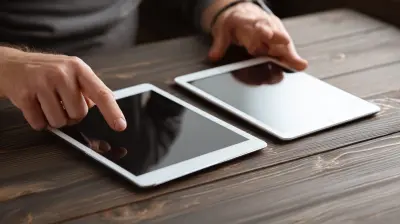
Can Touchscreen Devices Replace Traditional Computers?
3 June 2026
Technology is evolving at an electrifying pace. We’ve seen typewriters give way to desktops, then laptops, and now—touchscreen devices are stepping into the spotlight. But can they really replace traditional computers? That’s the million-dollar question.
With smartphones, tablets, and hybrid devices becoming more powerful each year, some argue that the days of bulky desktops and keyboards are numbered. Others believe that traditional computers still hold the upper hand when it comes to serious work. So, what’s the verdict? Let’s dive in. 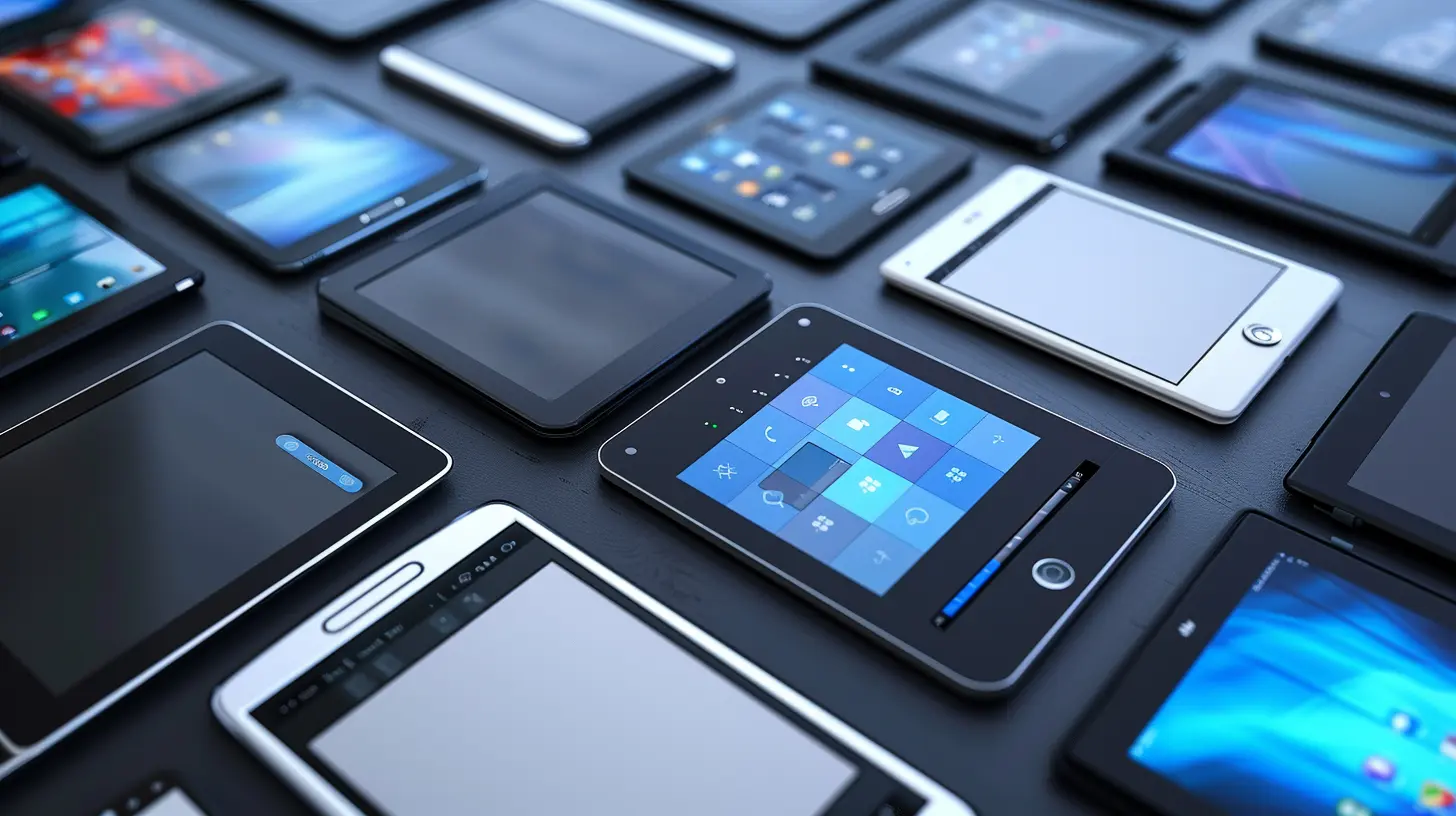
The Rise of Touchscreen Devices
Touchscreen technology has revolutionized the way we interact with devices. From smartphones that fit in our pockets to tablets that rival laptops in power, these gadgets are changing how we work, communicate, and entertain ourselves.Why Are Touchscreens So Popular?
1. Ease of Use – Swiping, tapping, and pinching to zoom feels more intuitive than using a mouse and keyboard.2. Portability – Tablets and hybrid devices are lightweight, making them ideal for on-the-go professionals and students.
3. Versatility – Many touchscreen devices now support styluses, detachable keyboards, and even external monitors.
4. Longer Battery Life – Traditional laptops often struggle to last a full workday, but tablets and touch-enabled ultrabooks offer better battery efficiency.
Clearly, touchscreen devices have a lot going for them. But does that mean they can replace traditional computers entirely? 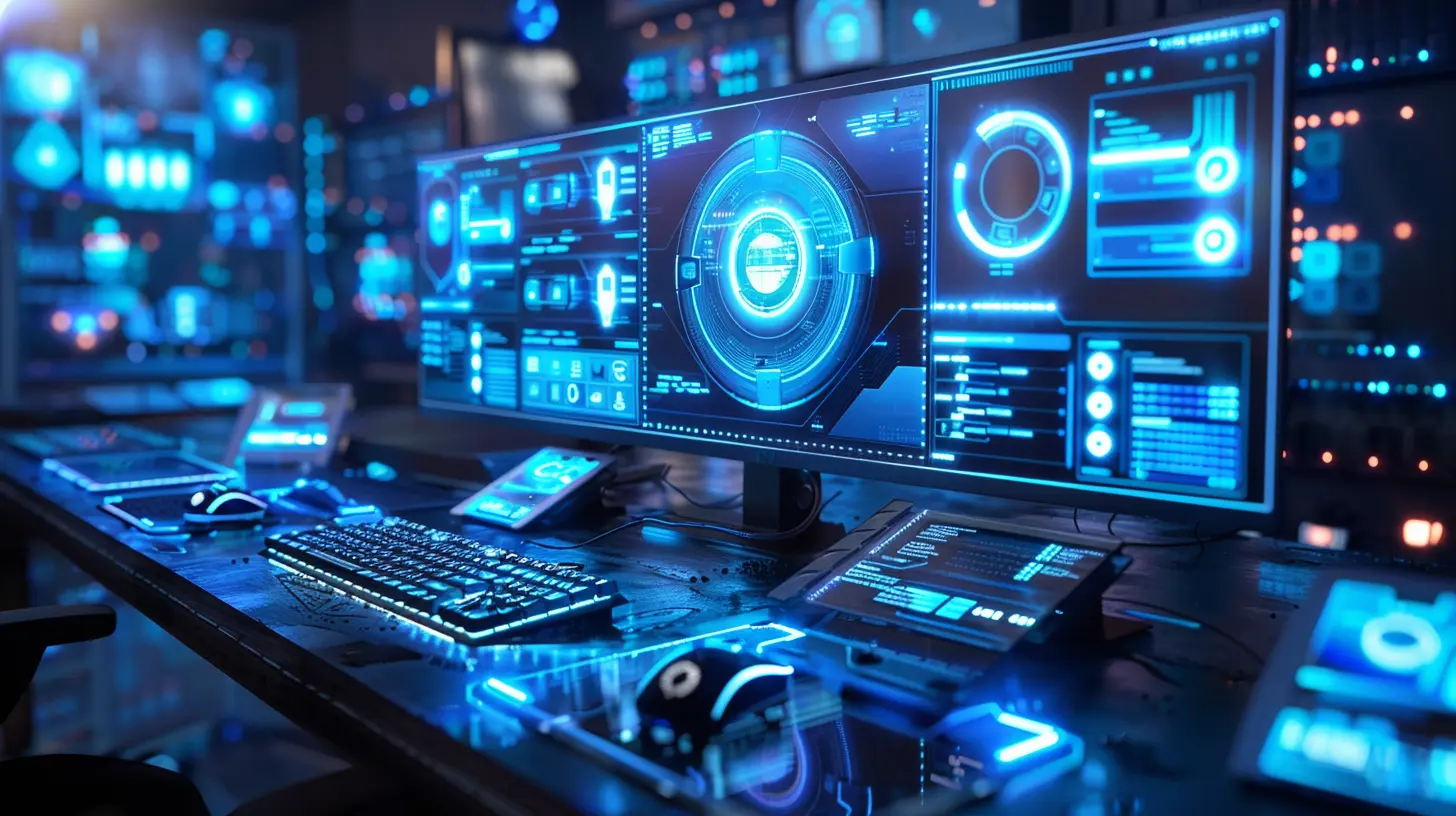
The Power of Traditional Computers
While touchscreen devices are evolving rapidly, traditional computers still dominate in certain areas. Despite the convenience of tablets and hybrid devices, desktops and laptops offer unmatched power and efficiency for demanding tasks.What Makes Traditional Computers Irreplaceable?
1. Performance – High-end desktops and laptops come with powerful processors, dedicated graphics cards, and massive storage options. This makes them ideal for video editing, programming, 3D modeling, and gaming.2. Multitasking – While touchscreens allow you to switch between apps, nothing beats the multitasking capabilities of desktops and laptops. Running multiple applications smoothly is still a challenge for most tablets.
3. Peripherals & Expandability – Traditional computers come with multiple USB ports, external monitor support, and the ability to upgrade components like RAM and storage. Touchscreen devices often lack these features.
4. Keyboard & Mouse Precision – Typing long documents and performing detailed design work is much faster and more efficient with a physical keyboard and a mouse than with a touchscreen.
Despite their bulkier form, traditional computers retain a major edge when it comes to raw computing power, expandability, and precision. 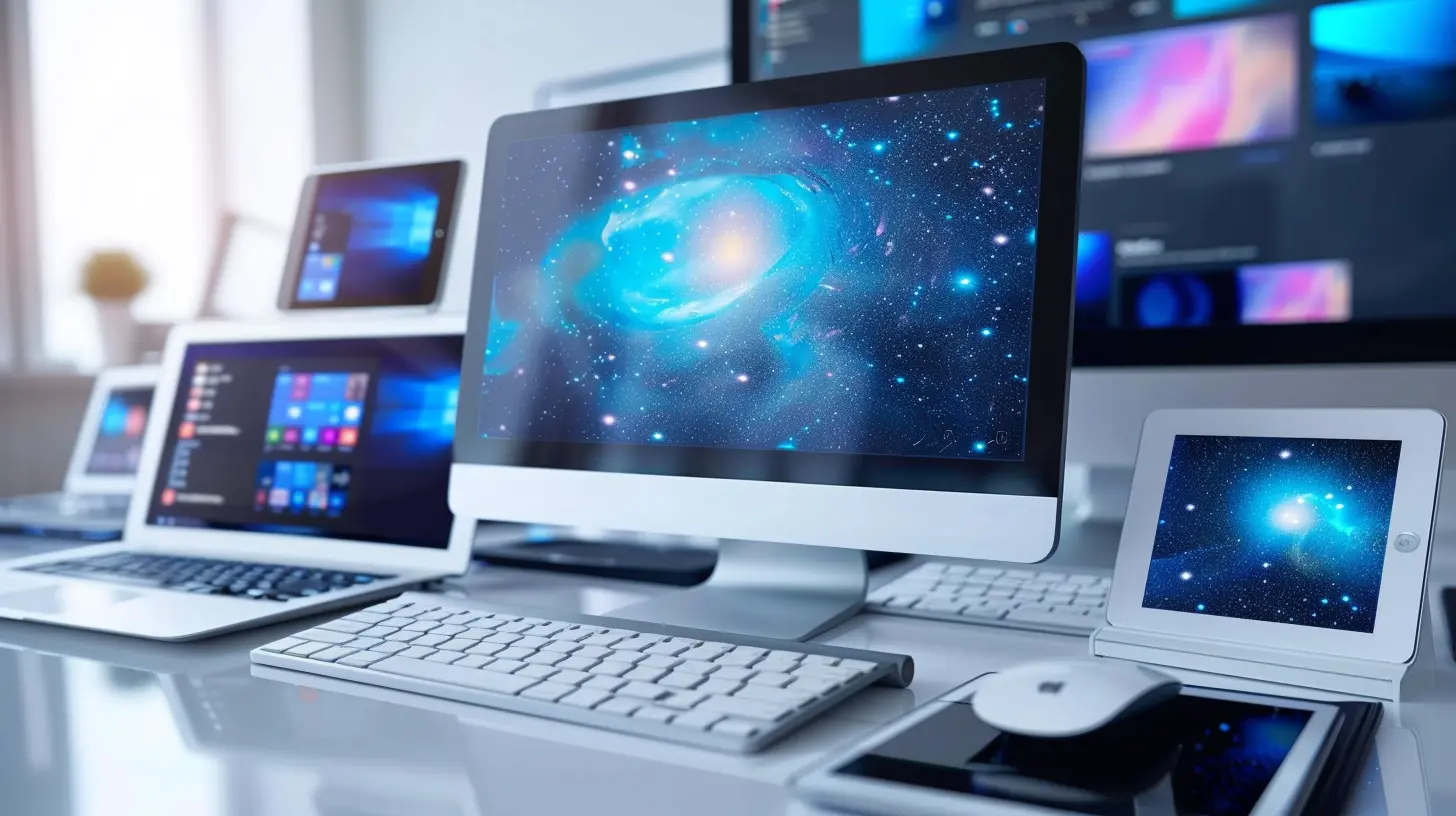
Touchscreen vs. Traditional Computers: A Head-to-Head Battle
To determine whether touchscreen devices can replace traditional computers, let’s break it down based on key categories.1. Productivity & Work Efficiency
- Touchscreen Devices: Great for note-taking, presentations, and light tasks. Stylus input makes digital art more intuitive.- Traditional Computers: Still the go-to choice for intensive workloads such as software development, video editing, and complex spreadsheets.
✅ Winner: Traditional Computers (for professionals), Touchscreens (for casual users)
2. Gaming Performance
- Touchscreen Devices: Mobile games are fun, but lack the depth of PC games. Even with high-end tablets supporting cloud gaming, the experience isn’t the same.- Traditional Computers: With high refresh rate monitors, mechanical keyboards, and gaming-grade GPUs, traditional computers dominate this space.
✅ Winner: Traditional Computers
3. Portability & Convenience
- Touchscreen Devices: Ultra-lightweight and easy to carry, making them perfect for travel and remote work.- Traditional Computers: Laptops are portable, but desktops need a dedicated setup.
✅ Winner: Touchscreen Devices
4. Battery Life
- Touchscreen Devices: Tablets can last up to 10-15 hours on battery.- Traditional Computers: Laptops average 6-8 hours, and desktops need constant power.
✅ Winner: Touchscreen Devices
5. Cost & Affordability
- Touchscreen Devices: Entry-level tablets are inexpensive, but high-end models with accessories can be costly.- Traditional Computers: Budget laptops and desktops are affordable, but gaming and high-performance models come with a hefty price tag.
✅ Winner: It Depends (Casual users may find tablets more affordable, while professionals need an investment in a traditional computer.) 
Will Touchscreens Ever Fully Replace Traditional Computers?
Despite the rapid advancements in touchscreen technology, it’s unlikely that they will fully replace traditional computers in the near future. Here’s why:1. Computing Power Still Matters
Heavy-duty tasks like programming, 3D rendering, and video editing require robust hardware, something touchscreen devices still struggle to match.2. The Need for Precision Work
Artists, writers, and designers often rely on a mouse, keyboard, and specialized software that function best on traditional computers.3. Business & Professional Environments
Corporate offices, data analysts, and financial professionals continue to use desktops with multiple monitors for efficiency.That being said, touchscreen devices will continue to evolve, and they’re already replacing traditional computers for casual users, students, and travelers. In the next decade, we might see even more powerful hybrid devices that blur the line between laptops and tablets.
Final Verdict: Coexistence, Not Replacement
Rather than fully replacing traditional computers, touchscreen devices are carving out their own niche. They’re excellent companions for those who need portability, casual computing, and touch-friendly interfaces. However, professionals and power users will still cling to their desktops and high-performance laptops—at least for now.So, are we ready to say goodbye to traditional computers? Not quite. But one thing is certain: the future of computing is becoming more flexible than ever before.
all images in this post were generated using AI tools
Category:
Touchscreen DevicesAuthor:

Kira Sanders
Discussion
rate this article
2 comments
Avianna Wilson
This article raises important points about the evolving role of touchscreen devices. While they offer convenience and portability, I believe traditional computers still have a unique advantage, especially for tasks that require more power and precision. Great read!
August 2, 2026 at 11:34 AM
Kira Sanders
Thanks for your insights! I agree that while touchscreens are convenient, traditional computers definitely have their strengths for certain tasks. Glad you enjoyed the article!
Susan McGee
Touchscreen devices offer portability and convenience, but traditional computers still excel in productivity.
June 6, 2026 at 3:49 AM
Kira Sanders
You raise a good point. Touchscreen devices are great for on-the-go use, but for tasks that require more power and precision, traditional computers still have the edge. It's all about finding the right tool for the job.