Can E-Waste Be a Resource? Exploring Circular Economy in Tech
15 January 2026
Ever wondered what happens to your old phone when you’re done with it? If you're like most people, you probably shove it into a drawer, never to see the light of day again. But eventually, it’ll end up as part of the growing mountain of electronic waste, or "e-waste." As our world becomes more obsessed with the latest gadgets and tech, we’re creating a serious e-waste problem. But here's the kicker: e-waste doesn't have to be just trash. In fact, it could be a valuable resource.
So, can e-waste be a resource? The answer lies in the concept of the circular economy in tech. Let’s break it down, explore its potential, and see how the tech world might be able to turn trash into treasure.
What Is E-Waste, Anyway?
Let’s start with the basics. E-waste refers to discarded electronic devices and components. Think smartphones, computers, TVs, refrigerators, and even electric toothbrushes. If it has a plug, battery, or circuit board, it can eventually become e-waste.What makes e-waste so tricky is that it’s not your typical kind of garbage. Many of these products contain hazardous materials like lead, mercury, and cadmium that can seriously harm the environment and human health if not properly disposed of. But here’s the twist: e-waste also contains valuable materials, including precious metals like gold, silver, and platinum. That's right—your old phone might be more valuable than you think.

The E-Waste Crisis: How Big Is the Problem?
Before we dive into how e-waste can be a resource, let's get a reality check on the scale of the problem. According to the United Nations, the world generates over 50 million metric tons of e-waste every year. To put that in perspective, that’s like throwing away about 1,000 laptops every second. And that number is growing fast. With the rise of the Internet of Things (IoT), smart homes, and connected devices, we’re only going to see more e-waste piling up.The sad part? Only about 20% of e-waste is properly recycled. The rest ends up in landfills or is incinerated, releasing harmful toxins into the environment. Considering that e-waste contains valuable materials, this is not just an environmental disaster but also an economic missed opportunity.

Enter the Circular Economy: A New Way to Think About Tech
So, how do we fix this mess? One solution is to rethink how we handle tech from the ground up. This is where the concept of the circular economy comes in. You’ve probably heard of the traditional "linear" economy: we take, we make, and we dispose. In contrast, the circular economy is all about designing products that can last longer, be repaired, reused, or recycled.At its core, the circular economy is about keeping resources in use for as long as possible. Instead of tossing your old phone in the trash, what if it could be refurbished? Or better yet, what if its components could be broken down and reused to make new devices? That's what the circular economy aims to achieve in tech.
The Circular Economy Framework: Reuse, Repair, and Recycle
The circular economy in tech revolves around three key principles:1. Reuse: Devices should be designed for durability and modularity so they can be used for longer periods. Instead of upgrading to a new device every couple of years, why not design gadgets that can be upgraded or repurposed?
2. Repair: If something breaks, it shouldn’t be the end of the line. Parts should be easy to replace, and repair services should be widely available. Companies like Fairphone are already leading the way by creating smartphones that are easy to repair and upgrade.
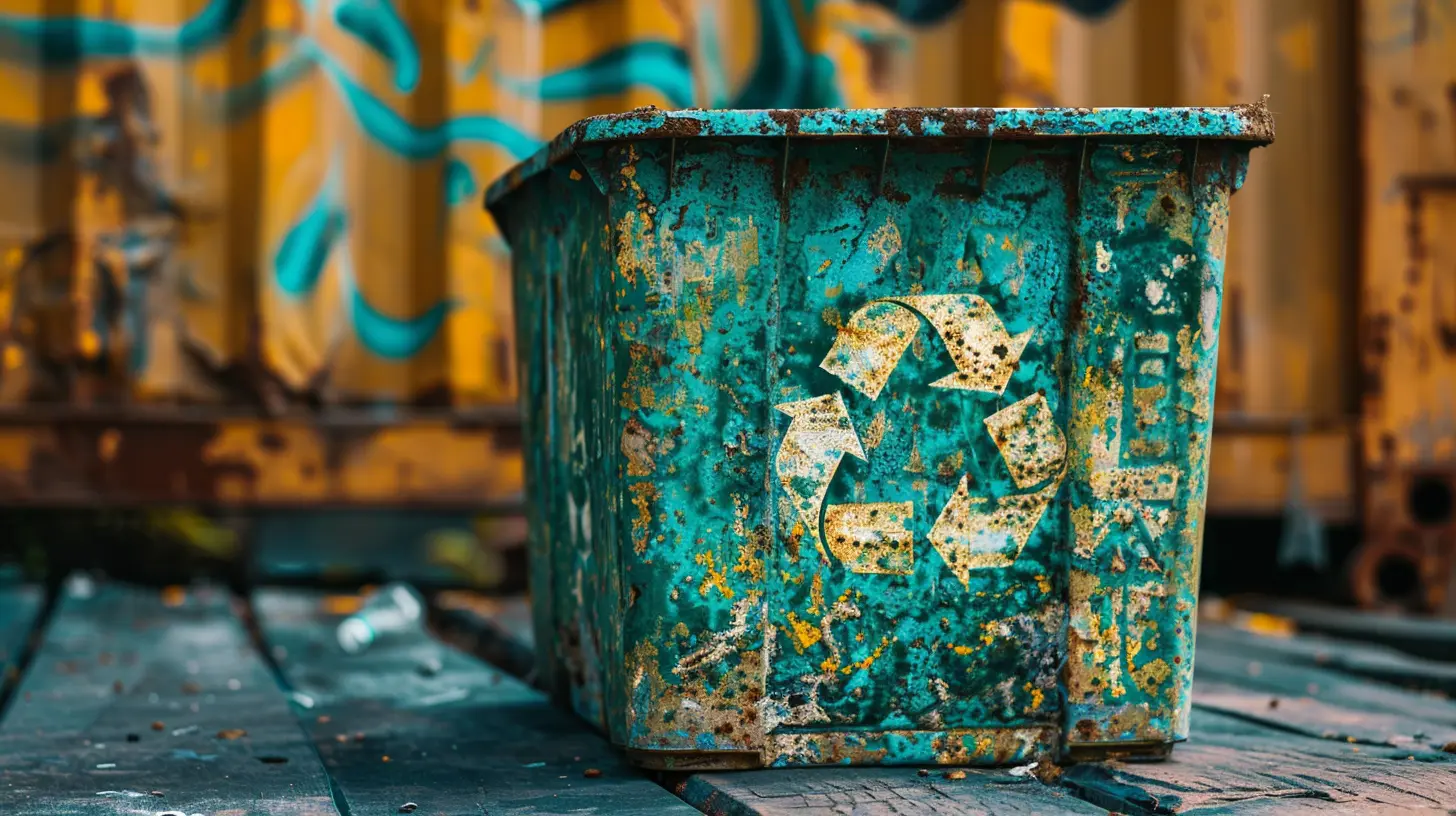
3. Recycle: Finally, when a device truly reaches the end of its life, it should be recycled in a way that recovers valuable materials like metals and rare earth elements. This is where the concept of "urban mining" comes into play—extracting valuable materials from e-waste instead of from the earth.
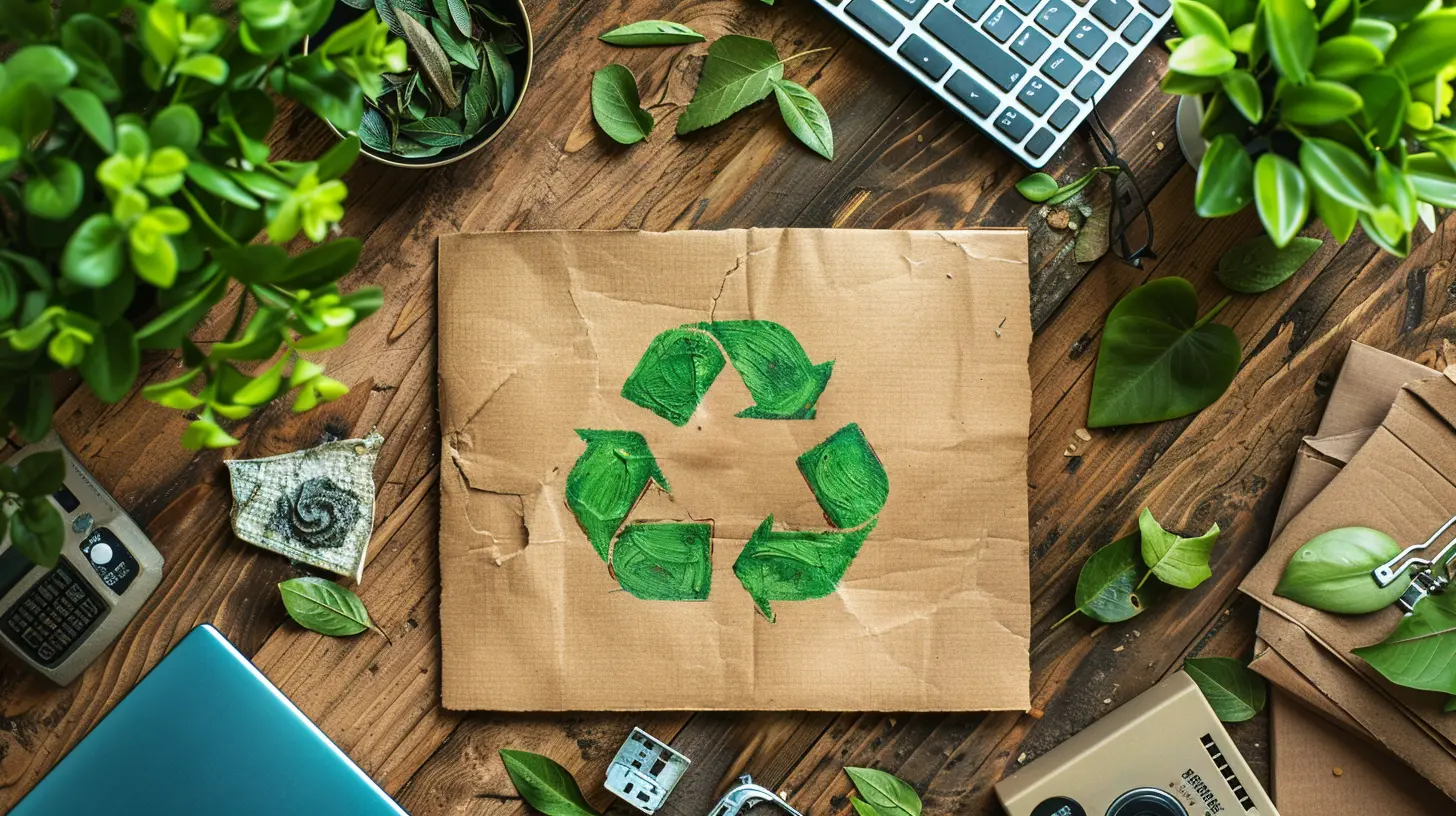
E-Waste as a Resource: A Goldmine in Disguise?
You know that saying, "One man’s trash is another man’s treasure"? Well, when it comes to e-waste, that couldn’t be more accurate. E-waste is actually a treasure trove of valuable materials. According to some estimates, urban mining (recycling metals from e-waste) is more efficient than traditional mining. For example, a ton of old smartphones can yield more gold than a ton of gold ore. Crazy, right?In 2019 alone, the value of raw materials in global e-waste was estimated at over $57 billion. That’s not just pocket change! So, why aren’t more companies taking advantage of this? Well, the process of extracting these materials is expensive and complex, but advancements in technology are making it more feasible.
The Role of Tech Giants and Startups
Some companies are already catching on. Apple, for example, has introduced a robot named Daisy that can disassemble iPhones to recover valuable materials. Other startups are also getting creative, using AI and robotics to improve the efficiency of recycling e-waste.But we can’t rely on corporations alone. Governments and consumers need to play their part too. Extended Producer Responsibility (EPR) laws, which require manufacturers to take responsibility for the disposal of their products, are a step in the right direction. At the same time, we as consumers need to be more mindful of how we dispose of our old gadgets.
Challenges of Implementing a Circular Economy in Tech
Of course, shifting to a circular economy in tech is easier said than done. There are several challenges we still need to address:1. Design and Manufacturing
Most gadgets today are not built with a circular economy in mind. They’re designed for short lifespans, and their complex designs make them hard to repair or recycle. If we want a circular economy, manufacturers need to prioritize modularity and durability.2. Consumer Behavior
Let’s face it—most of us are addicted to the latest gadgets. We upgrade our phones every couple of years, even if the old one still works. Changing this "throwaway culture" will take time, education, and incentives. Consumers need to be more aware of the environmental impact of e-waste and be encouraged to repair or recycle instead of constantly upgrading.3. Infrastructure
Recycling e-waste isn’t as simple as tossing an old phone into a bin. The infrastructure for proper recycling is still lacking in many parts of the world. Even in countries with established recycling programs, the process can be inefficient and costly. Governments and private companies need to invest in better recycling infrastructure to make the circular economy a reality.
The Future: Can We Close the Loop?
So, can e-waste really be a resource? Absolutely. But it’s going to take a concerted effort from tech companies, governments, and consumers to make it happen. The shift from a linear to a circular economy won’t happen overnight, but the potential benefits are enormous—not just for the environment, but also for the economy.Imagine a world where your old phone doesn’t end up in a landfill but instead gets broken down and used to make a new device. Imagine being able to upgrade your laptop just by swapping out a few parts instead of buying a whole new one. That’s the vision of the circular economy in tech, and while we’re not quite there yet, the journey has already begun.
What Can You Do?
You don’t have to wait for governments or tech companies to make a difference. Here are a few things you can do right now:- Repair before replacing: If your device breaks, see if it can be repaired before buying a new one.
- Recycle properly: When your gadget reaches the end of its life, make sure to recycle it through a certified e-waste recycler.
- Buy second-hand: Consider buying refurbished or second-hand devices instead of always opting for new.
- Support companies that embrace circularity: Look for brands that prioritize sustainability, repairability, and recycling in their products.
Conclusion: Turning Trash into Treasure
The idea of e-waste as a resource might sound like wishful thinking, but the truth is, it’s already happening. With the circular economy in tech, we have a real opportunity to turn our growing pile of e-waste into a valuable resource. The key lies in changing how we design, use, and dispose of our gadgets. By embracing reuse, repair, and recycling, we can close the loop and create a future where e-waste is no longer a problem but a solution.all images in this post were generated using AI tools
Category:
Sustainable TechAuthor:

Kira Sanders
Discussion
rate this article
2 comments
Merida West
This article offers a compelling perspective on the potential of e-waste as a resource within the circular economy. It's essential for us to rethink our approach to technology and sustainability.
January 28, 2026 at 4:49 AM
Kira Sanders
Thank you for your insightful comment! I completely agree that rethinking our approach to e-waste is vital for sustainable technology and a circular economy.
Danica McClure
Who knew our old gadgets could become eco-friendly treasure? It’s like turning yesterday’s tech trash into tomorrow’s shiny new toys. Time to give our e-waste a second chance at life—talk about a plot twist!
January 16, 2026 at 5:47 AM
Kira Sanders
Absolutely! Embracing e-waste as a resource is a key step towards a sustainable circular economy, turning potential trash into valuable assets.