The Role of Mobile Devices in the Future of Gaming
5 February 2026
Gaming has come a long way since the early days of bulky consoles and wired controllers. Today, mobile devices are transforming the gaming industry at an unprecedented pace. With smartphones and tablets becoming more powerful, mobile gaming is no longer just a casual pastime—it's a serious contender in the future of gaming.
But just how big of a role will mobile devices play? Let’s dive into the trends, innovations, and challenges that mobile gaming faces in shaping the future of interactive entertainment.
The Rise of Mobile Gaming
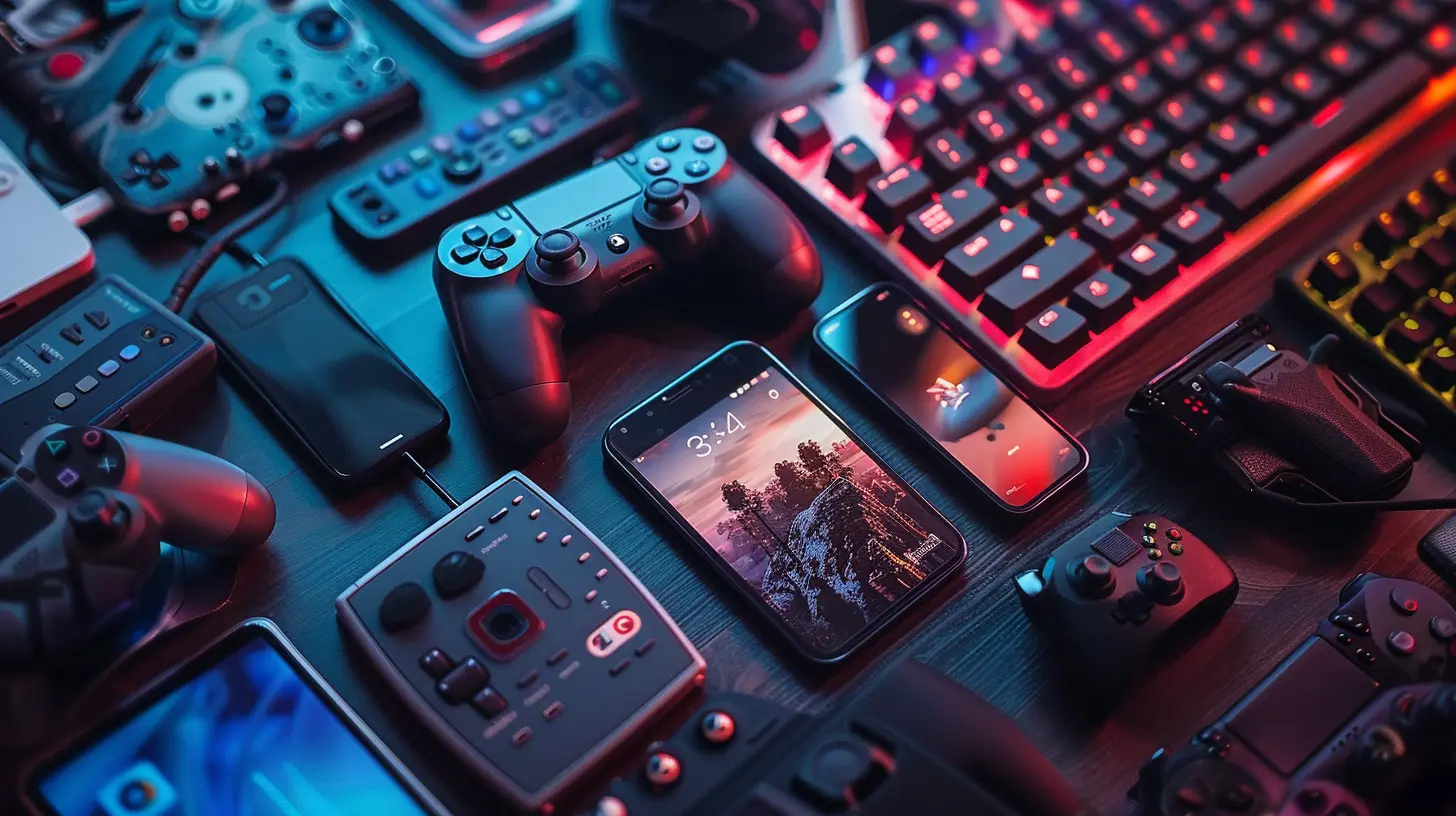
Mobile gaming isn’t just growing—it’s dominating. According to industry reports, mobile gaming revenue surpassed that of PC and console gaming combined. But why is mobile gaming taking over?1. Accessibility – Almost everyone owns a smartphone, making mobile gaming the most convenient way to play anytime, anywhere.
2. Affordability – Unlike consoles or gaming PCs that require a hefty upfront investment, mobile games are usually free-to-play, with in-app purchases driving revenue.
3. Variety of Games – From puzzle games to high-quality RPGs, mobile devices offer something for everyone.
These factors have turned smartphones into gaming powerhouses that cater to both casual and hardcore players alike.
Mobile Hardware is Closing the Gap
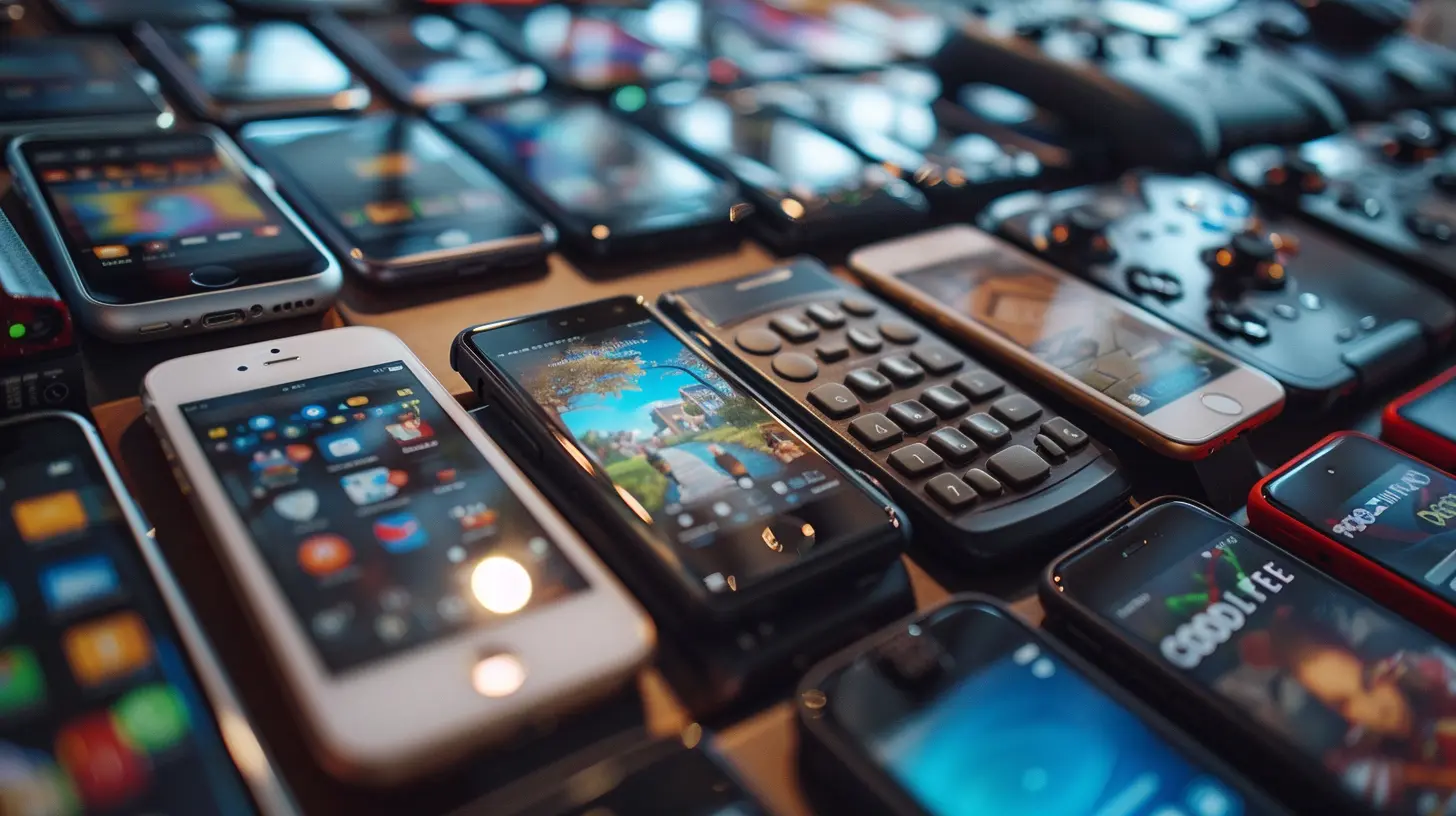
Gamers have often criticized mobile devices for lacking the power of dedicated gaming consoles. However, that argument is losing ground fast. Modern smartphones come equipped with powerful chipsets, high refresh rate displays, and advanced cooling solutions—features that were once exclusive to gaming PCs.Key Advancements in Mobile Gaming Hardware
- High-Refresh-Rate Screens – Many flagship smartphones now feature 120Hz or even 144Hz displays, making gameplay smoother and more immersive.- Dedicated Gaming Phones – Devices like the ASUS ROG Phone and Lenovo Legion cater specifically to gamers, offering features like shoulder triggers and superior cooling systems.
- Cloud Gaming Compatibility – High-speed internet and improved 5G connectivity allow players to stream console-quality games on their phones without the need for high-end specs.
With hardware continuously improving, the performance gap between mobile and traditional gaming platforms is shrinking rapidly.
The Impact of 5G on Mobile Gaming
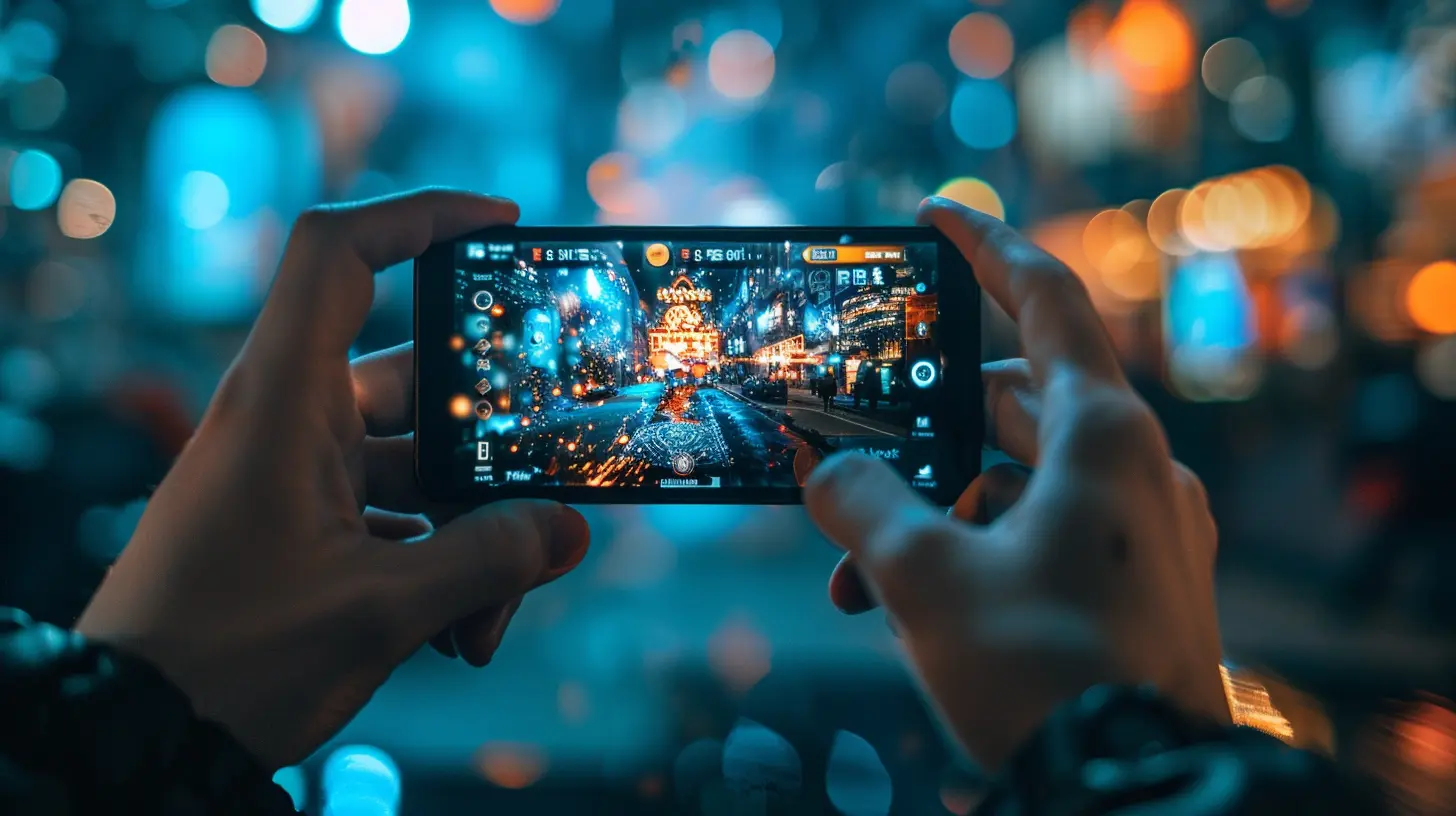
5G technology is a game-changer for mobile gaming. Faster speeds, lower latency, and better network stability mean smoother gameplay, even in multiplayer settings.How 5G is Shaping the Future of Gaming
- Seamless Cloud Gaming – Services like Xbox Cloud Gaming and NVIDIA GeForce NOW allow users to play AAA games on their phones without downloads or high-end specs.- Real-Time Multiplayer – Lower latency ensures near-instant reactions in competitive games, giving mobile players an even playing field.
- Augmented and Virtual Reality (AR/VR) Gaming – With 5G reducing lag, AR and VR experiences on mobile devices will become more immersive and responsive.
The expansion of 5G will continue to redefine what’s possible in mobile gaming, making it an even more compelling platform for serious gamers.

Cloud Gaming and Mobile Devices
Cloud gaming is perhaps one of the biggest catalysts for mobile gaming’s future dominance. Instead of relying on device hardware to run games, cloud gaming services process games on powerful remote servers and stream them to smartphones.The Benefits of Cloud Gaming on Mobile
- No More Storage Issues – Gamers can access massive titles without filling up their device’s storage.- Play Console/PC Games on Mobile – Services like Xbox Game Pass Ultimate let users stream console-quality games from the cloud straight to their phones.
- Expanding Player Base – High-end gaming is no longer limited to those who can afford expensive hardware; a decent internet connection is all that’s needed.
As networks become faster and more reliable, cloud gaming will further cement mobile devices as a dominant gaming platform.
The Role of AR and VR in Mobile Gaming
Augmented Reality (AR) and Virtual Reality (VR) are poised to reshape mobile gaming. Remember Pokémon GO? That was just the beginning.AR and VR Trends in Mobile Gaming
- Enhanced Real-World Interaction – AR games bring digital elements into the real world, blending reality with gameplay.- Immersive VR Experiences – While still in its early stages, smartphone VR is growing, with devices like the Oculus Quest supporting mobile VR connectivity.
- More Engaging Mobile Games – AR-driven games like Minecraft Earth and Harry Potter: Wizards Unite offer interactive experiences beyond traditional touch-screen gaming.
As technology advances, AR and VR will unlock a whole new level of immersion for mobile gamers.
The Future of Mobile eSports
For years, eSports was synonymous with PC and console gaming. But now, mobile eSports is growing at an insane rate. Games like PUBG Mobile, Call of Duty Mobile, and Mobile Legends have built massive competitive scenes.Why Mobile eSports is Booming
- Lower Entry Barrier – Anyone with a phone can participate, unlike PC/console eSports, which require expensive setups.- Global Reach – Mobile gaming is hugely popular in regions like Asia, where competitive mobile titles dominate.
- Bigger Prize Pools – Events like PUBG Mobile Global Championship offer millions in prize money, proving that mobile eSports is no joke.
With companies investing heavily in mobile eSports infrastructure, expect even bigger tournaments and more professional teams in the future.
Challenges Facing the Future of Mobile Gaming
While mobile gaming is on a meteoric rise, it’s not without its hurdles.Key Challenges:
- Touchscreen Controls – Many games struggle with precision input, leading to external controller adoption.- Battery Life – High-performance gaming drains batteries fast, leading to reliance on power banks and cooling solutions.
- Monetization Issues – The free-to-play model often leads to aggressive microtransactions, frustrating players.
Solving these challenges will be crucial for mobile gaming’s continued success, but with constant innovation in the industry, solutions are already on the horizon.
Final Thoughts
Mobile devices are undeniably shaping the future of gaming. From high-end hardware improvements to 5G, cloud gaming, and eSports, smartphones and tablets are evolving into full-fledged gaming platforms. The innovation in mobile gaming is not just changing how we play—it’s redefining the entire gaming landscape.So, will mobile gaming replace traditional consoles and PCs? Probably not entirely. But it’s clear that mobile devices are no longer just a secondary platform—they’re leading the charge into the future of gaming.
all images in this post were generated using AI tools
Category:
Mobile DevicesAuthor:

Kira Sanders
Discussion
rate this article
2 comments
Madalyn Edwards
Mobile devices are poised to redefine gaming by democratizing access and enabling cross-platform play. With advancements in cloud gaming, augmented reality, and 5G connectivity, they will bridge the gap between casual and hardcore gamers, creating immersive experiences that transcend traditional boundaries. The future of gaming is truly mobile.
February 6, 2026 at 12:44 PM
Kira Sanders
Absolutely! Mobile devices are set to revolutionize gaming by making it more accessible and inclusive, thanks to innovations like cloud gaming and 5G, which enhance the experience for all types of players.
Jonah Duke
Mobile devices are redefining gaming by making it more accessible and socially integrated. As advancements in technology continue, we can expect immersive experiences that blend augmented reality and cloud gaming, appealing to diverse audiences and transforming how we engage with games.
February 6, 2026 at 4:54 AM
Kira Sanders
Thank you for your insightful comment! I completely agree that mobile devices are pivotal in shaping the future of gaming, enhancing accessibility and fostering social connections through innovative technologies.